Common Health Symptoms That Might Point to Hidden Water Damage in Your Home
Water damage in your Charlotte home often hides behind walls or under floors, silently creating conditions that can make you sick. Within 24 to 48 hours, moisture creates an environment where mold spores multiply and release mycotoxins into the air you breathe. These microscopic particles trigger immediate health symptoms that many homeowners mistake for seasonal allergies or a common cold. If you or your family members experience persistent respiratory issues, unexplained skin irritation, or chronic fatigue, your home might be the source of the problem. Specialized Water Damage Restoration for Historic Homes in Dilworth.
Charlotte’s high humidity levels exceeding 70% in summer accelerate mold growth far beyond what national averages suggest. The combination of moisture, poor ventilation, and organic materials like drywall or wood creates perfect conditions for Stachybotrys chartarum, commonly known as black mold, to thrive. This mold produces toxins that can cause serious respiratory distress, neurological symptoms, and immune system suppression. Understanding the connection between your symptoms and hidden water damage is the first step toward creating a healthy living environment. Rapid Water Extraction and Drying for Properties Near Lake Norman.
Immediate Health Risks: Categorizing Water Hazards (White, Grey, and Black Water)
Water damage falls into three categories based on contamination levels, and each poses different health risks. Category 1 water, also called clean water, comes from sources like broken water supply lines or rainwater. While initially safe, this water becomes hazardous within 24 hours as bacteria begin to multiply. Category 2 water, or grey water, contains significant contamination from sources like washing machine overflow or dishwasher leaks. This water carries microorganisms that can cause allergic reactions and skin irritation.. Read more about Why Siding Leaks Are a Hidden Threat to Newer Townhomes in University City.
Category 3 water, known as black water, represents the most severe health hazard. This water contains pathogens, toxins, and sewage from sources like sewage backups, flooding from rivers, or standing water that has begun to support bacterial growth. The IICRC S500 standard classifies black water as containing materials that can cause serious illness or death if ingested or contacted. In Charlotte, hurricane season flooding often introduces Category 3 water into homes, carrying E. coli, Salmonella, and other dangerous pathogens.
Water Category Health Timeline
| Time Since Water Event | Category 1 (Clean) | Category 2 (Grey) | Category 3 (Black) |
|---|---|---|---|
| 0-24 hours | Minimal risk | Minimal risk | High risk |
| 24-48 hours | Moderate risk | Moderate risk | Severe risk |
| 48+ hours | High risk | High risk | Critical risk |
The health risks escalate rapidly because mold spores begin germinating within 24 to 48 hours. By day three, colonies can produce enough mycotoxins to cause noticeable symptoms in sensitive individuals. The musty odor that develops indicates active mold growth releasing volatile organic compounds into your indoor air.
Respiratory Impacts: Mold Spores and Airborne Pathogens
Mold exposure affects your respiratory system through multiple mechanisms. When you inhale mold spores, your body’s immune system responds by releasing histamines, causing inflammation in your airways. This inflammation leads to symptoms like coughing, wheezing, chest tightness, and shortness of breath. For people with asthma or chronic obstructive pulmonary disease, mold exposure can trigger severe attacks requiring emergency medical attention.
The Environmental Protection Agency reports that dampness and mold in buildings increase respiratory problems by 30 to 50 percent. In Charlotte’s humid climate, this risk factor becomes even more pronounced. Mold spores can trigger allergic rhinitis, causing sneezing, runny nose, and itchy eyes. Some people develop hypersensitivity pneumonitis, a condition where the lungs become inflamed from repeated exposure to organic dusts.. Read more about How Industrial Air Scrubbers Protect Your Family During Water Cleanup.
Black mold produces mycotoxins that can cause neurological symptoms beyond typical respiratory issues. These toxins can affect your central nervous system, leading to headaches, dizziness, difficulty concentrating, and memory problems. The mycotoxins are fat-soluble, meaning they can accumulate in your body’s tissues over time, potentially causing long-term health effects.
Children, elderly individuals, and people with compromised immune systems face the highest risk from mold exposure. Their bodies may not mount an effective immune response, allowing the mold to cause more severe damage. Pregnant women should also avoid mold exposure as mycotoxins can cross the placental barrier and affect fetal development.
Physical Symptoms: How to Tell if Your House is Making You Sick
Your body often provides clear signals when your indoor environment contains harmful contaminants. Respiratory symptoms represent the most common indicator of water damage-related illness. You might experience persistent coughing that doesn’t improve with typical cold medications, wheezing sounds when breathing, or a feeling of tightness in your chest that worsens when you’re at home.
Skin reactions can also indicate mold exposure. Contact dermatitis causes red, itchy rashes that may blister or become scaly. Some people develop hives or experience burning sensations on their skin. These reactions occur because your skin comes into contact with mold spores or mycotoxins through direct touch or airborne particles settling on your skin.
Systemic symptoms often go unrecognized as mold-related health issues. Chronic fatigue that doesn’t improve with rest, frequent headaches, difficulty concentrating, and mood changes can all stem from mycotoxin exposure. Some people experience vertigo, numbness or tingling in extremities, and even depression or anxiety as their bodies struggle to cope with the toxic burden.
Digestive problems represent another overlooked symptom category. Nausea, vomiting, diarrhea, and abdominal pain can occur when you ingest mold spores or mycotoxins through contaminated food or by touching your mouth after handling contaminated surfaces. These symptoms often mimic food poisoning or stomach viruses, leading people to miss the connection to their home environment. Steps to Take After a Flood.
Pay attention to when your symptoms occur. If you feel better when you leave your home for extended periods and worse when you return, this pattern strongly suggests your indoor environment contains harmful contaminants. Keep a symptom diary noting when symptoms start, their severity, and what activities preceded them.
The Charlotte Factor: Why NC Humidity Accelerates Health Risks
Charlotte’s geographic location and climate create unique challenges for moisture management in homes. The city sits in the Piedmont region where warm, moist air from the Gulf of Mexico meets cooler air from the Appalachian Mountains. This collision creates frequent thunderstorms and high humidity levels that persist throughout much of the year.. Read more about How Professional Moisture Meters Actually Work to Save Your Home.
North Carolina’s building codes require specific moisture management strategies, but many older homes in neighborhoods like Dilworth and Elizabeth were built before these standards existed. These homes often have crawl spaces with inadequate vapor barriers, allowing ground moisture to rise into living spaces. The red clay soil common in Mecklenburg County retains water, creating hydrostatic pressure against foundation walls that leads to basement seepage. EPA Mold Information.
Charlotte’s hurricane season from June through November brings additional moisture challenges. Strong storms can damage roofs, allowing water intrusion that goes unnoticed until mold growth becomes visible. The city’s aging infrastructure, particularly in older neighborhoods, includes water mains that can burst during temperature fluctuations, causing sudden flooding and contamination.
Modern construction techniques in newer Charlotte developments sometimes create moisture traps. Tight building envelopes designed for energy efficiency can trap humidity inside if proper ventilation systems aren’t installed. This creates conditions where moisture from daily activities like cooking and showering accumulates rather than escaping, leading to condensation on cool surfaces.
The North Carolina Residential Code Section R408 specifically addresses crawl space ventilation requirements, but compliance varies among builders and inspectors. Many homeowners remain unaware that their crawl spaces need mechanical ventilation or that vapor barriers must cover 100 percent of the ground surface to be effective.

Vulnerable Populations: Protecting Children, Seniors, and Pets
Certain groups face heightened risks from water damage and mold exposure due to their physiological characteristics. Children breathe more air per pound of body weight than adults, meaning they inhale a higher concentration of airborne contaminants. Their developing immune systems may not effectively combat mold spores and mycotoxins, leading to more severe reactions.
Infants and young children who crawl on contaminated floors have direct skin contact with mold spores. They also frequently put their hands in their mouths, increasing the risk of ingesting harmful microorganisms. The developing respiratory systems of children make them more susceptible to asthma and other chronic respiratory conditions triggered by mold exposure.
Elderly individuals often have weakened immune systems and pre-existing health conditions that make them more vulnerable to environmental toxins. Chronic conditions like diabetes, heart disease, or respiratory disorders can complicate their ability to fight off infections caused by mold and bacteria. Many seniors take medications that may interact with mycotoxins or suppress immune function.
Pets face unique risks from water damage because they spend more time in direct contact with contaminated surfaces. Dogs and cats that lie on moldy carpets or lick their paws after walking through affected areas can ingest harmful substances. Some mold species produce mycotoxins that are particularly toxic to animals, potentially causing liver damage or neurological problems.
People with compromised immune systems due to conditions like HIV/AIDS, cancer treatments, or organ transplants face severe risks from mold exposure. Their bodies cannot effectively fight off opportunistic infections that normally healthy individuals would resist. For these individuals, mold exposure can lead to systemic fungal infections requiring aggressive medical treatment.
Expectant mothers should exercise particular caution as mycotoxins can cross the placental barrier and affect fetal development. Some studies suggest that maternal mold exposure may increase the risk of asthma and allergies in children. The stress of dealing with water damage and potential health issues can also affect pregnancy outcomes.
Professional Remediation: Why DIY Cleaning Can Worsen Health Effects
Attempting to clean up water damage yourself often spreads contamination rather than eliminating it. When you disturb mold colonies, you release millions of spores into the air, potentially contaminating previously unaffected areas of your home. Without proper containment and air filtration, these spores can circulate through your HVAC system and settle throughout your living space.
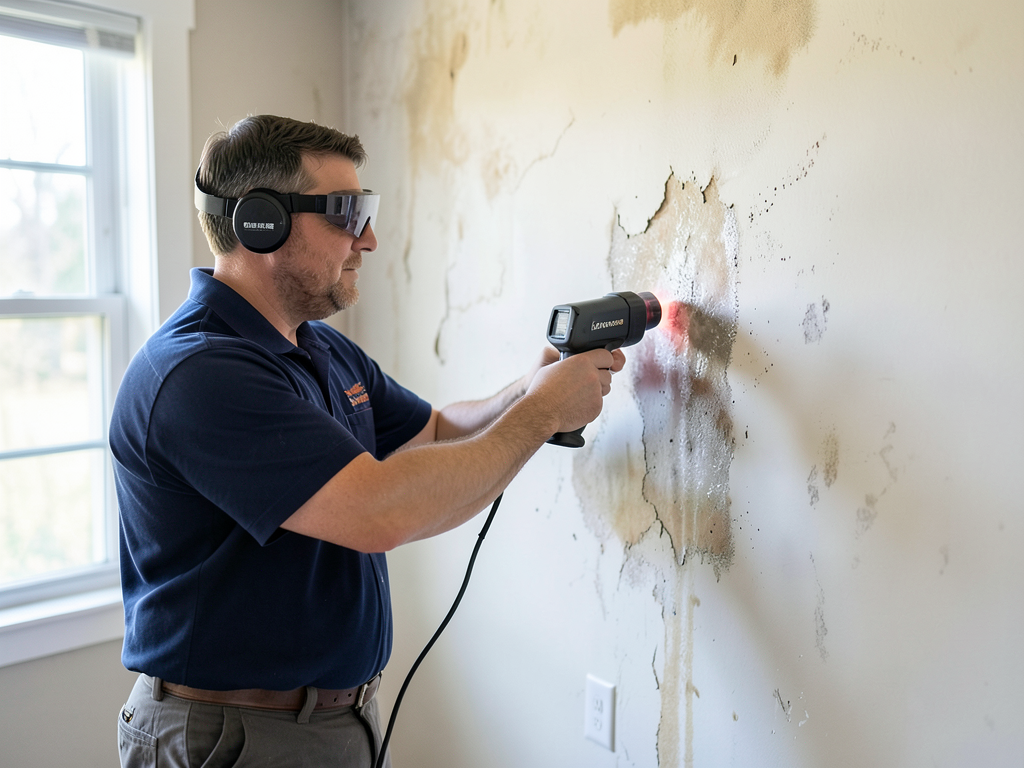
Professional water damage restoration follows the IICRC S500 standard, which outlines specific procedures for safe and effective remediation. This includes establishing containment barriers, using negative air pressure to prevent spore migration, and employing HEPA filtration to capture microscopic particles. Professionals also use moisture meters and thermal imaging cameras to detect hidden moisture that DIY methods miss.
The 24 to 48-hour window for safe remediation represents a critical deadline. After this period, Category 1 water becomes Category 2, and Category 2 becomes Category 3. This progression means that waiting even a day or two to address water damage can transform a manageable cleanup into a major remediation project requiring specialized equipment and protective gear. Sump Pump Failure Cleanup and Repair in the Elizabeth Neighborhood.
Professional remediation includes antimicrobial treatments that eliminate not just visible mold but also the microscopic roots that penetrate porous materials. DIY cleaning products may kill surface mold but leave these roots intact, allowing the mold to regrow within days. Professionals also address the moisture source that allowed mold to grow in the first place, preventing recurrence.
Insurance companies often require professional documentation of water damage and remediation efforts to process claims. DIY cleanup can complicate or invalidate insurance coverage, leaving you responsible for costs that could have been covered. Professional restoration companies work directly with insurance adjusters and can provide the documentation needed for claim approval.
The cost of professional remediation varies based on the extent of damage, but early intervention typically costs far less than addressing advanced mold growth. A small leak that costs a few hundred dollars to fix immediately can become a $10,000 remediation project if left untreated for weeks. What to Do Immediately if Your Ballantyne Basement Floods Tonight.
Conclusion & Local Emergency Contact Information
Water damage in your Charlotte home creates more than just structural problems. It generates conditions that can make you and your family seriously ill. The high humidity levels, frequent storms, and aging infrastructure in our area create perfect conditions for hidden moisture problems that develop into major health hazards. If you notice persistent respiratory issues, unexplained skin irritation, or chronic fatigue that improves when you leave your home, you may be experiencing the effects of hidden water damage.
Don’t wait until visible mold appears or symptoms become severe. The 24 to 48-hour window for safe remediation closes quickly, and each day of delay allows contamination to spread and health risks to escalate. Professional water damage restoration requires specialized equipment, training, and protective gear that most homeowners don’t possess. The cost of professional remediation pales in comparison to the potential medical expenses and quality of life impacts of prolonged mold exposure.
Call (980) 342-9955 today to schedule your inspection. Our certified technicians use moisture detection equipment, thermal imaging, and air quality testing to identify hidden water damage before it becomes a major health hazard. We serve Charlotte and surrounding communities including Mooresville, Matthews, and Indian Trail with 24/7 emergency response. Don’t let hidden water damage compromise your family’s health. Pick up the phone and call (980) 342-9955 before the next storm hits.
Frequently Asked Questions
How quickly does mold grow after water damage occurs?
Mold spores begin germinating within 24 to 48 hours of water exposure. Under optimal conditions with temperatures between 77 and 86 degrees Fahrenheit and humidity above 70 percent, visible mold colonies can form within three to five days. The rate of growth accelerates significantly in Charlotte’s humid climate.
Can I clean up small water leaks myself without professional help?
Small clean water leaks under 10 square feet can potentially be handled by homeowners if addressed within 24 hours. However, you need proper protective equipment including N95 respirators, gloves, and eye protection. You must also ensure complete drying of all affected materials, which often requires professional moisture detection equipment that homeowners don’t possess.
What health symptoms indicate I might have hidden mold in my home?
Common symptoms include persistent coughing, wheezing, nasal congestion, itchy eyes, skin rashes, headaches, fatigue, and difficulty concentrating. These symptoms often worsen when you’re at home and improve when you leave for extended periods. If multiple family members experience similar symptoms without obvious causes, hidden mold should be suspected.
How much does professional water damage remediation cost in Charlotte?
Costs vary based on damage extent, but typical ranges run from $1,500 to $7,000 for residential properties. Category 1 clean water damage costs less to remediate than Category 3 black water contamination. Early intervention always costs less than addressing advanced mold growth. Most homeowners insurance covers sudden water damage if addressed promptly.
Will my insurance cover mold damage from water leaks?
Insurance coverage depends on the water damage source and timing. Sudden, accidental water damage from burst pipes is typically covered, but gradual leaks or flooding from external sources may require separate flood insurance. Most policies exclude mold damage resulting from neglected maintenance. Professional documentation of the damage and immediate remediation efforts improve claim approval chances.
- Monitor Your Symptoms
Track respiratory issues, skin reactions, and fatigue patterns. Note if symptoms worsen at home and improve when away.
- Check for Warning Signs
Look for musty odors, visible mold growth, water stains, or condensation on windows. These indicate moisture problems.
- Test Indoor Air Quality
Use mold test kits or hire professionals for air sampling. High spore counts indicate active mold growth.
- Inspect Moisture-Prone Areas
Check crawl spaces, basements, under sinks, and around windows for dampness or water damage.
- Document Everything
Take photos of any visible damage and keep records of symptoms and when they occur for insurance purposes. For more information, visit CDC Mold FAQs.