
What to Do Immediately if Your Ballantyne Basement Floods Tonight
Your basement just flooded in Ballantyne. Water is rising fast. You need help now. Here’s exactly what to do before the restoration team arrives.. Read more about Comparing Local Water Restoration Companies in Fort Mill and Tega Cay.
Step 1: Stop the Water Source
Find the source immediately. Is it a burst pipe, a failed sump pump, or storm water? Turn off the main water valve if it’s a plumbing issue. If storm water is entering, it’s likely hydrostatic pressure forcing water through foundation cracks.. Read more about How We Handle Water Damage Insurance Claims for Charlotte Homeowners.
Common causes in Ballantyne include:
- Clay soil around your foundation that retains water like a sponge
- Failed sump pumps during heavy Piedmont storms
- Cracks in poured concrete walls from soil expansion
If you can’t stop the source, move to damage control.
Step 2: Protect Yourself and Your Family
Basement flood water is dangerous. It can contain sewage, chemicals, and harmful bacteria. Wear rubber boots and gloves if you must enter. Keep children and pets away from standing water.
Turn off electricity to the basement at the breaker panel. Water and electricity create a deadly combination. If water reaches electrical outlets or appliances, do not enter the area.
Step 3: Document Everything
Before touching anything, take photos and videos of all damage. Capture the water level, affected items, and structural damage. This documentation is crucial for insurance claims.
Move undamaged items to higher ground if possible. Lift furniture onto blocks or remove it from the basement entirely. The longer items sit in water, the more damage occurs.
Step 4: Call Emergency Water Damage Restoration
Time matters. Every hour water sits increases damage and mold risk. Professional water extraction equipment removes water much faster than shop vacuums or mops.
Call (980) 342-9955 now. Our IICRC-certified team arrives within 60 minutes with industrial pumps, dehumidifiers, and moisture meters. We’re available 24/7 for Ballantyne residents.
What Happens When the Restoration Team Arrives
Professional water damage restoration follows a specific process. Understanding this helps you know what to expect.
Initial Inspection and Assessment
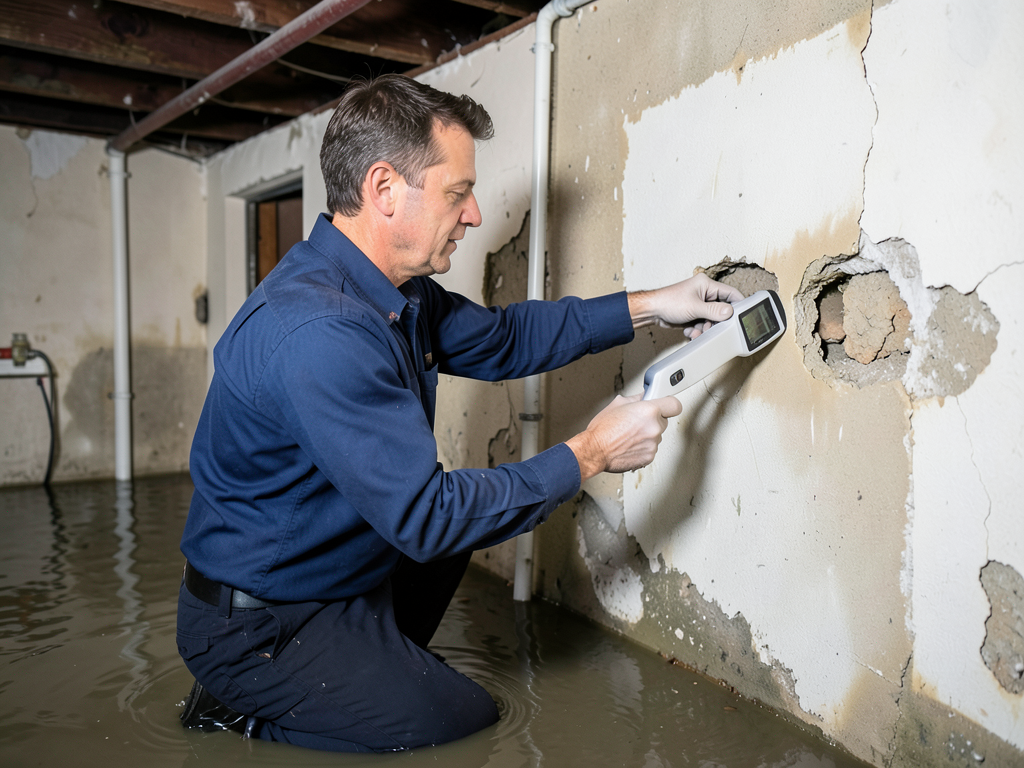
Technicians use moisture meters to detect hidden water in walls, floors, and ceilings. They identify the water category:
- Category 1: Clean water from pipes or rain
- Category 2: Gray water with contaminants
- Category 3: Black water with sewage or chemicals
They also check for structural damage and electrical hazards. This assessment determines the restoration approach.
Water Extraction
Industrial pumps remove standing water quickly. Truck-mounted extraction units can remove thousands of gallons per hour. This is much faster than household equipment.
Technicians use different tools based on the situation:
- Submersible pumps for deep water
- Portable extractors for carpets and upholstery
- Squeegees and wet vacuums for final cleanup
Drying and Dehumidification
Removing visible water is only half the job. Moisture remains in walls, floors, and air. Industrial dehumidifiers and air movers create a drying vortex that pulls moisture from materials.. Read more about Crawl Space Drying and Mold Prevention for Homes in Mint Hill.
Technicians monitor moisture levels daily using hygrometers and thermal imaging cameras. They continue drying until materials reach safe moisture content levels.
Cleaning and Sanitizing
Flood water contaminates everything it touches. Professional cleaning uses EPA-registered antimicrobial treatments to kill bacteria and prevent mold growth. EPA mold information.
Affected areas receive:
- Disinfection of all surfaces
- Deodorization to remove musty smells
- Application of antimicrobial agents
Why Ballantyne Basements Are Vulnerable
Ballantyne’s geography creates specific flood risks. The area sits on Charlotte red clay soil that expands when wet and contracts when dry. This soil movement creates foundation cracks over time.
Many Ballantyne homes have finished basements that weren’t designed for water intrusion. When hydrostatic pressure builds during storms, water forces through the weakest points.
According to the North Carolina Residential Code Section R406.1, foundations in areas with high clay content must include proper drainage systems. Many older homes lack these upgrades.
Common Basement Flooding Scenarios
Understanding what caused your flood helps prevent future incidents.
Sump Pump Failure
Sump pumps fail when power goes out during storms or when they burn out from overuse. Ballantyne’s clay soil stays saturated longer than sandy soils, overworking pumps.
Install a battery backup system and test your pump monthly. A failed sump pump during a storm can flood your basement in minutes.
Pipe Burst
Copper pipes can burst when water freezes or from excessive pressure. Ballantyne’s occasional hard freezes can cause unexpected pipe failures.. Read more about Sump Pump Failure Cleanup and Repair in the Elizabeth Neighborhood.
Insulate exposed pipes and maintain consistent indoor temperatures. A burst pipe can release hundreds of gallons per hour.
Sewer Backup
Heavy rain can overwhelm municipal sewer systems, causing backups through floor drains or toilets. This creates Category 3 water that requires professional cleanup.
Install backwater valves to prevent sewage from entering your home. These valves close automatically when water flows backward.
Insurance Coverage for Basement Flooding
Most homeowners insurance policies don’t cover flood damage from external water sources. You need separate flood insurance for that coverage.. Read more about Why SouthPark Homeowners Trust Us for Emergency Flood Recovery.
However, sudden and accidental water damage from burst pipes or appliance failures is typically covered. This includes:
- Broken water supply lines
- Leaking water heaters
- Overflowing appliances
Review your policy and document everything. Our team works directly with insurance companies to streamline claims.
Preventing Future Basement Floods
After restoration, take steps to prevent future flooding.
Exterior Solutions
Grade soil away from your foundation so water flows outward. Extend downspouts at least 6 feet from your home. Clean gutters regularly to prevent overflow.
Install French drains or exterior waterproofing membranes for severe cases. These systems redirect water before it reaches your foundation.
Interior Solutions
Upgrade to a commercial-grade sump pump with battery backup. Install water sensors that alert you to leaks. Consider a whole-house water shutoff system that stops water flow automatically.
Seal foundation cracks with hydraulic cement. Even small cracks can let significant water through during heavy rains.
Health Risks of Basement Flooding
Standing water creates serious health hazards within 24-48 hours.
Mold begins growing on damp surfaces within this timeframe. Some molds produce mycotoxins that cause respiratory problems, headaches, and allergic reactions.
Category 3 water contains harmful bacteria like E. coli, salmonella, and hepatitis viruses. Contact with contaminated water can cause serious illness.
Professional restoration includes antimicrobial treatment to eliminate these hazards. DIY cleanup often leaves behind moisture that continues growing mold.
Cost Factors for Basement Flood Restoration
Restoration costs vary based on several factors:
| Factor | Impact on Cost |
|---|---|
| Water Category | Category 3 requires more extensive cleaning and PPE |
| Square Footage | Larger areas require more equipment and labor |
| Materials Affected | Carpets, drywall, and insulation must be replaced if saturated |
| Structural Damage | Foundation repairs add significant costs |
| Response Time | Delays increase mold growth and damage |
Most restoration companies provide free estimates. Don’t wait to get professional assessment.
Emergency Response Timeline
Understanding the timeline helps you know what to expect:
- Initial Call
Available 24/7. Team dispatches immediately.
- Arrival
Typically within 60 minutes in Ballantyne area.
- Assessment
30-60 minutes to evaluate damage and create plan.
- Water Extraction
1-4 hours depending on volume.
- Drying Setup
Equipment installation takes 2-3 hours.
- Monitoring
Daily checks for 3-5 days until dry.
Frequently Asked Questions
How long does basement flood restoration take?
Water extraction takes 1-4 hours. Complete drying typically requires 3-5 days. Full restoration including repairs may take 1-2 weeks.
Can I clean up basement flooding myself?
You can remove standing water, but professional equipment removes moisture from walls and floors. DIY cleanup often misses hidden moisture that causes mold.
Will my insurance cover basement flooding?
Coverage depends on the cause. Sudden pipe bursts are usually covered. External flood water requires separate flood insurance.
How do I prevent mold after a basement flood?
Professional drying within 24-48 hours prevents most mold growth. Antimicrobial treatments and moisture monitoring ensure complete prevention.
Call for Immediate Help
Don’t wait until morning. Every hour increases damage and mold risk. Our IICRC-certified team is ready to help Ballantyne residents 24/7.
Call (980) 342-9955 now for emergency basement flood restoration. We’ll stop the water, remove the damage, and protect your home from further problems.
Pick up the phone and call (980) 342-9955 before the next storm hits. Your home deserves professional care when disaster strikes. For more information, visit FEMA flood insurance information.
You may also find this helpful. Fast Mold Remediation Services for Families in Matthews.
You may also find this helpful. Getting Your Pineville Business Back to Work After a Major Water Leak.
{
“@context”: “https://schema.org”,
“@type”: “BlogPosting”,
“headline”: “What to Do Immediately if Your Ballantyne Basement Floods Tonight”,
“description”: “Ballantyne basement flooding tonight? Get 24/7 emergency water extraction from IICRC-certified pros. We stop the damage and protect your home.”,
“wordCount”: 1331,
“datePublished”: “2026-02-11T09:24:00.000Z”,
“dateModified”: “2026-02-11T09:24:00.000Z”,
“inLanguage”: “en-US”,
“mainEntityOfPage”: {
“@type”: “WebPage”,
“@id”: “https://cornerstonewaterdamagerestorationcharlotte.com”
},
“publisher”: {
“@type”: “LocalBusiness”,
“name”: “Cornerstone Water Damage Restoration Charlotte”,
“url”: “https://cornerstonewaterdamagerestorationcharlotte.com”
},
“author”: {
“@type”: “Organization”,
“name”: “Cornerstone Water Damage Restoration Charlotte”,
“url”: “https://cornerstonewaterdamagerestorationcharlotte.com”
},
“image”: {
“@type”: “ImageObject”,
“url”: “https://cornerstonewaterdamagerestorationcharlotte.com/wp-content/uploads/2026/03/what-to-do-immediately-if-your-ballantyne-basement-1.png”
}
}
{
“@context”: “https://schema.org”,
“@type”: “LocalBusiness”,
“name”: “Cornerstone Water Damage Restoration Charlotte”,
“url”: “https://cornerstonewaterdamagerestorationcharlotte.com”,
“address”: {
“@type”: “PostalAddress”,
“addressLocality”: “Charlotte”
},
“areaServed”: {
“@type”: “City”,
“name”: “Charlotte”
}
}
{
“@context”: “https://schema.org”,
“@type”: “FAQPage”,
“mainEntity”: [
{
“@type”: “Question”,
“name”: “How long does basement flood restoration take?”,
“acceptedAnswer”: {
“@type”: “Answer”,
“text”: “Water extraction takes 1-4 hours. Complete drying typically requires 3-5 days. Full restoration including repairs may take 1-2 weeks.”
}
},
{
“@type”: “Question”,
“name”: “Can I clean up basement flooding myself?”,
“acceptedAnswer”: {
“@type”: “Answer”,
“text”: “You can remove standing water, but professional equipment removes moisture from walls and floors. DIY cleanup often misses hidden moisture that causes mold.”
}
},
{
“@type”: “Question”,
“name”: “Will my insurance cover basement flooding?”,
“acceptedAnswer”: {
“@type”: “Answer”,
“text”: “Coverage depends on the cause. Sudden pipe bursts are usually covered. External flood water requires separate flood insurance.”
}
},
{
“@type”: “Question”,
“name”: “How do I prevent mold after a basement flood?”,
“acceptedAnswer”: {
“@type”: “Answer”,
“text”: “Professional drying within 24-48 hours prevents most mold growth. Antimicrobial treatments and moisture monitoring ensure complete prevention.”
}
}
]
}
{
“@context”: “https://schema.org”,
“@type”: “HowTo”,
“name”: “Emergency Basement Flood Response”,
“step”: [
{
“@type”: “HowToStep”,
“position”: 1,
“name”: “Initial Call”,
“text”: “Available 24/7. Team dispatches immediately.”
},
{
“@type”: “HowToStep”,
“position”: 2,
“name”: “Arrival”,
“text”: “Typically within 60 minutes in Ballantyne area.”
},
{
“@type”: “HowToStep”,
“position”: 3,
“name”: “Assessment”,
“text”: “30-60 minutes to evaluate damage and create plan.”
},
{
“@type”: “HowToStep”,
“position”: 4,
“name”: “Water Extraction”,
“text”: “1-4 hours depending on volume.”
},
{
“@type”: “HowToStep”,
“position”: 5,
“name”: “Drying Setup”,
“text”: “Equipment installation takes 2-3 hours.”
},
{
“@type”: “HowToStep”,
“position”: 6,
“name”: “Monitoring”,
“text”: “Daily checks for 3-5 days until dry.”
}
],
“image”: “https://cornerstonewaterdamagerestorationcharlotte.com/wp-content/uploads/2026/03/what-to-do-immediately-if-your-ballantyne-basement-1.png”
}
{
“@context”: “https://schema.org”,
“@type”: “BreadcrumbList”,
“itemListElement”: [
{
“@type”: “ListItem”,
“position”: 1,
“name”: “Home”,
“item”: “https://cornerstonewaterdamagerestorationcharlotte.com”
},
{
“@type”: “ListItem”,
“position”: 2,
“name”: “Blog”,
“item”: “https://cornerstonewaterdamagerestorationcharlotte.com/blog”
},
{
“@type”: “ListItem”,
“position”: 3,
“name”: “What to Do Immediately if Your Ballantyne Basement Floods Tonight”
}
]
}
{
“@context”: “https://schema.org”,
“@type”: “Service”,
“serviceType”: “Water Damage Restoration”,
“provider”: {
“@type”: “LocalBusiness”,
“name”: “Cornerstone Water Damage Restoration Charlotte”,
“url”: “https://cornerstonewaterdamagerestorationcharlotte.com”
},
“areaServed”: {
“@type”: “City”,
“name”: “Charlotte”
},
“description”: “Ballantyne basement flooding tonight? Get 24/7 emergency water extraction from IICRC-certified pros. We stop the damage and protect your home.”
}