



Menu

Choosing a Restoration Company in Charlotte – Your Guide to Vetting Contractors After Water Damage

Learn how to select a qualified water damage contractor in Charlotte who understands local building codes, insurance requirements, and the unique climate challenges that make proper restoration critical for your property.

Slider Image 1
Slider Image 2
Slider Image 3
Slider Image 4
Slider Image 5
Slider Image 7
Slider Image 8
Slider Image 9
Slider Image 10
Slider Image 11

Why Selecting the Right Water Damage Contractor in Charlotte Is More Complex Than You Think

Charlotte's humid subtropical climate creates a perfect storm for water damage complications. Average relative humidity hovers between 65 and 75 percent year-round. This moisture-rich environment accelerates mold colonization. After a pipe burst or storm intrusion, you have 24 to 48 hours before spores begin reproduction. The wrong contractor can leave hidden moisture behind, creating a health hazard that festers behind walls for months.

The city's rapid construction boom brings another challenge. Many restoration companies lack experience with Charlotte's mixed building stock. You have Historic District homes in Dilworth with plaster walls and pier-and-beam foundations. You have newer McMansions in Ballantyne with spray foam insulation and complex HVAC systems. You have aging apartment complexes in University City with shared plumbing risers. Each structure type demands different extraction methods, drying protocols, and moisture monitoring strategies.

Choosing a restoration company means vetting their technical competency. Can they read a psychrometric chart? Do they understand vapor pressure differentials? Can they identify secondary damage in crawl spaces with Charlotte's notorious red clay soil, which holds moisture like a sponge? Finding a reputable water damage company requires asking questions most homeowners never consider. Hiring a water mitigation service is not like hiring a handyman. The stakes involve structural integrity, indoor air quality, and insurance claim outcomes. How to pick a restoration company starts with understanding what separates qualified contractors from storm chasers who flood the market after every hurricane season.

Why Selecting the Right Water Damage Contractor in Charlotte Is More Complex Than You Think
The Technical Standards That Separate Qualified Restoration Contractors From Amateurs

The Technical Standards That Separate Qualified Restoration Contractors From Amateurs

Professional water damage restoration follows IICRC S500 standards. This is the industry's scientific blueprint for drying wet structures. Any contractor you consider should reference this document without prompting. Ask them to explain their drying goals. The correct answer involves equilibrium moisture content, not generic timelines. Wood framing in Charlotte needs to reach 12 to 15 percent moisture content before reconstruction begins. Anything higher invites wood rot and fungal growth.

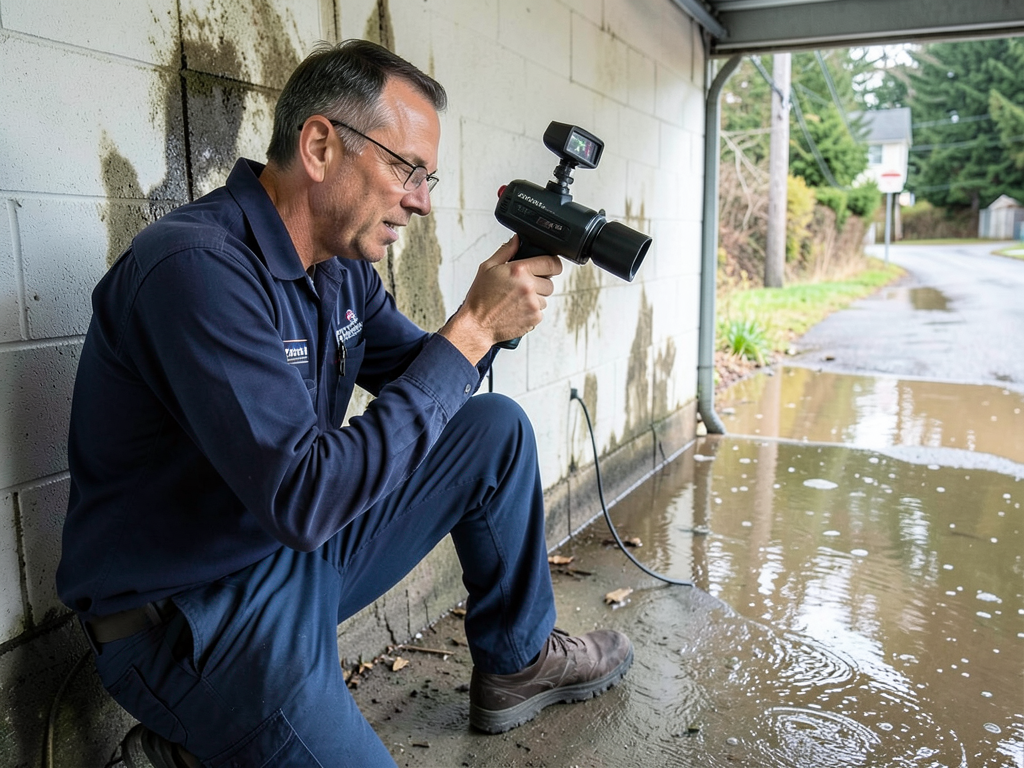
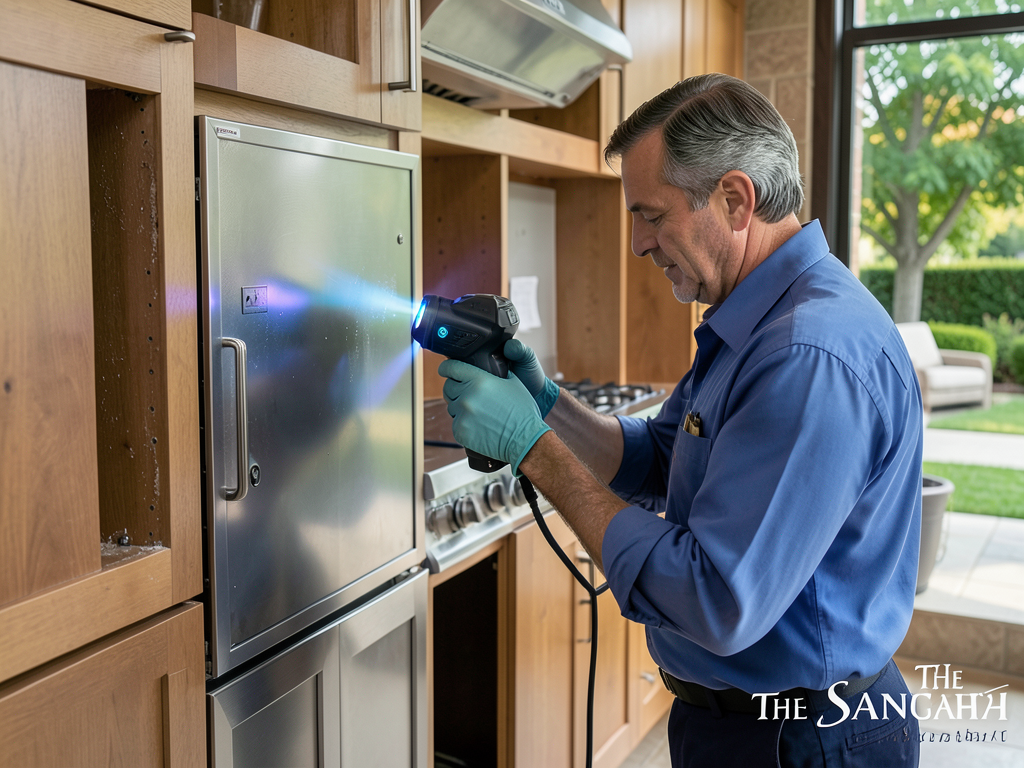
Equipment matters more than most people realize. Selecting a water damage contractor means inspecting their tools. Low-grain refrigerant dehumidifiers work differently than desiccant dehumidifiers. Air movers should be positioned based on airflow patterns, not randomly scattered across rooms. Thermal imaging cameras detect hidden moisture in wall cavities without destructive demolition. Moisture meters must be pin-type for wood and pinless for tile and concrete. If a contractor shows up with box fans from Home Depot, walk away.

Documentation protocols reveal professionalism. Legitimate restoration companies create detailed moisture maps. They measure and record readings at multiple locations daily. They photograph the loss site before, during, and after mitigation. This documentation protects you during insurance negotiations. It proves the scope of damage and validates the restoration timeline. Cornerstone Water Damage Restoration Charlotte maintains chain-of-custody records for every job because insurance adjusters demand verifiable data.

Vetting restoration contractors also means confirming their relationships with engineers and industrial hygienists. Complex losses require third-party oversight. Can the contractor coordinate with an environmental consultant if mold testing becomes necessary? Do they have established protocols for sewage contamination, which requires Category 3 biohazard procedures? These capabilities distinguish experienced firms from startups.

What Happens When You Vet a Water Restoration Contractor

Choosing a Restoration Company in Charlotte – Your Guide to Vetting Contractors After Water Damage
01

Initial Contact and Response Evaluation

Call multiple companies and assess their intake process. Professional firms ask specific questions about the water source, affected square footage, and building type. They explain the difference between clean water, gray water, and black water because each requires different safety protocols. They offer emergency response within two to four hours for active losses. During this call, notice whether they discuss insurance coordination or simply quote flat rates. Quality contractors work directly with adjusters.
02

Verification of Credentials and Insurance

Request proof of general liability insurance and workers' compensation coverage before allowing anyone on your property. Ask about IICRC certifications. Water Restoration Technician and Applied Structural Drying Technician credentials demonstrate formal training. Check their standing with the Better Business Bureau and confirm they hold a North Carolina contractor license. Verify they carry proper bonding if the job requires reconstruction beyond mitigation. This step prevents liability issues if a worker gets injured on your property.
03

Assessment Report and Scope Agreement

A thorough assessment produces a written report with moisture readings, affected materials inventory, and a detailed scope of work. This document should outline the drying strategy, expected timeline, and equipment placement plan. It should reference IICRC standards and include a psychrometric chart interpretation. Review this report carefully before authorizing work. Reputable contractors explain their methodology without pressuring you to sign immediately. This transparency protects both parties and establishes clear expectations for the restoration process.

Why Local Expertise Matters for Charlotte Water Damage Restoration

Charlotte sits at the intersection of Piedmont clay soil and humid subtropical weather patterns. This combination creates unique structural challenges. The expansive clay soil shifts with moisture content changes. During wet periods, it swells and pushes against foundation walls. During droughts, it contracts and creates gaps. When water damage occurs in homes with crawl spaces, that clay holds moisture for weeks, creating a vapor source that migrates upward through floor systems. A contractor unfamiliar with this phenomenon will dry the interior but miss the subfloor moisture problem.

Local building codes also influence restoration strategy. Mecklenburg County requires specific ventilation standards for crawl spaces and attics. Many older Charlotte homes predate modern building codes, which means they lack vapor barriers or proper grading. A restoration contractor must understand how to bring these structures into compliance during the repair process. Insurance companies often require code upgrades when damage exceeds certain thresholds.

Hurricane season presents another local consideration. When tropical systems stall over the Carolinas, Charlotte experiences days of sustained rainfall. Stormwater overwhelms aging drainage infrastructure in neighborhoods like Plaza Midwood and NoDa. This creates groundwater intrusion through basement walls and slab edges. Contractors need experience with hydrostatic pressure mitigation and foundation waterproofing, not just surface water extraction.

Cornerstone Water Damage Restoration Charlotte has worked with local insurance adjusters, property managers, and engineering firms for years. We understand how State Farm processes claims differently than Allstate. We know which local environmental consultants provide credible mold assessments. We have relationships with structural engineers familiar with Charlotte's Historic District renovation requirements. This network accelerates your recovery timeline and reduces coordination headaches during an already stressful situation.

What to Expect When Working With a Professional Restoration Company

Emergency Response and Initial Containment

Professional companies dispatch crews within two to four hours of your call. The initial response focuses on stopping additional damage. Technicians shut off water sources, extract standing water with truck-mounted pumps, and establish containment barriers to prevent cross-contamination. They place air movers and dehumidifiers strategically based on airflow modeling. They document the loss site with photos and moisture readings. This first response determines whether you face a three-day drying project or a two-week ordeal with reconstruction. Speed matters because every hour of delay increases secondary damage exposure and potential mold growth. The faster you act, the more salvageable materials remain.

Daily Monitoring and Adjustment

Proper drying requires daily site visits. Technicians take moisture readings at the same locations each day, tracking progress toward drying goals. They adjust equipment placement as moisture migrates through building materials. They monitor humidity levels using thermo-hygrometers and compare readings against psychrometric calculations. If progress stalls, they investigate hidden moisture pockets using thermal imaging. This daily oversight prevents the guesswork that leads to incomplete drying. You receive written documentation of each visit with dated readings and photos. This creates a defensible record for insurance purposes and proves the contractor followed industry standards throughout the mitigation process.

Completion Verification and Clearance

Drying is complete when moisture readings stabilize at or below equilibrium moisture content for three consecutive days. The contractor provides a completion certificate documenting final readings across all affected areas. This certificate is crucial for insurance claim closure and protects you from future liability. If the loss involved sewage or significant mold growth, a third-party environmental consultant performs post-remediation verification testing. The contractor should coordinate this testing and provide access to the consultant. Only after receiving clearance should reconstruction begin. Rushing this step to save a few days creates long-term problems that cost exponentially more to fix later.

Insurance Coordination and Documentation Support

Experienced restoration companies work directly with insurance adjusters throughout the claim process. They provide detailed loss inventories, equipment logs, and labor documentation formatted for adjuster review. They explain technical findings in terms adjusters understand, bridging the gap between construction science and insurance policy language. They attend adjuster site visits and advocate for proper scope inclusion. This coordination removes burden from homeowners who lack experience negotiating with insurance companies. The contractor should provide you with copies of all communications and documentation submitted to your insurer. This transparency ensures you understand claim progression and can intervene if disputes arise over coverage or scope.

Frequently Asked Questions

You Have Questions,
We Have Answers

How Charlotte's Clay Soil and Humidity Affect Water Damage Restoration Decisions

Charlotte's red clay soil contains high concentrations of kaolinite and montmorillonite. These minerals absorb water and expand significantly, creating hydrostatic pressure against foundation walls. When your basement floods or a crawl space fills with water, that clay becomes saturated. It holds moisture for weeks, even after surface water disappears. A contractor unfamiliar with this phenomenon will dry your interior spaces but ignore the soil moisture source beneath the structure. This leads to recurring humidity problems and microbial growth. Selecting a water damage contractor means finding someone who understands vapor barriers, dehumidification of enclosed spaces, and soil moisture management specific to Piedmont geology. The wrong approach leaves you with a chronic moisture problem disguised as a completed restoration.

Charlotte's construction history creates another vetting challenge. Homes built before 1980 often lack proper moisture barriers. Crawl spaces were vented according to old building science that we now know was flawed. Newer construction uses closed-cell spray foam and sealed crawl space systems. A restoration contractor must adapt their drying strategy to the building's actual construction methods. Mecklenburg County building inspectors enforce specific standards during restoration work that involves structural repairs. Hiring a water mitigation service familiar with these local requirements prevents permit delays and failed inspections. Cornerstone Water Damage Restoration Charlotte maintains relationships with county inspectors and engineers, which accelerates approval timelines when reconstruction requires stamped drawings or code variance applications.
Water Damage Restoration Services in The Charlotte Area

Cornerstone is proud to serve Charlotte and the surrounding areas, providing rapid and reliable water damage restoration services when you need them most. Our commitment extends to ensuring properties across our service region receive expert care. You can find our main office located conveniently, allowing us to quickly dispatch our teams to your location and address your water damage emergencies with efficiency and professionalism. We are always ready to assist you.

Address:
Cornerstone Water Damage Restoration Charlotte, 222 Baldwin Ave, Charlotte, NC, 28204

Additional Services We Offer

Our news updates

Latest Articles & News from The Blogs

The Best Smart Leak Detectors to Prevent Water Damage in Ballantyne Water damage strikes Ballantyne homes every day from burst…

The Best Smart Leak Detectors to Prevent Water Damage in Ballantyne

The Best Smart Leak Detectors to Prevent Water Damage in Ballantyne Water damage strikes Ballantyne homes every day from burst…

Safeguarding Expensive Home Theater Gear from Water Damage in Myers Park

Safeguarding Expensive Home Theater Gear from Water Damage in Myers Park Myers Park’s stately homes and finished basements create the…

Common Health Symptoms That Might Point to Hidden Water Damage in Your Home

Common Health Symptoms That Might Point to Hidden Water Damage in Your Home Water damage in your Charlotte home often…

Contact Us

You need answers now, not sales pitches. Call Cornerstone Water Damage Restoration Charlotte at (980) 342-9955 for a no-pressure consultation. We explain our credentials, walk you through our assessment process, and provide transparent documentation. You deserve a contractor who earns your trust through expertise, not urgency tactics.