The Surprising Link Between Hard Water and Sudden Pipe Failures in Indian Land Homes
Indian Land homeowners are discovering that their water quality is causing more than just spotty dishes and dry skin. The region’s notoriously hard water is silently destroying plumbing systems from the inside out, leading to sudden pipe failures that can flood homes within minutes. Understanding this connection between mineral-rich water and pipe deterioration is the first step in protecting your property from costly water damage emergencies. Specialized Water Damage Restoration for Historic Homes in Dilworth.
The problem begins with water chemistry. Indian Land’s municipal water supply contains high levels of dissolved calcium and magnesium minerals. While these minerals aren’t harmful to drink, they create a perfect storm for pipe corrosion and scale buildup that gradually weakens your entire plumbing infrastructure. What starts as a minor inconvenience can quickly escalate into a catastrophic failure when pressure builds beyond the pipe’s compromised capacity. Rapid Water Extraction and Drying for Properties Near Lake Norman.
Understanding Indian Land’s Hard Water Problem
Indian Land water hardness typically measures between 12 to 18 grains per gallon (GPG), significantly above the 7 GPG threshold that water quality experts consider “hard.” This mineral concentration is comparable to many areas across the Charlotte metropolitan region, but Indian Land’s specific geological conditions make the problem particularly severe.
The area sits atop ancient limestone bedrock that naturally leaches calcium and magnesium into groundwater sources. As this mineral-rich water travels through aging municipal infrastructure and into your home’s pipes, it leaves behind microscopic deposits that accumulate over time. These deposits don’t just coat pipe interiors; they create microscopic stress points where corrosion accelerates.
According to recent water quality reports from the Catawba-Wateree Water Supply Project, Indian Land’s water supply contains approximately 200 to 300 parts per million of dissolved minerals. This concentration creates ideal conditions for scale formation that can reduce pipe diameter by up to 75% over a 10-year period, dramatically increasing water pressure and the risk of sudden failure. Sump Pump Failure Cleanup and Repair in the Elizabeth Neighborhood.
How Hard Water Destroys Your Plumbing System
The chemical process begins when calcium carbonate and magnesium compounds precipitate out of solution and adhere to pipe walls. This scale buildup creates a rough, uneven surface that disrupts smooth water flow. As water velocity increases through these narrowed passages, turbulence causes additional mineral deposits to accumulate faster.
Over time, this scale creates a vicious cycle. The rougher the interior surface becomes, the more minerals stick to it. Within five to seven years, pipes that once had a smooth 1-inch diameter might effectively carry water through a passage less than 0.25 inches wide. This restriction doesn’t just reduce water pressure; it creates dangerous pressure differentials throughout your plumbing system.
The scale also acts as an insulator, trapping heat in water heaters and causing them to work harder. This extra heat accelerates mineral precipitation, creating a feedback loop that can destroy a water heater’s efficiency within 3 to 5 years instead of the typical 8 to 12-year lifespan. The same process affects dishwashers, washing machines, and any appliance that uses water.
Perhaps most critically, scale buildup creates microscopic stress points where metal fatigue occurs. These weak spots eventually develop into pinhole leaks that can burst under pressure. A pipe that appears structurally sound on the outside may have a paper-thin wall where scale has concentrated corrosive activity.
5 Warning Signs of Hard Water Pipe Damage
Recognizing the early warning signs of hard water damage can prevent a minor plumbing issue from becoming a major restoration emergency. Here are the five most common indicators that your Indian Land home may be experiencing scale-related pipe deterioration.
First, listen for unusual sounds in your plumbing. Scale buildup creates rough surfaces that cause water to flow turbulently rather than smoothly. This turbulence produces distinctive knocking, banging, or whistling sounds when faucets are turned on or toilets refill. These noises often indicate restricted flow and pressure irregularities.
Second, watch for fluctuating water pressure. If your shower pressure varies dramatically or multiple fixtures can’t run simultaneously without significant pressure drops, scale buildup may be restricting flow through your pipes. This inconsistent pressure also stresses pipe joints and connections, creating additional failure points.
Third, inspect fixtures for visible scale deposits. White, chalky buildup around faucets, showerheads, and drains indicates the same mineral concentration flowing through your pipes. If you can see scale on the outside of fixtures, it’s certainly accumulating inside your plumbing.
Fourth, monitor your water bills. Scale buildup forces your water heater and other appliances to work harder, increasing energy consumption. Additionally, restricted pipes may cause slow leaks that waste water continuously. A sudden unexplained increase in your water bill often signals developing plumbing problems.
Fifth, check for water quality changes. If your water develops a metallic taste, cloudy appearance, or leaves unusual residue on dishes and clothing, mineral concentration may be increasing due to scale sloughing off pipe walls or corrosion accelerating.
From Minor Leak to Major Flood: The Failure Cascade
When hard water damage progresses unchecked, the transition from a minor plumbing issue to a major water damage emergency can occur in minutes. Understanding this failure cascade helps explain why professional restoration services are often necessary even for what appears to be a simple pipe leak.
The process typically begins with a small pinhole leak where scale-induced corrosion has weakened pipe walls. These leaks often start so small they produce just a few drops per minute, easily hidden behind walls or under floors. However, the constant moisture creates ideal conditions for mold growth within 24 to 48 hours.
As the leak continues, water seeps into building materials. Drywall absorbs moisture like a sponge, wood framing swells and warps, and insulation becomes saturated. Within 72 hours, structural damage begins affecting load-bearing components. The constant moisture also attracts pests and accelerates wood rot.
The real danger emerges when the initial pinhole leak becomes a full break. Scale buildup creates stress concentrations that make pipes more susceptible to pressure surges from water hammer, temperature changes, or municipal supply fluctuations. When a weakened section finally fails completely, water can flow at rates of 5 to 10 gallons per minute, flooding an average room in under 10 minutes.
This sudden failure transforms a minor maintenance issue into a Category 3 water damage emergency requiring professional restoration. The contaminated water, structural damage, and mold growth create health hazards that extend far beyond the original plumbing problem.
Professional Restoration vs. Simple Plumbing Repair
Many Indian Land homeowners make the mistake of calling a plumber when they should be calling a restoration specialist. Understanding when you need comprehensive water damage restoration versus simple pipe repair can save thousands in long-term costs and prevent recurring problems. EPA WaterSense Program.
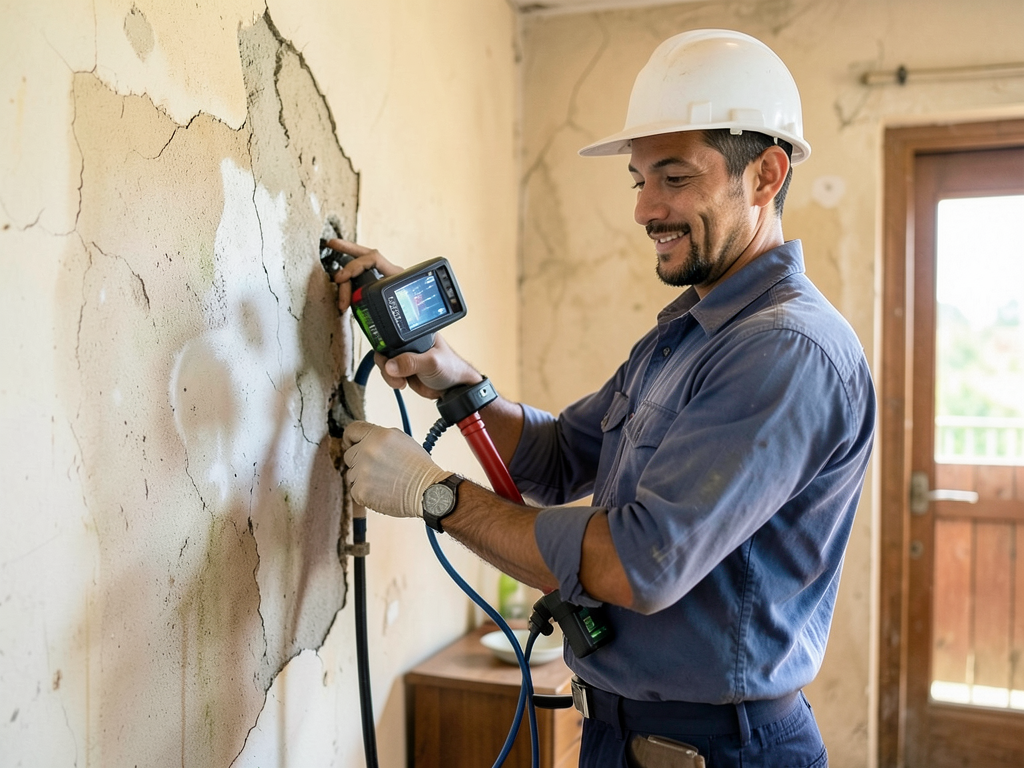
A qualified restoration team follows IICRC S500 standards for water damage mitigation. This process begins with moisture detection using thermal imaging and moisture meters to identify all affected areas, not just visible damage. Often, water travels along structural members or through wall cavities, creating hidden damage zones that require professional assessment. IICRC S500 Standard.
The restoration process includes water extraction using commercial-grade equipment that removes moisture far more effectively than household wet vacuums. High-velocity air movers and industrial dehumidifiers then dry the structure to prevent mold growth and secondary damage. This equipment can remove gallons of moisture per day from wall cavities and subfloors.
Professional teams also handle the insurance documentation process, providing detailed damage assessments and repair estimates that insurance companies require. They can identify pre-existing conditions, document the cause of damage, and ensure all necessary repairs meet local building codes.
Most importantly, restoration specialists address the root cause. While a plumber might replace a broken pipe, a restoration team evaluates your entire plumbing system’s condition, recommends water treatment solutions, and ensures the repaired area won’t experience recurring problems. This comprehensive approach prevents the “fix and fail again” cycle common with simple plumbing repairs.
Prevention Strategies and Long-Term Solutions
Protecting your Indian Land home from hard water damage requires a multi-faceted approach that combines immediate fixes with long-term prevention strategies. The most effective solution depends on your home’s age, plumbing material, and the severity of your water hardness problem.
Water softener installation represents the most comprehensive prevention strategy. Modern systems can remove up to 99% of calcium and magnesium before water enters your home’s plumbing. A properly sized system for Indian Land’s water hardness typically costs between $1,500 to $3,000 installed, but can extend plumbing life by 15 to 20 years and reduce appliance repair costs by up to 30%.
For homes with existing scale buildup, professional pipe descaling offers a middle-ground solution. This process uses specialized equipment to remove mineral deposits without replacing pipes. While not as permanent as water softening, descaling can restore flow capacity and extend pipe life by 5 to 8 years when combined with water treatment.
Regular plumbing inspections become crucial in hard water areas. Annual camera inspections can identify developing problems before they cause catastrophic failures. These inspections typically cost $200 to $400 but can prevent $5,000 to $20,000 in water damage repairs.
Consider pipe material upgrades for severe cases. PEX piping resists scale buildup better than copper or galvanized steel, while maintaining flexibility that reduces stress from temperature changes. Repiping a home typically costs $2 to $5 per square foot but eliminates recurring scale problems entirely.
Simple maintenance steps also help. Installing whole-house sediment filters removes particulate matter that accelerates scale formation. Regular water heater flushing prevents bottom sediment buildup. Even something as simple as wiping down fixtures to prevent mineral deposits can reduce the rate of scale formation. Steps to Take After a Flood.
When to Call for Emergency Restoration Services
Knowing when to escalate from DIY solutions to professional emergency services can prevent minor water damage from becoming a major restoration project. Here are the critical scenarios that require immediate professional intervention.
Call immediately if you discover water that has been present for more than 24 hours. By this point, mold growth has likely begun, and the water may have wicked into materials that require professional drying equipment. The longer water sits, the more extensive and expensive the damage becomes. What to Do Immediately if Your Ballantyne Basement Floods Tonight.
Act quickly if you notice water affecting electrical systems. Water and electricity create serious safety hazards, and DIY attempts to address both simultaneously risk electrocution. Professional teams have the training and equipment to handle these dangerous situations safely.
Seek professional help when water damage affects multiple rooms or floors. Water travels along the path of least resistance, often moving through walls, ceilings, and floors in ways that aren’t immediately visible. What appears to be a small problem may actually affect large portions of your home.
Don’t delay if you suspect sewage contamination. Any water that may contain bacteria or other contaminants requires specialized handling and disposal procedures. Professional restoration teams have the protective equipment and cleaning agents necessary to handle these hazardous situations.
Finally, call for help if you’re dealing with insurance claims. Professional restoration companies can document damage, provide detailed estimates, and communicate directly with insurance adjusters. This expertise often results in faster claim approval and more comprehensive coverage.
Remember that time is critical in water damage situations. Every hour that passes allows damage to spread and worsen. Having a trusted restoration company’s contact information readily available can mean the difference between a quick recovery and a months-long reconstruction project.
Local Building Codes and Insurance Considerations
Indian Land homeowners must navigate specific building codes and insurance requirements when addressing hard water damage. Understanding these regulations helps ensure repairs meet all necessary standards and insurance claims receive proper consideration.
Mecklenburg County and York County building codes require permits for most plumbing repairs involving pipe replacement or water heater installation. These permits ensure work meets current safety standards and passes inspection. Professional restoration companies typically handle permitting as part of their service, ensuring all work complies with local regulations.
North Carolina General Statute 44A-28 requires plumbing contractors to be licensed and insured. This protection ensures homeowners work with qualified professionals who carry liability insurance. Always verify licensing through the North Carolina Licensing Board for General Contractors before hiring any plumbing or restoration service.
Insurance coverage for hard water damage varies significantly. Sudden pipe bursts are typically covered under standard homeowners policies, while gradual damage from long-term neglect may be denied. The key distinction often lies in whether the homeowner could have reasonably prevented the damage through proper maintenance.
Many insurance companies now require proof of water treatment systems for coverage in areas with known hard water problems. Installing a water softener or whole-house filter may be necessary to maintain comprehensive coverage, especially for homes over 10 years old.
Documenting your prevention efforts becomes crucial for insurance claims. Keep receipts for water treatment systems, maintenance records for plumbing inspections, and photos of any visible scale buildup. This documentation demonstrates your proactive approach to preventing damage and strengthens your position if you need to file a claim.
Understanding these requirements before damage occurs helps you make informed decisions about prevention and ensures you’re prepared if an emergency does happen. Professional restoration companies familiar with local codes can guide you through these requirements and help you maintain compliance.
The Financial Impact of Hard Water Damage
The true cost of hard water damage extends far beyond the immediate repair expenses. Understanding the full financial impact helps justify prevention investments and explains why professional restoration often proves more economical than DIY approaches.
Direct repair costs for a typical pipe burst range from $2,000 to $8,000, depending on location and extent of damage. However, these figures often represent only the visible damage. Hidden moisture in walls, under floors, and in ceiling cavities can add $3,000 to $10,000 to restoration costs if not addressed promptly.
Secondary damage costs multiply quickly. Mold remediation typically costs $15 to $30 per square foot, meaning a 200-square-foot affected area could cost $3,000 to $6,000 to properly clean and restore. If mold spreads to HVAC systems, remediation costs can exceed $10,000.
Property value impacts represent another consideration. Water damage, even when properly repaired, can reduce home values by 5% to 15% according to real estate assessments. Homes with documented water damage histories often take longer to sell and may require price reductions.
Insurance premium increases following water damage claims average 15% to 25% and can last for 3 to 5 years. Multiple claims within a short period may result in policy non-renewal, forcing homeowners to seek coverage from high-risk insurers at significantly higher rates.
Prevention costs pale in comparison to these potential expenses. A quality water softener system costs $1,500 to $3,000 installed but can prevent $20,000 to $50,000 in potential damage over a 15-year period. Annual maintenance costs of $200 to $400 represent insurance against much larger expenses.
When evaluating hard water solutions, consider the return on investment timeline. Most prevention strategies pay for themselves within 3 to 5 years through reduced repair costs, lower utility bills, and extended appliance life. After this break-even point, prevention measures generate pure savings.
Conclusion: Protecting Your Indian Land Home
Hard water represents a silent threat to Indian Land homes, gradually destroying plumbing systems and creating conditions for sudden, catastrophic failures. Understanding this connection between water chemistry and pipe deterioration empowers homeowners to take proactive steps that prevent costly damage and protect their property investments.
The evidence is clear: Indian Land’s mineral-rich water supply creates ideal conditions for scale buildup that restricts flow, increases pressure, and accelerates pipe corrosion. Homes in the area face higher risks of sudden pipe failures compared to regions with softer water supplies. However, this risk can be effectively managed through a combination of prevention, early detection, and professional intervention when necessary.
Don’t wait for a minor leak to become a major flood. If you’re experiencing any of the warning signs discussed in this article, or if your home is over 10 years old with original plumbing, consider scheduling a professional inspection. The cost of prevention is always less than the cost of emergency restoration.
Call (980) 342-9955 today to schedule your comprehensive plumbing assessment and learn how we can help protect your Indian Land home from hard water damage. Our experienced team understands the unique challenges of our local water supply and can recommend solutions tailored to your specific situation. Don’t let hard water destroy your home’s plumbing system and your peace of mind.
Frequently Asked Questions
How can I test my home’s water hardness level?
Professional water testing provides the most accurate results, typically measuring grains per gallon and total dissolved solids. Many hardware stores also sell simple test strips that give approximate hardness readings. For Indian Land homes, expect readings between 12 to 18 GPG, which indicates hard to very hard water requiring treatment.
Will a water softener eliminate all hard water problems?
Water softeners remove up to 99% of calcium and magnesium, dramatically reducing scale formation. However, existing scale in pipes won’t disappear immediately. Softened water will prevent new buildup and gradually dissolve existing deposits over several months, but severe cases may require professional descaling for immediate improvement.
How long does it take for hard water to damage pipes?
Scale buildup typically becomes problematic within 5 to 7 years in Indian Land’s hard water conditions. Minor flow restrictions may appear within 2 to 3 years, while significant scale accumulation that threatens pipe integrity usually develops over 7 to 10 years. Regular inspections can identify problems before they cause failures.
Can I claim insurance for hard water damage?
Sudden pipe bursts from hard water scale are typically covered under standard homeowners policies. However, insurance companies may deny claims for damage they consider preventable through proper maintenance. Installing water treatment systems and documenting prevention efforts strengthens your position if you need to file a claim for hard water-related damage.
{
“@context”: “https://schema.org”,
“@type”: “BlogPosting”,
“headline”: “The Surprising Link Between Hard Water and Sudden Pipe Failures in Indian Land Homes”,
“description”: “Discover how Indian Land’s hard water silently destroys pipes through mineral buildup. Learn warning signs, prevention tips, and when to call for emergency restoration.”,
“wordCount”: 2982,
“datePublished”: “2026-06-11T11:30:00.000Z”,
“dateModified”: “2026-06-11T11:30:00.000Z”,
“inLanguage”: “en-US”,
“mainEntityOfPage”: {
“@type”: “WebPage”,
“@id”: “https://cornerstonewaterdamagerestorationcharlotte.com”
},
“publisher”: {
“@type”: “LocalBusiness”,
“name”: “Cornerstone Water Damage Restoration Charlotte”,
“url”: “https://cornerstonewaterdamagerestorationcharlotte.com”
},
“author”: {
“@type”: “Organization”,
“name”: “Cornerstone Water Damage Restoration Charlotte”,
“url”: “https://cornerstonewaterdamagerestorationcharlotte.com”
},
“image”: {
“@type”: “ImageObject”,
“url”: “https://cornerstonewaterdamagerestorationcharlotte.com/wp-content/uploads/2026/03/the-surprising-link-between-hard-water-and-sudden-1.png”
}
}
{
“@context”: “https://schema.org”,
“@type”: “LocalBusiness”,
“name”: “Cornerstone Water Damage Restoration Charlotte”,
“url”: “https://cornerstonewaterdamagerestorationcharlotte.com”,
“address”: {
“@type”: “PostalAddress”,
“addressLocality”: “Charlotte”
},
“areaServed”: {
“@type”: “City”,
“name”: “Charlotte”
}
}
{
“@context”: “https://schema.org”,
“@type”: “FAQPage”,
“mainEntity”: [
{
“@type”: “Question”,
“name”: “How can I test my home’s water hardness level?”,
“acceptedAnswer”: {
“@type”: “Answer”,
“text”: “Professional water testing provides the most accurate results, typically measuring grains per gallon and total dissolved solids. Many hardware stores also sell simple test strips that give approximate hardness readings. For Indian Land homes, expect readings between 12 to 18 GPG, which indicates hard to very hard water requiring treatment.”
}
},
{
“@type”: “Question”,
“name”: “Will a water softener eliminate all hard water problems?”,
“acceptedAnswer”: {
“@type”: “Answer”,
“text”: “Water softeners remove up to 99% of calcium and magnesium, dramatically reducing scale formation. However, existing scale in pipes won’t disappear immediately. Softened water will prevent new buildup and gradually dissolve existing deposits over several months, but severe cases may require professional descaling for immediate improvement.”
}
},
{
“@type”: “Question”,
“name”: “How long does it take for hard water to damage pipes?”,
“acceptedAnswer”: {
“@type”: “Answer”,
“text”: “Scale buildup typically becomes problematic within 5 to 7 years in Indian Land’s hard water conditions. Minor flow restrictions may appear within 2 to 3 years, while significant scale accumulation that threatens pipe integrity usually develops over 7 to 10 years. Regular inspections can identify problems before they cause failures.”
}
},
{
“@type”: “Question”,
“name”: “Can I claim insurance for hard water damage?”,
“acceptedAnswer”: {
“@type”: “Answer”,
“text”: “Sudden pipe bursts from hard water scale are typically covered under standard homeowners policies. However, insurance companies may deny claims for damage they consider preventable through proper maintenance. Installing water treatment systems and documenting prevention efforts strengthens your position if you need to file a claim for hard water-related damage.”
}
}
]
}
{
“@context”: “https://schema.org”,
“@type”: “BreadcrumbList”,
“itemListElement”: [
{
“@type”: “ListItem”,
“position”: 1,
“name”: “Home”,
“item”: “https://cornerstonewaterdamagerestorationcharlotte.com”
},
{
“@type”: “ListItem”,
“position”: 2,
“name”: “Blog”,
“item”: “https://cornerstonewaterdamagerestorationcharlotte.com/blog”
},
{
“@type”: “ListItem”,
“position”: 3,
“name”: “The Surprising Link Between Hard Water and Sudden Pipe Failures in Indian Land Homes”
}
]
}
{
“@context”: “https://schema.org”,
“@type”: “Service”,
“serviceType”: “Water Damage Restoration”,
“provider”: {
“@type”: “LocalBusiness”,
“name”: “Cornerstone Water Damage Restoration Charlotte”,
“url”: “https://cornerstonewaterdamagerestorationcharlotte.com”
},
“areaServed”: {
“@type”: “City”,
“name”: “Charlotte”
},
“description”: “Discover how Indian Land’s hard water silently destroys pipes through mineral buildup. Learn warning signs, prevention tips, and when to call for emergency restoration.”
}