




Menu

Understanding Mold Toxicity in Charlotte – Recognize the Warning Signs Before Health Complications Escalate

Learn how to identify mold illness symptoms, black mold health risks, and mycotoxin exposure effects in Charlotte's humid climate before they compromise your family's respiratory health and long-term wellness.

Slider Image 1
Slider Image 2
Slider Image 3
Slider Image 4
Slider Image 5
Slider Image 7
Slider Image 8
Slider Image 9
Slider Image 10
Slider Image 11

Why Charlotte Homeowners Face Elevated Mold Toxicity Risks

Charlotte's subtropical humidity creates ideal conditions for mold growth year-round. Summer humidity regularly exceeds 70%, while the area's clay soil retains moisture against foundation walls. This combination accelerates mold colonization in crawl spaces, attics, and behind drywall.

Mold illness symptoms often mimic seasonal allergies, which delays recognition. Residents experience chronic coughing, sinus congestion, and fatigue without connecting these signs to indoor air quality. Black mold health risks intensify when Stachybotrys chartarum colonizes water-damaged building materials. This species produces mycotoxins that trigger inflammatory responses in the respiratory system.

Effects of mold exposure accumulate over time. Initial symptoms include headaches and eye irritation. Prolonged exposure leads to cognitive fog, chronic respiratory infections, and immune system suppression. Children and elderly residents face heightened vulnerability.

Signs of mold poisoning extend beyond respiratory complaints. You may notice skin rashes, joint pain, or unexplained mood changes. Mycotoxin illness disrupts normal cellular function, creating systemic inflammation that affects multiple organ systems.

Charlotte's older housing stock compounds the problem. Homes built before modern moisture barriers often trap humidity in wall cavities. Inadequate attic ventilation allows condensation to saturate insulation. Foundation cracks common in our clay soil provide entry points for groundwater. These structural vulnerabilities create hidden mold reservoirs that release spores into living spaces for months before visible growth appears.

Recognition is your first defense. Understanding the connection between your symptoms and indoor mold exposure enables faster intervention before health complications become chronic.

Why Charlotte Homeowners Face Elevated Mold Toxicity Risks
How Professional Mold Assessment Identifies Toxicity Sources

How Professional Mold Assessment Identifies Toxicity Sources

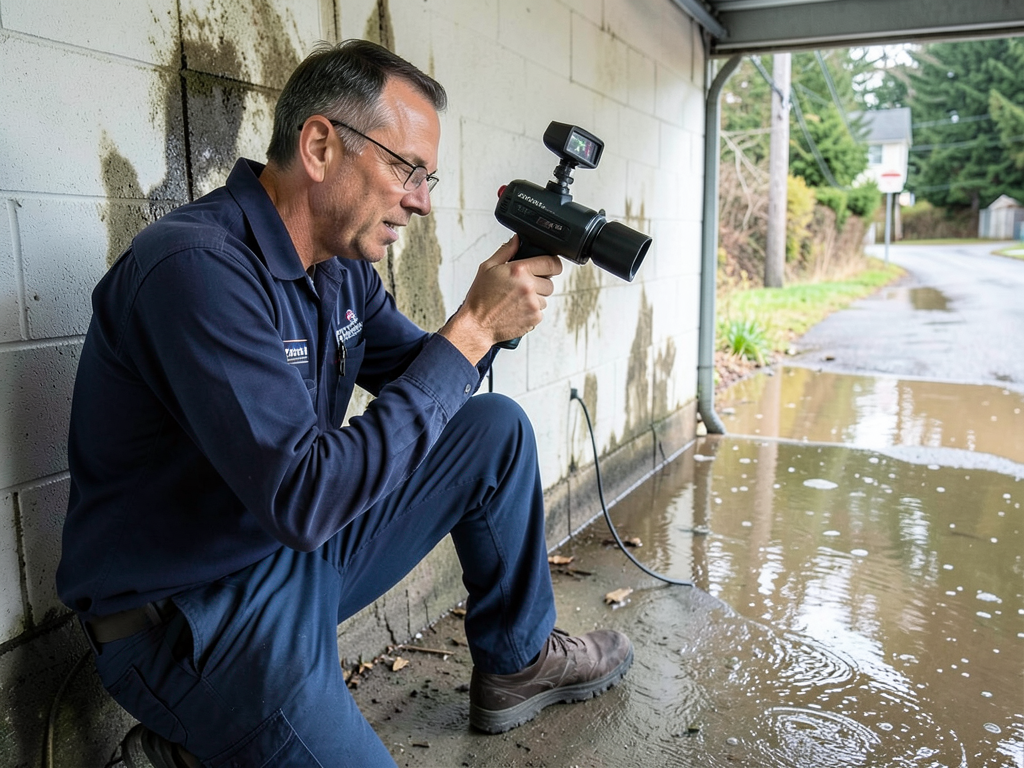
Surface-level inspection misses the majority of mold problems. Professional assessment uses moisture meters to detect elevated readings inside wall cavities and beneath flooring. Readings above 17% moisture content indicate active mold growth potential. Thermal imaging cameras reveal temperature differentials that signal hidden water intrusion and condensation patterns.

Air sampling captures airborne spore concentrations in different rooms. Lab analysis identifies specific mold species and quantifies spore counts per cubic meter. This data distinguishes between normal background levels and hazardous concentrations. Stachybotrys, Aspergillus, and Penicillium species each produce different mycotoxins with distinct health impacts.

Surface sampling from HVAC ducts, return vents, and wall cavities collects specimens for culture analysis. This reveals colonization inside building systems that continuously circulate contaminated air. Many Charlotte homes show elevated spore counts in return air compared to supply air, confirming HVAC systems are distributing mold throughout the structure.

Moisture mapping documents all areas with elevated humidity. Crawl spaces often exceed 60% relative humidity due to inadequate vapor barriers over exposed soil. Attics reach saturation during temperature swings when warm interior air meets cold roof decking. Bathrooms without exhaust fans trap steam inside wall cavities.

Post-remediation verification testing confirms successful removal. Spore counts should return to levels matching outdoor ambient air. Moisture readings must drop below 15% in all previously affected areas. This documentation protects your investment and confirms the indoor environment no longer supports mold growth.

Cornerstone Water Damage Restoration Charlotte uses this systematic approach to identify every contamination source before remediation begins.

What Happens During a Mold Toxicity Evaluation

Understanding Mold Toxicity in Charlotte – Recognize the Warning Signs Before Health Complications Escalate
01

Initial Health Correlation Assessment

The evaluation begins by documenting your health symptoms and their timeline. Technicians correlate symptom onset with water damage events, HVAC changes, or seasonal patterns. This establishes whether your respiratory complaints, cognitive issues, or skin reactions align with mold exposure profiles. Humidity levels in sleeping areas and primary living spaces receive priority attention since you spend the most time in these zones.
02

Comprehensive Environmental Testing

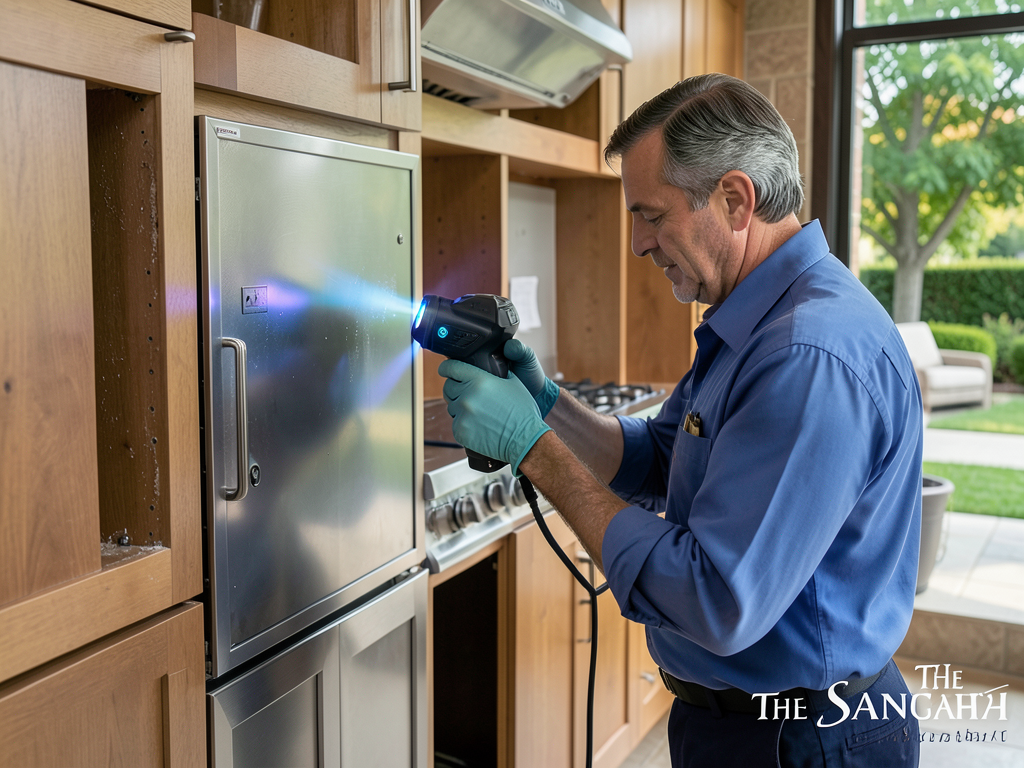
Technicians collect air samples from multiple rooms and compare them against outdoor baseline readings. Surface samples from HVAC components, window sills, and suspected growth areas undergo laboratory analysis. Moisture meters probe walls, ceilings, and floors to map hidden water intrusion. Thermal imaging identifies temperature anomalies indicating air leaks or condensation zones. This multi-point data collection reveals both active growth and conditions supporting future colonization.
03

Findings Report and Action Plan

You receive laboratory results identifying specific mold species, spore concentrations, and moisture readings for each tested area. The report explains which findings pose immediate health risks versus long-term concerns. A prioritized remediation plan addresses critical contamination first, followed by moisture control improvements and preventive measures. This roadmap gives you clear direction whether you need emergency remediation or can schedule work during planned renovations.

Why Charlotte Residents Trust Local Mold Expertise

Charlotte's specific climate challenges require local knowledge that national chains cannot replicate. Our technicians understand how the Piedmont region's clay soil affects foundation moisture. They recognize how our summer humidity patterns differ from coastal areas, creating unique condensation problems in attics and crawl spaces.

Building codes in Mecklenburg County have evolved significantly over past decades. Homes in Dilworth, Myers Park, and Plaza Midwood built before 1980 lack vapor barriers and adequate ventilation systems. These historic neighborhoods require remediation approaches that preserve architectural character while addressing modern moisture control standards. Cookie-cutter solutions damage historic materials and fail inspections.

Local experience matters when coordinating with insurance adjusters familiar with Charlotte providers. Adjusters recognize our documentation standards and trust our moisture readings. This speeds claim approval and reduces disputes over coverage scope. National franchises often submit generic reports that local adjusters question or reject.

Cornerstone Water Damage Restoration Charlotte maintains relationships with local industrial hygienists, environmental consultants, and medical professionals who specialize in mold-related illness. We coordinate testing protocols and remediation verification with the same laboratories your physician uses for patient diagnostics. This integration ensures your health concerns and property restoration align.

We respond to South Charlotte, University area, and Lake Norman properties within the same timeframes. Our teams know which suppliers stock the specialized materials needed for your home's construction era. We understand permitting requirements for structural repairs and communicate directly with county inspectors.

Your neighbors face the same moisture challenges you do. We solve them using methods proven effective in Charlotte's specific environmental conditions, not generic protocols designed for different climates.

What to Expect From Professional Mold Toxicity Resources

Rapid Response for Health Concerns

When you suspect mold illness, time matters. We schedule initial assessments within 24 to 48 hours of your call. Emergency situations involving visible black mold growth or family members with acute respiratory symptoms receive same-day response. The assessment takes two to three hours depending on your home's size and complexity. You receive preliminary findings immediately, with full laboratory results within three to five business days. This timeline allows you to make informed decisions about temporary relocation if needed while remediation planning proceeds.

Comprehensive Diagnostic Evaluation

The evaluation includes visual inspection of all accessible areas, moisture readings from building materials, air quality sampling, and surface cultures from suspected contamination. Technicians photograph findings and document moisture levels in a detailed report. You learn which symptoms correlate with specific mold species found in your home. The assessment identifies whether your HVAC system distributes contamination and whether insulation or building materials require removal. This diagnostic phase establishes the scope before any demolition begins, preventing surprise costs during remediation.

Actionable Solutions and Priorities

You receive a written action plan ranking problems by health risk and structural impact. Critical issues like active Stachybotrys growth in living areas top the list. Secondary concerns like minor attic condensation receive lower priority. Each item includes an explanation of the health risk, the required fix, and the urgency level. This transparency lets you make decisions based on your family's health needs and budget. The plan separates immediate remediation from long-term moisture control improvements, so you understand what stops the current problem versus what prevents recurrence.

Verification Testing and Documentation

After remediation, independent laboratory testing confirms successful removal. Clearance testing uses the same protocols as initial assessment, comparing before and after spore counts. You receive documentation suitable for real estate transactions, insurance claims, or medical records. Post-remediation reports include moisture readings proving all materials dried to safe levels and air quality results showing spore counts returned to normal. This verification protects your investment and gives you confidence the problem is resolved, not just hidden behind new drywall.

Frequently Asked Questions

You Have Questions,
We Have Answers

What are the 10 warning signs of mold toxicity? +

Common warning signs include persistent respiratory issues like coughing and wheezing, chronic sinus congestion, frequent headaches, and unexplained fatigue. You may experience skin rashes, itchy eyes, or difficulty concentrating. Brain fog, memory problems, and mood changes are also indicators. Watch for increased sensitivity to light or sound, muscle aches, and digestive issues. In Charlotte's humid climate, these symptoms often worsen during summer months when indoor humidity rises. If you notice multiple symptoms that improve when you leave your home, mold exposure may be the cause. Consult a healthcare provider for proper diagnosis.

How do you know if you have mold toxicity in your body? +

Your body shows specific reactions to mold exposure. Track when symptoms appear and where you spend time. Keep a symptom journal noting respiratory issues, headaches, or fatigue patterns. Notice if you feel better away from certain buildings or rooms. Charlotte residents often see symptoms spike during humid months when mold growth accelerates. Blood tests can detect mold antibodies, while urine mycotoxin tests measure mold toxins in your system. A qualified physician can order these diagnostic tests. Environmental testing in your home confirms mold presence. Correlation between exposure location and symptom timing provides strong evidence of mold toxicity.

Can mold cause heartburn? +

Yes, mold exposure can trigger heartburn and acid reflux. Mold mycotoxins cause inflammation throughout your digestive system, weakening the lower esophageal sphincter that prevents stomach acid from rising. This inflammatory response disrupts normal digestive function. You may also experience increased stomach acid production as your immune system reacts to mold toxins. Charlotte's high humidity creates conditions where mold thrives in homes, particularly in basements and crawl spaces. If heartburn worsens at home but improves elsewhere, mold may be the underlying cause. Address the source through professional mold remediation and consult your doctor about persistent digestive symptoms.

Can mold cause migraines? +

Mold triggers migraines in many people. Mycotoxins cause neurological inflammation and histamine release, both migraine triggers. Volatile organic compounds released by mold colonies irritate the trigeminal nerve, which controls facial sensation and headache response. You may notice migraines increase in specific rooms or during Charlotte's humid summer months when mold growth peaks. Black mold and Stachybotrys produce particularly potent neurotoxins. People with existing migraine conditions often see frequency and severity worsen in mold-contaminated environments. Removing mold exposure typically reduces migraine occurrence. Track headache patterns relative to time spent in different locations to identify environmental triggers.

How to flush mold out of your system? +

Your body needs support to eliminate mold toxins. Drink plenty of filtered water to help kidneys flush mycotoxins. Support liver function with cruciferous vegetables and adequate protein. Increase fiber intake to bind toxins in your digestive tract. Sweating through exercise or sauna use helps excrete toxins through skin. Consider activated charcoal or bentonite clay under medical supervision to absorb toxins. Most importantly, stop ongoing exposure by addressing mold in your Charlotte home. Your body cannot detox faster than you are re-exposed. Work with a healthcare provider familiar with mold illness for proper treatment protocols and monitoring.

Can air purifiers remove mold spores? +

Air purifiers with HEPA filters capture airborne mold spores but do not solve the underlying problem. These devices trap particles down to 0.3 microns, which includes most mold spores. They provide temporary relief by reducing spore counts in treated rooms. However, air purifiers cannot eliminate mold colonies growing in walls, crawl spaces, or HVAC systems. In Charlotte's humid climate, active mold growth continues regardless of air filtration. Use purifiers as a supplemental measure while addressing the moisture source and removing contaminated materials. Professional mold remediation remains necessary to permanently resolve mold problems and protect your health.

What kills mold permanently? +

Nothing kills mold permanently if moisture remains. Effective mold elimination requires removing contaminated materials and controlling humidity below 50 percent. Professional remediation uses antimicrobial treatments, HEPA vacuuming, and proper containment to prevent spread. Porous materials like drywall and insulation must be removed and replaced. Hard surfaces can be treated with EPA-registered fungicides. Charlotte's climate demands proper dehumidification and ventilation to prevent regrowth. Fix water leaks, improve drainage around foundations, and ensure proper crawl space encapsulation. Killing surface mold without addressing moisture creates temporary results. Professional assessment identifies hidden growth and moisture sources you might miss.

How do I test myself for mold toxicity? +

Testing requires both environmental and medical assessment. Start with professional mold inspection of your home to confirm exposure. Air quality testing and surface samples identify mold types present. For personal testing, request a mycotoxin urine test from your healthcare provider to measure toxin levels in your body. Blood tests can detect mold-specific antibodies showing immune system response. Some doctors order organic acids testing to assess metabolic disruption from mold exposure. Charlotte physicians familiar with environmental illness provide the most comprehensive evaluation. Document your symptoms, their timing, and locations where they worsen. Combine environmental testing with medical diagnostics for complete assessment.

What does mold in a house make you feel like? +

Mold exposure creates a distinct pattern of symptoms. You feel persistently tired despite adequate sleep. Your thinking becomes foggy, and concentration requires extra effort. Sinus pressure builds without infection. You may experience a tight chest or persistent cough. Many people describe feeling worse at home and better when away. Charlotte residents often notice symptoms intensify during humid months. Your eyes may burn or water. Unexplained headaches become common. Some people develop increased sensitivity to smells or chemicals. The combination of respiratory, neurological, and fatigue symptoms distinguishes mold illness from other conditions. Trust your instincts if you consistently feel unwell in specific locations.

Can mold mess up your gut? +

Mold significantly disrupts gut health. Mycotoxins damage intestinal lining, causing increased permeability often called leaky gut. This allows undigested proteins and toxins into your bloodstream, triggering widespread inflammation. Mold toxins alter gut bacteria balance, killing beneficial microbes while allowing harmful bacteria and yeast to overgrow. You may experience bloating, diarrhea, constipation, or food sensitivities. The gut-brain connection means digestive disruption also affects mood and cognition. Charlotte's humid environment promotes mold growth that compounds these issues. Restoring gut health requires removing mold exposure, repairing intestinal damage, and rebalancing microbiome through targeted nutrition and possible probiotic therapy under medical guidance.

How Charlotte's Humidity and Clay Soil Create Year-Round Mold Toxicity Risks

Charlotte's average annual humidity of 71% keeps building materials in constant moisture stress. Clay soil surrounding foundations absorbs water during rain events, then releases it slowly into crawl spaces and against basement walls. This creates persistent dampness that standard dehumidifiers cannot control. Summer dew points regularly exceed 70 degrees, causing condensation on any surface below that temperature. Air conditioning ducts running through hot attics sweat continuously, dripping onto insulation and ceiling drywall. Understanding mold toxicity requires recognizing these regional factors that make Charlotte homes particularly vulnerable to mycotoxin-producing species.

Cornerstone Water Damage Restoration Charlotte trains technicians specifically on Piedmont region construction methods and climate challenges. We work with local industrial hygienists who understand how Mecklenburg County's building stock responds to our humidity patterns. Our remediation protocols account for the clay soil moisture transmission that affects every home built on a crawl space or basement foundation. This regional expertise ensures we address root causes instead of treating surface symptoms. National providers apply generic solutions that fail in Charlotte's specific conditions, leading to mold recurrence and continued health effects.
Water Damage Restoration Services in The Charlotte Area

Cornerstone is proud to serve Charlotte and the surrounding areas, providing rapid and reliable water damage restoration services when you need them most. Our commitment extends to ensuring properties across our service region receive expert care. You can find our main office located conveniently, allowing us to quickly dispatch our teams to your location and address your water damage emergencies with efficiency and professionalism. We are always ready to assist you.

Address:
Cornerstone Water Damage Restoration Charlotte, 222 Baldwin Ave, Charlotte, NC, 28204

Additional Services We Offer

Our news updates

Latest Articles & News from The Blogs

The Best Smart Leak Detectors to Prevent Water Damage in Ballantyne Water damage strikes Ballantyne homes every day from burst…

The Best Smart Leak Detectors to Prevent Water Damage in Ballantyne

The Best Smart Leak Detectors to Prevent Water Damage in Ballantyne Water damage strikes Ballantyne homes every day from burst…

Safeguarding Expensive Home Theater Gear from Water Damage in Myers Park

Safeguarding Expensive Home Theater Gear from Water Damage in Myers Park Myers Park’s stately homes and finished basements create the…

Common Health Symptoms That Might Point to Hidden Water Damage in Your Home

Common Health Symptoms That Might Point to Hidden Water Damage in Your Home Water damage in your Charlotte home often…

Contact Us

Your health symptoms may be telling you something important. Call (980) 342-9955 now for a comprehensive mold toxicity evaluation. We respond quickly to Charlotte area homes and provide the answers you need to protect your family's health.