




Menu

Water Mitigation vs Restoration in Charlotte – Know the Difference Before You Pay for the Wrong Service

Understanding water mitigation vs restoration helps Charlotte homeowners avoid costly mistakes and ensures you get the exact service your property needs after water damage strikes.

Slider Image 1
Slider Image 2
Slider Image 3
Slider Image 4
Slider Image 5
Slider Image 7
Slider Image 8
Slider Image 9
Slider Image 10
Slider Image 11

Why Charlotte Homeowners Confuse Water Mitigation and Restoration

When water floods your home, the chaos makes it hard to think straight. You search for help and find companies offering water mitigation, water restoration, water remediation, and water cleanup. The terms blur together.

Here's the problem. Most Charlotte homeowners assume these services are the same thing. They're not. Calling for the wrong service wastes time, delays critical work, and can cost you thousands in preventable damage.

The difference between water mitigation and restoration comes down to timing and scope. Water damage mitigation is the emergency phase. It's what happens first. We stop the damage from spreading. We extract standing water, set up industrial dehumidifiers, remove wet materials, and stabilize the environment. Mitigation prevents mold growth and structural deterioration. It's defensive.

Water restoration is the rebuild phase. It happens after mitigation. We repair drywall, replace flooring, repaint walls, and return your home to its pre-loss condition. Restoration is offensive. It puts your life back together.

In Charlotte's humid climate, the distinction matters more than you think. Our average summer humidity hovers near 70 percent. That moisture accelerates mold colonization. If you skip mitigation and jump straight to reconstruction, you'll trap moisture behind new drywall. Within 48 hours, mold starts growing. Within a week, you have a health hazard and a failed restoration project.

Water remediation vs restoration is another term pair you'll encounter. Remediation refers to removing contaminants like sewage or chemical spills. It overlaps with mitigation but focuses on safety and sanitation.

Understanding mitigation vs reconstruction is simple. Mitigation saves what you have. Reconstruction replaces what you lost.

Why Charlotte Homeowners Confuse Water Mitigation and Restoration
How Mitigation and Restoration Work Together

How Mitigation and Restoration Work Together

The water damage mitigation vs restoration question isn't about choosing one or the other. You need both. They're sequential phases of the same recovery process.

Mitigation starts the moment we arrive. We assess the category of water. Category 1 is clean water from a supply line. Category 2 is gray water from appliances or toilets. Category 3 is black water from sewage or flooding. The category determines our safety protocol and equipment.

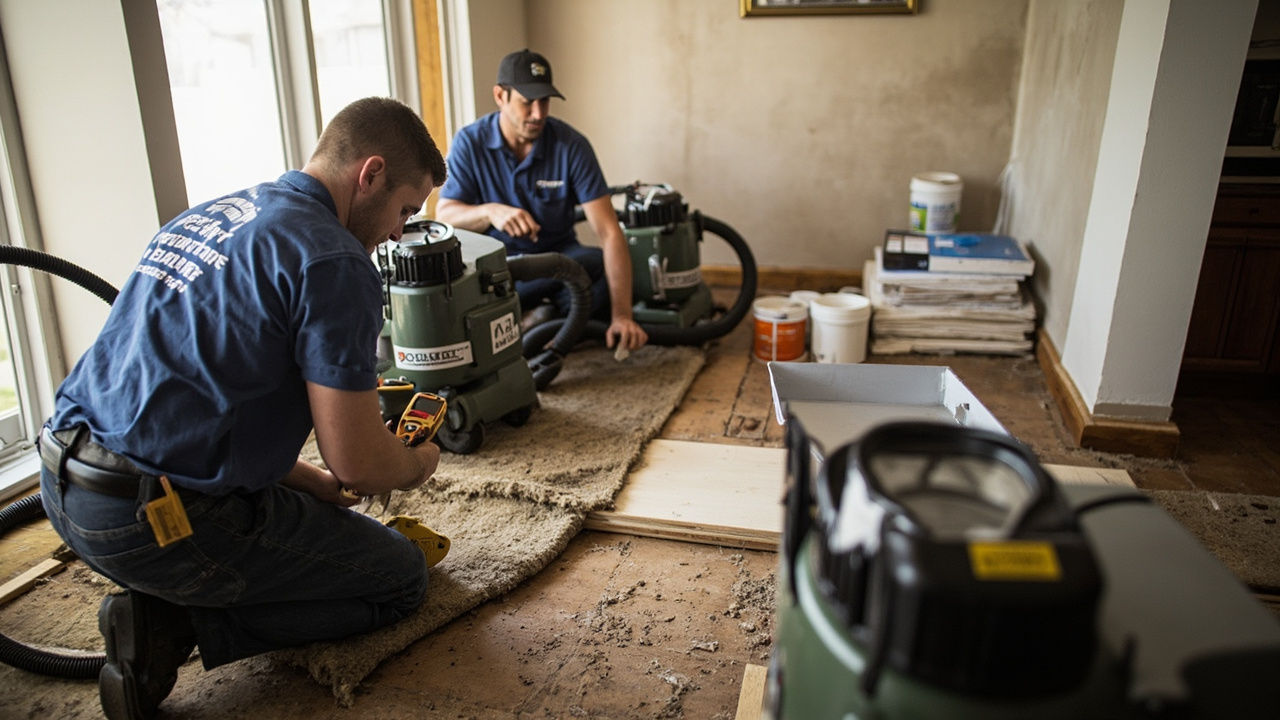
We use moisture meters to map the affected area. Drywall might look fine, but trapped moisture behind it tells a different story. We document every reading for your insurance claim. Then we extract standing water with truck-mounted pumps. We pull up carpet, remove baseboards, and drill weep holes in walls to release trapped water. We position air movers and commercial dehumidifiers to create a controlled drying environment.

Mitigation typically takes three to five days in Charlotte. High humidity slows the process. We monitor moisture levels daily until readings stabilize below 15 percent. That's the threshold for safe reconstruction.

Restoration begins only after complete drying. We rebuild framing if studs were compromised. We hang new drywall, tape seams, and apply texture to match your existing walls. We install new flooring, cabinetry, and trim. We repaint. We test plumbing and electrical systems.

The difference between water cleanup and water repair is scope. Cleanup removes water and debris. Repair fixes what water damaged.

Cornerstone Water Damage Restoration Charlotte manages both phases. We don't hand you off to a separate contractor. We see the project through from emergency extraction to final walkthrough. That continuity eliminates communication gaps and timeline delays.

What Happens When You Call for Water Damage Help

Water Mitigation vs Restoration in Charlotte – Know the Difference Before You Pay for the Wrong Service
01

Emergency Triage and Assessment

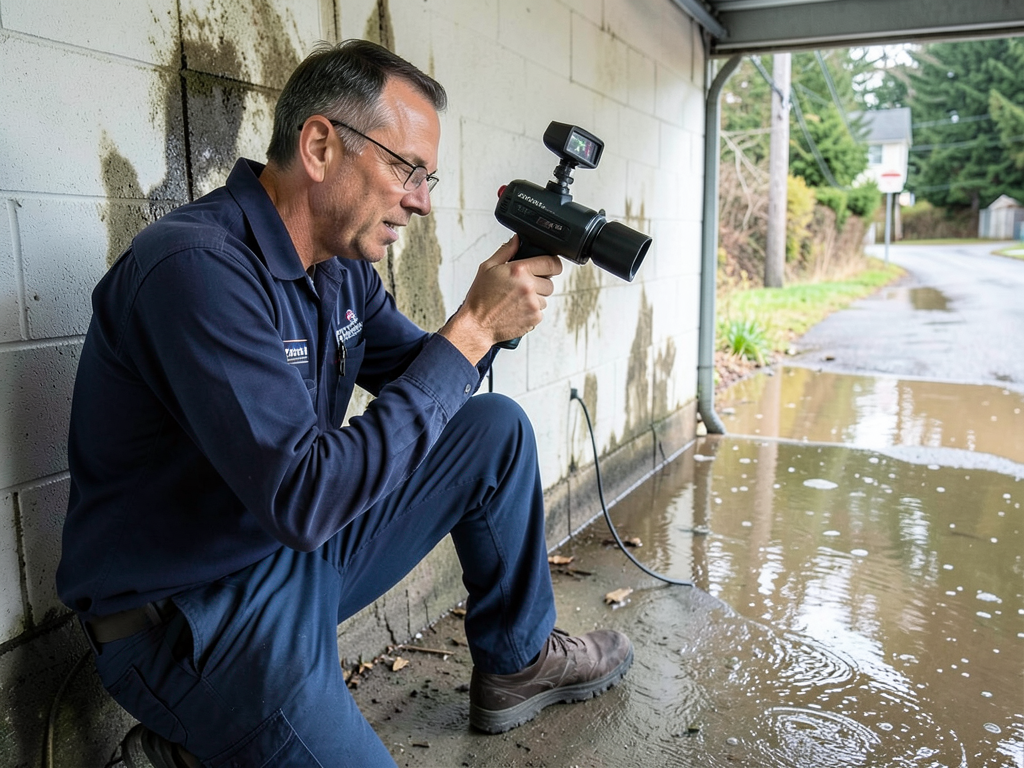
We arrive within 60 minutes of your call. Our first priority is safety. We shut off electricity if water contacts outlets or panels. We identify the water source and stop the flow. We assess structural stability and category of contamination. We document the damage with photos, moisture readings, and thermal imaging. This data supports your insurance claim and guides our mitigation strategy.
02

Mitigation and Drying Protocol

We extract standing water and remove unsalvageable materials. We deploy air movers and dehumidifiers in a controlled configuration to maximize airflow and moisture removal. We monitor the drying process with daily readings. We treat affected areas with antimicrobial solutions to prevent mold. Mitigation continues until moisture levels reach safe thresholds for reconstruction. This phase protects your property from secondary damage.
03

Restoration and Final Inspection

Once drying is complete, we rebuild. We replace drywall, flooring, and trim to match your home's existing finishes. We repaint walls and reinstall fixtures. We test all systems to confirm functionality. We conduct a final walkthrough with you to ensure every detail meets your expectations. We provide documentation for your insurance company and a record of all work completed for your files.

Why Charlotte Homeowners Trust Local Water Damage Experts

Charlotte's building stock ranges from historic Dilworth bungalows to new construction in Ballantyne. Each era presents unique challenges. Older homes have plaster walls and hardwood floors that require specialized drying techniques. Newer homes have engineered lumber and laminate flooring that fail faster when wet.

We know the difference. We've worked in every Charlotte neighborhood. We understand how crawl spaces in Myers Park flood differently than slab foundations in University City. We know that homes near McDowell Creek face seasonal flooding risks that demand proactive solutions.

Local expertise matters when you're dealing with insurance adjusters. We speak their language. We provide the documentation they require. We know which carriers operate in Mecklenburg County and how their claims processes work. We've built relationships with local adjusters. That familiarity speeds approvals and reduces disputes.

Cornerstone Water Damage Restoration Charlotte operates 24 hours a day, seven days a week. We don't route your call to a national call center. You reach a local technician who can be at your door in under an hour. That response time is critical. Every hour of delay adds to the damage total.

We also understand North Carolina building codes. Restoration work must meet code requirements for framing, electrical, and plumbing. We pull permits when required. We coordinate inspections. We ensure your project passes final review. National franchises often skip this step or don't understand local ordinances. That creates liability for you.

Choosing a local company means accountability. We live here. We work here. Our reputation depends on quality work and satisfied customers. We're not a franchise paying royalties to a distant corporation. We're your neighbors.

What to Expect When You Hire a Water Damage Team

Response Time and Availability

We dispatch a crew within 60 minutes of your call. Water damage is a time-sensitive emergency. The longer water sits, the more damage it causes. Drywall absorbs water like a sponge. Carpet padding becomes a breeding ground for bacteria. Hardwood floors cup and buckle. We operate around the clock because water doesn't wait for business hours. When you call (980) 342-9955, you reach a live person who can mobilize a team immediately. We don't make you wait until morning or the next business day.

Initial Assessment and Scope Definition

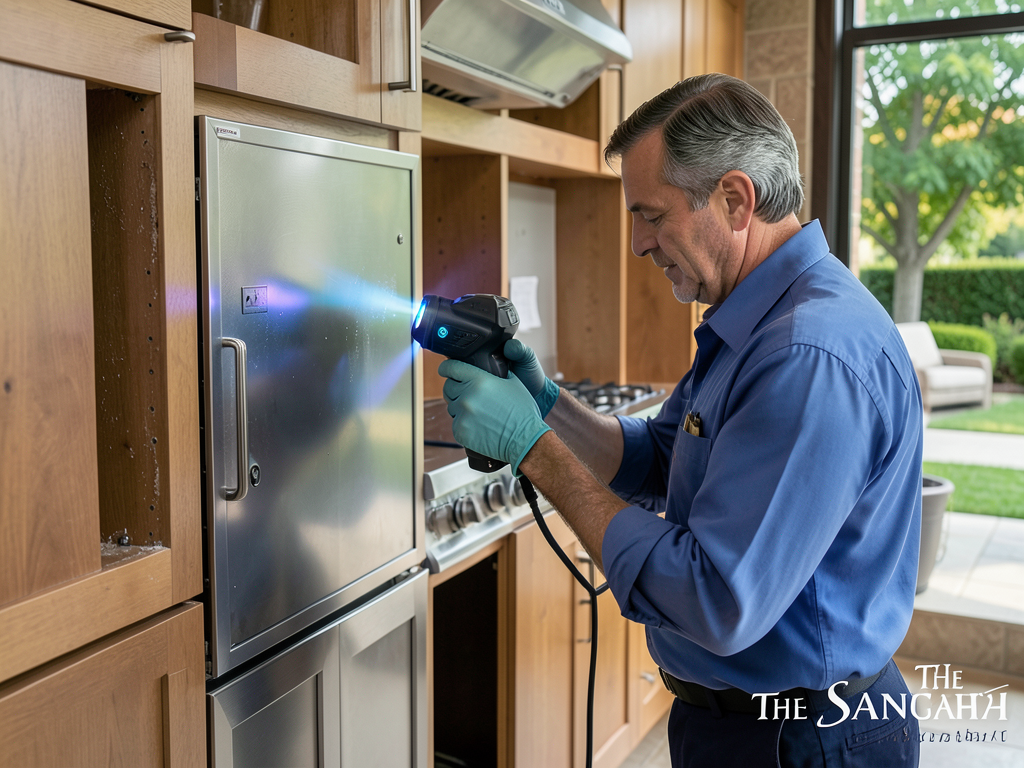
Our team conducts a complete property inspection. We use thermal cameras to detect hidden moisture in walls and ceilings. We test moisture content in floors and baseboards with pin and pinless meters. We classify the water category and document the extent of damage. We provide you with a written scope of work that separates mitigation from restoration. This clarity helps you understand what's covered by insurance and what happens in each phase. We answer your questions and explain the timeline before we start any work.

Quality of Restoration Work

Restoration is where craftsmanship shows. We match your existing finishes. If your drywall has a knockdown texture, we replicate it. If your trim is stained oak, we source matching material. We don't use generic builder-grade substitutes. We take pride in making the repair invisible. You shouldn't be able to tell where the damage was. We also stand behind our work. If something doesn't meet your expectations, we fix it. We don't consider a project complete until you're satisfied with the result.

Post-Restoration Support and Documentation

After restoration, we provide you with a complete project file. This includes moisture logs, photos, scope documents, and receipts. You'll need this for your insurance company and for your records. We also follow up 30 days after completion to ensure everything is holding up. If you notice any issues, we address them immediately. We're not a company that disappears after the final payment. We're here for the long term. If you have questions or concerns months later, you can still call us.

Frequently Asked Questions

You Have Questions,
We Have Answers

What is the difference between water restoration and mitigation? +

Water mitigation is the immediate response that stops damage from spreading. You extract standing water, dry out wet materials, and stabilize the property within hours of the event. This prevents mold growth and secondary damage. Water restoration comes after mitigation. It rebuilds and repairs the damaged structures back to pre-loss condition. Think of mitigation as emergency triage and restoration as surgery and recovery. In Charlotte's humid climate, fast mitigation is critical because mold can colonize wet drywall in 24 to 48 hours. You need both services to fully recover from water damage.

What is the difference between restoration and remediation of water? +

Water restoration and remediation describe similar processes but focus on different problems. Restoration repairs structural damage caused by water, like replacing warped flooring or damaged drywall. You bring the property back to how it looked before the loss. Remediation specifically targets contamination and health hazards, like mold colonies or sewage bacteria. If your Charlotte home floods from a burst pipe, you need restoration. If you discover black mold in your crawlspace from prolonged moisture exposure, you need remediation. Many companies offer both services because water damage and microbial growth often happen together in our humid southeastern climate.

What is mitigation and restoration? +

Mitigation and restoration are two sequential phases of water damage recovery. Mitigation happens first. You stop the water source, extract standing water, remove soaked materials, and dry everything out using industrial fans and dehumidifiers. This phase typically takes three to five days. Restoration follows. You repair structural damage, replace materials like drywall and flooring, and restore finishes. This phase can take weeks depending on damage severity. In Charlotte, quick mitigation matters because our high humidity slows natural drying and accelerates mold growth. Both phases require specialized equipment and expertise to prevent long-term problems.

What does water restoration mean? +

Water restoration means returning your property to its pre-damage condition after flooding, leaks, or storm intrusion. The process includes removing damaged materials, drying out structural components, sanitizing affected areas, and rebuilding. You replace drywall, flooring, cabinets, and trim damaged beyond repair. Restoration also addresses hidden moisture in wall cavities and subfloors that cause rot and mold. For Charlotte homeowners, restoration often involves dealing with crawlspace moisture issues common to our clay soil and seasonal humidity. Professional restoration prevents future problems by ensuring complete drying and proper reconstruction using moisture-resistant materials where needed.

How Charlotte's Humidity and Clay Soil Complicate Water Damage Recovery

Charlotte sits in the humid subtropical zone. Summer humidity averages 70 percent. That moisture slows evaporation during the drying phase. A home in Phoenix might dry in two days. The same damage in Charlotte takes four or five. We account for this by using more dehumidifiers and extending monitoring periods. The clay soil common throughout Mecklenburg County also creates drainage problems. When soil becomes saturated, it expands and pushes against foundations. This creates hydrostatic pressure that forces water through basement walls and crawl spaces. Understanding these local conditions is critical for effective mitigation.

Cornerstone Water Damage Restoration Charlotte has worked in this climate for years. We know how humidity affects drying times. We know which neighborhoods flood during heavy rain and which homes have chronic drainage issues. We work with local structural engineers when foundation movement is a concern. We know the Mecklenburg County permitting process and which inspectors to call for different types of work. This local knowledge makes us more efficient and more effective than national companies parachuting in from out of state.
Water Damage Restoration Services in The Charlotte Area

Cornerstone is proud to serve Charlotte and the surrounding areas, providing rapid and reliable water damage restoration services when you need them most. Our commitment extends to ensuring properties across our service region receive expert care. You can find our main office located conveniently, allowing us to quickly dispatch our teams to your location and address your water damage emergencies with efficiency and professionalism. We are always ready to assist you.

Address:
Cornerstone Water Damage Restoration Charlotte, 222 Baldwin Ave, Charlotte, NC, 28204

Additional Services We Offer

Our news updates

Latest Articles & News from The Blogs

The Best Smart Leak Detectors to Prevent Water Damage in Ballantyne Water damage strikes Ballantyne homes every day from burst…

The Best Smart Leak Detectors to Prevent Water Damage in Ballantyne

The Best Smart Leak Detectors to Prevent Water Damage in Ballantyne Water damage strikes Ballantyne homes every day from burst…

Safeguarding Expensive Home Theater Gear from Water Damage in Myers Park

Safeguarding Expensive Home Theater Gear from Water Damage in Myers Park Myers Park’s stately homes and finished basements create the…

Common Health Symptoms That Might Point to Hidden Water Damage in Your Home

Common Health Symptoms That Might Point to Hidden Water Damage in Your Home Water damage in your Charlotte home often…

Contact Us

Water damage doesn't wait. Call Cornerstone Water Damage Restoration Charlotte at (980) 342-9955 right now. We'll dispatch a crew to your property within the hour and start protecting your home from further damage.