




Menu

High Indoor Humidity Levels in Charlotte – Expert Diagnosis and Permanent Solutions

We identify the hidden moisture sources causing high indoor humidity levels in your Charlotte home, then deploy targeted dehumidification and structural drying to eliminate elevated home humidity before mold takes hold.

Slider Image 1
Slider Image 2
Slider Image 3
Slider Image 4
Slider Image 5
Slider Image 7
Slider Image 8
Slider Image 9
Slider Image 10
Slider Image 11

Why Charlotte Homes Battle Constant Indoor Moisture Problems

You notice condensation on windows every morning. Your basement smells musty even though you see no standing water. Towels never fully dry. These are symptoms of high relative humidity indoors, and Charlotte's subtropical climate makes this a year-round battle for homeowners.

Charlotte sits in a humid continental zone where summer dew points regularly exceed 65 degrees. When outdoor air infiltrates through poorly sealed crawl spaces, attics, or HVAC ductwork, that moisture-laden air meets your cooler indoor surfaces and condenses. The clay soil common throughout Mecklenburg County compounds the problem. Clay holds water like a sponge, creating a constant evaporation source beneath homes with vented crawl spaces or inadequate vapor barriers.

Excess humidity in house environments above 60 percent creates ideal conditions for mold growth within 24 to 48 hours. You also face wood rot in floor joists, peeling paint, warped hardwood floors, and increased dust mite populations that trigger allergies. Many Charlotte homeowners assume their HVAC system will handle moisture control, but standard air conditioning only removes humidity as a byproduct of cooling. When spring and fall temperatures are mild, your AC runs less, and elevated home humidity climbs unchecked.

The problem is not your imagination. Excessive indoor moisture is a structural and health issue that requires proper diagnosis. Running more fans or opening windows will not solve the root cause. You need to identify where moisture enters, how it moves through your home, and what building envelope failures allow it to accumulate.

Why Charlotte Homes Battle Constant Indoor Moisture Problems
How We Eliminate Elevated Home Humidity at the Source

How We Eliminate Elevated Home Humidity at the Source

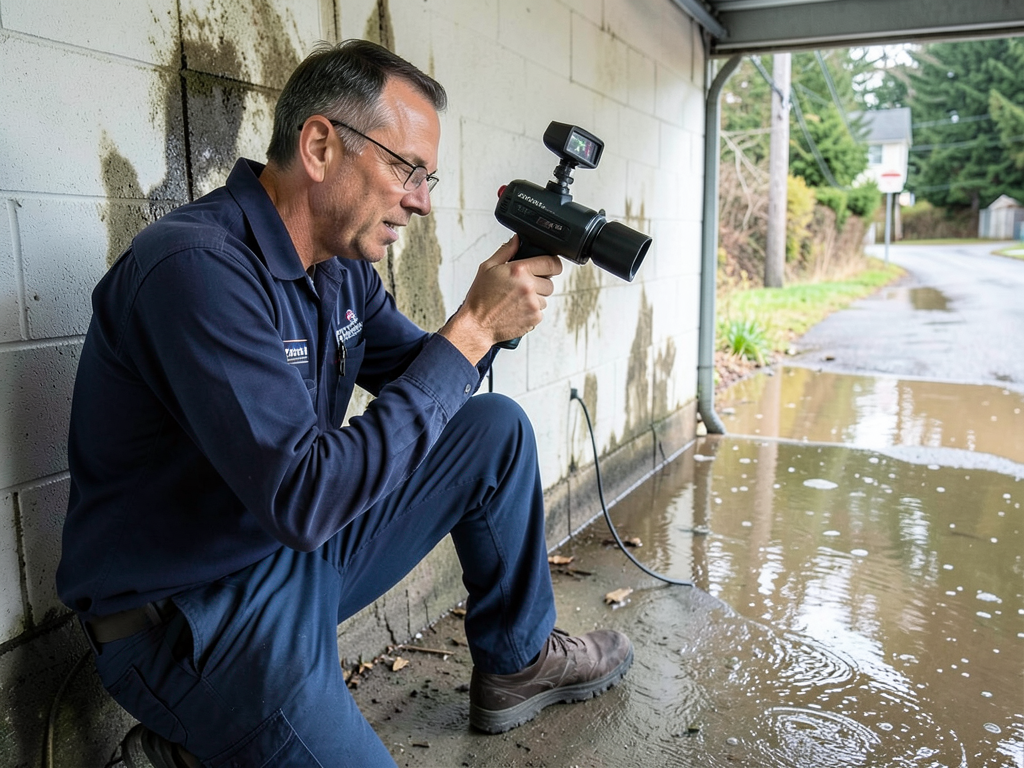
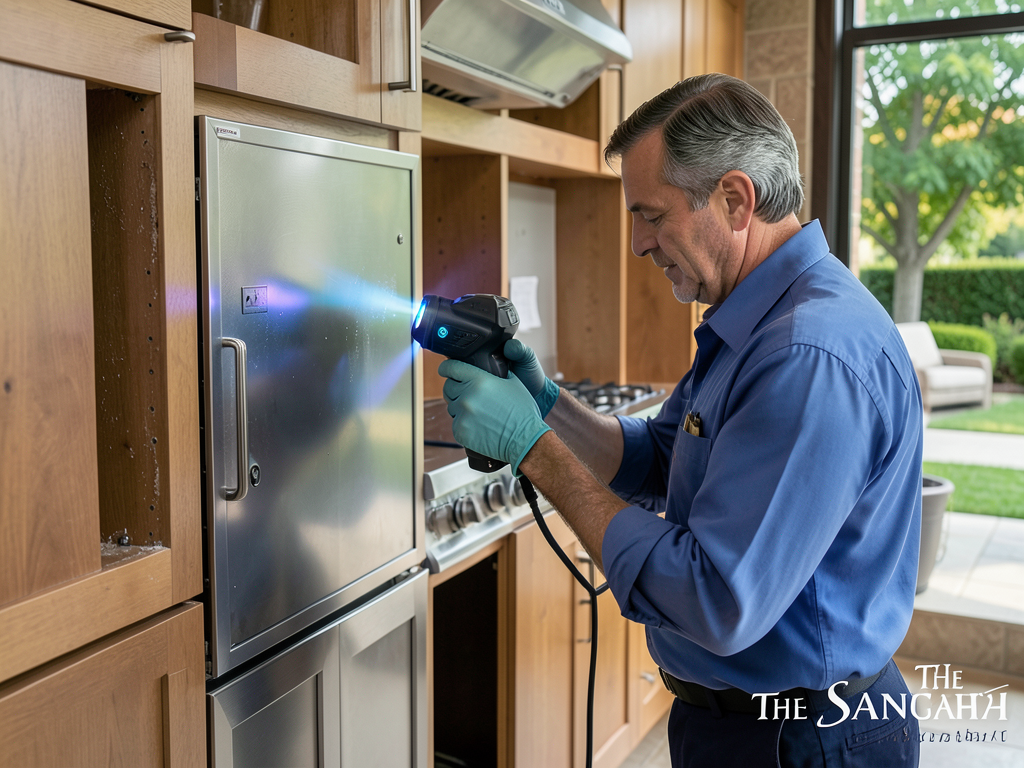
We do not guess. We measure. Our technicians use calibrated thermo-hygrometers to document relative humidity levels in every room and zone of your home. We also deploy infrared thermal imaging to identify cold spots where condensation forms, hidden water intrusion behind walls, and airflow patterns that introduce outdoor moisture.

Most indoor moisture problems stem from three sources: groundwater vapor transmission, air infiltration, and occupant-generated moisture that cannot escape. In Charlotte homes, we frequently find vented crawl spaces that act as humidity pumps. Hot, humid outdoor air enters through foundation vents, contacts cooler crawl space surfaces, and deposits moisture on floor joists and subfloors. That moisture then migrates upward into living spaces through gaps in the floor assembly.

We address this through crawl space encapsulation using reinforced vapor barriers sealed to foundation walls, combined with conditioned air supply or dedicated dehumidification. For homes with basements, we inspect sump pump operation, perimeter drain function, and exterior grading to stop groundwater intrusion before it vaporizes into your indoor air.

HVAC systems also contribute to indoor moisture problems when return air leaks pull humid attic air into ductwork, or when oversized equipment short-cycles without adequate dehumidification runtime. We evaluate duct sealing, system sizing, and condensate drain operation to ensure your mechanical systems remove moisture instead of redistributing it.

Once we control moisture sources, we deploy commercial-grade dehumidifiers calibrated to your home's cubic footage and current moisture load. These units pull 90 to 180 pints per day and include automatic humidity controls to maintain optimal levels between 30 and 50 percent relative humidity year-round.

What Happens When You Call About Indoor Humidity

High Indoor Humidity Levels in Charlotte – Expert Diagnosis and Permanent Solutions
01

Comprehensive Moisture Assessment

We document baseline humidity levels in every room using calibrated instruments, then inspect your crawl space, attic, HVAC system, and building envelope for moisture entry points. Thermal imaging reveals hidden condensation zones and air leaks. You receive a written report with moisture readings, identified problems, and prioritized solutions. This diagnostic phase typically takes 90 minutes to two hours depending on home size.
02

Source Control and Remediation

We eliminate moisture sources before deploying dehumidification equipment. This may involve crawl space encapsulation, duct sealing, exhaust fan installation, or exterior drainage corrections. For active water intrusion, we extract standing water, remove saturated materials, and deploy air movers to accelerate evaporation. Each intervention targets the specific failure points identified during assessment. We do not apply generic solutions to unique problems.
03

Humidity Control and Verification

Commercial dehumidifiers run continuously until moisture levels drop below 50 percent relative humidity throughout your home. We monitor progress with daily readings and adjust equipment as needed. Once target levels are achieved, we provide recommendations for permanent humidity control, including properly sized dehumidifiers, HVAC modifications, or ventilation improvements. Final verification testing confirms you have a stable, healthy indoor environment.

Why Charlotte Homeowners Choose Cornerstone for Humidity Problems

Indoor moisture problems in Charlotte require an understanding of local construction methods and climate patterns. Homes built before 1990 typically have vented crawl spaces, a design that made sense in older building science but now creates chronic humidity issues. Newer construction often includes sealed crawl spaces, but poor installation of vapor barriers or inadequate conditioning creates the same problems.

We have worked in every Charlotte neighborhood from Dilworth's historic bungalows to Ballantyne's newer subdivisions. We understand how brick veneer construction common in this region can trap moisture in wall cavities when weep holes become clogged. We know that many Charlotte homes sit on sloped lots where surface water runs toward foundations, overwhelming perimeter drains and creating hydrostatic pressure that forces groundwater vapor through concrete slabs.

Our technicians hold IICRC certifications in water damage restoration and applied structural drying. This training teaches the psychrometrics of moisture movement, how building materials absorb and release water vapor, and how to calculate the dehumidification capacity needed for specific conditions. We do not rent equipment from big box stores and hope for the best. We deploy trailer-mounted desiccant dehumidifiers for large-scale jobs and understand grain depression and vapor pressure differentials.

We also coordinate with local building inspectors when humidity problems require structural corrections. Mecklenburg County enforces specific requirements for crawl space encapsulation and mechanical ventilation. We ensure our work meets or exceeds those standards so you avoid compliance issues during future home sales or insurance inspections.

You need a partner who can diagnose the actual problem, not someone who shows up with a dehumidifier and calls it done.

What to Expect When We Address Your Humidity Problem

Response Time and Availability

We schedule moisture assessments within 24 to 48 hours of your call. If you are experiencing active water intrusion causing elevated humidity, we dispatch emergency crews immediately to stop damage progression. Our technicians work evenings and weekends because moisture does not wait for business hours. Once we complete the assessment, you receive a detailed action plan within 24 hours. Equipment deployment begins as soon as you approve the scope of work. For urgent situations involving mold risk or structural damage, we can begin source control and dehumidification the same day as assessment.

The Assessment Process

Our technicians arrive with moisture meters, thermo-hygrometers, and thermal imaging cameras to document current conditions. We measure humidity levels in every room, inspect your crawl space or basement for groundwater intrusion, evaluate HVAC duct sealing and condensate drainage, and check attic ventilation and insulation. We also ask about your daily routines, because activities like long showers without exhaust fans, indoor clothes drying, or aquariums contribute to moisture loads. You receive a written report with readings, photos, and specific recommendations ranked by priority and impact. No guesswork, no upselling.

The End Result

You get a home where relative humidity stays between 30 and 50 percent year-round without constant monitoring. Condensation on windows disappears. Musty odors vanish. Your HVAC system runs more efficiently because it is not fighting excess moisture. Wood floors stop cupping. Paint stops peeling. Most importantly, you eliminate the conditions that allow mold growth, protecting your family's respiratory health. We provide post-remediation humidity readings that document the improvement. You will notice the difference immediately when you walk into your home. The air feels lighter, fresher, and more comfortable.

Ongoing Humidity Management

After we solve your immediate humidity problem, we provide education on maintaining healthy levels. This includes recommendations for portable or whole-home dehumidifiers, HVAC filter replacement schedules, and seasonal adjustments to account for Charlotte's variable climate. We also offer follow-up inspections to verify your humidity control systems continue working correctly. If we installed crawl space encapsulation or structural corrections, we schedule periodic checks to ensure vapor barriers remain intact and drainage systems function properly. You are not left to figure this out alone.

Frequently Asked Questions

You Have Questions,
We Have Answers

Why is my house 75% humidity? +

Your house hits 75% humidity because Charlotte's subtropical climate creates a moisture problem that indoor systems struggle to control. Common causes include poor ventilation, oversized AC units that short-cycle before removing moisture, leaking ductwork in crawl spaces, or groundwater intrusion through your foundation. Homes built on Charlotte's clay soil face additional challenges as moisture wicks up through concrete slabs. Check your HVAC system first. If the unit runs briefly then shuts off, it cools air without dehumidifying. Inspect crawl spaces for standing water and seal any foundation cracks. You need mechanical dehumidification when humidity stays above 60%.

What happens if indoor humidity is too high? +

High indoor humidity damages your home and health. You will see condensation on windows, peeling paint, warped hardwood floors, and musty odors. Mold spores colonize drywall, insulation, and HVAC ducts when moisture exceeds 60%. Your AC works harder because humid air feels warmer, driving up energy bills. Health effects include respiratory irritation, asthma triggers, and dust mite proliferation. Charlotte homes face accelerated wood rot in attics and crawl spaces due to sustained moisture exposure. Structural damage occurs as humidity compromises wood framing and attracts termites. Address the source immediately to prevent costly repairs and health risks.

Is 70% humidity too high for a house? +

Yes. Indoor humidity should stay between 30% and 50%. At 70%, you create perfect conditions for mold growth, dust mites, and structural damage. Charlotte's humid summers make this worse because your AC cannot keep up when outdoor moisture infiltrates through gaps and poor insulation. You will notice condensation forming on cold surfaces like windows and toilet tanks. Wood furniture swells, doors stick, and that damp smell develops in closets. Mold begins growing on organic materials within 24 to 48 hours at this humidity level. You need to identify why moisture builds up and install proper dehumidification before damage spreads.

Can humidity cause nausea? +

High humidity can trigger nausea, though it typically combines with other factors like heat stress or poor air quality. When humidity exceeds 60%, your body struggles to cool itself through sweat evaporation. This raises core temperature and can cause dizziness, headaches, and nausea. Charlotte's summer humidity compounds the problem indoors when AC systems fail. Mold spores and volatile organic compounds thrive in humid environments, producing mycotoxins that affect sensitive individuals. If you feel nauseous mainly at home and notice musty odors or visible mold, moisture and air quality issues likely contribute. Improve ventilation and reduce humidity to below 50% for relief.

How do you fix high humidity in your house? +

Start by running your AC on auto mode to allow proper dehumidification cycles. Exhaust fans in bathrooms and kitchens should vent outside, not into attics. Seal crawl space vents and install a vapor barrier on the ground to block moisture from Charlotte's clay soil. Fix plumbing leaks immediately and ensure gutters direct water away from your foundation. A whole-home dehumidifier tied to your HVAC handles excess moisture year-round. Portable dehumidifiers work for specific problem areas like basements. Check that your ductwork is not leaking conditioned air into unconditioned spaces. Proper insulation and air sealing prevent outdoor humidity from infiltrating.

Does opening a window reduce humidity? +

Opening windows usually increases indoor humidity in Charlotte because outdoor moisture levels exceed indoor levels most of the year. This strategy only works when outside humidity drops below 50%, which happens rarely during spring and summer months. Morning dew and afternoon thunderstorms keep outdoor moisture high. When you open windows, humid air flows in and your AC must work harder to remove that moisture. Winter months offer better conditions for natural ventilation, but you risk condensation issues when warm indoor air meets cold window glass. Use exhaust fans and mechanical dehumidification instead of windows for moisture control.

Do dehumidifiers really work for humidity? +

Dehumidifiers work by pulling moisture from air across cold coils where water vapor condenses and drains away. Quality units remove 30 to 70 pints daily, depending on capacity and room size. They control humidity effectively in basements, crawl spaces, and poorly ventilated areas where AC cannot reach. Charlotte homes benefit most from whole-home models integrated with HVAC systems for consistent control. Portable units handle localized problems but require regular emptying and maintenance. The key is proper sizing. An undersized unit runs constantly without reaching target humidity. An oversized unit short-cycles and wastes energy. Match capacity to square footage and moisture load.

How often should I run a dehumidifier? +

Run your dehumidifier continuously during Charlotte's humid months from April through October to maintain 40% to 50% relative humidity. Most units feature built-in humidistats that cycle on and off automatically when target levels are reached. Basements and crawl spaces need year-round operation because groundwater and soil moisture persist regardless of season. Empty the collection bucket daily or connect a drain hose for continuous operation. Clean the filter monthly to maintain efficiency. During winter, you can reduce runtime but monitor humidity levels because heating systems dry air naturally. Check your settings after heavy rain or when you notice condensation.

What is the best humidity level for sleeping? +

The ideal humidity for sleep falls between 40% and 50%. This range keeps airways moist without promoting dust mites or mold that disrupt breathing. Charlotte's summer nights often push indoor humidity above 60%, making sleep uncomfortable and restless. Your body cannot cool efficiently through perspiration when air holds excess moisture. This raises core temperature and fragments sleep cycles. Dry winter air below 30% irritates nasal passages and throats. Use a hygrometer to measure bedroom humidity. Adjust your whole-home dehumidifier or add a portable unit to maintain the sweet spot. Proper humidity improves sleep quality and reduces morning congestion.

Will mold grow at 70 humidity? +

Mold grows at 70% humidity. Spores need only moisture, organic material, and temperatures above 40 degrees to colonize surfaces. At 70%, condensation forms on cold surfaces like exterior walls, window frames, and AC ducts. This visible moisture feeds mold growth within 24 to 48 hours. Charlotte homes face accelerated growth because warm temperatures persist most of the year. Mold thrives in hidden areas like wall cavities, crawl spaces, and attic sheathing where you cannot see damage developing. You must reduce humidity below 60% to prevent growth. Clean existing mold with proper antimicrobial treatments and fix the moisture source immediately.

How Charlotte's Clay Soil and Humidity Create Perfect Conditions for Indoor Moisture Problems

Charlotte sits on the transition zone between the Piedmont plateau and coastal plain, where dense clay soil dominates. This soil type has extremely low permeability, meaning water does not drain quickly after rain events. Instead, it saturates the ground around your foundation and creates constant evaporation into crawl spaces and basements. During summer months when outdoor humidity regularly exceeds 70 percent and temperatures stay above 85 degrees, the combination of saturated soil and humid air creates a continuous moisture source beneath your home. Vented crawl spaces pull this humid air into the structure, where it condenses on cooler surfaces and drives indoor humidity levels above safe thresholds.

Cornerstone Water Damage Restoration Charlotte has worked with local builders, inspectors, and HVAC contractors throughout Mecklenburg County to develop solutions specific to our soil and climate conditions. We understand the grading requirements needed to direct water away from foundations in Charlotte's clay soil. We know which vapor barrier materials withstand the hydrostatic pressure common in our region. We also stay current with Mecklenburg County building code updates related to crawl space construction and mechanical ventilation requirements. When you work with a local team that understands these regional factors, you get solutions that actually work instead of generic approaches that fail within months.
Water Damage Restoration Services in The Charlotte Area

Cornerstone is proud to serve Charlotte and the surrounding areas, providing rapid and reliable water damage restoration services when you need them most. Our commitment extends to ensuring properties across our service region receive expert care. You can find our main office located conveniently, allowing us to quickly dispatch our teams to your location and address your water damage emergencies with efficiency and professionalism. We are always ready to assist you.

Address:
Cornerstone Water Damage Restoration Charlotte, 222 Baldwin Ave, Charlotte, NC, 28204

Additional Services We Offer

Our news updates

Latest Articles & News from The Blogs

The Best Smart Leak Detectors to Prevent Water Damage in Ballantyne Water damage strikes Ballantyne homes every day from burst…

The Best Smart Leak Detectors to Prevent Water Damage in Ballantyne

The Best Smart Leak Detectors to Prevent Water Damage in Ballantyne Water damage strikes Ballantyne homes every day from burst…

Safeguarding Expensive Home Theater Gear from Water Damage in Myers Park

Safeguarding Expensive Home Theater Gear from Water Damage in Myers Park Myers Park’s stately homes and finished basements create the…

Common Health Symptoms That Might Point to Hidden Water Damage in Your Home

Common Health Symptoms That Might Point to Hidden Water Damage in Your Home Water damage in your Charlotte home often…

Contact Us

Call (980) 342-9955 now for a comprehensive moisture assessment. We will identify why your home has high indoor humidity levels and provide a clear plan to fix it permanently. No guesswork, no delays.