




Menu

Swollen Baseboards & Trim in Charlotte – Expert Diagnosis and Proper Repair Before Mold Takes Hold

Our certified technicians identify the hidden moisture source behind water damaged baseboards and warped baseboard molding, then restore structural integrity with proper drying protocols and precision replacement throughout the Charlotte metro.

Slider Image 1
Slider Image 2
Slider Image 3
Slider Image 4
Slider Image 5
Slider Image 7
Slider Image 8
Slider Image 9
Slider Image 10
Slider Image 11

Why Charlotte Homes See Bloated Wood Trim More Than Most

You walk past your baseboard and notice it looks thicker than yesterday. The paint is bubbling. The seam where the trim meets the wall has a visible gap. This is not normal wear. You have moisture swollen baseboards, and in Charlotte, you have a specific problem tied to local conditions.

Charlotte sits in a humid subtropical climate where summer dew points regularly hit 70 degrees. That moisture does not just disappear. It penetrates crawl spaces, seeps through slab edges, and condenses behind walls. When you combine that with sudden afternoon thunderstorms that dump two inches of rain in 30 minutes, water finds every crack in your foundation. Clay soil compounds the issue. The red Carolina clay expands when wet and contracts when dry, creating hydrostatic pressure against foundation walls. That pressure pushes groundwater through hairline cracks and saturates the bottom plates of your walls. The baseboards are the first casualty.

Expanded MDF trim is especially vulnerable. MDF absorbs water like a sponge. Once it swells, it does not shrink back. The fibers separate, the paint delaminates, and you are left with a rippled, spongy mess that crumbles when you press it. Solid wood fares better, but even oak and pine will warp and bow when exposed to prolonged moisture. Warped baseboard molding pulls away from the wall, creating pockets where mold colonizes in 48 to 72 hours.

If you see bloated wood trim, you do not have a cosmetic problem. You have an active water intrusion issue that requires immediate diagnosis.

Why Charlotte Homes See Bloated Wood Trim More Than Most
How We Trace the Source and Stop the Swelling

How We Trace the Source and Stop the Swelling

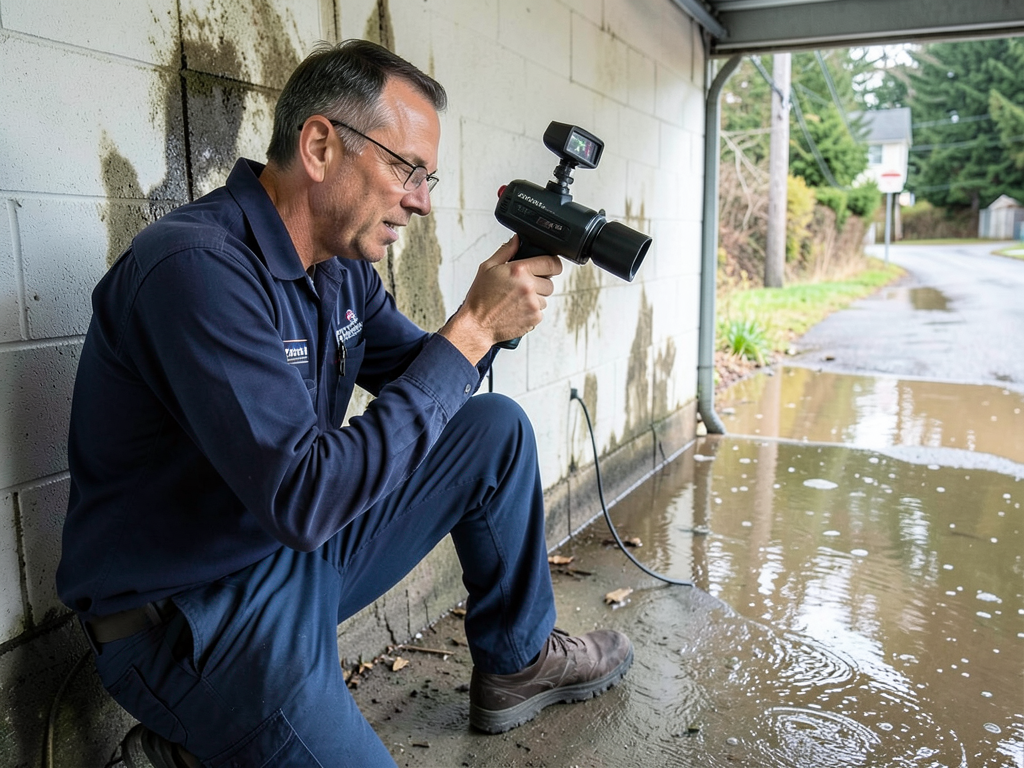
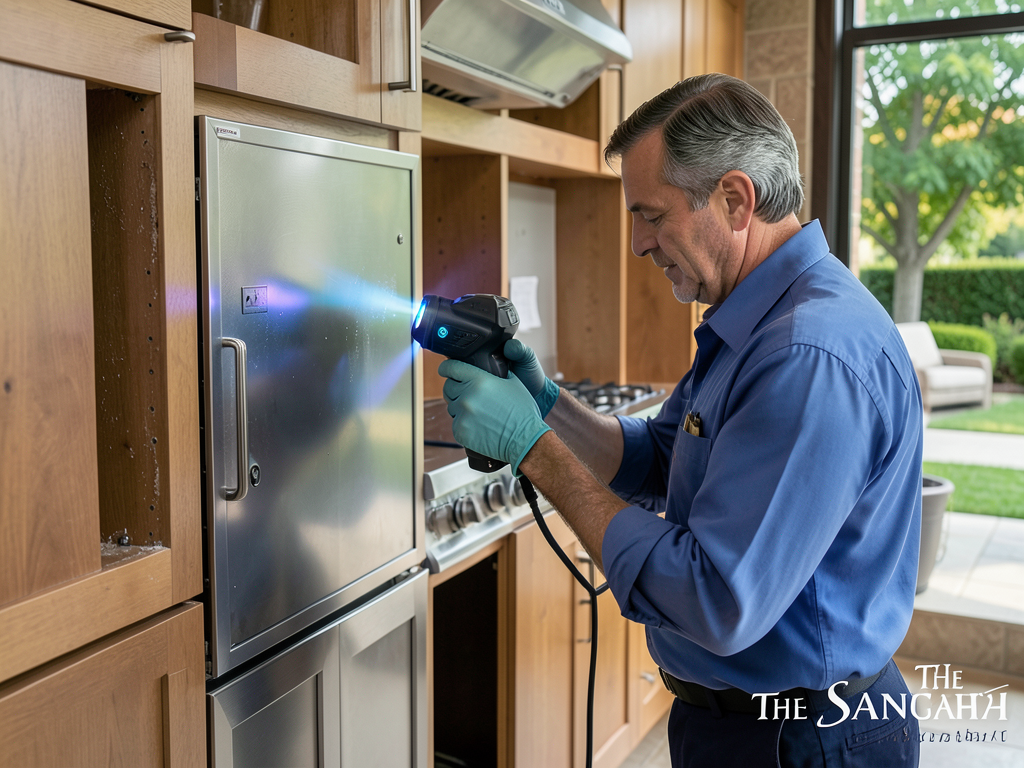
Swollen baseboards are a symptom, not the disease. Replacing the trim without addressing the moisture source guarantees the problem returns within weeks. Our protocol starts with thermal imaging and moisture mapping. We use FLIR infrared cameras to identify temperature differentials behind walls. Cold spots indicate evaporative cooling from wet framing. Moisture meters with deep-probe sensors measure the moisture content in studs, sill plates, and subfloors. We document readings at multiple points to create a saturation gradient.

Once we map the moisture, we trace it backward. Is it a plumbing leak from a supply line or drain stack? Is it capillary action from groundwater wicking up through a missing vapor barrier? Is it condensation from an HVAC duct sweating inside the wall cavity? Each source requires a different remediation strategy.

For groundwater intrusion, we deploy negative air machines and injectidry systems. Injectidry uses high-velocity air injected into wall cavities through small access holes. This forces moisture out of the framing and insulation without tearing out drywall. For plumbing leaks, we coordinate with licensed plumbers to repair the breach, then extract standing water with truck-mounted extractors. For condensation issues, we correct the duct insulation and seal air leaks.

Drying is not guesswork. We measure moisture content daily until readings drop below 15 percent, the threshold for microbial growth. Only then do we remove damaged baseboards, treat framing with antimicrobial solutions, and install new trim. We use moisture-resistant materials in high-risk areas, including PVC or primed finger-joint pine with proper sealing at the back edge.

What Happens When You Call About Water Damaged Baseboards

Swollen Baseboards & Trim in Charlotte – Expert Diagnosis and Proper Repair Before Mold Takes Hold
01

Initial Moisture Assessment

We arrive within two hours for emergency calls. Our technician uses thermal imaging to scan walls, floors, and ceilings, identifying hidden moisture pockets. Moisture meters measure saturation levels in baseboards, drywall, and framing. You receive a verbal assessment on-site, including the suspected water source and the scope of damage. This diagnostic phase takes 30 to 45 minutes and determines whether you need emergency water extraction or targeted drying.
02

Source Repair and Drying

Once we identify the water source, we stop it. If the issue is plumbing-related, we coordinate with a licensed plumber. If it is groundwater or condensation, we deploy drying equipment immediately. Air movers, dehumidifiers, and injectidry systems run continuously. We monitor moisture levels every 24 hours using calibrated hygrometers and moisture meters. Drying typically takes three to five days depending on saturation depth. You get daily updates and documented moisture readings.
03

Trim Removal and Restoration

After moisture readings stabilize below 15 percent, we remove damaged baseboards and inspect the wall framing. Any mold growth is treated with EPA-registered antimicrobial solutions. We replace rotted sill plates or studs if necessary. New baseboards are installed using moisture-resistant materials and sealed with vapor-permeable caulk. The final product matches your existing trim profile and receives a finish coat of paint. The area is tested one final time to confirm no residual moisture remains.

Why Charlotte Homeowners Trust Cornerstone for Baseboard Moisture Issues

Charlotte has a unique building stock. You have pre-war bungalows in Dilworth with original plaster walls. You have 1970s ranches in Matthews with crawl spaces and polybutylene plumbing. You have new construction in Ballantyne with OSB sheathing and Tyvek wraps. Each era and each neighborhood has different vulnerabilities to moisture intrusion. A restoration company that does not understand local construction methods will miss critical details.

We have worked in every zip code from 28202 downtown to 28277 in South Charlotte. We know that homes near McDowell Creek and Little Sugar Creek face higher groundwater tables. We know that properties in Myers Park and Eastover have mature tree roots that crack sewer laterals. We know that townhomes in University City often have shared HVAC chases where condensate leaks migrate between units.

Our technicians hold IICRC certifications in water damage restoration and applied structural drying. That is not a marketing badge. That is proof of competency in psychrometrics, vapor pressure dynamics, and building science. We calculate grains per pound and understand equilibrium moisture content. When we set up drying equipment, we are engineering a specific vapor pressure differential to pull moisture out of materials, not just blowing air around the room.

We also work directly with your insurance carrier. We document every step with photos, moisture logs, and equipment placement diagrams. We provide detailed estimates that align with Xactimate pricing, the industry standard most adjusters use. You do not pay out-of-pocket until we have a clear picture of coverage. If your claim is denied, we walk you through the appeals process with documentation that supports your case.

What to Expect When We Restore Your Water Damaged Baseboards

Response Time and Availability

We dispatch a certified technician within two hours for emergency water events. For non-emergency baseboard swelling caused by slow leaks or condensation, we schedule an assessment within 24 hours. Our crews work seven days a week, including evenings. You receive a direct phone number for your assigned project manager, not a call center. If conditions worsen or new moisture appears during the drying process, we adjust equipment placement immediately. Emergency mitigation begins the same day you call. Full restoration timelines depend on the extent of water migration, but most baseboard replacement projects conclude within seven to ten days from initial contact.

Diagnostic Process and Documentation

Your initial assessment includes thermal imaging, moisture mapping, and a written scope of work. We measure moisture content in baseboards, wall studs, subfloors, and adjacent materials using calibrated Tramex and Delmhorst meters. Readings are logged in a moisture map that tracks saturation levels across the affected area. You receive photos of damaged materials, equipment placement diagrams, and a detailed estimate before any work begins. We explain what caused the swelling, what materials need replacement, and what drying strategy we will deploy. If mold is suspected, we can arrange third-party air quality testing. All documentation is provided digitally within 24 hours of the assessment.

Quality of Materials and Workmanship

We do not install MDF baseboards in areas prone to moisture. Instead, we use primed finger-joint pine, PVC, or solid wood depending on your existing trim and budget. All replacement baseboards are sealed on the back edge with vapor-permeable primer to prevent future moisture absorption. Joints are coped, not mitered, for tighter fits that resist gaps as wood expands and contracts. Nail holes are filled with spackling compound and sanded smooth before finish painting. Paint matches are color-matched using samples from undamaged trim. The final installation is caulked at the top edge where trim meets drywall, but never at the bottom edge where it meets the floor, allowing any future moisture to escape rather than trap behind the baseboard.

Post-Restoration Monitoring and Prevention

After restoration is complete, we conduct a final moisture reading to confirm all materials have returned to normal levels. You receive a post-mitigation report with before-and-after moisture readings and photos. We provide guidance on preventing future moisture intrusion, including gutter maintenance, crawl space encapsulation options, and condensation control strategies. If the water source was plumbing-related, we recommend annual inspections of supply lines and drain stacks. If groundwater was the issue, we discuss exterior grading corrections or interior drainage solutions like French drains. You get a direct line to our office for follow-up questions. If you notice new swelling or moisture within 30 days, we return to reassess at no charge.

Frequently Asked Questions

You Have Questions,
We Have Answers

How to fix a swollen baseboard? +

First, identify the water source and stop it. Remove the swollen baseboard section completely. Dry the wall cavity and subfloor with fans and dehumidifiers for 48-72 hours minimum. Charlotte's high humidity can slow drying, so use moisture meters to confirm readings below 15%. If the drywall behind the baseboard shows staining or softness, cut it back to studs. Replace with new primed baseboard, never reinstall swollen wood. Paint-grade MDF swells permanently when wet. If you see mold or smell mustiness, call a water damage professional before reinstalling trim.

What is the 7 rule for baseboards? +

The 7 rule states baseboard height should be roughly 7% of your wall height. For standard 8-foot Charlotte home ceilings, that equals about 5-7 inches of baseboard height. Older homes in Dilworth or Myers Park often feature taller baseboards (8-10 inches) that match their grander proportions. Modern construction typically uses 3-5 inch baseboards. This guideline balances visual proportion with room scale. When replacing water-damaged baseboards, match existing heights unless you are updating the entire room. Mismatched trim heights scream poor repair work.

Why do baseboards swell? +

Baseboards swell when wood fibers absorb moisture and expand. Common causes include plumbing leaks under sinks, failed washing machine hoses, foundation seepage, or HVAC condensation drips. Charlotte homes with crawl spaces face higher risk due to ground moisture wicking through brick veneer or penetrating slab edges. MDF baseboards swell worse than solid wood because compressed fibers act like sponges. Once MDF swells, it never returns to original shape. High summer humidity alone rarely causes swelling. You need direct liquid water contact or sustained 80%+ relative humidity for days.

What does water damage on baseboards look like? +

Look for visible swelling along the bottom edge where the baseboard meets the floor. The paint often bubbles or cracks as wood expands. You will see discoloration, brown or yellow water stains creeping upward from the floor line. The baseboard may pull away from the wall, creating gaps. Warping makes the trim twist or bow outward. Touch it. Water-damaged baseboards feel soft or spongy instead of solid. In Charlotte homes with finished basements or crawl spaces, check behind the baseboard with a flashlight for black mold growth or a musty smell.

Can mice squeeze under baseboards? +

Yes. Mice can flatten their bodies and squeeze through gaps as small as a quarter inch. If your baseboards pulled away from the wall due to water swelling, you created entry points. Charlotte homes near wooded areas in South Park or Ballantyne see increased rodent pressure. Swollen baseboards compound the problem because warped trim creates irregular gaps mice exploit. After fixing water damage, caulk the top seam where baseboard meets drywall and the bottom where it meets flooring. Use copper mesh or metal flashing in larger gaps before reinstalling trim. Never ignore gnaw marks on swollen baseboards.

How to shrink swollen wood? +

You cannot reliably shrink swollen wood back to original dimensions. Solid hardwood may shrink slightly if you dry it slowly with dehumidifiers over weeks, but it often warps, cracks, or cups during the process. MDF and particle board are permanent losses once swollen. The compressed fibers break apart when wet and never rebond correctly. For valuable antique trim in historic Charlotte homes, a restoration specialist might attempt controlled drying and planing, but expect 20-30% material loss. For standard baseboards, replacement is faster and cheaper than attempting repairs. Do not waste time trying to salvage ruined trim.

What is the new trend for baseboards? +

Tall baseboards (6-8 inches) are trending in new Charlotte construction, especially in Weddington and Waxhaw custom homes. Homeowners want the traditional proportions seen in older neighborhoods like Plaza Midwood. Shaker-style baseboards with simple, flat profiles dominate over ornate colonial styles. White or off-white paint remains standard, but some designers match baseboards to wall color for a seamless modern look. After water damage, upgrading to taller baseboards can increase home value, but only if you update the entire floor level for consistency. Mismatched baseboard heights between rooms look unfinished.

What are common baseboard installation mistakes? +

Installers often skip priming the back and bottom edges before installation. Unprimed wood wicks moisture from concrete slabs or crawl space vapor. Another mistake is nailing too close to the bottom edge, causing splits that let water penetrate. Failing to caulk the top seam between baseboard and drywall allows air leaks and insect entry. In Charlotte's clay soil areas, homes shift and settle. Installers must leave expansion gaps at inside corners or baseboards buckle when humidity rises. Never install baseboards tight to flooring. Leave a quarter-inch gap and cover it with quarter-round or shoe molding.

Is crown molding out of style in 2025? +

Crown molding remains popular in traditional and transitional Charlotte homes, especially in established neighborhoods like Cotswold and Eastover. Modern farmhouse and contemporary styles often skip crown molding for clean lines. The trend leans toward simpler profiles rather than ornate multi-piece assemblies. Crown molding adds value in mid-range to luxury homes but looks out of place in builder-grade ranch homes with 8-foot ceilings. If water damage affected your crown molding from roof leaks (common after Charlotte thunderstorms), replace it with similar profiles to maintain home style consistency and resale value.

Will a swollen wood floor go back to normal? +

Solid hardwood floors sometimes return to normal if you dry them quickly within 24-48 hours. Success depends on water volume and exposure time. Engineered hardwood rarely recovers because the plywood core delaminates when wet. Laminate floors never recover. They swell permanently and must be replaced. Charlotte's humidity slows drying and increases buckling risk. Use commercial dehumidifiers and air movers immediately. If floorboards remain cupped or crowned after seven days of drying, they need replacement. Never sand swollen floors until moisture readings drop below 12%. Sanding wet wood clogs sandpaper and damages the subfloor.

How Charlotte's Clay Soil and Humid Summers Make Swollen Baseboards a Recurring Problem

Charlotte sits on red clay soil that behaves like a sponge. During summer thunderstorms, the clay absorbs water and expands, pushing hydrostatic pressure against basement walls and slab foundations. When the soil dries out in fall, it contracts and pulls away, creating voids. That cycle repeats every year, opening hairline cracks in foundations that allow groundwater to seep into crawl spaces and interior wall cavities. Homes built before 1980 often lack proper vapor barriers or perimeter drainage, making moisture intrusion through the sill plate a chronic issue. When that moisture reaches interior walls, baseboards are the first material to show damage. The combination of high summer humidity and poor foundation drainage makes bloated wood trim one of the most common restoration calls we receive in Mecklenburg County.

Charlotte building codes require moisture barriers in new construction, but older homes in neighborhoods like Plaza Midwood, NoDa, and Chantilly were built before modern moisture management standards existed. Cornerstone Water Damage Restoration Charlotte has restored baseboards in historic homes where the original builder never installed a vapor barrier over the crawl space dirt. We have worked in mid-century ranches where the original galvanized plumbing corroded and leaked for months before the homeowner noticed swelling trim. Our familiarity with Charlotte's building history means we know where to look for moisture sources before we even open the wall. Local expertise matters when diagnosing water intrusion because the construction methods, soil conditions, and climate patterns are specific to this region.

Water Damage Restoration Services in The Charlotte Area

Cornerstone is proud to serve Charlotte and the surrounding areas, providing rapid and reliable water damage restoration services when you need them most. Our commitment extends to ensuring properties across our service region receive expert care. You can find our main office located conveniently, allowing us to quickly dispatch our teams to your location and address your water damage emergencies with efficiency and professionalism. We are always ready to assist you.

Address:
Cornerstone Water Damage Restoration Charlotte, 222 Baldwin Ave, Charlotte, NC, 28204

Additional Services We Offer

Our news updates

Latest Articles & News from The Blogs

The Best Smart Leak Detectors to Prevent Water Damage in Ballantyne Water damage strikes Ballantyne homes every day from burst…

The Best Smart Leak Detectors to Prevent Water Damage in Ballantyne

The Best Smart Leak Detectors to Prevent Water Damage in Ballantyne Water damage strikes Ballantyne homes every day from burst…

Safeguarding Expensive Home Theater Gear from Water Damage in Myers Park

Safeguarding Expensive Home Theater Gear from Water Damage in Myers Park Myers Park’s stately homes and finished basements create the…

Common Health Symptoms That Might Point to Hidden Water Damage in Your Home

Common Health Symptoms That Might Point to Hidden Water Damage in Your Home Water damage in your Charlotte home often…

Contact Us

Swollen baseboards mean active moisture intrusion. The longer you wait, the deeper the water migrates into your framing and subfloor. Call Cornerstone Water Damage Restoration Charlotte at (980) 342-9955 right now. We will dispatch a certified technician within two hours to assess the damage and stop the source.