


Menu

Retail Store Water Cleanup in Charlotte – Minimize Downtime and Restore Operations Fast

Industrial-grade commercial retail water extraction and store flood cleanup services that protect your inventory, meet code requirements, and get your Charlotte retail space operational again with minimal revenue loss.

Slider Image 1
Slider Image 2
Slider Image 3
Slider Image 4
Slider Image 5
Slider Image 7
Slider Image 8
Slider Image 9
Slider Image 10
Slider Image 11

Water Damage Shuts Down Retail Operations When You Can Least Afford It

A burst pipe in a stock room, a failed HVAC condensate line, or storm flooding through your storefront doors. These scenarios force you to close, send customers elsewhere, and watch revenue evaporate by the hour. In Charlotte's humid subtropical climate, standing water accelerates rapidly. Relative humidity above 60 percent means mold colonization can begin within 24 to 48 hours on porous surfaces like drywall, carpet padding, and cardboard inventory boxes.

Retail water damage restoration demands speed and precision. You cannot afford a prolonged shutdown. Every hour your doors stay closed, your competitors capture market share. Store flood cleanup services must address structural drying, inventory salvage, and compliance with local commercial building codes simultaneously. Commercial retail water extraction is not a residential job scaled up. It requires truck-mounted extractors, low-grain refrigerant dehumidifiers, and air movers positioned to create controlled airflow without disrupting undamaged merchandise zones.

Charlotte retail spaces often occupy older structures in South End, NoDa, or Uptown, where outdated plumbing and flat roofs create vulnerabilities. Clay soil expansion during heavy rain events can shift foundation slabs and crack supply lines. Shop water damage mitigation starts with identifying the source, isolating affected zones, and implementing a drying protocol that meets IICRC S500 standards. Retail water remediation is about business continuity first, restoration second. Your lease may require you to maintain operations or face penalty clauses. You need a contractor who understands the commercial stakes and can deploy the capacity to handle 5,000 to 20,000 square feet of affected retail space.

Water Damage Shuts Down Retail Operations When You Can Least Afford It
How Commercial Water Extraction Differs From Residential Mitigation

How Commercial Water Extraction Differs From Residential Mitigation

Retail environments present unique challenges. You have high-traffic flooring, point-of-sale systems, refrigeration units, HVAC zones, and often 24-hour operations or shift schedules. Shop water damage mitigation must account for electrical safety, ADA compliance during restoration, and coordination with your property manager or landlord. We do not treat a retail flood like a flooded basement. We deploy commercial-grade extraction equipment capable of removing thousands of gallons per hour.

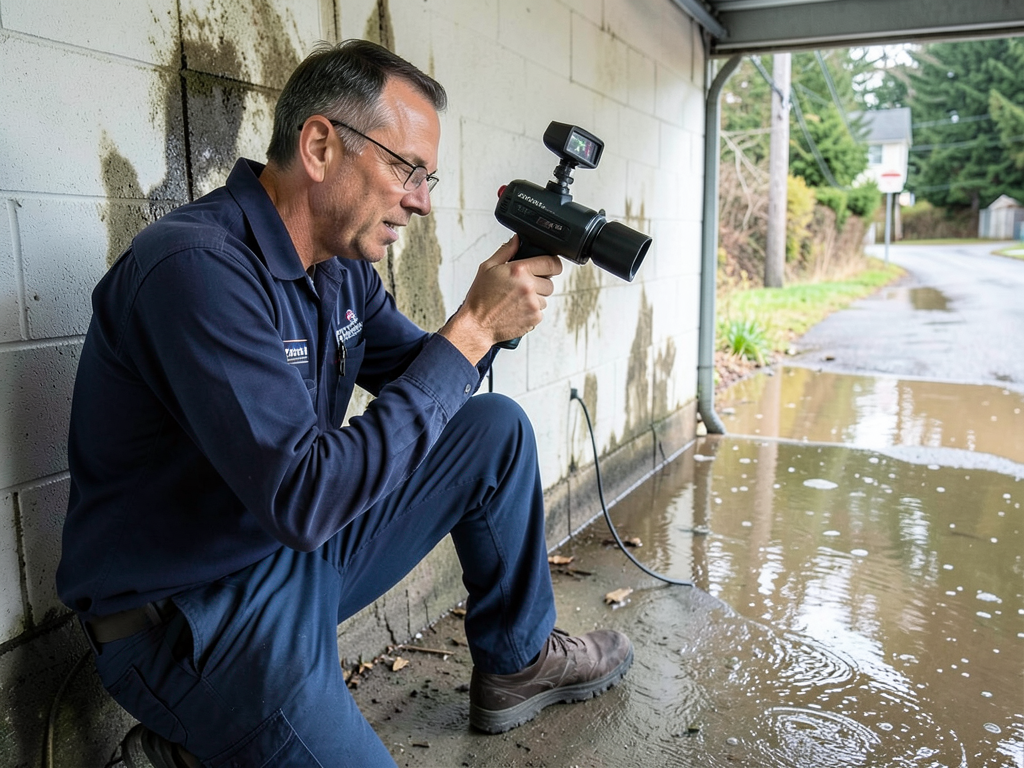
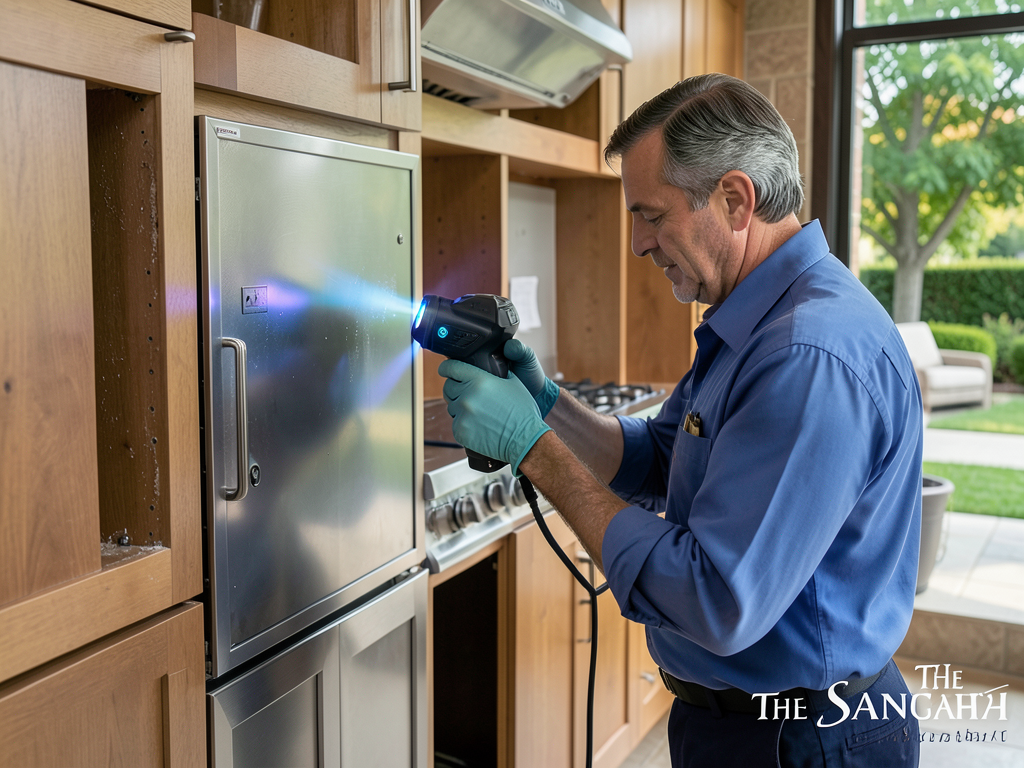
Our process begins with a moisture mapping survey using thermal imaging cameras and penetrating moisture meters. We document the extent of saturation in walls, subfloors, and ceiling plenums. This data drives the drying strategy and serves as your documentation for insurance adjusters and third-party liability claims. We classify water damage by contamination category. Category 1 is clean water from supply lines. Category 2 is gray water from appliances or HVAC drains. Category 3 is black water from sewer backups or storm flooding. The category determines disposal protocols for unsalvageable materials.

We extract standing water with truck-mounted vacuums, then place axial air movers and desiccant dehumidifiers in a controlled drying chamber. Desiccant units are essential in high-humidity Charlotte conditions because they can pull moisture from the air even when ambient temperatures drop below 60 degrees. We monitor grain depression, which measures the difference between the moisture content in the air and the moisture content in building materials. When grain depression reaches equilibrium, drying is complete. We provide daily moisture logs and psychrometric readings. This transparency allows you to track progress and communicate timelines to your staff, vendors, and insurance carrier. Retail water damage restoration is a data-driven process, not guesswork.

What Happens During a Retail Store Water Emergency

Retail Store Water Cleanup in Charlotte – Minimize Downtime and Restore Operations Fast
01

Emergency Containment and Assessment

We arrive on-site within 90 minutes of your call. The first priority is source control. We shut off water supply valves, isolate affected electrical circuits, and extract standing water to prevent migration into clean zones. We then conduct a rapid assessment using moisture detection tools to map the full extent of saturation. This initial survey determines equipment staging and crew size. You receive a preliminary scope and timeline within the first two hours on-site.
02

Controlled Drying and Monitoring

After extraction, we establish containment barriers using polyethylene sheeting and negative air machines to isolate affected areas from your operational retail space. We deploy commercial dehumidifiers and air movers in calculated configurations based on cubic footage and material density. Our technicians take moisture readings twice daily and adjust equipment placement to optimize evaporation rates. You receive digital progress reports showing moisture levels trending toward dry standards. This phase typically runs three to seven days depending on severity and building construction.
03

Reconstruction and Final Clearance

Once moisture readings meet IICRC dry standards, we remove equipment and begin reconstruction. This includes replacing drywall, baseboards, insulation, and flooring as needed. We coordinate with your general contractor or handle the rebuild in-house if you prefer single-source accountability. Final clearance includes third-party mold testing if required by your lease or insurance policy. We provide a certificate of completion and all documentation required for code compliance and insurance settlement. Your store reopens with minimal disruption to your brand image.

Why Charlotte Retailers Choose Cornerstone Water Damage Restoration Charlotte

Retail tenants face specific pressures. Your lease likely includes a continuous operation clause. Your insurance may have a business interruption deductible measured in days, not dollars. You cannot afford delays or change orders. Cornerstone Water Damage Restoration Charlotte operates with the capacity and urgency commercial clients demand. We maintain a fleet of truck-mounted extractors, desiccant dehumidifiers, and thermal imaging equipment. When a 10,000-square-foot boutique flooded in South End last fall, we had a crew of six technicians and 40 pieces of drying equipment on-site within two hours. The store reopened in four days.

We understand Charlotte's commercial building stock. Many retail centers in areas like Park Road Shopping Center or the Arboretum were built in the 1980s and 1990s with slab-on-grade foundations and single-ply TPO roofing. These structures are prone to roof membrane failures during heavy rain and HVAC condensate line clogs in high-use cooling months. We work directly with property management companies, landlords, and commercial insurance adjusters. We know the local code requirements for commercial drying and the documentation standards your carrier expects.

Our technicians hold IICRC certifications in Water Damage Restoration and Applied Structural Drying. We carry general liability and pollution liability coverage required for commercial contracts. We provide itemized estimates with line-item pricing, not vague ranges. You know what you are paying for and why. We also coordinate with your fire alarm company, security vendor, and cleaning crew to maintain site safety and loss prevention during restoration. Retail water remediation is a multi-stakeholder process. We manage those relationships so you can focus on your customers and your bottom line.

What to Expect When You Call for Commercial Water Cleanup

Rapid Deployment and Crew Capacity

We dispatch a crew within 90 minutes of your call, 24 hours a day, seven days a week. Large-scale retail flooding requires multiple technicians and industrial equipment. We can scale to a crew of eight and deploy 60-plus air movers, axial fans, and dehumidifiers simultaneously. Our response time is measured in minutes, not hours. We understand that every hour of downtime costs you revenue, foot traffic, and customer loyalty. Speed is not a luxury in commercial restoration. It is the baseline expectation. We meet it consistently.

Detailed Damage Assessment and Scoping

After containment and extraction, we conduct a comprehensive moisture survey using calibrated hygrometers, thermal cameras, and penetrating probes. We document readings in a floor plan overlay showing saturation zones, moisture gradients, and affected materials. This data informs the drying protocol and serves as your baseline for insurance claims. You receive a written scope of work detailing equipment placement, estimated drying time, and reconstruction needs. We provide daily updates with psychrometric data so you can track drying progress and communicate timelines to stakeholders. Transparency eliminates surprises and builds trust.

Compliance and Quality Control

We follow IICRC S500 drying standards and ANSI/IICRC S520 mold remediation protocols when contamination is present. All work is documented with moisture logs, equipment placement diagrams, and daily progress photos. We coordinate inspections with your building department if structural repairs trigger permit requirements. Final clearance includes verification testing with independent moisture readings and optional third-party mold clearance testing. You receive a complete record of all work performed, which satisfies insurance requirements and protects you from future liability. Quality control is not an add-on. It is embedded in every phase of the process.

Post-Restoration Support and Documentation

After completion, we provide a certificate of completion, final moisture readings, and a full photo record of the restoration. If reconstruction was required, we include material invoices and labor breakdowns. This documentation supports your insurance claim and provides a baseline for future maintenance. We also offer follow-up moisture checks at 30 and 60 days to confirm the structure remains dry. If you experience a secondary issue related to the original event, we respond immediately. Our goal is not just to dry your building but to ensure long-term structural integrity and prevent recurrence.

Frequently Asked Questions

You Have Questions,
We Have Answers

How much does water damage cleanup cost? +

Retail water damage cleanup costs vary by severity, square footage, and contamination level. Minor incidents affecting 500 square feet may start around a few thousand dollars, while major flooding requiring full buildout can reach tens of thousands. Charlotte's high humidity complicates drying, often requiring extended dehumidification and antimicrobial treatments. Costs include water extraction, structural drying, debris removal, and mold prevention. Insurance coverage depends on your policy and cause of loss. Document everything immediately and request itemized estimates from certified contractors. Fast response reduces total costs by preventing secondary damage like mold growth and structural degradation.

How does Serpro work? +

Serpro is a national franchise offering water damage restoration, mold remediation, and fire cleanup services. Their process typically involves emergency contact, inspection, water removal, drying, cleaning, and restoration. They use commercial-grade equipment and follow IICRC standards. For Charlotte retail stores, response time and franchise operator quality vary. While they offer 24/7 availability, you are not locked into one provider. Compare local certified contractors who understand Charlotte's specific humidity challenges and building codes. Focus on credentials, equipment capability, and documented commercial experience rather than brand name alone.

What kills mold after a water leak? +

Antimicrobial agents and EPA-registered fungicides kill mold after water leaks, but surface treatment alone fails. You must remove moisture sources and dry affected materials within 24 to 48 hours. Charlotte's humidity accelerates mold colonization, requiring aggressive dehumidification. Porous materials like drywall and insulation often require removal rather than treatment. Non-porous surfaces respond to HEPA vacuuming followed by antimicrobial application. Professional remediation includes containment, air scrubbing, and post-clearance testing. Do not rely on bleach or household cleaners for commercial spaces. They mask problems without addressing root causes or meeting health code requirements.

Do you have to throw everything away after a flood? +

You do not throw everything away after a flood, but contamination level dictates salvage potential. Clean water from supply lines allows more restoration than Category 3 black water from sewage or street flooding. Non-porous items like metal shelving and sealed fixtures can be disinfected. Porous inventory, packaging, and materials exposed to contaminated water require disposal per health codes. Charlotte retail stores must document losses for insurance and tax purposes. Professional content restoration services use specialized cleaning for salvageable merchandise. Priority is business continuity, not sentiment. Remove compromised materials quickly to prevent mold spread.

Does insurance pay for water restoration? +

Insurance pays for water restoration if the damage results from a covered peril under your commercial property policy. Sudden pipe bursts, roof leaks from storm damage, and sprinkler malfunctions typically qualify. Gradual leaks, poor maintenance, and flood events require separate coverage. Charlotte retailers need flood insurance due to proximity to creeks and storm drainage issues. File claims immediately with photo documentation and mitigation records. Insurers expect you to prevent further damage. Review your policy's actual cash value versus replacement cost provisions and business interruption coverage. Work with restoration contractors experienced in insurance documentation.

How long does it take to clean up water damage? +

Water damage cleanup takes three to seven days for minor incidents and two to four weeks for major flooding in retail spaces. Timeline depends on water volume, affected square footage, building materials, and contamination category. Charlotte's humidity extends drying time, requiring industrial dehumidification and air movers. Emergency water extraction happens within hours. Structural drying takes 72 hours minimum. Mold prevention treatments add time. Reconstruction extends the timeline further. Commercial spaces face pressure to reopen quickly. Proper drying cannot be rushed without risking hidden moisture pockets and future mold growth. Prioritize thoroughness over speed.

Will insurance pay out for water damage? +

Insurance pays out for water damage when the cause falls under covered perils in your commercial property policy. Sudden internal pipe failures, HVAC leaks, and storm-related roof damage typically qualify. Exclusions include gradual deterioration, maintenance issues, and surface water flooding without separate flood insurance. Charlotte retailers face storm surge and flash flood risks requiring additional coverage. Document everything immediately with photos, moisture readings, and vendor invoices. Insurance adjusters evaluate whether you took reasonable steps to mitigate damage. Denied claims can be appealed with proper documentation and contractor support showing compliance with policy requirements.

How much does SERVPRO cost to remove mold? +

SERVPRO mold removal costs vary by square footage, contamination severity, and location. As a franchise, pricing differs between operators. Charlotte market rates for commercial mold remediation range from moderate to high depending on scope. Costs include containment setup, HEPA air scrubbing, material removal, antimicrobial treatment, and clearance testing. You are not required to use SERVPRO. Compare multiple certified contractors with IICRC credentials and commercial references. Request itemized estimates covering all phases. Insurance may cover costs if mold resulted from a covered peril. Focus on thoroughness and documentation quality rather than brand recognition.

Does SERVPRO really work? +

SERVPRO restoration effectiveness depends on the specific franchise operator, technician training, and project management. As a national franchise system, quality varies between locations. Their standardized processes follow IICRC guidelines, which is baseline competency. Charlotte retail stores need contractors who understand local humidity patterns, building codes, and rapid response logistics. Success hinges on proper moisture detection, complete drying, and preventing secondary damage. Any certified restoration company with commercial experience, proper equipment, and insurance expertise can deliver equivalent results. Evaluate contractors on credentials, references, and response capability rather than franchise affiliation alone.

What are the 10 warning signs of mold toxicity? +

Mold toxicity warning signs include respiratory issues, persistent coughing, sinus congestion, headaches, fatigue, skin irritation, eye irritation, memory problems, difficulty concentrating, and mood changes. Retail employees exposed to water-damaged spaces may report these symptoms. Charlotte's humidity creates ideal mold growth conditions after water events. Commercial property owners face liability if known mold exposure harms staff or customers. Symptoms alone do not confirm mold toxicity. Professional assessment includes air quality testing, moisture mapping, and visible inspection. Address water damage immediately to prevent mold colonization. Employee health complaints require immediate investigation and potential space closure.

Why Charlotte's Humidity and Clay Soil Make Retail Water Damage More Severe

Charlotte's average relative humidity hovers between 65 and 75 percent year-round. When retail flooding occurs, ambient moisture in the air slows evaporation and accelerates microbial growth. Mold spores germinate on damp drywall, carpet backing, and ceiling tiles within 48 hours. The city's clay soil, common throughout Mecklenburg County, expands when saturated and contracts when dry. This cycle shifts building slabs, cracks foundation walls, and stresses underground plumbing. Retail spaces in older commercial centers experience chronic low-level seepage that goes unnoticed until a catastrophic failure occurs. Store flood cleanup services must account for these environmental factors. Standard drying protocols designed for arid climates fail in Charlotte's subtropical conditions. Desiccant dehumidification and controlled containment are essential to prevent secondary damage and meet code-required dry standards.

Cornerstone Water Damage Restoration Charlotte has worked with commercial landlords, retail tenants, and property managers across South End, Ballantyne, University City, and Uptown. We understand local building codes, the permitting process through the Charlotte-Mecklenburg Planning Department, and the expectations of regional insurance carriers. Retail water remediation in Charlotte requires familiarity with the structural quirks of aging commercial buildings, the hydrology of localized flooding during summer thunderstorms, and the business realities of retail lease agreements. National franchise restorers lack this depth. Local expertise means faster permitting, accurate scoping, and realistic timelines. When you hire a Charlotte-based contractor, you get a team that knows the soil, the weather, and the regulatory environment. That knowledge translates to fewer delays, lower costs, and higher-quality outcomes.
Water Damage Restoration Services in The Charlotte Area

Cornerstone is proud to serve Charlotte and the surrounding areas, providing rapid and reliable water damage restoration services when you need them most. Our commitment extends to ensuring properties across our service region receive expert care. You can find our main office located conveniently, allowing us to quickly dispatch our teams to your location and address your water damage emergencies with efficiency and professionalism. We are always ready to assist you.

Address:
Cornerstone Water Damage Restoration Charlotte, 222 Baldwin Ave, Charlotte, NC, 28204

Additional Services We Offer

Our news updates

Latest Articles & News from The Blogs

The Best Smart Leak Detectors to Prevent Water Damage in Ballantyne Water damage strikes Ballantyne homes every day from burst…

The Best Smart Leak Detectors to Prevent Water Damage in Ballantyne

The Best Smart Leak Detectors to Prevent Water Damage in Ballantyne Water damage strikes Ballantyne homes every day from burst…

Safeguarding Expensive Home Theater Gear from Water Damage in Myers Park

Safeguarding Expensive Home Theater Gear from Water Damage in Myers Park Myers Park’s stately homes and finished basements create the…

Common Health Symptoms That Might Point to Hidden Water Damage in Your Home

Common Health Symptoms That Might Point to Hidden Water Damage in Your Home Water damage in your Charlotte home often…

Contact Us

Water damage does not wait for business hours. Call Cornerstone Water Damage Restoration Charlotte at (980) 342-9955 now. We deploy immediately, minimize downtime, and document everything for your insurance claim. Protect your revenue and your reputation.