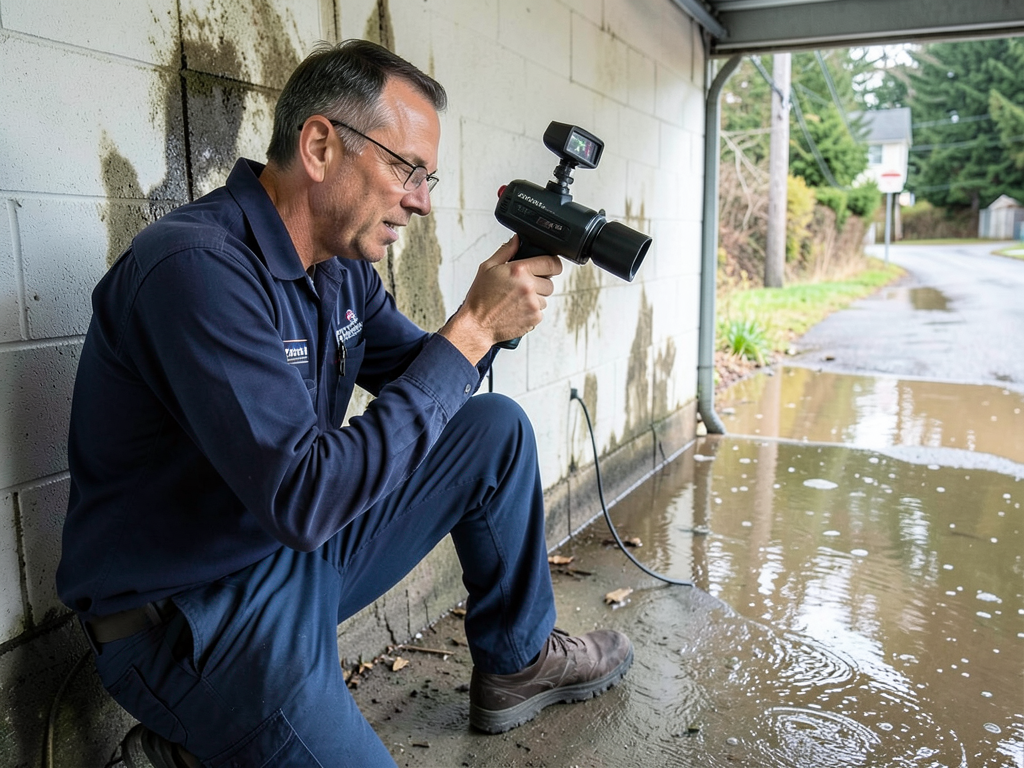







Charlotte's 70 percent average relative humidity creates a narrow window for preventing mold growth after fire suppression. Water used to extinguish flames does not evaporate passively in our climate. It sits in drywall, insulation, and framing, creating conditions for microbial growth within 24 to 48 hours. Fire and smoke mitigation in Charlotte requires aggressive mechanical drying using refrigerant dehumidifiers that remove moisture from the air faster than our humid conditions can replace it. This is not optional. Without controlled drying, you face a dual crisis of fire damage and mold remediation, often triggering insurance disputes over which damage resulted from which event.
Mecklenburg County enforces strict permitting for structural repairs following fire damage. Any work involving load-bearing walls, electrical systems, or plumbing requires permits and inspections before occupancy clearance. We maintain active relationships with local building inspectors and understand which repairs trigger Plan Review versus standard permits. This knowledge prevents costly delays. Out-of-town contractors often begin work without proper permits, creating legal and insurance complications that halt projects mid-stream. Local expertise means your fire restoration services proceed legally, quickly, and without surprises that extend your displacement timeline or jeopardize your claim.