




Menu

Burst Pipe Water Damage Charlotte – 24/7 Emergency Response Within 60 Minutes

When a ruptured pipe floods your Charlotte property, every minute counts. Our crews mobilize immediately to stop water damage, extract standing water, and begin professional drying before structural damage or mold takes hold.

Slider Image 1
Slider Image 2
Slider Image 3
Slider Image 4
Slider Image 5
Slider Image 7
Slider Image 8
Slider Image 9
Slider Image 10
Slider Image 11

Charlotte's Freeze-Thaw Cycles and Aging Infrastructure Create Perfect Conditions for Burst Pipes

Charlotte sits in a climate zone where winter temperatures swing wildly. A 60-degree Tuesday becomes a 22-degree Thursday. Water inside copper supply lines, galvanized mains, and PEX tubing expands when it freezes. The pipe swells. When temperatures rise again, the weakened section ruptures. You get burst pipe flooding that dumps 2 to 3 gallons per minute into crawlspaces, basements, or wall cavities.

The problem compounds in older neighborhoods like Dilworth, Myers Park, and Plaza Midwood, where homes were built between 1920 and 1960. Original galvanized steel pipes corrode from the inside. The buildup weakens pipe walls. A minor freeze event that would do nothing to modern PEX can cause catastrophic broken pipe water damage in a 70-year-old home.

Charlotte's clay-heavy soil also shifts with seasonal moisture changes. This movement stresses underground supply lines and sewer laterals. Hairline cracks develop. Pressure builds. The pipe fails. Water damage from burst pipe incidents often originates in crawlspaces or slab foundations where homeowners cannot see the problem until water surfaces through flooring or walls.

You need a crew that understands how Charlotte's specific conditions create these failures. Ruptured pipe water damage requires immediate water extraction, structural drying, and antimicrobial treatment to prevent secondary damage. Delay by even 48 hours, and you face mold colonization, subfloor delamination, and insulation replacement.

Charlotte's Freeze-Thaw Cycles and Aging Infrastructure Create Perfect Conditions for Burst Pipes
Our Burst Pipe Water Cleanup Protocol: Containment, Extraction, and Controlled Drying

Our Burst Pipe Water Cleanup Protocol: Containment, Extraction, and Controlled Drying

We do not just pull water and point fans at wet walls. Burst pipe water cleanup demands a systematic approach that addresses both visible surface water and trapped moisture inside building assemblies.

Step one is source control. We locate the failed section of pipe, isolate the water supply, and verify no additional leaks exist in the system. This prevents recontamination during the drying process.

Step two is water extraction using truck-mounted pumps and portable extractors. We remove standing water from carpets, pad, subfloors, and crawlspaces. Speed matters here. The longer water sits, the deeper it wicks into drywall, baseboards, and framing lumber.

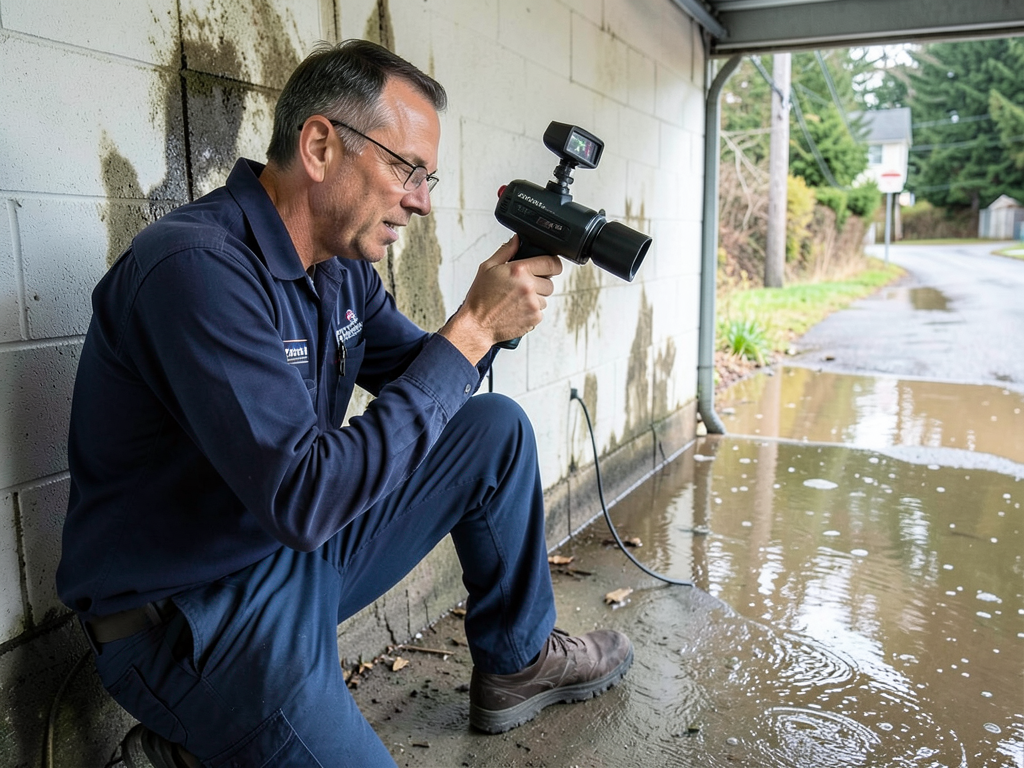
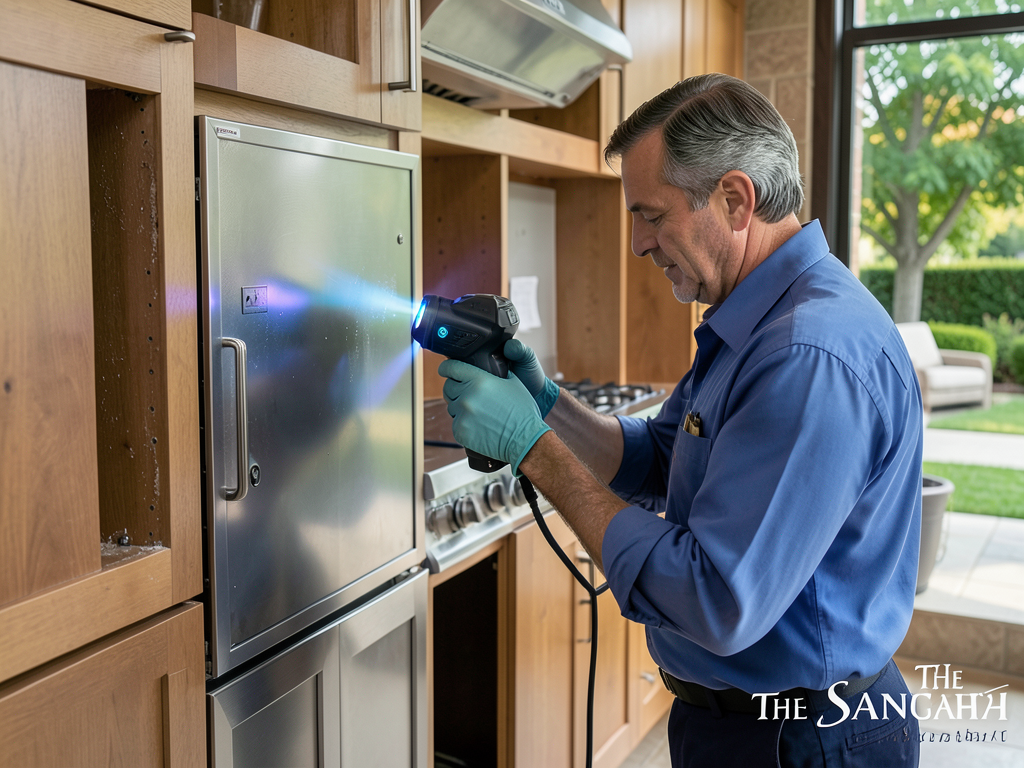
Step three is moisture mapping with thermal imaging cameras and penetrating moisture meters. We document moisture levels in walls, ceilings, and floors to create a drying plan. This data guides equipment placement and establishes a baseline for progress tracking.

Step four is controlled drying using commercial dehumidifiers and air movers. We create negative air pressure to pull moisture out of wall cavities and direct it into dehumidifiers. We do not just dry surfaces. We dry the structure.

Step five is antimicrobial application. Charlotte's humidity creates ideal conditions for mold growth within 24 to 48 hours of water intrusion. We apply EPA-registered antimicrobials to all affected surfaces to inhibit microbial colonization.

Throughout the process, we document everything for your insurance claim. Moisture readings, equipment logs, photographic evidence, and material removal records go into a detailed report that supports your claim and accelerates approval.

What Happens When You Call Us for Burst Pipe Flooding

Burst Pipe Water Damage Charlotte – 24/7 Emergency Response Within 60 Minutes
01

Emergency Dispatch and Arrival

You call our emergency line at (980) 342-9955. We answer immediately, not in the morning. Our dispatcher collects critical details about the failure location, water volume, and affected areas. A crew mobilizes within 15 minutes. We arrive with truck-mounted extraction equipment, industrial dehumidifiers, moisture meters, and thermal imaging cameras. Our technician performs an immediate walkthrough to assess damage severity and stop active water intrusion.
02

Water Extraction and Documentation

We extract standing water from all affected areas using high-capacity pumps and weighted extraction tools. Carpet, pad, and porous materials get pulled if saturation exceeds salvage thresholds. We document pre-loss conditions with photos and video. Moisture mapping begins immediately. We record readings in walls, subfloors, and ceilings to establish drying targets. This documentation becomes the foundation of your insurance claim and our drying protocol.
03

Structural Drying and Verification

Drying equipment runs 24/7 under active monitoring. We check moisture levels twice daily and adjust equipment placement based on readings. When all materials reach industry-standard dry goals, we verify with final moisture mapping. Antimicrobial treatment is applied to all surfaces that contacted water. You receive a complete project report with before and after moisture readings, equipment logs, and photographic documentation. The structure is dry, sanitized, and ready for reconstruction.

Why Charlotte Property Owners Choose Cornerstone for Ruptured Pipe Water Damage

You need a crew that knows how Charlotte homes are built. Crawlspace foundations with fiberglass insulation require different drying protocols than slab foundations with engineered hardwood. We understand how moisture behaves in the specific construction types common to Myers Park bungalows, Ballantyne tract homes, and South End condos.

We work directly with your insurance carrier. Broken pipe water damage is a covered peril under most homeowner policies, but claim approval depends on proper documentation. We provide itemized estimates, moisture logs, and material inventories that meet adjuster requirements. We have relationships with major carriers operating in Mecklenburg County. Your claim moves faster because we speak the language adjusters understand.

Our equipment capacity handles large-loss events. A ruptured main line can flood a 2,500-square-foot home with 6 inches of water in under an hour. We deploy truck-mounted extraction units that remove thousands of gallons per hour. We stage enough dehumidification capacity to dry the entire structure simultaneously. You do not wait three days for equipment to become available.

We hold IICRC certifications in water damage restoration and applied structural drying. Our technicians train on moisture science, psychrometrics, and building materials behavior. This is not a pickup truck and a shopvac operation. We apply engineering principles to drying. We measure. We document. We verify.

Charlotte's humidity complicates drying timelines. Outdoor dew points in July can exceed 70 degrees. We control the drying environment using commercial dehumidifiers that remove 20 to 30 gallons of water per day from the air. We create the conditions required for complete structural drying regardless of outdoor weather.

What to Expect During Burst Pipe Water Damage Restoration

Emergency Response Time

We guarantee arrival within 60 minutes of your call for emergency burst pipe flooding anywhere in Charlotte city limits. This includes South End, University area, Ballantyne, and neighborhoods within the I-485 loop. Our trucks carry full extraction and drying equipment. We do not need to make a second trip for tools. The crew that arrives is the crew that begins work immediately. Water damage progression accelerates dramatically in the first four hours. Our response time stops that progression before it reaches critical thresholds that require extensive demolition and reconstruction.

Initial Assessment and Moisture Mapping

We perform thermal imaging of all affected walls, ceilings, and floors within the first hour of arrival. Infrared cameras detect temperature differentials created by moisture trapped inside building assemblies. We follow up with penetrating moisture meters that measure water content in wood framing, drywall, and subfloors. This data tells us where water traveled through the structure and which materials require drying or removal. You receive a written moisture map that documents affected areas and establishes drying targets. This becomes the reference document for daily monitoring and final verification.

Complete Structural Drying

Drying timelines depend on the volume of water, affected materials, and outdoor conditions. Typical burst pipe water cleanup projects reach dry standard in three to five days. Large-loss events with significant wall cavity saturation can require seven to ten days. We measure progress daily and provide updates on moisture levels. Drying is complete when all building materials reach moisture content levels consistent with pre-loss conditions. We verify this with final moisture mapping and provide documentation that confirms the structure meets industry dry standards. You get proof the job is done correctly.

Post-Drying Verification and Documentation

After drying equipment is removed, we perform final moisture verification across all previously affected areas. Final readings are compared against initial readings to confirm moisture removal. You receive a complete project report that includes initial moisture maps, daily monitoring logs, equipment placement diagrams, and final verification readings. This documentation satisfies insurance requirements and provides proof of professional restoration. We also photograph the dried structure to document pre-reconstruction conditions. If mold testing is required by your insurance carrier, we coordinate third-party environmental testing and provide results to all parties.

Frequently Asked Questions

You Have Questions,
We Have Answers

Does insurance cover water damage from a burst pipe? +

Most homeowners insurance policies cover sudden and accidental water damage from burst pipes. This includes the cost to repair the pipe and damage to walls, floors, and belongings. However, coverage excludes damage from neglect or lack of maintenance. In Charlotte, where winter temperature swings can cause freeze-thaw pipe stress, insurers expect you to maintain heat and winterize vacant properties. Review your policy for specific exclusions. Damage from slow leaks or gradual seepage is typically denied. Document everything with photos and contact your insurer immediately after shutting off water.

How many hours below freezing to freeze pipes? +

Pipes can freeze when temperatures drop below 20 degrees Fahrenheit for at least six consecutive hours. In Charlotte, rare but sharp cold snaps create risk, especially for uninsulated pipes in crawl spaces, attics, or exterior walls. Factors like wind chill, pipe location, and insulation quality affect freezing time. Pipes along north-facing walls or in unheated garages freeze faster. Even brief exposure below freezing can weaken pipes through expansion, leading to delayed bursts when temperatures rise. Protect vulnerable pipes before temperatures drop, not during the freeze.

Who is responsible for burst water pipes? +

Responsibility depends on property ownership and pipe location. Homeowners own pipes inside their property line, including supply lines under the foundation. The city of Charlotte owns the main line up to your meter. Landlords handle repairs inside rental properties, but tenants may be liable if neglect caused the burst, like leaving heat off. In condos, the HOA typically covers shared plumbing, while unit owners handle fixtures and branch lines. Always check your lease, HOA bylaws, or deed. For insurance claims, liability matters less than proving sudden occurrence.

What to do after a water pipe bursts? +

Shut off the main water supply immediately to stop flooding. If safe, turn off electricity to affected areas to prevent shock hazards. Move furniture and valuables to dry areas. Open cabinet doors under sinks to release pressure and allow airflow. Document all damage with photos and videos before cleanup begins. Contact your insurance company to report the claim. Then call a licensed water damage restoration company. In Charlotte, fast response prevents mold growth in our humid climate. Do not delay. Water wicks through drywall and subfloors within hours, escalating damage and cost.

What is the average insurance payout for water damage? +

Average payouts range widely based on damage extent, policy limits, and deductibles. Minor burst pipe claims may settle for a few thousand dollars, covering drywall and flooring repairs. Severe flooding with structural damage, mold remediation, and content loss can exceed $20,000 to $50,000. Your payout depends on your coverage type. Actual cash value policies depreciate items, while replacement cost policies pay full value. In Charlotte, humidity accelerates secondary damage, often increasing claims. Insurers adjust based on documentation quality. Always itemize losses and get professional estimates before accepting settlement offers.

Do insurance companies pay out for burst pipes? +

Yes, insurers typically pay for sudden pipe bursts if you maintained the property and the damage was accidental. Claims get denied when neglect is proven, like ignoring known leaks or failing to heat a home during freezing weather. In Charlotte, adjusters investigate whether you took reasonable precautions during cold snaps. They review maintenance records and interview contractors. Quick reporting strengthens your claim. Delayed reporting raises red flags about cause and timeline. Always read your policy's water damage exclusions. Flood damage from external sources requires separate flood insurance and is not covered under standard homeowners policies.

At what temperature should you let your faucets drip? +

Let faucets drip when temperatures drop to 20 degrees Fahrenheit or below, especially overnight. In Charlotte, this threshold applies during rare winter cold fronts. A slow drip, about five drips per minute, relieves pressure inside pipes and keeps water moving, reducing freeze risk. Focus on faucets along exterior walls, in unheated spaces, or fed by exposed pipes. Both hot and cold taps should drip slightly. Open cabinet doors under sinks to allow warm air circulation. This simple step prevents costly damage during Charlotte's unpredictable winter weather.

What are signs of pipe damage after freezing? +

Signs include water stains on ceilings or walls, unexplained puddles, reduced water pressure, discolored water, and strange noises like banging or hissing. Frost or condensation on exposed pipes signals freezing occurred. Bulging or warped pipe sections indicate internal ice expansion. In Charlotte, check crawl spaces and attics after cold weather. Pipes may not burst immediately. Ice can weaken joints and create hairline cracks that leak slowly as they thaw. Even minor drips indicate compromised integrity. Inspect vulnerable pipes annually and after freezes to catch damage early before catastrophic failure.

What type of pipes burst most easily? +

Copper and PEX pipes resist freezing better than older galvanized steel or PVC pipes. Thin-walled copper pipes in uninsulated areas burst easily under pressure. PVC and CPVC pipes become brittle in cold and crack readily. Galvanized pipes corrode internally over time, weakening walls and increasing burst risk. In Charlotte, homes built before 1970 often have galvanized pipes vulnerable to failure. Pipes in exterior walls, crawl spaces, attics, and unheated garages freeze fastest. Small diameter pipes freeze quicker than larger mains. Location and insulation matter more than material in most freeze events.

How much does a plumber cost to fix a burst pipe? +

Plumbers in Charlotte charge $150 to $450 for simple pipe repairs, depending on location and material. Emergency after-hours calls cost more, sometimes double daytime rates. Extensive repairs involving wall or floor access, multiple joints, or repiping sections increase costs significantly. Frozen pipe thawing without bursting runs $200 to $500. These figures cover plumbing labor only. Water damage restoration, drywall replacement, and mold remediation are separate costs handled by restoration specialists. Always get written estimates. Plumbing repairs stop the leak. Restoration repairs the destruction. Both are needed after a burst.

Why Charlotte's Freezing Rain Events Make Burst Pipe Prevention Critical

Charlotte experiences an average of 15 to 20 freezing events per winter, but the risk is not evenly distributed. Ice storms and freezing rain create conditions far more dangerous to plumbing systems than dry cold. When freezing rain coats exposed pipes in crawlspaces or exterior walls, the combination of wind chill and prolonged contact accelerates freezing. Pipes in unconditioned spaces like detached garages, pool houses, and crawlspaces under additions are particularly vulnerable. Homes built before 1980 often lack adequate crawlspace insulation or pipe insulation. A single night of freezing rain can cause multiple pipe failures across a property.

Cornerstone Water Damage Restoration Charlotte understands how local building practices and climate patterns create specific vulnerabilities. We train our crews on the construction methods common to different Charlotte neighborhoods and how those methods affect water damage severity and drying requirements. When you call us for ruptured pipe water damage, you get a team that knows the difference between a 1950s crawlspace foundation in Dilworth and a 2015 slab foundation in Ballantyne. That knowledge directly impacts drying efficiency, equipment selection, and claim documentation quality.
Water Damage Restoration Services in The Charlotte Area

Cornerstone is proud to serve Charlotte and the surrounding areas, providing rapid and reliable water damage restoration services when you need them most. Our commitment extends to ensuring properties across our service region receive expert care. You can find our main office located conveniently, allowing us to quickly dispatch our teams to your location and address your water damage emergencies with efficiency and professionalism. We are always ready to assist you.

Address:
Cornerstone Water Damage Restoration Charlotte, 222 Baldwin Ave, Charlotte, NC, 28204

Additional Services We Offer

Our news updates

Latest Articles & News from The Blogs

The Best Smart Leak Detectors to Prevent Water Damage in Ballantyne Water damage strikes Ballantyne homes every day from burst…

The Best Smart Leak Detectors to Prevent Water Damage in Ballantyne

The Best Smart Leak Detectors to Prevent Water Damage in Ballantyne Water damage strikes Ballantyne homes every day from burst…

Safeguarding Expensive Home Theater Gear from Water Damage in Myers Park

Safeguarding Expensive Home Theater Gear from Water Damage in Myers Park Myers Park’s stately homes and finished basements create the…

Common Health Symptoms That Might Point to Hidden Water Damage in Your Home

Common Health Symptoms That Might Point to Hidden Water Damage in Your Home Water damage in your Charlotte home often…

Contact Us

Water damage spreads every minute the problem continues. Call Cornerstone Water Damage Restoration Charlotte now at (980) 342-9955 for immediate dispatch. We answer 24/7. Our crews are ready to stop the damage and begin professional restoration.