




Menu

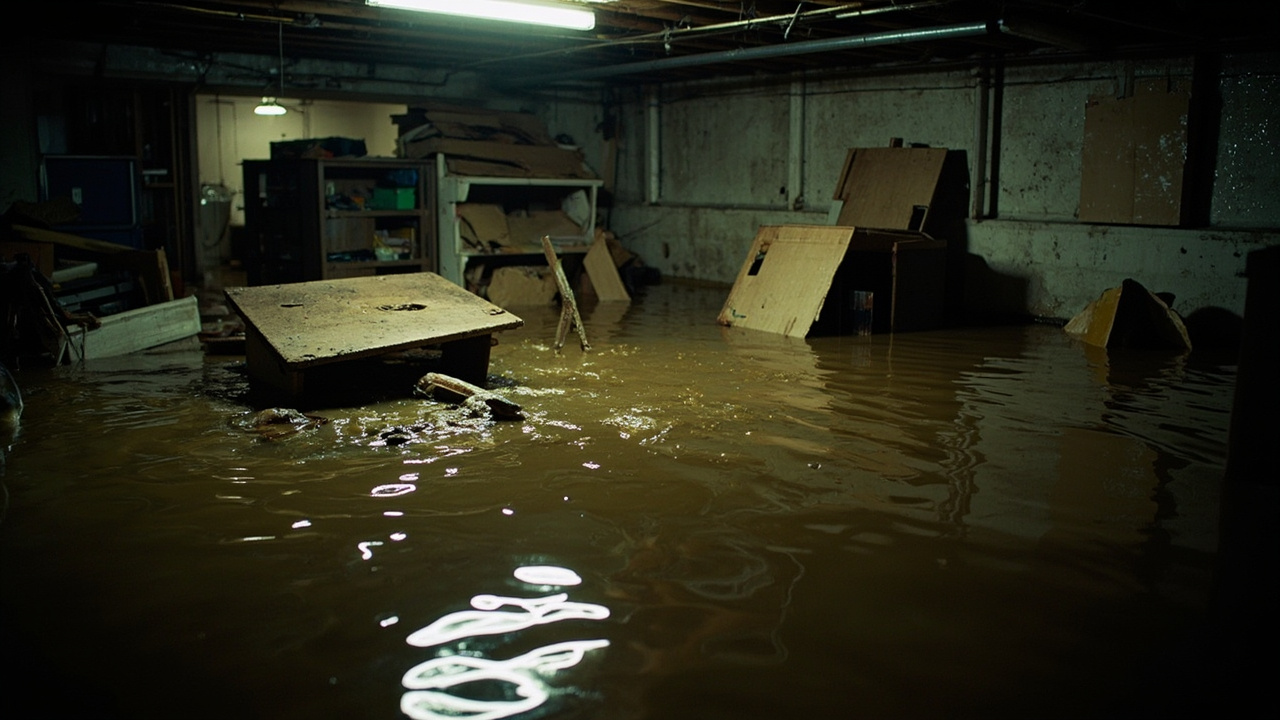
Basement Flood Cleanup in Charlotte – 24/7 Emergency Water Extraction and Complete Restoration

Expert basement flood restoration for Charlotte homes and businesses, including rapid water extraction, structural drying, mold prevention, and full remediation to protect your property investment.

Slider Image 1
Slider Image 2
Slider Image 3
Slider Image 4
Slider Image 5
Slider Image 7
Slider Image 8
Slider Image 9
Slider Image 10
Slider Image 11

Why Charlotte Basements Flood and Why Speed Matters

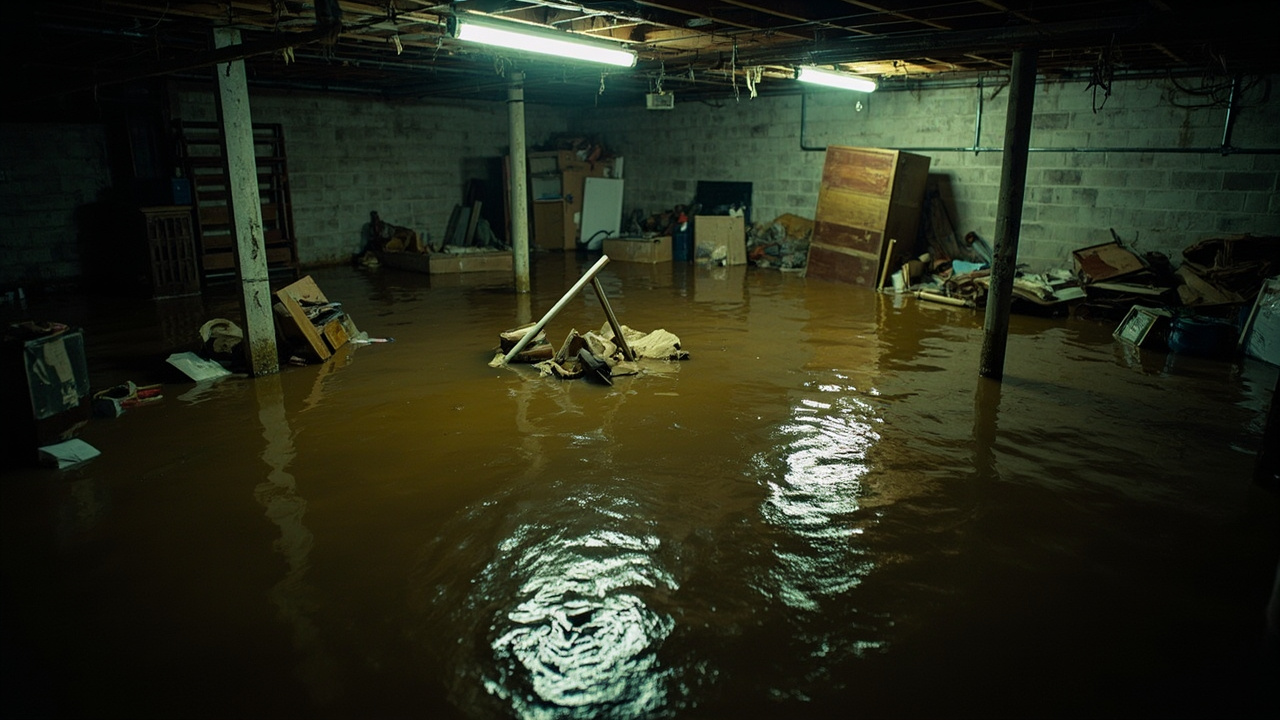
Charlotte sits in the Piedmont region, where clay soil expansion and shallow water tables create the perfect storm for basement flooding. When heavy rains hit, that dense Carolina clay does not absorb water quickly. Instead, hydrostatic pressure builds against foundation walls, forcing water through cracks, window wells, and floor joints.

Add in Charlotte's aging housing stock in neighborhoods like Dilworth and Myers Park, where original drainage systems were never designed for today's storm intensity, and you get basements that flood during even moderate rainfall. Newer developments in areas like Ballantyne face different problems. Rapid construction sometimes means inadequate grading or overwhelmed storm drains that push water back toward foundations.

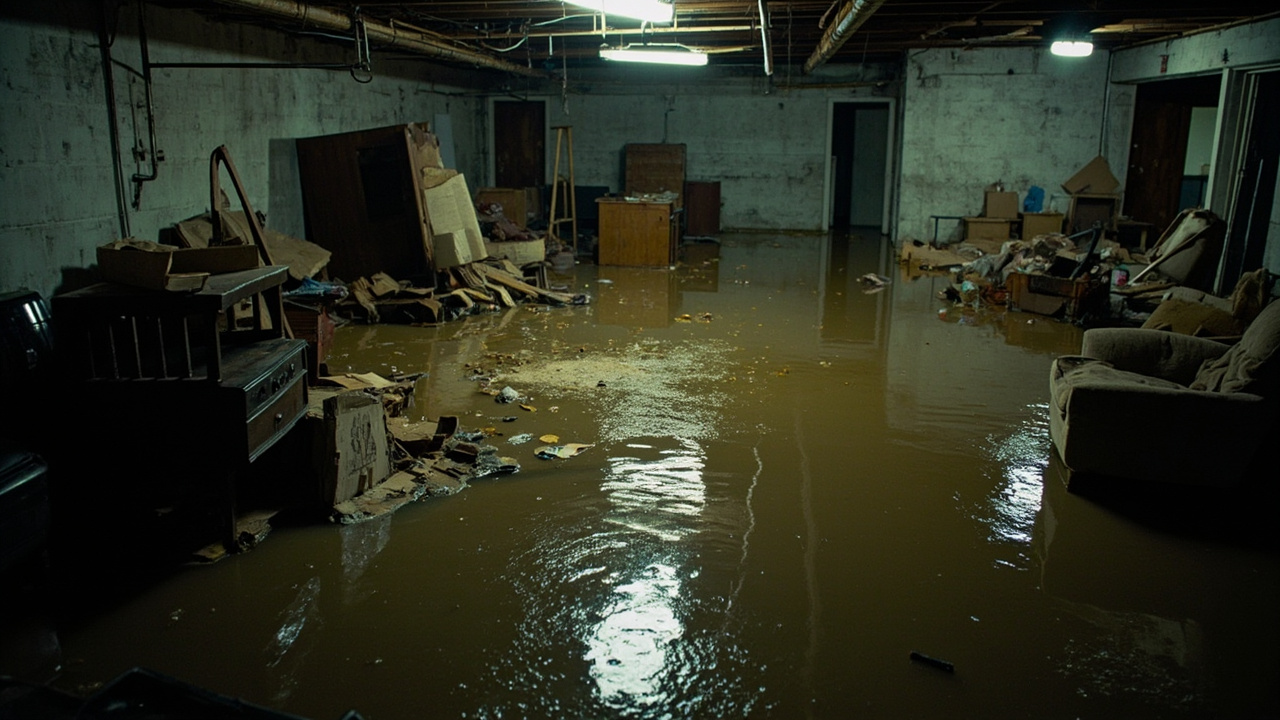
The real danger starts after the water stops rising. Within 24 to 48 hours, mold colonies begin forming on drywall, insulation, and stored belongings. Wet carpet padding becomes a bacterial breeding ground. Wooden floor joists absorb moisture and lose structural integrity. Flooded basement water removal is not just about pumping out standing water. It requires basement water extraction equipment that pulls moisture from porous materials, dehumidification to prevent secondary damage, and antimicrobial treatment to stop microbial growth.

Every hour you wait increases restoration difficulty and total damage. What starts as a water problem becomes a mold problem, then a structural problem. Flooded basement remediation must happen fast, using industrial-grade equipment and proper sequencing, or you risk needing foundation repairs and complete mold abatement months later.

Why Charlotte Basements Flood and Why Speed Matters
Our Technical Approach to Basement Flood Restoration

Our Technical Approach to Basement Flood Restoration

Basement flood restoration is not a wet vac and a few fans. Proper flooded basement pumping requires submersible pumps rated for solids handling, because floodwater carries sediment, debris, and sewage contamination. We deploy truck-mounted extractors that generate enough vacuum force to pull water from carpet, padding, and concrete pores.

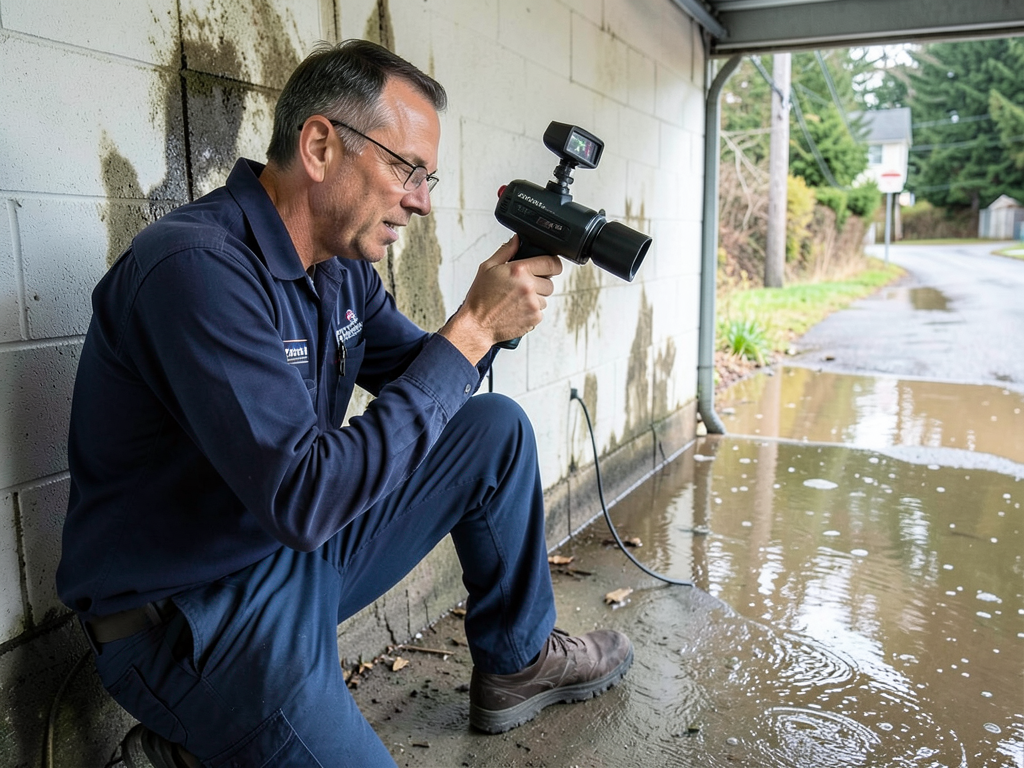
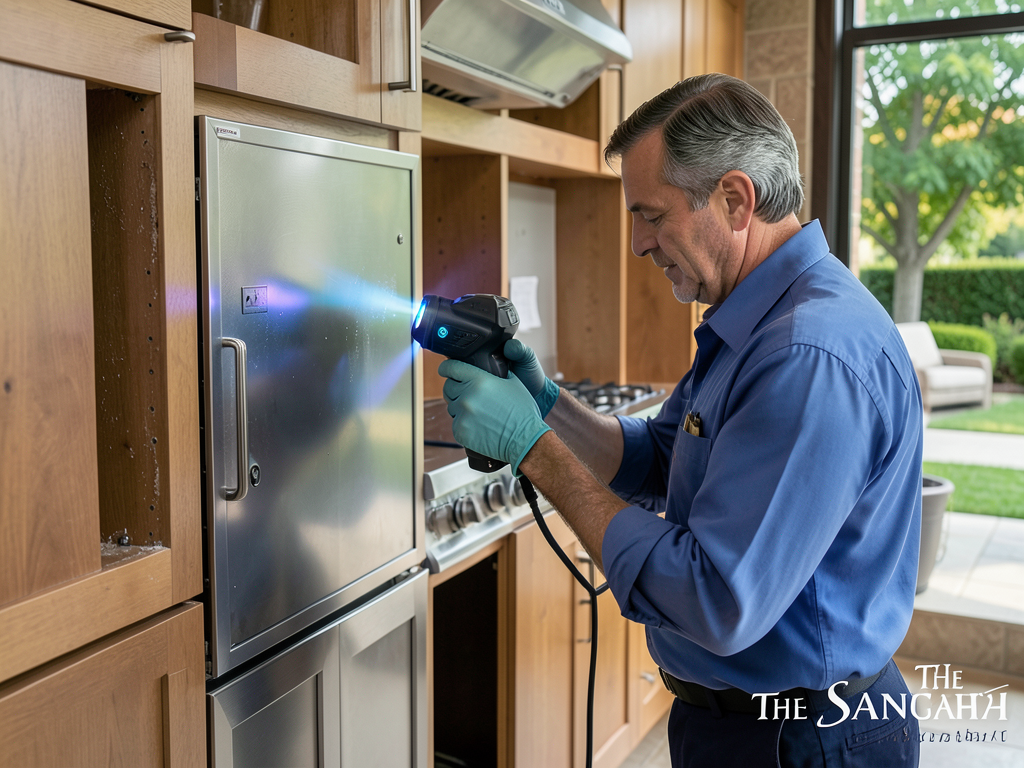
After extraction, we map moisture levels using thermal imaging cameras and penetrating moisture meters. You cannot see trapped water behind drywall or under vinyl flooring, but our equipment detects it. We document moisture readings in floor joists, wall studs, and subfloors to create a drying plan that targets actual saturation, not guesswork.

Our drying system uses low-grain refrigerant dehumidifiers that remove moisture from the air while axial air movers create airflow across wet surfaces. We do not just point fans at wet carpet. We calculate grain depression and vapor pressure differential to ensure drying happens at the molecular level. This prevents trapped moisture that causes mold growth weeks after you think everything is dry.

For Category 3 water intrusion, which includes sewage backups or flooding from external sources, we apply EPA-registered antimicrobials and remove contaminated materials per IICRC S500 standards. Drywall that contacted floodwater for more than 48 hours gets removed to the nearest stud. Insulation gets stripped. We do not try to save materials that create health risks.

Throughout the process, we monitor daily moisture readings and adjust equipment placement. Drying is not complete when surfaces feel dry. It is complete when moisture content matches established drying standards for each material type. That level of precision prevents callbacks and ensures your basement stays dry after we leave.

How Emergency Basement Water Extraction Works

Basement Flood Cleanup in Charlotte – 24/7 Emergency Water Extraction and Complete Restoration
01

Immediate Water Removal

We arrive with truck-mounted pumps and portable extraction units to remove standing water within the first hour. Our submersible pumps handle up to 100 gallons per minute, clearing flooded basements quickly while our team identifies the water source and stops ongoing intrusion. Speed here prevents additional absorption into walls and flooring.
02

Moisture Mapping and Containment

After visible water removal, we use thermal cameras and moisture sensors to locate hidden saturation in walls, subfloors, and structural cavities. We establish drying chambers using air movers and dehumidifiers, creating controlled environments that pull moisture from materials. This prevents mold growth and stops water migration to unaffected areas of your home.
03

Restoration and Prevention

Once moisture levels reach industry-standard drying goals, we complete repairs using mold-resistant materials and improved waterproofing methods. We document the entire process for insurance claims and provide recommendations to prevent future flooding, including sump pump upgrades, drainage improvements, and foundation crack repair referrals specific to Charlotte soil conditions.

Why Charlotte Property Owners Choose Cornerstone for Basement Flooding

Charlotte basement flooding requires specific local knowledge that national chains lack. We understand how Mecklenburg County's clay soil behaves during wet seasons, how the elevation changes from uptown to Lake Norman affect drainage patterns, and which neighborhoods face chronic flooding due to outdated infrastructure.

When your basement floods at 2 a.m. during a thunderstorm, you need a team that knows Charlotte streets, can navigate quickly to your location, and arrives with equipment already loaded. We do not dispatch from regional hubs hours away. Our crews are local, our response times are faster, and our equipment stays in Charlotte.

We work directly with local insurance adjusters who handle claims in this market. They know our documentation standards, trust our moisture readings, and process our estimates without the back-and-forth delays that slow restoration. That means faster approval, faster work completion, and less time living with a damaged basement.

Our knowledge of Charlotte building codes and local permit requirements keeps your restoration compliant. If flooding damaged electrical systems or HVAC equipment, we coordinate inspections and ensure repairs meet current code. That protects your home value and prevents issues when you sell.

We also understand the construction methods common in different Charlotte neighborhoods. Historic homes in Plaza Midwood have different foundation types than new builds in Waxhaw. Basement finishing trends differ between areas. That local expertise means we restore your basement correctly for your specific property type, not using a generic approach that might work in another climate but fails here.

Cornerstone Water Damage Restoration Charlotte has built relationships with local contractors, plumbers, and electricians who respond quickly when flooding creates secondary damage. We coordinate the entire restoration, so you are not managing five different vendors.

What to Expect During Basement Flood Cleanup

Emergency Response Time

We answer emergency calls 24 hours a day, 365 days a year. When you call, you reach our dispatch team immediately, not an answering service. We deploy crews within 60 to 90 minutes for emergency basement flooding anywhere in the Charlotte metro area, including surrounding communities in Mecklenburg, Union, and Cabarrus counties. Our trucks carry complete extraction and drying equipment, so we start work the moment we arrive. No waiting for equipment rentals or second trips. You get immediate water removal and damage mitigation, which directly reduces total restoration time and prevents mold growth that starts within 24 hours of flooding.

Comprehensive Damage Assessment

Before we start pumping water, we document everything. Our team photographs damage, measures moisture levels in floors and walls, and identifies contamination categories. We check for structural damage, electrical hazards, and HVAC system compromise. You receive a detailed assessment report that breaks down what needs immediate attention versus what can wait, helping you make informed decisions about scope and budget. This documentation becomes critical for insurance claims. We provide moisture maps, equipment logs, and daily progress reports that adjusters need to approve your claim quickly and fully.

Complete Drying and Restoration

Finished basements take three to five days to dry properly using industrial dehumidifiers and air movers. Unfinished concrete basements dry faster, often within two to three days. We do not remove equipment based on how things look or feel. We take daily moisture readings and compare them to established drying standards for each material. When readings confirm complete drying, we begin reconstruction using mold-resistant drywall, treated lumber, and improved moisture barriers. Your basement comes back cleaner and more flood-resistant than before, with proper waterproofing and drainage improvements included.

Post-Restoration Support

After restoration finishes, we provide recommendations to prevent future flooding specific to your property. This might include sump pump installation, French drain systems, or grading corrections based on what caused your basement to flood. We also offer follow-up moisture inspections at 30 and 60 days post-restoration to confirm no hidden moisture remained that could cause delayed mold growth. Our team stays available to answer questions, address concerns, or coordinate with your insurance company if claim issues arise. You are not on your own once the equipment leaves.

Frequently Asked Questions

You Have Questions,
We Have Answers

How to clean up after a flooded basement? +

Stop the water source immediately, then prioritize safety. Turn off power to affected areas before entering. Remove standing water with a pump or wet vac. Pull out saturated materials like rugs, furniture, and damaged drywall within 24 hours. Charlotte's high humidity accelerates mold growth, so speed matters. Document everything with photos for insurance. Use fans and dehumidifiers to start drying, but professional extraction equipment reaches hidden moisture in concrete and subflooring that household tools miss. DIY cleanup often leaves moisture trapped in walls and crawlspaces, creating mold problems weeks later.

How much does it cost to clean up a flooded basement? +

Charlotte basement flood cleanup typically ranges from $1,500 to $10,000, depending on water volume, contamination level, and structural damage. Clean water from a burst pipe costs less than sewage backups, which require biohazard protocols. Costs increase if water sat for days, if mold remediation is needed, or if you have finished spaces with drywall and insulation. Clay soil common in Charlotte can cause foundation cracks that complicate drying. Most insurance policies cover sudden flooding from internal sources. Get multiple estimates, but prioritize certified restorers who use moisture meters and thermal imaging to find hidden water pockets.

How much does Servpro cost to clean a basement? +

Servpro pricing for basement cleanup in Charlotte varies by job scope, but expect similar rates to other certified restorers, typically $1,500 to $8,000 for most residential basements. They charge for water extraction, drying equipment rental, antimicrobial treatment, and labor. Franchise pricing can differ. The real question is value. Compare certifications, equipment quality, and response time. Some Charlotte companies offer more personalized service and faster arrival times than national chains. Always verify they use professional moisture detection tools and provide detailed documentation for your insurance claim, regardless of brand name.

Will insurance pay for a flooded basement? +

Maybe. Standard homeowners insurance in Charlotte typically covers basement flooding from sudden internal failures like burst pipes, water heater leaks, or sump pump mechanical breakdowns. It does not cover groundwater seepage, sewer backups, or surface water intrusion without separate endorsements. Read your policy exclusions carefully. Heavy rain events common in Charlotte often cause external flooding, which requires separate flood insurance through FEMA. Document the source immediately with photos. If a pipe burst, insurance usually pays. If water came through foundation cracks during a storm, you likely need flood coverage.

How do I prevent mold after a basement flood? +

Remove all standing water within 24 hours and get air moving immediately. Charlotte's humidity creates perfect mold conditions. Run industrial dehumidifiers and air movers continuously, targeting 30-50% humidity. Remove wet drywall, insulation, and carpet padding, which trap moisture. Spray exposed studs and concrete with antimicrobial solution. Do not rely on fans alone. Concrete basements in Charlotte hold moisture for weeks without proper drying equipment. Professional moisture meters detect hidden dampness in walls and subfloors. Mold prevention requires complete drying, not just surface drying. Missing hidden moisture guarantees mold growth within days.

How long does it take for mold to grow after flooding? +

Mold spores begin colonizing within 24 to 48 hours after flooding in Charlotte's humid climate. Visible growth appears in 3 to 5 days on porous materials like drywall, insulation, and wood. Basements are especially vulnerable because they stay damp longer and have poor ventilation. You cannot see mold immediately, but the damage starts fast. This is why emergency water removal matters. Once mold establishes, you need separate remediation, which costs more than prevention. The clock starts the moment water touches surfaces. Waiting even two days to start drying significantly increases your mold risk and cleanup costs.

How long does it take to dry out a basement after a flood? +

Complete basement drying in Charlotte takes 3 to 7 days with professional equipment running continuously. Concrete foundations and clay soil conditions slow the process. Surface water disappears quickly, but moisture trapped in walls, subfloors, and framing takes longer. Finished basements with drywall need more time than unfinished spaces. Humidity levels, ventilation, and water volume affect timelines. DIY methods can take weeks and often fail to fully dry hidden areas. Professional restorers use moisture meters to confirm dryness before removing equipment. Stopping too early leaves dampness that guarantees mold. Proper drying is not negotiable.

What is the most expensive part of finishing a basement? +

This question relates to remodeling, not flood cleanup. The most expensive basement finishing cost is typically framing, drywall, and HVAC extensions, followed by bathroom or kitchen additions requiring plumbing. After a flood, however, you face different costs. Structural drying, mold remediation, and replacing waterlogged materials come first. Many Charlotte homeowners learn the hard way that finishing a flood-prone basement without addressing drainage issues and waterproofing just creates expensive repeated damage. Fix the water problem permanently before refinishing. Focus on flood cleanup now. Remodeling decisions come after you solve the moisture intrusion that caused this mess.

Does flood insurance pay for clean up? +

Flood insurance through the National Flood Protection Program covers cleanup costs, structural drying, debris removal, and repairs up to your policy limits. It pays for water extraction, damaged materials replacement, and mold prevention if you act quickly. Standard homeowners policies do not cover external flooding, which is common in Charlotte during heavy rain events. If you have flood insurance and file promptly with documentation, cleanup is covered. Deductibles apply. The key is proving the loss and starting mitigation immediately to prevent secondary damage. Delayed action can result in claim denials for mold or negligence.

How much does it cost to finish a 2000 sq ft basement? +

This question addresses remodeling costs, not flood recovery. Finishing 2,000 square feet typically costs $30,000 to $80,000, depending on materials and features. However, you are dealing with flood damage now. Before considering refinishing, you must completely dry the space, assess structural damage, fix the water intrusion source, and possibly waterproof your foundation. Charlotte's clay soil and drainage issues cause repeat flooding. Many homeowners waste money refinishing basements without solving the water problem first. Focus your budget on professional flood cleanup, permanent drainage solutions, and moisture barriers. Cosmetic finishing comes later, after you eliminate the flood risk.

How Charlotte's Clay Soil and Storm Patterns Increase Basement Flooding Risk

Charlotte sits on heavy Piedmont clay soil that expands when wet and contracts when dry. During spring and summer storms, that expansion creates hydrostatic pressure against foundation walls, forcing water through any crack or gap. Older neighborhoods like Elizabeth and Chantilly were built before modern waterproofing standards existed, making them especially vulnerable. Even newer homes in areas like Steele Creek face flooding when construction grading fails to account for clay soil drainage patterns. Rapid water extraction and proper basement drying techniques must account for how this soil holds moisture longer than sandy or loamy soils found in other regions.

Working in Charlotte means understanding local building codes, knowing which areas flood during typical summer thunderstorms versus which flood only during tropical systems, and having relationships with Mecklenburg County inspectors who review restoration work. We know that homes near McMullen and Briar Creek require different drainage solutions than properties in Ballantyne. That local expertise speeds up restoration, reduces costs, and ensures repairs actually solve the flooding problem instead of just cleaning up the current mess. National restoration franchises bring generic solutions. Local teams bring knowledge that prevents the next flood.
Water Damage Restoration Services in The Charlotte Area

Cornerstone is proud to serve Charlotte and the surrounding areas, providing rapid and reliable water damage restoration services when you need them most. Our commitment extends to ensuring properties across our service region receive expert care. You can find our main office located conveniently, allowing us to quickly dispatch our teams to your location and address your water damage emergencies with efficiency and professionalism. We are always ready to assist you.

Address:
Cornerstone Water Damage Restoration Charlotte, 222 Baldwin Ave, Charlotte, NC, 28204

Additional Services We Offer

Our news updates

Latest Articles & News from The Blogs

The Best Smart Leak Detectors to Prevent Water Damage in Ballantyne Water damage strikes Ballantyne homes every day from burst…

The Best Smart Leak Detectors to Prevent Water Damage in Ballantyne

The Best Smart Leak Detectors to Prevent Water Damage in Ballantyne Water damage strikes Ballantyne homes every day from burst…

Safeguarding Expensive Home Theater Gear from Water Damage in Myers Park

Safeguarding Expensive Home Theater Gear from Water Damage in Myers Park Myers Park’s stately homes and finished basements create the…

Common Health Symptoms That Might Point to Hidden Water Damage in Your Home

Common Health Symptoms That Might Point to Hidden Water Damage in Your Home Water damage in your Charlotte home often…

Contact Us

Water damage worsens every hour. Call Cornerstone Water Damage Restoration Charlotte now at (980) 342-9955 for immediate basement water extraction and complete flood restoration. Our crews are standing by 24/7 to protect your property.