




Matthews sits in Mecklenburg County where clay soil and high water tables create serious flooding risks during Carolina storm season. The same dense clay that makes our lawns green traps water around foundations, pushing it into crawl spaces and basements. When Hurricane remnants dump 4 to 6 inches of rain in 24 hours, that water has nowhere to go but inside.
Homes near McDowell Creek and Goose Creek know this problem well. Spring flooding hits neighborhoods along these waterways hard, and summer thunderstorms overwhelm gutters and drainage systems built in the 1990s before Matthews grew into the larger town it is today. The combination of older housing stock in downtown Matthews and newer construction in subdivisions off Highway 51 means water intrusion problems vary wildly based on where you live.
Matthews also has high humidity from May through September. Water that gets into walls or under flooring during a pipe burst will not dry on its own. Without professional extraction and dehumidification, you are looking at mold growth within 48 hours. The IICRC sets the standard at 24 to 48 hours for complete drying to prevent microbial growth, and Matthews climate makes that timeline even tighter.
We have been pulling water out of Matthews homes since day one, and we have seen every type of damage this area throws at properties. Burst pipes in February freezes. Failed sump pumps during April storms. Washing machine hoses that let go on the second floor. HVAC condensate lines that flood attics. We know what Matthews properties face because we work in them every single day.
Our team holds IICRC certifications in water damage restoration and applied structural drying. That means we follow science-based protocols for moisture mapping, not guesswork. We use thermal imaging to find hidden water in wall cavities and moisture meters to track drying progress in real time. When we say a structure is dry, we have the readings to prove it to your insurance adjuster.
We also understand how insurance claims work in North Carolina. We document everything with photos, moisture logs, and equipment placement records. We communicate directly with your adjuster and provide the backup they need to approve your claim. Most Matthews homeowners have never filed a water damage claim before. We walk you through it step by step so you are not figuring it out alone while your house is torn apart.
Speed matters in this work. We dispatch trucks within 60 to 90 minutes of your call, and we bring everything needed for immediate water extraction and setup of commercial dehumidifiers. The faster we start, the less damage your property takes. That saves you money and gets you back in your home faster. We are not the cheapest option in Matthews. We are the option that does it right so you do not pay twice.

We dispatch trained technicians to Matthews properties within 60 to 90 minutes of your emergency call. Our trucks carry truck-mounted extraction units, commercial dehumidifiers, air movers, and moisture detection equipment. We start mitigation immediately, not tomorrow morning. Fast response means less damage and lower restoration costs for your property.

We handle insurance documentation from start to finish. Our technicians photograph damage, log moisture readings, track equipment usage, and provide detailed reports your adjuster needs to approve claims. We communicate directly with your insurance company so you are not stuck in the middle translating water damage terminology and explaining mitigation protocols.
Our restoration technicians hold current IICRC certifications in water damage restoration and applied structural drying. We follow Institute standards for moisture mapping, psychrometry, and drying chamber setup. This is not on-the-job training. Our team knows how to dry structures completely and prevent secondary damage like mold growth or wood rot.
We have worked in every Matthews neighborhood from downtown historic homes to new construction off Weddington Road. We know how local clay soil affects foundation drainage, where properties flood during heavy rain, and how Matthews building stock responds to water intrusion. Local knowledge means faster diagnosis and better mitigation strategies for your specific property.
Water damage restoration is not one service. It is a sequence of specialized procedures that must happen in the right order to save your property. Cornerstone Water Damage Restoration Charlotte handles everything from initial emergency water removal through final structural repairs and reconstruction.
We start with water extraction using truck-mounted pumps and portable extractors to remove standing water from floors, carpets, and basements. Next comes structural drying with commercial dehumidifiers and high-velocity air movers positioned based on moisture meter readings. We monitor drying progress daily and adjust equipment placement until moisture levels return to normal.
Our services also include content pack-out and storage for belongings damaged by water, mold remediation if microbial growth has started, and reconstruction to replace drywall, flooring, or structural elements that cannot be saved. We handle the entire project under one roof so you are not coordinating between five different contractors. Our team stays on site from water removal through final walk-through. Matthews homeowners get one point of contact and one company accountable for results.
Standing water destroys flooring, soaks into drywall, and creates mold conditions within hours. Our emergency water extraction service deploys truck-mounted pumps and portable extractors to remove water fast. We pull water from basements, crawl spaces, and living areas, then set up dehumidifiers and air movers to start structural drying immediately. Emergency mitigation means stopping damage progression before it doubles your repair costs.
Removing standing water is step one. Complete structural drying is what prevents mold and saves your building materials. We use thermal imaging to map hidden moisture in walls and ceilings, then position commercial dehumidifiers and air movers based on psychrometric calculations. Daily moisture monitoring tracks drying progress until readings confirm your structure is completely dry. This is applied structural drying done to IICRC standards.
Some materials cannot be saved after water damage. We handle reconstruction for drywall replacement, flooring installation, cabinet repair, and structural framing when needed. Our team tears out damaged materials, treats framing for mold prevention, and rebuilds to match existing finishes. You get one contractor from water extraction through final paint, not a restoration company that disappears once the drying equipment comes out.
Matthews properties face water intrusion from multiple sources, and the problems change with the seasons. Winter freezes cause pipe bursts in exterior walls and unheated crawl spaces. Spring storms overwhelm gutters and flood basements in older neighborhoods near McDowell Creek. Summer humidity keeps structures from drying after leaks, creating perfect mold conditions. Fall hurricane remnants dump rain faster than storm drains can handle.
Clay soil around Matthews foundations does not absorb water well. Heavy rain pools against foundation walls and pushes into basements or crawl spaces through cracks and failed waterproofing. Homes built before 2000 often lack proper foundation drainage, and French drains installed decades ago are clogged with sediment. Water finds a way in, and once it does, it spreads fast through carpet, drywall, and insulation.
We also see significant damage from plumbing failures. Water heaters last 10 to 12 years in Matthews before they start leaking. Washing machine hoses fail without warning. Toilet supply lines crack and flood bathrooms overnight. HVAC condensate lines clog and overflow into attics. These failures happen when you are not home, and by the time you discover the problem, water has been running for hours.
Heavy rain overwhelms foundation drainage systems in older Matthews neighborhoods. Water pools against basement walls, finds cracks in foundation seals, and floods finished basements. Clay soil makes this worse by preventing ground absorption. We extract standing water, dry structural elements, and treat for mold prevention before damage spreads to framing and insulation.
Pipes in exterior walls and unheated crawl spaces freeze during January and February cold snaps. When temperatures rise, those pipes burst and flood homes with gallons per minute. We see this most in vacation properties and homes where owners turn heat down too low. Fast water extraction and structural drying prevent subfloor damage and mold growth in wall cavities.
Appliance failures dump 40 to 50 gallons of water into laundry rooms and utility closets before homeowners notice. Water soaks through flooring into crawl spaces or first-floor ceilings. Second-floor laundry rooms create the worst damage when water runs through ceiling joists into rooms below. We contain the damage, extract water from multiple levels, and dry hidden areas behind walls.
Missing shingles and failed flashing allow water into Matthews attics during storms. Water soaks insulation, drips into walls, and stains ceilings before homeowners realize there is a problem. Attic humidity creates mold conditions fast. We remove wet insulation, dry structural framing, treat for mold, and document damage for insurance claims and roof repair contractors.
We know you are calling because something has gone wrong in your home. Water is spreading, your belongings are soaked, and you need help now. Our process is built around speed and clear communication so you know exactly what is happening at every step.
When you call our emergency line, you talk to a trained technician who asks specific questions about your water damage. Where is the water coming from? How much standing water do you see? What rooms are affected? This information helps us dispatch the right equipment and crew size for your situation.
Our team arrives within 60 to 90 minutes with extraction equipment, moisture meters, and thermal imaging cameras. We assess damage, explain what needs to happen, and start water removal immediately. You get a clear scope of work and timeline before we begin. We also document everything for your insurance claim from day one. Our goal is to stop damage progression fast, dry your property completely, and get you back to normal as quickly as possible.
We take your emergency call and dispatch a crew immediately. Our technicians arrive at your Matthews property within 60 to 90 minutes with water extraction equipment and commercial drying gear. We do not schedule you for tomorrow or next week. Water damage requires immediate response to prevent secondary damage like mold growth, wood rot, and structural deterioration. Speed saves your property and lowers restoration costs.
You get daily updates on drying progress with actual moisture meter readings, not vague assurances. Our technicians explain what equipment is running, why it is positioned where it is, and when moisture levels will return to normal. We also communicate directly with your insurance adjuster and provide documentation they need for claim approval. You are never left wondering what is happening with your property.
We do not pull equipment based on timelines or guesswork. Drying is complete when moisture meters confirm your walls, floors, and structural elements have returned to normal moisture content. We test multiple locations, compare readings to baseline standards, and document results. Your insurance company gets verification that drying is complete, and you get confidence that mold will not appear three weeks later.
Water damage restoration follows a specific sequence. Skip steps or do them out of order and you end up with mold, structural damage, or failed insurance claims. We have refined this process through hundreds of Matthews restoration projects.
We arrive on site, assess the source and category of water damage, and start extraction immediately. Truck-mounted pumps remove standing water from basements and crawl spaces. Portable extractors pull water from carpets and flooring. We also document damage with photos and moisture readings for insurance purposes. This initial mitigation stops damage from spreading while we develop a complete drying plan for your property.
Commercial dehumidifiers and air movers run continuously to dry walls, floors, and structural framing. We use thermal imaging to locate hidden moisture and position equipment for maximum effectiveness. Technicians visit daily to record moisture levels and adjust equipment placement. Drying continues until moisture meters confirm all affected materials have returned to normal levels. This phase typically takes three to five days depending on materials affected and humidity conditions.
Once structures are completely dry, we handle repairs and reconstruction. This includes replacing drywall, installing new flooring, repainting, and rebuilding anything damaged beyond repair. We also treat framing with antimicrobial solutions to prevent mold growth. Our reconstruction team matches existing finishes so repaired areas blend seamlessly with undamaged portions of your home. You get one contractor from water extraction through final walk-through.
The IICRC sets industry standards for water damage restoration through the S500 Standard and Reference Guide. This document defines water categories, establishes drying protocols, and outlines safety procedures for restoration technicians. Understanding these standards helps Matthews homeowners know what proper restoration looks like and why certain procedures are necessary.
Water damage falls into three categories based on contamination level. Category 1 is clean water from supply lines or rain. Category 2 is gray water from appliances or toilet overflow that contains some contamination. Category 3 is black water from sewage or flooding that contains harmful bacteria and requires special handling. The category determines what materials can be saved and what safety equipment technicians must use.
Drying standards are based on psychrometry, the science of air and moisture interaction. Proper structural drying requires controlling temperature, humidity, and airflow to move moisture from wet materials into the air, then removing that moisture with dehumidification. We calculate grain depression, which measures how much moisture air can still hold, to determine dehumidifier capacity and placement.
Matthews climate complicates drying because outdoor humidity stays high from May through September. We cannot open windows and rely on ventilation like restoration companies do in dry climates. Commercial dehumidifiers must run continuously to create the low humidity environment needed for complete drying. This is why proper equipment sizing matters. Undersized dehumidifiers cannot overcome ambient humidity and structures stay damp.
North Carolina does not require licensing for water damage restoration contractors, which means quality varies significantly. IICRC certification is voluntary but it proves technicians have been trained in proper procedures. When choosing a restoration company in Matthews, ask about IICRC credentials and request documentation that drying will follow S500 standards. Your insurance company expects this level of professionalism and your property deserves it.
The S500 standard establishes protocols for water damage assessment, moisture mapping, equipment selection, and drying verification. Proper restoration follows these science-based procedures, not shortcuts. We document compliance with S500 standards through daily moisture logs and psychrometric calculations that prove structures are drying correctly. Your insurance adjuster expects this documentation for claim approval.
Restoration costs depend on water category, affected square footage, materials damaged, and drying time required. Category 3 black water costs more because of safety protocols and disposal requirements. Hardwood floors cost more to dry than carpet. Finished basements require more labor than empty crawl spaces. We provide detailed estimates that break down costs by phase so you understand what you are paying for.
Most water damage drying takes three to five days when proper equipment runs continuously. Basements and crawl spaces may take longer because of limited airflow and high humidity. Drywall dries faster than hardwood. We cannot predict exact timelines until we measure initial moisture levels and calculate drying capacity, but we provide realistic estimates based on materials affected and equipment deployed to your property.
Most homeowner policies cover sudden water damage from burst pipes, appliance failures, and roof leaks. Flood damage from external water sources requires separate flood insurance through NFIP. Insurance pays for mitigation and restoration but not the source repair. We document everything for your claim and communicate directly with adjusters to get approval for necessary work without delays or disputes.
Professional water damage restoration services in Matthews NC. This video covers emergency water extraction, structural drying procedures, IICRC protocols, and insurance claim documentation for Matthews homeowners dealing with flooding, burst pipes, or appliance failures. Learn about water damage categories, drying timelines, moisture testing procedures, and why Matthews high humidity requires commercial dehumidification equipment for complete structural drying and mold prevention.
Cornerstone Water Damage Restoration Charlotte provides emergency water removal and structural drying throughout Matthews and Mecklenburg County. We respond to calls from downtown Matthews historic homes near Trade Street and John Street, newer subdivisions along Weddington Road and Lawyers Road, and established neighborhoods around Matthews Township Parkway.
Properties near McDowell Creek and Goose Creek face higher flooding risks during heavy rain. We have worked extensively in these areas extracting basement water and drying crawl spaces after storm events. Homes along McKee Road and Fullwood Lane know spring flooding problems well, and we have helped dozens of families in these neighborhoods recover from water damage.
We also serve Matthews communities that border Mint Hill, Stallings, and Indian Trail. Water damage does not respect town boundaries, and neither do our service areas. Whether you live in the historic downtown district, newer construction off Highway 51 South, or county areas between Matthews and Monroe, we dispatch crews with the same speed and bring the same professional equipment.
Different parts of Matthews face different water damage challenges. Older homes near downtown have aging plumbing and foundation drainage systems that fail during heavy use or storm events. Newer subdivisions off Weddington Road have modern plumbing but builders often cut corners on foundation waterproofing and grading. We adapt our approach based on construction type, age, and location-specific risks.
Our familiarity with Matthews properties speeds up the restoration process. We know how local homes are built, where water typically intrudes, and what materials were common in different construction periods. This knowledge helps us locate hidden moisture faster and develop more effective drying strategies for your specific property type and location.
Most water damage restoration companies in Matthews NC offer 24/7 emergency response. Response times typically range from 60 to 90 minutes after your initial call. The speed matters because water spreads fast and causes more damage with each passing hour. Companies prioritize emergency calls and dispatch technicians immediately. When you call, have your address ready and describe the water source. Faster response means less damage to your floors, walls, and belongings. Local Matthews companies know the area well and reach you faster than distant providers.
Water damage restoration expenses in Matthews North Carolina vary widely based on damage severity and affected area size. A small bathroom leak differs significantly from a flooded basement. The water source matters too. Clean water from a pipe costs less to remediate than contaminated water from sewage. Most projects involve water extraction, drying, cleaning, and repairs. Get multiple detailed estimates before choosing a company. Ask what each estimate includes. Many restoration companies offer free inspections and work directly with insurance providers to help manage expenses.
Water damage restoration timelines in Matthews depend on the damage extent and affected materials. Minor water damage takes two to five days. Severe flooding requires one to two weeks or longer. The process includes inspection, water removal, drying, cleaning, and repairs. Drying alone takes three to five days for most materials. Hard surfaces dry faster than carpets or drywall. High humidity in Matthews extends drying time. Your restoration company monitors moisture levels daily with specialized meters. They finish only when readings show your home is completely dry.
Most water damage restoration companies in Matthews NC offer 24/7 emergency response. Response times typically range from 60 to 90 minutes after your initial call. The speed matters because water spreads fast and causes more damage with each passing hour. Companies prioritize emergency calls and dispatch technicians immediately. When you call, have your address ready and describe the water source. Faster response means less damage to your floors, walls, and belongings. Local Matthews companies know the area well and reach you faster than distant providers.
Water damage restoration expenses in Matthews North Carolina vary widely based on damage severity and affected area size. A small bathroom leak differs significantly from a flooded basement. The water source matters too. Clean water from a pipe costs less to remediate than contaminated water from sewage. Most projects involve water extraction, drying, cleaning, and repairs. Get multiple detailed estimates before choosing a company. Ask what each estimate includes. Many restoration companies offer free inspections and work directly with insurance providers to help manage expenses.
Water damage restoration timelines in Matthews depend on the damage extent and affected materials. Minor water damage takes two to five days. Severe flooding requires one to two weeks or longer. The process includes inspection, water removal, drying, cleaning, and repairs. Drying alone takes three to five days for most materials. Hard surfaces dry faster than carpets or drywall. High humidity in Matthews extends drying time. Your restoration company monitors moisture levels daily with specialized meters. They finish only when readings show your home is completely dry.
Coverage depends on your specific policy and the water damage cause. Homeowners insurance in Matthews NC typically covers sudden and accidental water damage like burst pipes or appliance malfunctions. Flood damage from storms requires separate flood insurance. Gradual damage from neglected maintenance usually gets denied. Review your policy or call your insurance agent immediately after water damage occurs. Document everything with photos and videos. Your insurance adjuster will inspect the damage and determine coverage. Keep all receipts from emergency repairs you make before the adjuster arrives.
Watch for musty odors in Matthews homes, especially in basements and crawl spaces. Discolored patches on walls or ceilings indicate water intrusion. Peeling or bubbling paint suggests moisture behind surfaces. Warped or buckling floors mean water has penetrated underneath. Higher than normal water bills point to hidden leaks. Listen for dripping sounds inside walls. Check for soft spots in drywall or flooring. Mold growth appears as black or green spots. These signs need immediate professional inspection. Hidden water damage worsens quickly and leads to structural problems and health risks.
Most water damage situations in Matthews allow you to stay home during restoration. You need to leave only when contaminated water poses health risks or when extensive demolition creates unsafe conditions. Restoration teams work around your schedule when possible. They isolate work areas with plastic barriers to contain dust and noise. If restoration affects your kitchen or bathroom, plan temporary alternatives. Severe cases requiring multiple rooms of equipment make staying uncomfortable. Your restoration company will tell you upfront if leaving is necessary. They estimate how long before you return home comfortably.
Restoration companies in Matthews address mold through thorough drying and removal protocols. They first eliminate the moisture source and dry all affected areas completely. Technicians use moisture meters to confirm materials are dry. They remove and dispose of porous materials like drywall and insulation when mold appears. Hard surfaces get cleaned with antimicrobial treatments. Companies contain mold areas with plastic sheeting to prevent spore spread. They use HEPA air scrubbers to filter airborne spores. Serious mold growth requires certified mold remediation specialists. Quick water removal prevents most mold growth.
Water damage restoration companies in Matthews NC use industrial-strength equipment. Truck-mounted extractors remove standing water quickly. Commercial dehumidifiers pull moisture from the air continuously. Air movers create airflow to speed drying. Moisture meters measure water content in walls, floors, and ceilings. Thermal imaging cameras detect hidden moisture behind surfaces. HEPA air scrubbers filter contaminants and mold spores. Professionals bring generators for power during outages. They use antimicrobial sprayers to sanitize affected areas. This specialized equipment costs thousands of dollars and requires training. Your restoration company owns and maintains all necessary tools.
Yes, most water damage restoration companies in Matthews work directly with insurance providers. They understand the claims process and documentation requirements. Companies photograph damage, create detailed estimates, and communicate with adjusters. This saves you time and stress. Some companies even handle the entire claim for you. They meet with adjusters at your property to explain the needed work. Make sure your chosen company has experience with your specific insurance carrier. Ask if they accept insurance assignment of benefits. Working with insurance-experienced restoration companies often results in smoother claims and faster approvals.
Choose a Matthews North Carolina restoration company with proper certifications from the Institute of Inspection Cleaning and Restoration Certification. Check online reviews on Google and local forums. Ask neighbors and friends for recommendations. Get multiple written estimates. Verify the company offers 24/7 emergency response. Confirm they have experience with your specific damage type. Ask about their equipment and drying process. Request references from recent customers. Choose companies with experience working with insurance carriers. Meet the team who will work at your home. Trust your instincts about their professionalism and communication style.
Coverage depends on your specific policy and the water damage cause. Homeowners insurance in Matthews NC typically covers sudden and accidental water damage like burst pipes or appliance malfunctions. Flood damage from storms requires separate flood insurance. Gradual damage from neglected maintenance usually gets denied. Review your policy or call your insurance agent immediately after water damage occurs. Document everything with photos and videos. Your insurance adjuster will inspect the damage and determine coverage. Keep all receipts from emergency repairs you make before the adjuster arrives.
Watch for musty odors in Matthews homes, especially in basements and crawl spaces. Discolored patches on walls or ceilings indicate water intrusion. Peeling or bubbling paint suggests moisture behind surfaces. Warped or buckling floors mean water has penetrated underneath. Higher than normal water bills point to hidden leaks. Listen for dripping sounds inside walls. Check for soft spots in drywall or flooring. Mold growth appears as black or green spots. These signs need immediate professional inspection. Hidden water damage worsens quickly and leads to structural problems and health risks.
Most water damage situations in Matthews allow you to stay home during restoration. You need to leave only when contaminated water poses health risks or when extensive demolition creates unsafe conditions. Restoration teams work around your schedule when possible. They isolate work areas with plastic barriers to contain dust and noise. If restoration affects your kitchen or bathroom, plan temporary alternatives. Severe cases requiring multiple rooms of equipment make staying uncomfortable. Your restoration company will tell you upfront if leaving is necessary. They estimate how long before you return home comfortably.
Restoration companies in Matthews address mold through thorough drying and removal protocols. They first eliminate the moisture source and dry all affected areas completely. Technicians use moisture meters to confirm materials are dry. They remove and dispose of porous materials like drywall and insulation when mold appears. Hard surfaces get cleaned with antimicrobial treatments. Companies contain mold areas with plastic sheeting to prevent spore spread. They use HEPA air scrubbers to filter airborne spores. Serious mold growth requires certified mold remediation specialists. Quick water removal prevents most mold growth.
Water damage restoration companies in Matthews NC use industrial-strength equipment. Truck-mounted extractors remove standing water quickly. Commercial dehumidifiers pull moisture from the air continuously. Air movers create airflow to speed drying. Moisture meters measure water content in walls, floors, and ceilings. Thermal imaging cameras detect hidden moisture behind surfaces. HEPA air scrubbers filter contaminants and mold spores. Professionals bring generators for power during outages. They use antimicrobial sprayers to sanitize affected areas. This specialized equipment costs thousands of dollars and requires training. Your restoration company owns and maintains all necessary tools.
Yes, most water damage restoration companies in Matthews work directly with insurance providers. They understand the claims process and documentation requirements. Companies photograph damage, create detailed estimates, and communicate with adjusters. This saves you time and stress. Some companies even handle the entire claim for you. They meet with adjusters at your property to explain the needed work. Make sure your chosen company has experience with your specific insurance carrier. Ask if they accept insurance assignment of benefits. Working with insurance-experienced restoration companies often results in smoother claims and faster approvals.
Choose a Matthews North Carolina restoration company with proper certifications from the Institute of Inspection Cleaning and Restoration Certification. Check online reviews on Google and local forums. Ask neighbors and friends for recommendations. Get multiple written estimates. Verify the company offers 24/7 emergency response. Confirm they have experience with your specific damage type. Ask about their equipment and drying process. Request references from recent customers. Choose companies with experience working with insurance carriers. Meet the team who will work at your home. Trust your instincts about their professionalism and communication style.
Cornerstone is proud to serve Charlotte and the surrounding areas, providing rapid and reliable water damage restoration services when you need them most. Our commitment extends to ensuring properties across our service region receive expert care. You can find our main office located conveniently, allowing us to quickly dispatch our teams to your location and address your water damage emergencies with efficiency and professionalism. We are always ready to assist you.
Address:
Matthews, NC, 28105
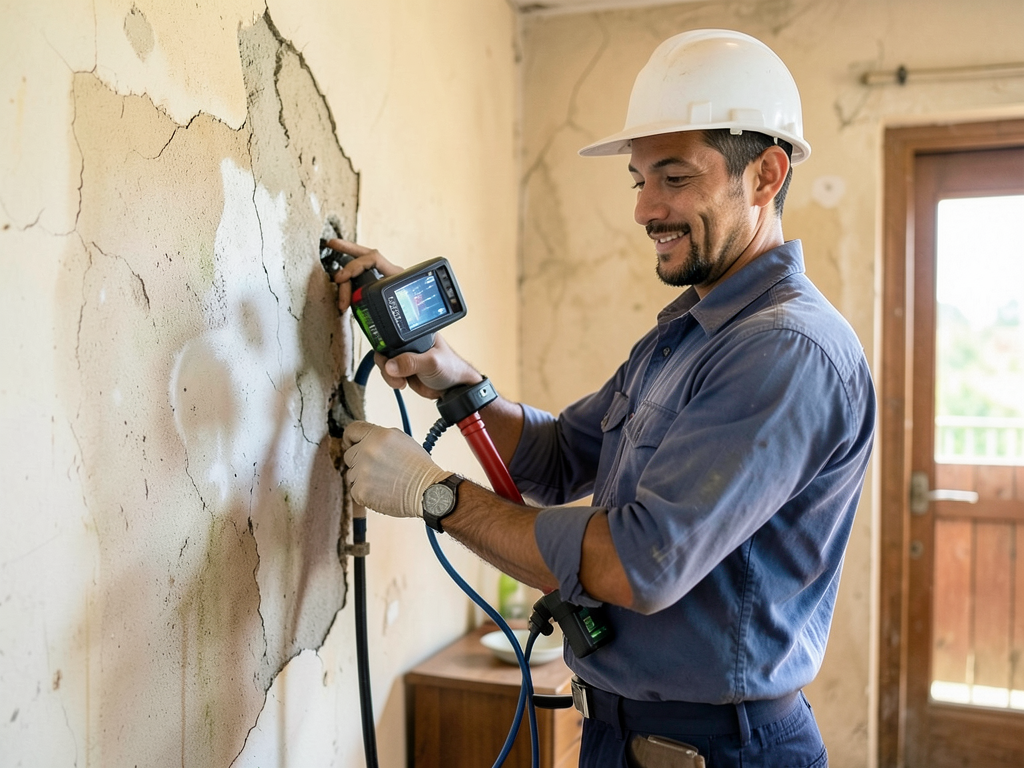
The Surprising Link Between Hard Water and Sudden Pipe Failures in Indian Land Homes Indian Land homeowners are discovering that their water quality is causing more than just spotty dishes and dry skin. The region's…
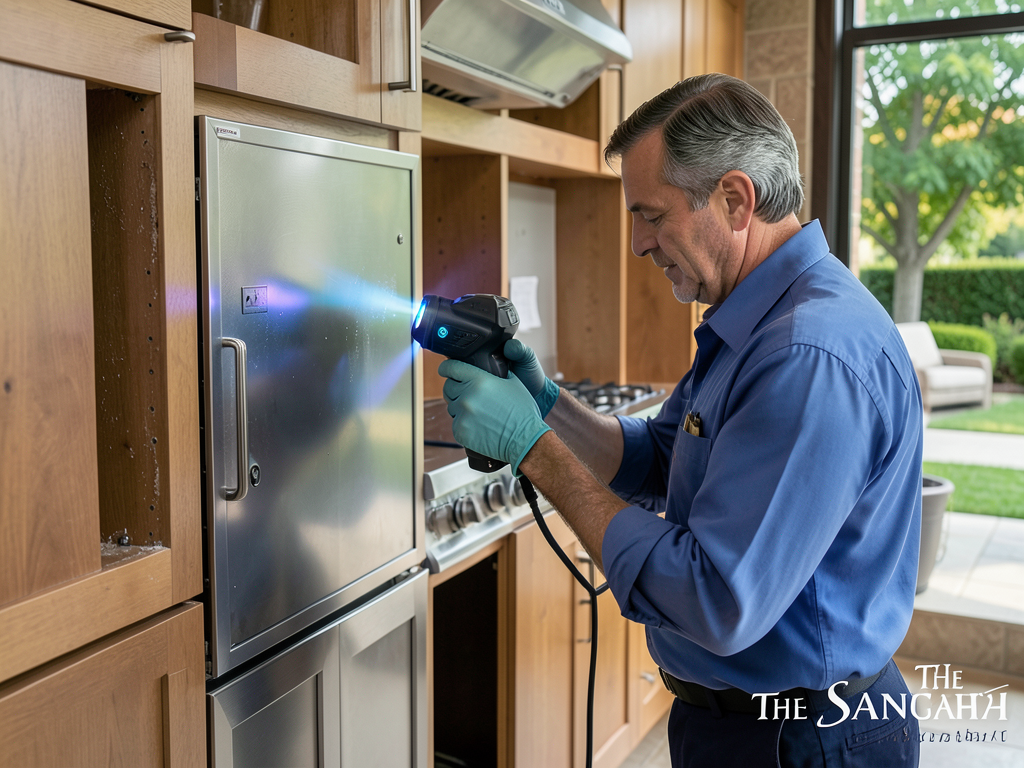
Protecting Your Outdoor Kitchen and Luxury Patio from Water Intrusion at The Sanctuary Outdoor kitchens…
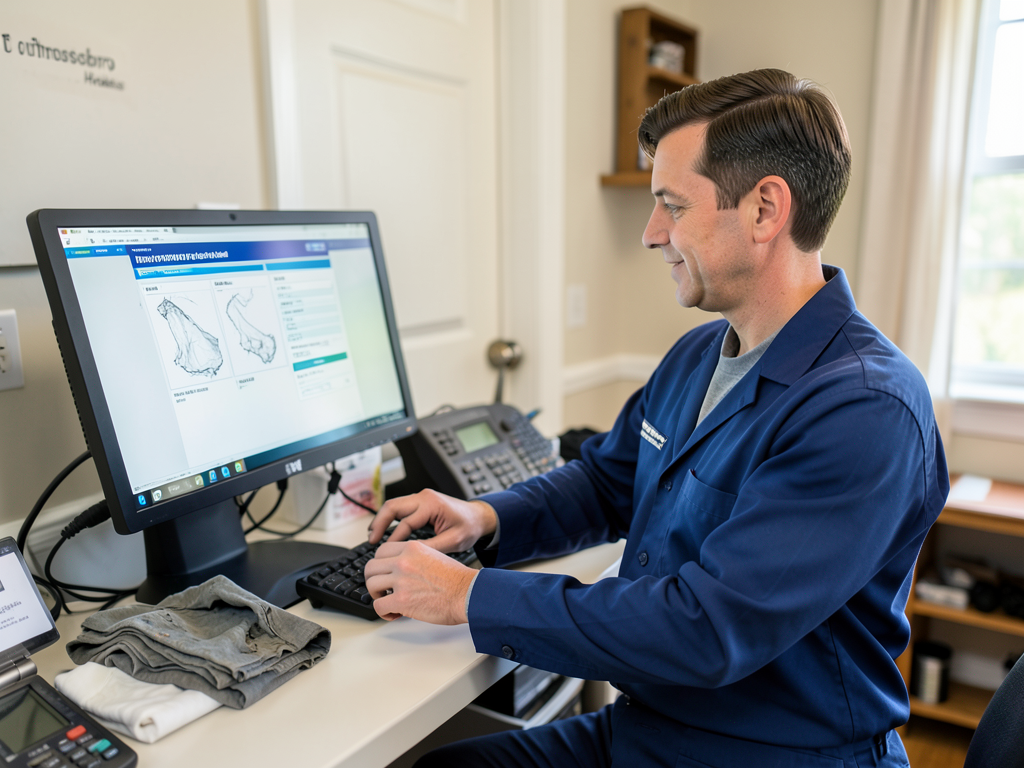
How to Protect Your Belongings When You Need to Move Out for Restoration in Thomasboro-Hoskins…
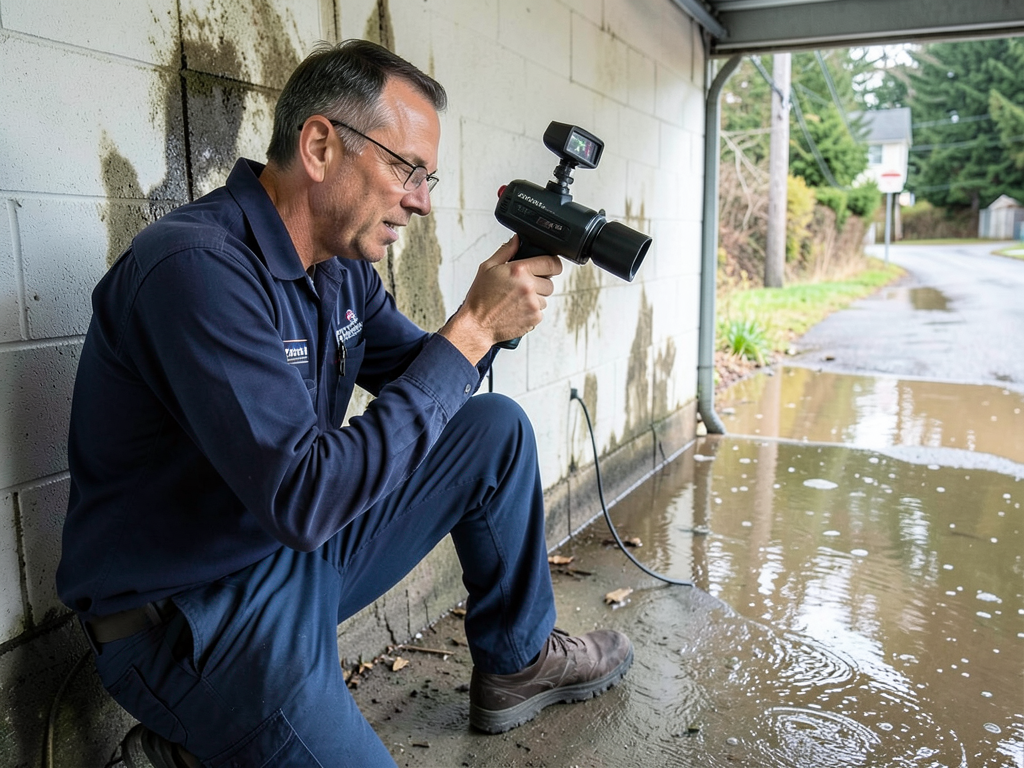
Why Clogged Street Drains Often Lead to Driveway and Garage Flooding in Smallwood Heavy Charlotte…
Water damage gets worse every hour you wait. Call Cornerstone Water Damage Restoration Charlotte at (980) 342-9955 right now. We dispatch crews immediately and arrive at Matthews properties within 60 to 90 minutes ready to extract water and start drying your home.