Water Damage Risks and Prevention for Historic Storefronts in Gastonia
Historic storefronts in Gastonia face unique water damage risks due to aging construction methods, outdated plumbing systems, and the region’s high humidity levels. The combination of brick-and-mortar construction from the early 20th century and modern weather patterns creates a perfect storm for water intrusion. Understanding these risks and implementing targeted prevention strategies can save business owners thousands in restoration costs and lost revenue. Specialized Water Damage Restoration for Historic Homes in Dilworth.
Gastonia’s historic downtown district features buildings constructed primarily between 1900 and 1950 using load-bearing masonry walls, wooden window frames, and flat or low-slope roofs. These structures were built before modern waterproofing standards existed. The clay bricks and mortar joints that have weathered nearly a century now absorb moisture like sponges during heavy rains. When temperatures fluctuate, this absorbed water expands and contracts, creating cracks that worsen over time. Rapid Water Extraction and Drying for Properties Near Lake Norman.
Common Water Entry Points in Historic Buildings
Historic storefronts develop water problems through several predictable failure patterns. The most vulnerable areas include roof penetrations where plumbing vents or HVAC units were added decades after original construction. These penetrations often use outdated flashing methods that deteriorate faster than the surrounding roofing materials. Sump Pump Failure Cleanup and Repair in the Elizabeth Neighborhood.
Window sills and frames represent another major failure point. Many historic buildings feature single-pane windows with wooden frames that have shrunk and warped over time. The glazing putty that sealed these windows typically lasts only 20-30 years, meaning most historic storefronts have compromised window seals. Water seeps through these gaps during wind-driven rain, damaging interior walls and creating ideal conditions for mold growth.. Read more about Why Commercial Water Restoration Requires Different Equipment for Gastonia Businesses.
Foundation issues plague many historic properties in Gastonia. The area’s clay soil expands when wet and contracts when dry, putting tremendous pressure on foundation walls. This soil movement causes hairline cracks that widen over decades, allowing groundwater to seep into basements and crawlspaces. Once water enters these spaces, high humidity levels prevent proper drying, leading to persistent moisture problems.. Read more about Specialized Water Damage Risks for Mid-Century Modern Flat Roofs in Lansdowne.
Local Climate Factors Affecting Water Damage Risk
Gastonia experiences approximately 45 inches of rainfall annually, slightly above the national average. The region’s climate features hot, humid summers with frequent afternoon thunderstorms and occasional tropical systems from the Atlantic. These weather patterns create specific challenges for historic building maintenance. Steps to Take After a Flood.
Summer humidity levels regularly exceed 70%, creating condensation problems on cool interior surfaces. When warm, moist air contacts cold water pipes or air conditioning ducts in these older buildings, condensation forms rapidly. This hidden moisture accumulates in wall cavities and ceiling spaces, often going unnoticed until significant damage occurs.
Winter brings occasional freezing temperatures that catch many property owners off guard. When temperatures drop below 32°F, any water trapped in masonry cracks expands as it freezes. This freeze-thaw cycle progressively destroys mortar joints and can cause entire sections of brickwork to fail. Many historic storefronts lack proper insulation, making interior pipes vulnerable to freezing as well.
Preventive Maintenance Strategies for Storefront Owners
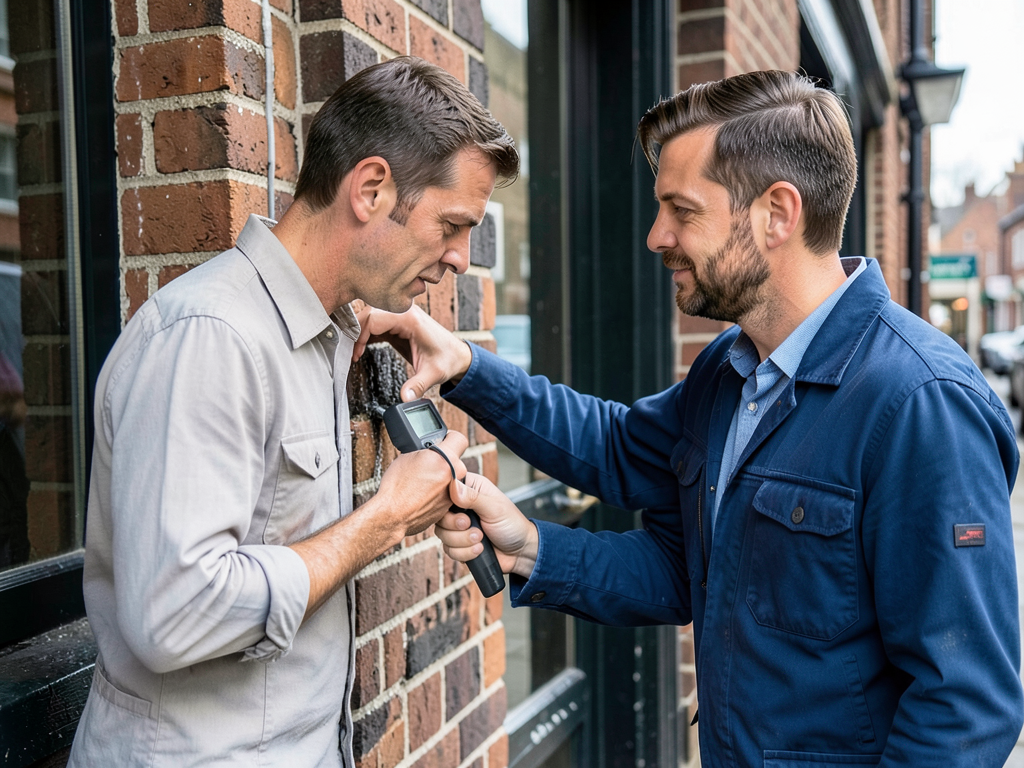
Regular inspection forms the foundation of effective water damage prevention. Property owners should conduct thorough building assessments at least twice yearly, ideally in spring and fall. These inspections should focus on identifying early warning signs like discolored mortar joints, peeling paint, or water stains on interior walls.
Roof maintenance requires particular attention in historic buildings. Flat or low-slope roofs common in early 20th-century construction often use built-up roofing materials that deteriorate from UV exposure and ponding water. Property owners should inspect roof membranes for blisters, cracks, or areas where gravel surfacing has worn away. Pay special attention to roof edges where wind uplift can create lifting.
Window restoration represents one of the most cost-effective prevention measures. Professional window repair can extend the life of historic windows by 30-50 years while improving energy efficiency. This process typically involves removing old glazing putty, repairing or replacing damaged wood, and installing new weatherstripping. The investment often pays for itself through reduced energy costs and prevented water damage. EPA Mold Resources.
Plumbing System Upgrades for Older Buildings
Many historic storefronts still use original plumbing systems with galvanized steel pipes that corrode from the inside out. These pipes typically last 40-50 years, meaning most historic buildings have reached or exceeded their expected service life. Corroded pipes develop pinhole leaks that can cause extensive damage before detection.
Modern PEX piping offers an excellent upgrade option for historic buildings. This flexible plastic tubing resists corrosion and can be installed with minimal wall demolition. Professional plumbers can often replace entire supply systems by running new lines through existing wall cavities, preserving the building’s historic character while eliminating leak risks.
Water pressure management becomes critical in older buildings. Many historic storefronts experience pressure fluctuations due to aging municipal water mains or changes in neighborhood water usage patterns. Installing pressure-reducing valves and expansion tanks can prevent stress on aging plumbing components and reduce the risk of catastrophic failures.
Moisture Detection and Monitoring Systems
Modern technology offers powerful tools for protecting historic properties. Wireless moisture sensors placed in vulnerable areas like basements, crawlspaces, and near plumbing fixtures can alert property owners to developing problems before visible damage occurs. These systems typically cost between $200 and $500 for basic setups and can save thousands in prevented damage.
Smart water shutoff valves represent another valuable investment. These devices monitor water flow patterns and can automatically shut off supply lines when they detect unusual usage that might indicate a leak. Some models integrate with smartphone apps, allowing property owners to monitor their buildings remotely and respond to emergencies quickly.
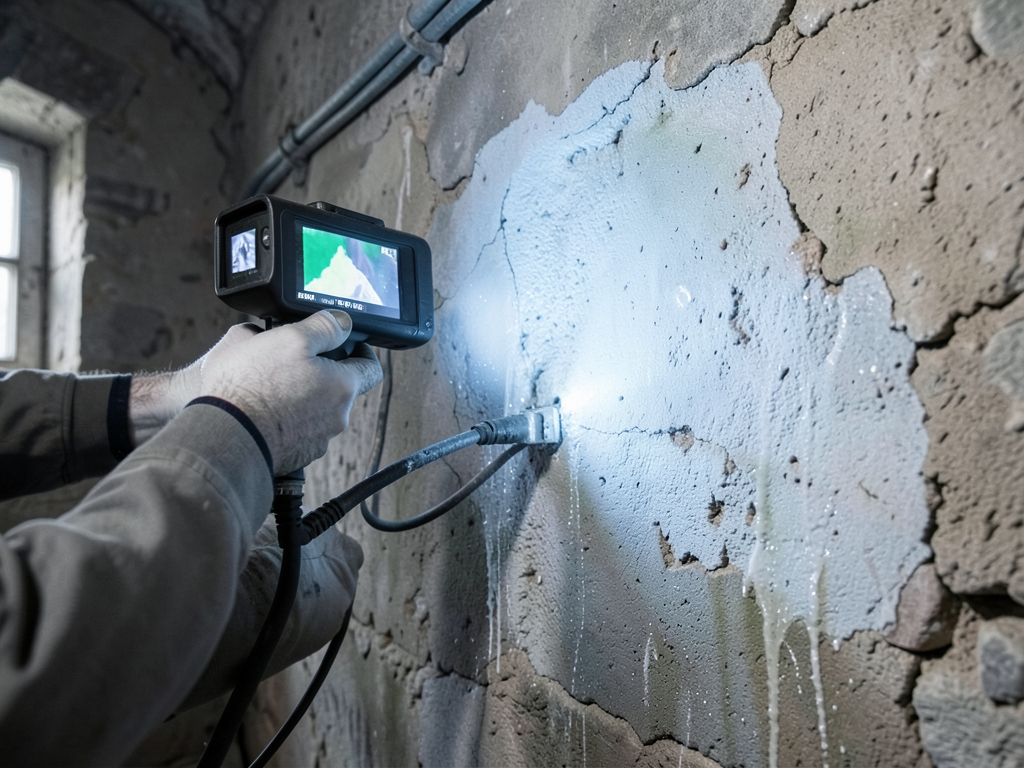
Thermal imaging provides a non-invasive method for detecting hidden moisture problems. Professional moisture inspections using infrared cameras can identify temperature differences that indicate water presence behind walls or under floors. This technology proves particularly valuable in historic buildings where invasive testing could damage irreplaceable materials.
Emergency Response Planning for Business Owners
Every historic storefront owner should develop a comprehensive water damage response plan. This document should identify critical shutoff valves, list emergency contact numbers, and outline step-by-step procedures for different types of water emergencies. Having this plan readily available can reduce response time from hours to minutes during a crisis.
Key components of an effective emergency plan include locating the main water shutoff valve and ensuring multiple staff members know how to operate it. Many historic buildings have complicated plumbing configurations with multiple shutoff points. Creating a simple diagram showing these locations can save precious time during an emergency.
Establishing relationships with local restoration professionals before emergencies occur proves invaluable. Companies familiar with historic building restoration understand the importance of preserving original materials and can often salvage items that general contractors might replace. Pre-qualifying a restoration partner ensures rapid response when minutes count.
Insurance Considerations for Historic Properties
Standard commercial property insurance often provides inadequate coverage for historic buildings. Many policies exclude damage to original materials or fail to account for the specialized restoration techniques required for historic preservation. Property owners should work with insurance agents who understand the unique needs of historic commercial buildings.
Replacement cost coverage becomes essential for historic properties. This coverage ensures the insurance company pays to repair or replace damaged items with materials of similar quality and appearance, rather than simply paying depreciated value. While premiums for this coverage typically run 15-30% higher than standard policies, the protection proves worthwhile for irreplaceable historic features.
Business interruption insurance deserves special consideration for storefront owners. Water damage often forces temporary closures during restoration, creating significant revenue losses. Policies that cover lost income during restoration can mean the difference between a temporary setback and a business failure.
Professional Restoration Services for Historic Buildings
When water damage occurs in historic buildings, the restoration approach must balance effective drying with preservation of original materials. Professional restoration companies experienced with historic properties understand techniques like gentle drying, careful cleaning of water-damaged surfaces, and proper handling of lead-based paint common in pre-1978 construction.
Specialized drying equipment helps protect historic materials. Low-profile air movers can direct airflow precisely where needed without disturbing delicate architectural features. Desiccant dehumidifiers provide powerful moisture removal without the heat generated by conventional refrigerant units, which can damage antique woodwork or artwork.
Mold remediation in historic buildings requires particular care. Many original building materials like plaster and hardwood can be effectively cleaned and restored rather than replaced. Professional remediation teams use containment procedures that prevent the spread of mold spores while preserving the building’s historic integrity.
Seasonal Maintenance Checklist for Storefront Owners
Spring maintenance should focus on preparing buildings for summer storms. Clean gutters and downspouts, inspect roof flashing, and check window seals for winter damage. Test sump pumps and ensure backup power systems function properly. This seasonal work typically requires 4-8 hours but can prevent thousands in summer storm damage. Storm Flooding Emergency Service.
Summer brings humidity management challenges. Run dehumidifiers in basements and crawlspaces, ensure air conditioning systems function efficiently, and monitor indoor humidity levels. Keep vegetation trimmed away from building walls to improve air circulation and prevent moisture trapping against masonry surfaces.
Fall maintenance prepares buildings for winter challenges. Inspect heating systems, seal gaps around pipes entering the building, and clean debris from roof valleys and behind parapets. Check attic ventilation to prevent ice dam formation on roofs. These preparations typically require 6-10 hours but can prevent winter water damage.
Winter maintenance focuses on freeze prevention. Insulate exposed pipes, maintain minimum indoor temperatures during cold snaps, and monitor buildings during extended absences. Consider installing temperature monitoring systems that send alerts when indoor temperatures approach freezing levels.
Cost-Benefit Analysis of Prevention vs. Restoration
The financial mathematics of water damage prevention strongly favor proactive maintenance. A comprehensive prevention program typically costs $2,000 to $5,000 annually for a historic storefront, including regular inspections, minor repairs, and monitoring systems. In contrast, a single major water event can cost $20,000 to $100,000 in restoration alone, not including business interruption losses.
Prevention investments often provide additional benefits beyond water damage reduction. Energy efficiency improvements from window restoration and insulation upgrades can reduce utility costs by 15-30%. Improved indoor air quality from moisture control can reduce employee sick days and create a more comfortable shopping environment for customers.
The intangible benefits of prevention include peace of mind and preserved property value. Historic buildings represent significant investments, and water damage can reduce property values by 20% or more. Prevention maintains both the physical structure and the historical significance that makes these buildings valuable assets.
Local Resources and Support for Historic Building Owners
Gastonia offers several resources for historic property owners concerned about water damage. The Gastonia Historic Preservation Commission provides guidance on appropriate restoration techniques and can connect owners with contractors experienced in historic building maintenance. Local preservation organizations often host workshops on building maintenance and can provide references for qualified service providers.
The Gaston Regional Chamber of Commerce maintains a list of pre-qualified contractors familiar with historic building requirements. These professionals understand the importance of preserving original materials and can often complete work more efficiently than general contractors unfamiliar with historic construction methods.
Local universities with architecture or preservation programs sometimes offer free or low-cost building assessments for historic properties. Students and faculty can provide valuable insights into building vulnerabilities and recommend appropriate prevention strategies based on the latest preservation research.
Future Trends in Historic Building Water Protection
Emerging technologies promise even better protection for historic storefronts. Smart building systems that integrate moisture detection, HVAC control, and security monitoring can provide comprehensive building management through smartphone apps. These systems can detect developing problems before they cause damage and can often be installed without affecting historic character.
Advanced materials science continues producing better waterproofing products compatible with historic buildings. New breathable water repellents can protect masonry from moisture absorption while allowing water vapor to escape, preventing the trapped moisture problems that plagued older waterproofing methods.
3D printing technology offers exciting possibilities for historic restoration. Custom replacement parts for damaged architectural elements can be produced quickly and cost-effectively, reducing the time buildings remain vulnerable during restoration. This technology also enables precise matching of original materials and details.
Frequently Asked Questions
How often should I inspect my historic storefront for water damage risks?
Professional inspections should occur twice yearly, with additional seasonal checks by building staff. Spring and fall inspections catch problems before they worsen during extreme weather seasons. Monthly visual checks by employees can identify developing issues between professional assessments.
What are the first signs of water damage in historic buildings?
Early warning signs include discolored or crumbling mortar joints, peeling paint or wallpaper, musty odors, and visible condensation on windows or pipes. Water stains on ceilings or walls, warped wood trim, and efflorescence (white powdery deposits on masonry) also indicate moisture problems requiring immediate attention.
Can modern waterproofing materials be used on historic buildings?
Yes, but selection requires care. Modern breathable water repellents work well on historic masonry, while traditional materials like lime mortar remain appropriate for repairs. The key is choosing products that manage moisture without trapping it inside walls, which can cause more damage than the original problem.
Take Action to Protect Your Investment
Water damage in historic storefronts represents both an immediate threat to business operations and a long-term risk to property value. The combination of aging construction, regional weather patterns, and modern usage demands a comprehensive prevention strategy. Property owners who invest in regular maintenance, modern monitoring technology, and professional expertise can dramatically reduce their risk of costly water damage.
Don’t wait for the first sign of trouble. Schedule a professional building assessment today to identify vulnerabilities specific to your property. Many water damage problems develop slowly over months or years, making early detection crucial for effective prevention. The cost of prevention pales compared to restoration expenses and business interruption losses.
Call (980) 342-9955 today to schedule your inspection. Our experienced team understands the unique challenges of historic building preservation and can recommend targeted solutions to protect your investment. We offer 24/7 emergency response for existing customers, ensuring rapid assistance when water damage threatens your business. Take the first step toward protecting your historic storefront by calling (980) 342-9955 now. For more information, visit IICRC Standards.
[IMAGE_PLACEHOVER_1]
{
“@context”: “https://schema.org”,
“@type”: “BlogPosting”,
“headline”: “Water Damage Risks and Prevention for Historic Storefronts in Gastonia”,
“description”: “Protect your Gastonia storefront from costly water damage. Learn local risks, prevention strategies, and when to call the experts at (980) 342-9955.”,
“wordCount”: 2368,
“datePublished”: “2026-05-10T13:44:00.000Z”,
“dateModified”: “2026-05-10T13:44:00.000Z”,
“inLanguage”: “en-US”,
“mainEntityOfPage”: {
“@type”: “WebPage”,
“@id”: “https://cornerstonewaterdamagerestorationcharlotte.com”
},
“publisher”: {
“@type”: “LocalBusiness”,
“name”: “Cornerstone Water Damage Restoration Charlotte”,
“url”: “https://cornerstonewaterdamagerestorationcharlotte.com”
},
“author”: {
“@type”: “Organization”,
“name”: “Cornerstone Water Damage Restoration Charlotte”,
“url”: “https://cornerstonewaterdamagerestorationcharlotte.com”
},
“image”: {
“@type”: “ImageObject”,
“url”: “https://cornerstonewaterdamagerestorationcharlotte.com/wp-content/uploads/2026/03/water-damage-risks-and-prevention-for-historic-sto-1.png”
}
}
{
“@context”: “https://schema.org”,
“@type”: “LocalBusiness”,
“name”: “Cornerstone Water Damage Restoration Charlotte”,
“url”: “https://cornerstonewaterdamagerestorationcharlotte.com”,
“address”: {
“@type”: “PostalAddress”,
“addressLocality”: “Charlotte”
},
“areaServed”: {
“@type”: “City”,
“name”: “Charlotte”
}
}
{
“@context”: “https://schema.org”,
“@type”: “FAQPage”,
“mainEntity”: [
{
“@type”: “Question”,
“name”: “How often should I inspect my historic storefront for water damage risks?”,
“acceptedAnswer”: {
“@type”: “Answer”,
“text”: “Professional inspections should occur twice yearly, with additional seasonal checks by building staff. Spring and fall inspections catch problems before they worsen during extreme weather seasons. Monthly visual checks by employees can identify developing issues between professional assessments.”
}
},
{
“@type”: “Question”,
“name”: “What are the first signs of water damage in historic buildings?”,
“acceptedAnswer”: {
“@type”: “Answer”,
“text”: “Early warning signs include discolored or crumbling mortar joints, peeling paint or wallpaper, musty odors, and visible condensation on windows or pipes. Water stains on ceilings or walls, warped wood trim, and efflorescence (white powdery deposits on masonry) also indicate moisture problems requiring immediate attention.”
}
},
{
“@type”: “Question”,
“name”: “Can modern waterproofing materials be used on historic buildings?”,
“acceptedAnswer”: {
“@type”: “Answer”,
“text”: “Yes, but selection requires care. Modern breathable water repellents work well on historic masonry, while traditional materials like lime mortar remain appropriate for repairs. The key is choosing products that manage moisture without trapping it inside walls, which can cause more damage than the original problem.”
}
}
]
}
{
“@context”: “https://schema.org”,
“@type”: “BreadcrumbList”,
“itemListElement”: [
{
“@type”: “ListItem”,
“position”: 1,
“name”: “Home”,
“item”: “https://cornerstonewaterdamagerestorationcharlotte.com”
},
{
“@type”: “ListItem”,
“position”: 2,
“name”: “Blog”,
“item”: “https://cornerstonewaterdamagerestorationcharlotte.com/blog”
},
{
“@type”: “ListItem”,
“position”: 3,
“name”: “Water Damage Risks and Prevention for Historic Storefronts in Gastonia”
}
]
}
{
“@context”: “https://schema.org”,
“@type”: “Service”,
“serviceType”: “Water Damage Restoration”,
“provider”: {
“@type”: “LocalBusiness”,
“name”: “Cornerstone Water Damage Restoration Charlotte”,
“url”: “https://cornerstonewaterdamagerestorationcharlotte.com”
},
“areaServed”: {
“@type”: “City”,
“name”: “Charlotte”
},
“description”: “Protect your Gastonia storefront from costly water damage. Learn local risks, prevention strategies, and when to call the experts at (980) 342-9955.”
}