Specialized Water Damage Risks for Mid-Century Modern Flat Roofs in Lansdowne
Flat roofs on mid-century modern homes in Lansdowne face unique water damage risks that differ significantly from traditional sloped roofs. The combination of Charlotte’s humid subtropical climate, aging building materials, and specific architectural features creates conditions where water intrusion can cause extensive damage before homeowners even notice a problem. Specialized Water Damage Restoration for Historic Homes in Dilworth.
Lansdowne’s mid-century modern homes typically feature low-slope or flat roof designs with parapet walls, large overhanging eaves, and expansive glass windows. These architectural elements, while aesthetically pleasing, create drainage challenges that become more problematic as the original roofing materials age. The area’s heavy summer thunderstorms and high humidity levels accelerate wear on these roof systems, making specialized restoration knowledge essential for proper water damage mitigation. Rapid Water Extraction and Drying for Properties Near Lake Norman.
The flat roof design common in Lansdowne’s mid-century homes requires careful attention to drainage systems, flashing details, and membrane integrity. When water damage occurs, it often spreads laterally beneath the roofing material before showing visible signs inside the home, creating hidden moisture problems that can lead to mold growth, structural deterioration, and costly repairs if not addressed promptly by professionals familiar with these specific roof systems. EPA mold information.
Common Flat Roof Failure Points in Mid-Century Modern Homes
Understanding where flat roofs typically fail helps homeowners identify potential problems before they become major issues. Mid-century modern flat roofs in Lansdowne commonly experience failures at specific locations due to design characteristics and material aging. Sump Pump Failure Cleanup and Repair in the Elizabeth Neighborhood.
Parapet wall flashing represents one of the most frequent failure points. These vertical walls that extend above the roof surface create numerous joints where water can penetrate. Over time, the original flashing materials deteriorate, especially at corners and termination points where thermal movement causes stress. The sealant materials used in the 1950s and 1960s were not designed to withstand Charlotte’s temperature extremes, leading to cracking and separation.
Drainage systems on flat roofs require precise slope calculations to function properly. Many mid-century homes were built with minimal slope toward drains, and over decades, the structural deck can settle, creating areas where water ponds instead of draining. Ponding water accelerates membrane deterioration and increases the risk of leaks during heavy rainfall events common in Mecklenburg County.
Roof penetrations for HVAC equipment, plumbing vents, and electrical conduits create additional vulnerability points. The original flashing boots and sealants around these penetrations often fail first, especially when equipment is added or modified over the years without proper waterproofing considerations.
Charlotte Climate Impact on Flat Roof Longevity
Charlotte’s climate creates specific challenges for flat roof systems that directly impact water damage risks in Lansdowne. The combination of high humidity, intense summer heat, and occasional severe weather events accelerates material degradation in ways that northern climates do not experience.
Summer temperatures in Charlotte frequently exceed 90 degrees Fahrenheit, causing roofing membranes to expand and contract more dramatically than in cooler regions. This thermal cycling stresses the seams and joints in flat roof systems, particularly those using older materials like built-up roofing or early-generation modified bitumen. The repeated expansion and contraction can cause seam separation, allowing water infiltration during the next heavy rainstorm.
High humidity levels, often exceeding 70% during summer months, create conditions where moisture can become trapped beneath roofing membranes. This trapped moisture leads to condensation issues that promote mold growth and can cause the roof deck to rot from the underside. The combination of heat and humidity also accelerates the breakdown of adhesives and sealants used in flat roof assemblies.
Severe thunderstorms in Charlotte can produce rainfall rates exceeding 2 inches per hour, overwhelming drainage systems not designed for such intense precipitation. When drainage systems cannot keep pace with rainfall, water backs up and finds entry points through even minor defects in the roofing system. The frequency of these intense storms in recent years has increased stress on aging flat roof systems throughout Lansdowne.
Water Damage Detection in Flat Roof Systems
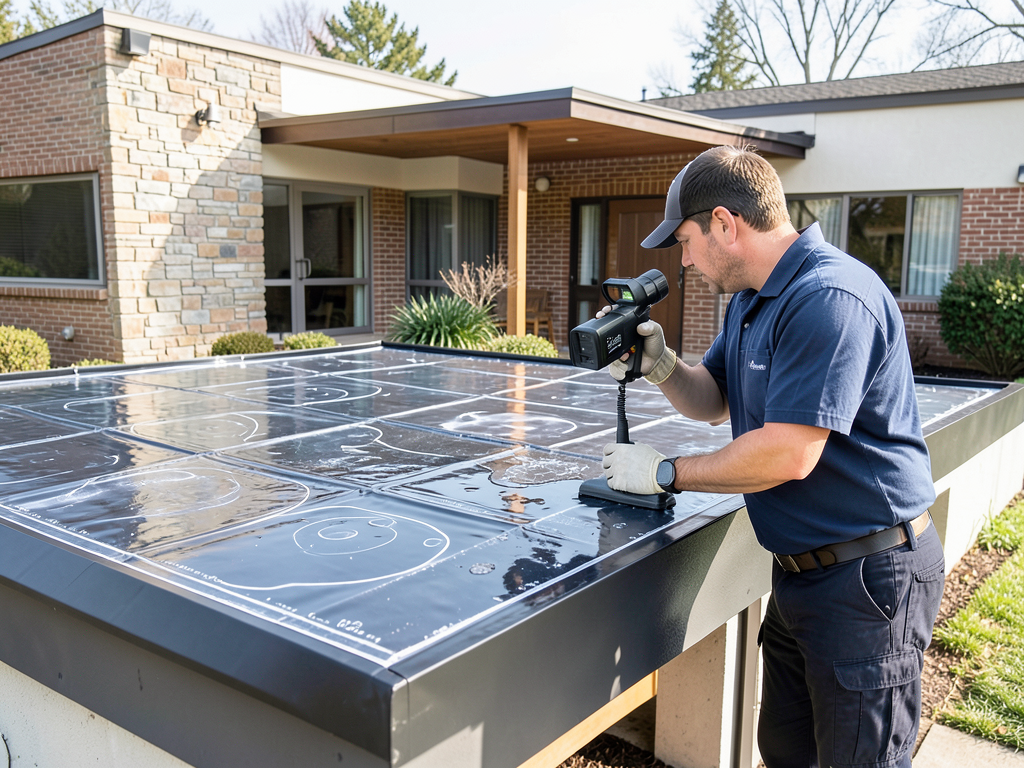
Detecting water damage in flat roof systems requires specialized knowledge and equipment because the damage often occurs beneath the visible surface. Professional water damage restoration technicians use multiple diagnostic methods to identify the extent and location of moisture problems.
Infrared thermal imaging represents one of the most effective detection methods for flat roof water damage. Moisture trapped beneath roofing membranes creates temperature differences that thermal cameras can detect. These temperature variations appear as distinct patterns on the thermal image, allowing technicians to map the extent of water infiltration without destructive testing. This technology is particularly valuable for identifying moisture in areas where water may have traveled horizontally from the initial entry point.
Moisture meters provide quantitative data about water content in roofing materials and underlying structures. Technicians use penetrating moisture meters to measure moisture levels at various depths, from the surface membrane through the insulation layers to the roof deck. This information helps determine whether materials can be dried in place or require removal and replacement.
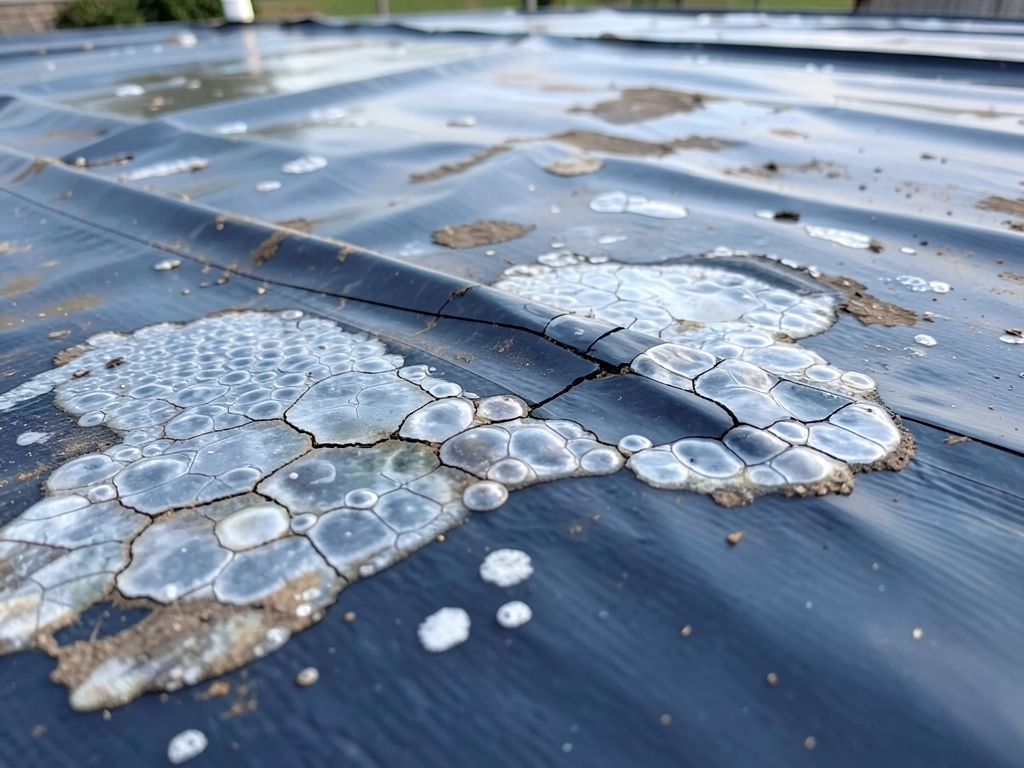
Visual inspection techniques include looking for specific signs of water damage that are unique to flat roof systems. These signs include membrane blistering, where moisture becomes trapped beneath the surface layer, and alligator cracking, which resembles the skin pattern of an alligator and indicates advanced material deterioration. Technicians also check for ponding water marks, which appear as circular or oval stains on the membrane surface.
Restoration Process for Mid-Century Modern Flat Roof Water Damage
The restoration process for water damage in mid-century modern flat roofs requires a systematic approach that addresses both the immediate water intrusion and the underlying causes. This process follows industry standards established by the IICRC (Institute of Inspection, Cleaning and Restoration Certification) to ensure thorough and effective restoration. IICRC.
Emergency water extraction begins the restoration process. For flat roof systems, this often involves removing standing water using specialized pumps and wet vacuums designed for roofing applications. The goal is to eliminate immediate water sources that could continue causing damage while assessment and planning occur. This step must be performed carefully to avoid damaging already compromised roofing materials.
Moisture mapping and damage assessment follow water extraction. Technicians create detailed maps showing the extent of water infiltration, including areas where moisture has traveled beyond the initial entry point. This mapping process considers the unique construction methods used in mid-century modern homes, which often included lightweight concrete decks or wood plank substrates that behave differently than modern roof assemblies.
Structural drying involves removing moisture from all affected materials using industrial-grade dehumidification equipment and air movement systems. For flat roof assemblies, this may require removing sections of the roofing membrane to access wet insulation or decking materials. The drying process must maintain specific temperature and humidity levels to prevent secondary damage while ensuring complete moisture removal.
Material removal and replacement decisions depend on the extent of damage and the materials involved. Some mid-century modern homes used materials that are no longer available or code-compliant, requiring careful matching of existing materials or complete system upgrades to meet current building standards. This process must consider the historical character of the home while ensuring modern performance standards.
Building Code Considerations for Flat Roof Restoration
Restoring water-damaged flat roofs in Lansdowne requires compliance with current building codes, which may differ significantly from the standards in place when these homes were originally constructed. Understanding these code requirements ensures that restoration work meets legal standards and provides long-term protection.. Read more about Restoring Heirloom Persian and Oriental Rugs After Water Damage in Sherwood Forest.
The North Carolina Building Code requires specific fire ratings for roofing assemblies based on the building’s use and location. Mid-century modern homes in Lansdowne, many of which feature extensive wood construction, may require Class A fire-rated roofing materials that exceed the original specifications. This requirement affects material selection and installation methods during restoration.
Energy efficiency standards have evolved significantly since the 1950s and 1960s. Current codes require minimum insulation values that may be substantially higher than the original construction. Restoration work often presents an opportunity to upgrade insulation, but this must be done while maintaining proper roof ventilation and avoiding moisture traps that could lead to future problems.
Mecklenburg County floodplain management regulations may affect restoration work in certain areas of Lansdowne. Properties located in designated flood zones require specific construction methods and materials to meet elevation requirements and flood-resistant design standards. These regulations can impact the choice of roofing systems and drainage designs.
Permitting requirements for roof restoration work have become more stringent over time. Modern permits require detailed plans showing material specifications, installation methods, and compliance with current codes. Working with a restoration company familiar with local permitting processes helps ensure that all work proceeds smoothly and meets all regulatory requirements.
Preventive Measures for Long-Term Protection
After restoring water-damaged flat roofs, implementing preventive measures helps protect the investment and prevent future damage. These measures address the specific vulnerabilities of mid-century modern flat roof systems in Charlotte’s climate. Steps to Take After a Flood.
Regular maintenance inspections should occur at least twice annually, typically in spring and fall. These inspections focus on identifying early signs of deterioration before they become major problems. Key inspection points include checking all flashing details, examining seams and joints for separation, and ensuring drainage systems remain clear and functional. Professional inspections can identify issues that homeowners might miss, particularly problems developing beneath the surface membrane.
Drainage system maintenance is critical for flat roof performance. This includes keeping drains clear of debris, checking downspout connections, and ensuring that scuppers remain unobstructed. In Lansdowne, where mature trees are common, regular removal of leaves and twigs from roof surfaces prevents clogging that can lead to ponding water. Some homeowners install protective screens over drains to reduce maintenance requirements.
Roof coating applications can extend the life of flat roof systems by providing an additional protective layer against UV radiation and moisture. Modern reflective coatings not only protect the underlying membrane but also reduce heat absorption, lowering cooling costs during Charlotte’s hot summers. These coatings require periodic reapplication according to manufacturer specifications to maintain their protective properties.
Interior monitoring helps detect water damage early. Installing moisture sensors in areas prone to leaks, such as near parapet walls or below roof penetrations, provides early warning of water intrusion. Some advanced systems can send alerts to smartphones when moisture levels exceed predetermined thresholds, allowing for rapid response before extensive damage occurs.
Insurance Considerations for Flat Roof Water Damage
Insurance coverage for water damage to flat roofs involves specific considerations that homeowners in Lansdowne should understand. The age of the roof, the cause of damage, and the type of policy all affect coverage and claims processes.
Most standard homeowners insurance policies cover sudden and accidental water damage but may exclude damage resulting from lack of maintenance or normal wear and tear. For mid-century modern homes with aging flat roof systems, this distinction becomes important when filing claims. Insurance companies often require documentation showing that the roof has been properly maintained and that damage resulted from a covered peril rather than gradual deterioration.
The claims process for flat roof water damage typically requires detailed documentation of the damage extent and the restoration work needed. This documentation should include photographs, moisture readings, and professional assessments from qualified restoration contractors. Insurance companies may require multiple estimates and may send their own adjusters to verify damage claims.
Replacement cost versus actual cash value coverage affects how insurance claims are settled for older roofs. Actual cash value policies deduct depreciation based on the roof’s age, which can significantly reduce claim payments for mid-century modern homes where the roof may be several decades old. Replacement cost coverage provides payment for new materials without depreciation deductions, though this coverage typically costs more in premiums.
Working with a restoration company experienced in insurance claims can simplify the process and help ensure that all covered damage is properly documented and included in the claim. These professionals understand insurance company requirements and can provide the detailed documentation needed to support claims for comprehensive restoration work.
Choosing the Right Restoration Partner
Selecting a qualified restoration company for mid-century modern flat roof water damage requires careful consideration of experience, expertise, and local knowledge. Not all restoration companies have the specialized knowledge needed for these unique roof systems.
Experience with mid-century modern construction represents a critical qualification. These homes feature construction methods and materials that differ from modern buildings, requiring restoration technicians who understand the specific challenges and solutions for this architectural style. Companies with experience in Lansdowne and similar Charlotte neighborhoods understand the local building patterns and common issues that affect these homes.
Certification and licensing demonstrate professional commitment and technical competence. Look for companies with IICRC certification in water damage restoration, as this certification requires ongoing education and adherence to industry standards. North Carolina licensing requirements ensure that companies meet state standards for insurance, bonding, and business practices.
Emergency response capabilities are essential for water damage situations where time sensitivity affects the extent of damage. Companies offering 24/7 emergency service can begin mitigation work quickly, potentially saving thousands of dollars in additional damage that occurs when water intrusion continues unaddressed. Response time guarantees and availability during severe weather events indicate a company’s commitment to customer service.
Insurance coordination experience simplifies the claims process and helps ensure that all covered damage receives proper attention. Restoration companies that work regularly with insurance companies understand documentation requirements and can help navigate the claims process, reducing stress for homeowners dealing with water damage emergencies.
Frequently Asked Questions
How can I tell if my mid-century modern flat roof has water damage?
Signs of water damage include water stains on interior ceilings or walls, mold growth, musty odors, and visible membrane deterioration on the roof surface. However, many flat roof leaks show minimal interior signs until significant damage has occurred, making professional inspection important for early detection.
How long does flat roof water damage restoration typically take?
Restoration timelines vary based on damage extent, but most projects take between 3 to 7 days for complete drying and repairs. Emergency water extraction and temporary protection can often be completed within 24 hours of initial contact.
Will my insurance cover water damage to my flat roof?
Coverage depends on your specific policy terms and the cause of damage. Most policies cover sudden and accidental damage but may exclude damage from lack of maintenance or normal wear. Review your policy or consult with your insurance agent to understand your coverage details.
Should I replace my entire flat roof if I have water damage?
Not necessarily. Many water damage situations can be addressed through targeted repairs and restoration. A professional assessment can determine whether partial repairs or complete replacement is most appropriate based on the damage extent and roof condition.
How often should I have my flat roof inspected?
Professional inspections should occur at least twice yearly, typically in spring and fall. Additional inspections are recommended after severe weather events or if you notice any signs of potential problems between scheduled inspections.
- Emergency Contact
Call (980) 342-9955 immediately when you discover water damage. Quick response prevents further damage and begins the restoration process. What to Do Immediately if Your Ballantyne Basement Floods Tonight.
- Initial Assessment
Professional technicians arrive within 60 minutes to evaluate the damage extent and develop a restoration plan specific to your mid-century modern home.
- Water Extraction
Specialized equipment removes standing water and begins moisture control to prevent additional damage to your home’s structure.
- Drying and Dehumidification
Industrial-grade equipment eliminates moisture from all affected materials, including areas beneath the visible surface.
- Restoration and Repairs
Complete restoration returns your home to pre-damage condition, addressing both visible damage and underlying moisture problems.
Mid-century modern flat roofs in Lansdowne require specialized knowledge and experience for proper water damage restoration. The combination of unique architectural features, aging materials, and Charlotte’s challenging climate creates conditions where professional expertise makes the difference between effective restoration and ongoing problems. When water damage occurs, quick action and the right restoration partner can protect your home’s value and ensure long-term performance of your roof system.
Don’t wait until minor water damage becomes a major problem. Call (980) 342-9955 today to schedule your professional inspection and protect your mid-century modern home from the unique water damage risks it faces. Our experienced team understands the specific challenges of flat roof restoration in Lansdowne and throughout the Charlotte area.
{
“@context”: “https://schema.org”,
“@type”: “BlogPosting”,
“headline”: “Specialized Water Damage Risks for Mid-Century Modern Flat Roofs in Lansdowne”,
“description”: “Discover the unique water damage risks for mid-century modern flat roofs in Lansdowne. Learn how Charlotte’s climate and building codes impact your property’s safety.”,
“wordCount”: 2725,
“datePublished”: “2026-05-27T08:49:00.000Z”,
“dateModified”: “2026-05-27T08:49:00.000Z”,
“inLanguage”: “en-US”,
“mainEntityOfPage”: {
“@type”: “WebPage”,
“@id”: “https://cornerstonewaterdamagerestorationcharlotte.com”
},
“publisher”: {
“@type”: “LocalBusiness”,
“name”: “Cornerstone Water Damage Restoration Charlotte”,
“url”: “https://cornerstonewaterdamagerestorationcharlotte.com”
},
“author”: {
“@type”: “Organization”,
“name”: “Cornerstone Water Damage Restoration Charlotte”,
“url”: “https://cornerstonewaterdamagerestorationcharlotte.com”
},
“image”: {
“@type”: “ImageObject”,
“url”: “https://cornerstonewaterdamagerestorationcharlotte.com/wp-content/uploads/2026/03/specialized-water-damage-risks-for-mid-century-mod-1.png”
}
}
{
“@context”: “https://schema.org”,
“@type”: “LocalBusiness”,
“name”: “Cornerstone Water Damage Restoration Charlotte”,
“url”: “https://cornerstonewaterdamagerestorationcharlotte.com”,
“address”: {
“@type”: “PostalAddress”,
“addressLocality”: “Charlotte”
},
“areaServed”: {
“@type”: “City”,
“name”: “Charlotte”
}
}
{
“@context”: “https://schema.org”,
“@type”: “FAQPage”,
“mainEntity”: [
{
“@type”: “Question”,
“name”: “How can I tell if my mid-century modern flat roof has water damage?”,
“acceptedAnswer”: {
“@type”: “Answer”,
“text”: “Signs of water damage include water stains on interior ceilings or walls, mold growth, musty odors, and visible membrane deterioration on the roof surface. However, many flat roof leaks show minimal interior signs until significant damage has occurred, making professional inspection important for early detection.”
}
},
{
“@type”: “Question”,
“name”: “How long does flat roof water damage restoration typically take?”,
“acceptedAnswer”: {
“@type”: “Answer”,
“text”: “Restoration timelines vary based on damage extent, but most projects take between 3 to 7 days for complete drying and repairs. Emergency water extraction and temporary protection can often be completed within 24 hours of initial contact.”
}
},
{
“@type”: “Question”,
“name”: “Will my insurance cover water damage to my flat roof?”,
“acceptedAnswer”: {
“@type”: “Answer”,
“text”: “Coverage depends on your specific policy terms and the cause of damage. Most policies cover sudden and accidental damage but may exclude damage from lack of maintenance or normal wear. Review your policy or consult with your insurance agent to understand your coverage details.”
}
},
{
“@type”: “Question”,
“name”: “Should I replace my entire flat roof if I have water damage?”,
“acceptedAnswer”: {
“@type”: “Answer”,
“text”: “Not necessarily. Many water damage situations can be addressed through targeted repairs and restoration. A professional assessment can determine whether partial repairs or complete replacement is most appropriate based on the damage extent and roof condition.”
}
},
{
“@type”: “Question”,
“name”: “How often should I have my flat roof inspected?”,
“acceptedAnswer”: {
“@type”: “Answer”,
“text”: “Professional inspections should occur at least twice yearly, typically in spring and fall. Additional inspections are recommended after severe weather events or if you notice any signs of potential problems between scheduled inspections.”
}
}
]
}
{
“@context”: “https://schema.org”,
“@type”: “HowTo”,
“name”: “Emergency Water Damage Response”,
“step”: [
{
“@type”: “HowToStep”,
“position”: 1,
“name”: “Emergency Contact”,
“text”: “Call (980) 342-9955 immediately when you discover water damage. Quick response prevents further damage and begins the restoration process. What to Do Immediately if Your Ballantyne Basement Floods Tonight.”
},
{
“@type”: “HowToStep”,
“position”: 2,
“name”: “Initial Assessment”,
“text”: “Professional technicians arrive within 60 minutes to evaluate the damage extent and develop a restoration plan specific to your mid-century modern home.”
},
{
“@type”: “HowToStep”,
“position”: 3,
“name”: “Water Extraction”,
“text”: “Specialized equipment removes standing water and begins moisture control to prevent additional damage to your home’s structure.”
},
{
“@type”: “HowToStep”,
“position”: 4,
“name”: “Drying and Dehumidification”,
“text”: “Industrial-grade equipment eliminates moisture from all affected materials, including areas beneath the visible surface.”
},
{
“@type”: “HowToStep”,
“position”: 5,
“name”: “Restoration and Repairs”,
“text”: “Complete restoration returns your home to pre-damage condition, addressing both visible damage and underlying moisture problems.”
}
],
“image”: “https://cornerstonewaterdamagerestorationcharlotte.com/wp-content/uploads/2026/03/specialized-water-damage-risks-for-mid-century-mod-1.png”
}
{
“@context”: “https://schema.org”,
“@type”: “BreadcrumbList”,
“itemListElement”: [
{
“@type”: “ListItem”,
“position”: 1,
“name”: “Home”,
“item”: “https://cornerstonewaterdamagerestorationcharlotte.com”
},
{
“@type”: “ListItem”,
“position”: 2,
“name”: “Blog”,
“item”: “https://cornerstonewaterdamagerestorationcharlotte.com/blog”
},
{
“@type”: “ListItem”,
“position”: 3,
“name”: “Specialized Water Damage Risks for Mid-Century Modern Flat Roofs in Lansdowne”
}
]
}
{
“@context”: “https://schema.org”,
“@type”: “Service”,
“serviceType”: “Water Damage Restoration”,
“provider”: {
“@type”: “LocalBusiness”,
“name”: “Cornerstone Water Damage Restoration Charlotte”,
“url”: “https://cornerstonewaterdamagerestorationcharlotte.com”
},
“areaServed”: {
“@type”: “City”,
“name”: “Charlotte”
},
“description”: “Discover the unique water damage risks for mid-century modern flat roofs in Lansdowne. Learn how Charlotte’s climate and building codes impact your property’s safety.”
}