
The Real Benefits of Whole House Water Shutoff Valves for Olde Providence Homeowners
A single burst pipe can release over 10 gallons of water per minute into your Olde Providence home. That’s enough to flood your first floor before you even notice the problem. Whole house water shutoff valves stop this damage instantly by cutting water flow the moment they detect a leak. Specialized Water Damage Restoration for Historic Homes in Dilworth.
These smart devices use ultrasonic sensors or flow meters to monitor your plumbing 24/7. When they spot unusual water patterns that indicate a burst pipe or broken appliance, they shut off your main water supply within seconds. This technology prevents thousands of dollars in water damage and protects your home investment. Rapid Water Extraction and Drying for Properties Near Lake Norman.
Olde Providence homes built before 2000 face higher risks from aging plumbing systems. The area’s red clay soil puts extra pressure on underground pipes, and many homes still have polybutylene or galvanized steel pipes that corrode from the inside out. A whole house shutoff valve gives you protection against these hidden threats.
Beyond preventing floods, these valves can lower your insurance premiums by 5-10% and integrate with your smart home system. You can monitor your water usage from your phone and get alerts about potential problems before they become disasters. The average water damage claim in Charlotte costs $12,000, making prevention a smart financial decision.. Read more about The Surprising Link Between Hard Water and Sudden Pipe Failures in Indian Land Homes.
Let’s examine how these valves work and why they’re essential for Olde Providence homeowners.
How Whole House Water Shutoff Valves Actually Work
Whole house water shutoff valves monitor your home’s entire plumbing system for abnormal water flow patterns. They install on your main water line where it enters your home, typically in the basement or utility room.
The valve contains either ultrasonic sensors or turbine flow meters that measure water movement through your pipes. When everything works normally, water flows at predictable rates. A toilet flush creates a specific flow pattern, as does running the dishwasher or taking a shower.
When the system detects water flow that doesn’t match normal usage patterns, it triggers an automatic shutdown. This could mean water running for hours when no one is home, or a sudden massive flow indicating a burst pipe. The valve closes within 3-5 seconds, stopping water damage before it spreads.
Most modern valves connect to your home’s Wi-Fi network. This lets you monitor water usage through a smartphone app, receive leak alerts, and even shut off water remotely. Some systems integrate with smart home platforms like Amazon Alexa or Google Home for voice control.
Power outages don’t disable these systems. They run on battery backup that keeps monitoring and protection active for up to 24 hours. When power returns, they automatically reconnect to your network and resume normal operation.
Installation requires cutting into your main water line, so professional plumbing service is essential. The process takes 2-4 hours and costs between $500-$1,200 depending on your home’s plumbing configuration and the valve model you choose.
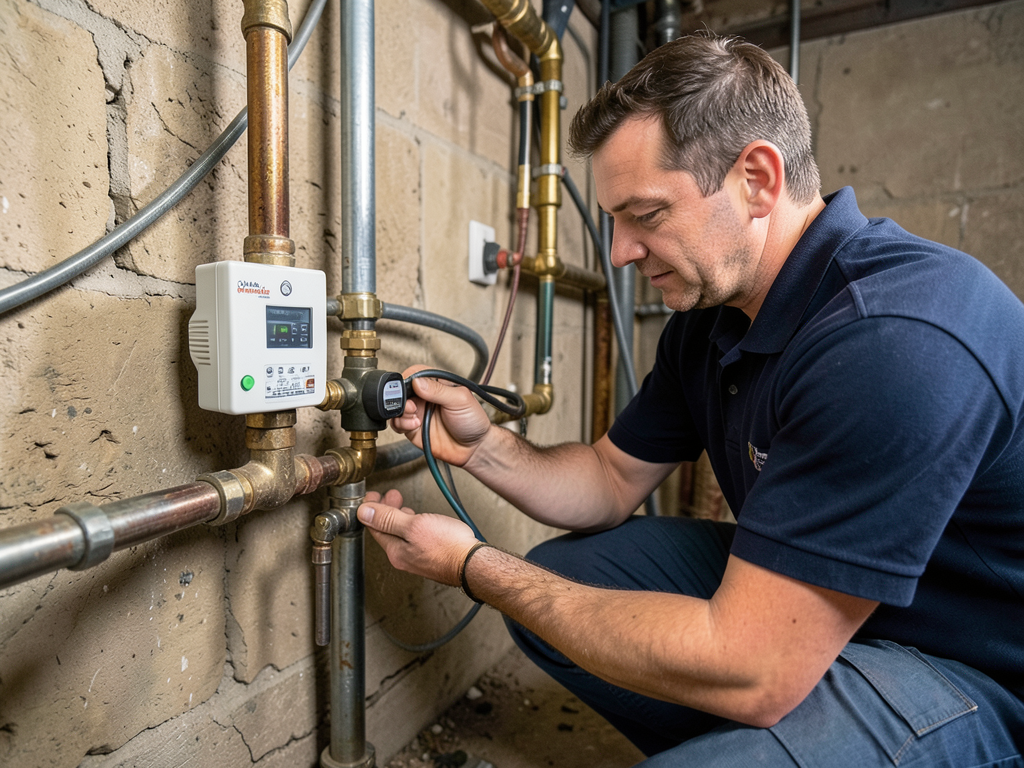
Technical diagram showing internal components of a smart water shutoff valve including ultrasonic sensors, flow meters, battery backup, and Wi-Fi module.
Key Benefit One: 24/7 Monitoring Stops Damage Before It Spreads
Traditional water damage happens when homeowners are away at work, asleep, or on vacation. A washing machine hose bursts at 9 AM on a Tuesday. Water pours into your laundry room for eight hours until you return home at 5 PM. By then, your first floor is flooded and mold is already starting to grow.
Whole house shutoff valves eliminate this vulnerability. They monitor your plumbing continuously, even when you’re not home. The system detects abnormal water flow within seconds and shuts off the main supply line before significant damage occurs.
Consider a real scenario from an Olde Providence home. The homeowners left for a weekend trip to Lake Norman. Their water heater developed a leak while they were gone. A traditional system would have flooded their home for three days. The shutoff valve detected the abnormal flow pattern within 10 seconds and stopped the leak immediately. What to Do Immediately if Your Ballantyne Basement Floods Tonight.
The cost savings are substantial. A single water damage incident in Charlotte averages $12,000 in restoration costs. That includes water extraction, drying equipment, flooring replacement, drywall repair, and mold remediation if needed. The shutoff valve prevents all of these expenses with a one-time investment of $500-$1,200. EPA WaterSense program.
Insurance companies recognize this value. Many North Carolina providers offer premium discounts of 5-10% for homes with certified leak detection systems. Some policies even waive deductibles for claims that occur in homes with active monitoring systems.
The system also provides water usage data that helps identify hidden leaks. A slow drip from a toilet flapper might waste 200 gallons per day without obvious signs. The shutoff valve’s app shows this abnormal usage pattern, letting you fix problems before they cause damage or drive up your water bill.
Key Benefit Two: Insurance Premium Savings Add Up Fast
Insurance companies in North Carolina offer substantial discounts for homes with whole house water shutoff valves. These discounts reflect the reduced risk of expensive water damage claims.
State Farm, Allstate, and Nationwide all provide premium reductions of 5-10% for certified leak detection systems. The exact discount depends on your specific policy, home age, and location within Olde Providence.
Let’s calculate the savings. The average Charlotte homeowner pays $1,500 annually for homeowners insurance. A 7% discount saves $105 per year. Over five years, that’s $525 in premium savings – nearly half the cost of the valve installation.
Some insurers go further. They may waive your deductible entirely for water damage claims if you have an active monitoring system installed. Since water damage deductibles often range from $1,000 to $2,500, this benefit alone can justify the investment.
Insurance companies also report faster claim processing for homes with shutoff valves. Since the damage is minimized by the automatic shutoff, restoration work is often simpler and less expensive. This means you get back in your home faster after an incident. Steps to Take After a Flood.
Beyond insurance savings, these systems can prevent premium increases after claims. Filing a water damage claim typically raises your rates for 3-5 years. By preventing the damage entirely, you avoid these rate hikes and maintain your current premium level.
The financial protection extends to your home’s resale value. Buyers increasingly look for smart home features that reduce maintenance costs and prevent disasters. A whole house shutoff valve becomes a selling point that distinguishes your property from others in the Olde Providence market.
Key Benefit Three: Peace of Mind for Travelers and Second-Home Owners
Olde Providence residents frequently travel for business or own vacation properties. Whether you’re headed to the beach for a week or managing an investment property in the mountains, water damage risks multiply when you’re not home to respond quickly.
Whole house shutoff valves provide continuous protection regardless of your location. The system monitors your plumbing 24/7 and sends instant alerts to your smartphone when it detects problems. You can check your home’s water status from anywhere in the world.
For frequent travelers, this means no more worrying about burst pipes while you’re on a cruise or business trip. The valve automatically shuts off water if a leak occurs, preventing the catastrophic damage that happens when problems go unnoticed for days.
Second-home owners face unique challenges. Many Olde Providence residents own properties in coastal areas or the mountains that sit vacant for weeks at a time. These empty homes are prime targets for water damage, as small leaks can become major problems without anyone noticing.
The valve’s remote monitoring capabilities let you check on your second property from your primary residence. You can see water usage patterns, receive alerts about unusual activity, and even shut off water remotely if you suspect a problem.
Property managers and Airbnb hosts also benefit significantly. These systems prevent the water damage that can ruin a rental property and lead to negative reviews. Guests might not notice a small leak, but the shutoff valve will and can prevent thousands in damage.
The system also monitors for freezing conditions that could cause burst pipes during winter trips. Many valves include temperature sensors that alert you when indoor temperatures drop to dangerous levels, giving you time to prevent freeze damage.
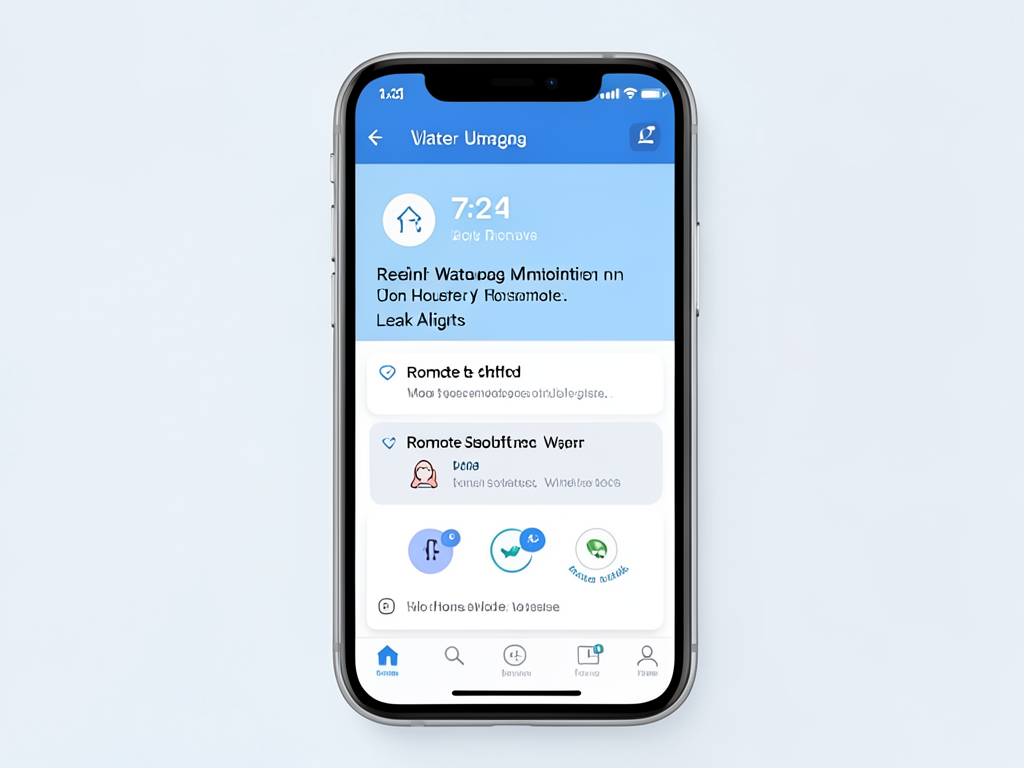
Smartphone app interface showing real-time water usage monitoring, leak alerts, and remote shutoff controls for a whole house water shutoff valve system.
Local Context: Olde Providence’s Plumbing Vulnerabilities
Olde Providence homes face specific plumbing risks that make whole house shutoff valves particularly valuable. The neighborhood’s age and construction patterns create vulnerabilities that newer developments don’t experience.
Many Olde Providence homes were built between 1960 and 1990, a period when polybutylene piping was common. This gray plastic pipe deteriorates from chlorine in municipal water supplies and can fail catastrophically without warning. The material was so problematic that class action lawsuits resulted in billions in settlements.
Charlotte’s water chemistry also affects plumbing longevity. The city’s water contains moderate hardness levels that cause mineral buildup inside pipes. This scaling reduces water flow and creates pressure points where pipes are more likely to fail. Galvanized steel pipes from the 1970s and earlier are especially vulnerable to this corrosion.
The area’s red clay soil creates additional challenges. When this soil gets wet, it expands and puts pressure on underground pipes. When it dries, it contracts and leaves pipes unsupported. This constant movement causes stress fractures in older plumbing systems.
Older homes in Olde Providence often have plumbing configurations that modern homes don’t. Some have multiple water heaters with complex recirculation systems. Others have additions with separate plumbing runs that weren’t properly integrated into the main system. These configurations create more potential failure points. Sump Pump Failure Cleanup and Repair in the Elizabeth Neighborhood.
According to the North Carolina State Plumbing Code Section 13-196, homes with polybutylene piping should be replaced as a safety measure. However, many Olde Providence homeowners haven’t addressed this issue due to the cost of repiping entire homes.
Climate factors also play a role. Charlotte experiences occasional hard freezes that can burst pipes in homes with inadequate insulation. A whole house shutoff valve can’t prevent freezing, but it can stop the flood that results from a burst pipe before major damage occurs.
The combination of aging infrastructure, problematic materials, and local soil conditions makes Olde Providence homes particularly vulnerable to water damage. A whole house shutoff valve provides targeted protection against these specific risks.
Cost-Benefit Analysis: Prevention vs. Restoration
Understanding the true cost of water damage helps justify the investment in prevention. Let’s examine what a typical water damage incident costs versus the price of a shutoff valve system.
A burst pipe in a two-story Olde Providence home can release 200-300 gallons of water in the first hour. This water soaks through ceilings, walls, and floors, affecting multiple rooms and potentially causing structural damage.
Professional water damage restoration follows a specific process. First, emergency water extraction removes standing water using industrial pumps and vacuums. This typically costs $500-$1,500 depending on the volume of water.
Next comes structural drying, which requires commercial dehumidifiers and air movers running for 3-5 days. This equipment rental and labor costs $1,000-$2,500. Without proper drying, mold begins growing within 24-48 hours.
Damaged materials must be removed and replaced. Water-damaged drywall, insulation, and flooring often can’t be saved. Replacement costs for a typical first-floor flood range from $3,000-$8,000 depending on materials and finishes.
If mold develops, remediation becomes necessary. Professional mold removal costs $500-$6,000 depending on the extent of growth and affected areas. The EPA requires certified professionals for mold remediation over 10 square feet.
Additional costs often include temporary housing during restoration ($1,000-$3,000), personal property replacement ($2,000-$5,000), and increased insurance premiums after filing a claim.
The total cost for a significant water damage incident typically ranges from $10,000 to $25,000. Even with insurance coverage, homeowners face deductibles, premium increases, and the hassle of dealing with restoration contractors.
Compare this to a whole house shutoff valve installation costing $500-$1,200. The system prevents all these potential costs with a one-time investment. Plus, it provides ongoing benefits like water usage monitoring and insurance premium discounts.
The return on investment becomes clear when you consider that the average home experiences a significant water event every 8-10 years. Over a 20-year homeownership period, the shutoff valve could prevent multiple damage incidents worth $20,000-$50,000.
Comparison chart showing cost breakdown of water damage restoration ($12,000 average) versus whole house shutoff valve installation ($500-$1,200) with 5-year insurance savings of $525.
Choosing the Right System: Moen Flo vs. Phyn vs. StreamLabs
Several manufacturers offer whole house water shutoff valves, each with different features and price points. Understanding the differences helps you choose the right system for your Olde Providence home.
Moen Flo is the market leader with the most comprehensive feature set. The system uses ultrasonic sensors to detect leaks and includes a built-in battery backup. It integrates with most smart home platforms and provides detailed water usage analytics through its app.
Phyn Plus offers similar capabilities with a focus on water quality monitoring. The system measures water pressure and can detect frozen pipes before they burst. It also includes a temperature sensor and provides detailed insights about your home’s water consumption patterns.
StreamLabs Control is the most affordable option, typically $200-$300 less than the premium brands. It uses ultrasonic technology and includes basic leak detection and remote shutoff capabilities. The system lacks some advanced features but provides core protection at a lower price point.
All three systems require professional installation because they must be integrated into your main water line. DIY installation is not recommended due to the complexity of cutting into pressurized plumbing and ensuring proper valve operation.
Key differences include battery backup duration, app functionality, and integration capabilities. Moen Flo and Phyn Plus both offer 24-48 hour battery backup, while StreamLabs provides 8-12 hours. The premium systems also offer more detailed water usage reports and better smart home integration.
Installation requirements vary by home. Homes with accessible main water lines in basements or utility rooms have simpler installations. Homes with main lines in crawl spaces or finished areas may require additional work to access and protect the valve.
Warranty coverage is another consideration. Moen Flo and Phyn Plus both offer 5-year warranties, while StreamLabs provides 3 years. All manufacturers require professional installation to maintain warranty coverage.
For Olde Providence homes, we recommend the premium systems due to their better battery backup and more comprehensive monitoring capabilities. The area’s occasional power outages make battery backup particularly important.
Consider your specific needs when choosing. If you travel frequently or own a second home, the advanced monitoring features of Moen Flo or Phyn Plus provide additional value. If budget is your primary concern, StreamLabs offers adequate protection at a lower price point.
Installation Process and What to Expect
Professional installation of a whole house water shutoff valve follows a specific process to ensure proper operation and code compliance. Understanding what to expect helps you prepare for the installation day.
The process begins with a plumbing assessment. A licensed plumber evaluates your home’s water system, identifies the main water line location, and determines the best installation point. They check water pressure, pipe material, and available space for the valve.
On installation day, the plumber first shuts off your home’s main water supply. This may require coordination with Charlotte Water if your main shutoff valve is located in the meter box outside your home.
The plumber then cuts into your main water line and installs the shutoff valve. This involves precise cutting and fitting to ensure leak-free connections. The valve is typically installed horizontally with the flow direction matching your home’s plumbing configuration.
Electrical connections follow. Most systems require a standard 120V outlet for the control module, though battery backup eliminates the need for continuous power to the valve itself. The plumber may need to install a new outlet if one isn’t available near the installation location.
Wi-Fi connectivity setup comes next. The plumber connects the system to your home network and configures basic settings. This includes setting up the mobile app, creating user accounts, and testing remote access functionality.
System testing ensures everything works correctly. The plumber runs water through various fixtures to verify the valve operates properly and that the leak detection system responds to simulated flow patterns.
Final steps include cleanup, documentation, and user training. The plumber shows you how to use the app, explains the system’s features, and provides warranty information. They also demonstrate manual shutoff procedures in case you need to override the automatic system.
The entire installation typically takes 2-4 hours for a straightforward job. Complex installations involving difficult access or additional electrical work may take longer.
Post-installation, you should monitor the system for the first few days to ensure it’s functioning correctly. Most manufacturers recommend running a manual test monthly to verify the valve still operates properly.
Professional installation costs vary based on your home’s configuration. Simple installations in homes with accessible main lines cost $500-$700. Complex installations involving finished areas or difficult access can cost $1,000-$1,500.
Always verify that your installer is licensed and insured. In North Carolina, plumbing work requires state licensing, and you should ask to see current credentials before work begins.
Maintenance and Troubleshooting Your Shutoff Valve
Whole house water shutoff valves require minimal maintenance, but regular checks ensure they continue protecting your home effectively. Understanding basic maintenance and troubleshooting helps you maximize your investment.
Monthly testing is the most important maintenance task. Most systems include a manual test function in their apps. Running this test monthly verifies the valve still operates correctly and that the system can communicate with your smartphone.
Battery backup maintenance is crucial for systems with battery power. Check battery levels through the app monthly and replace batteries according to manufacturer recommendations, typically every 2-3 years. Some systems provide low battery alerts when replacement is needed.
Wi-Fi connectivity issues can prevent the system from sending alerts or allowing remote shutoff. If you experience connectivity problems, check that your router is functioning and that the valve is within range. Some systems allow you to check signal strength through the app.
False alarms can occur due to unusual water usage patterns. If the system shuts off water unexpectedly, check for running toilets, malfunctioning appliances, or other sources of continuous water flow. Most systems allow you to adjust sensitivity settings to reduce false alarms.
Seasonal adjustments may be necessary. During periods of heavy water usage, such as when hosting guests or filling a pool, you might need to temporarily adjust the system’s sensitivity to prevent unnecessary shutoffs.
Professional servicing is recommended annually. A plumber can check valve operation, verify electrical connections, and ensure all components are functioning correctly. This service typically costs $100-$150 and can identify potential issues before they cause problems.
Software updates keep your system current with the latest features and security improvements. Most systems update automatically when connected to Wi-Fi, but you should verify your system is running the latest firmware through the app periodically.
If the system fails to operate, basic troubleshooting steps include checking power connections, verifying Wi-Fi connectivity, and ensuring the valve isn’t physically obstructed. Most manufacturers provide detailed troubleshooting guides in their apps or on their websites.
Emergency procedures are important to understand. Know how to manually override the system if necessary, and keep contact information for technical support readily available. Most systems include emergency shutoff procedures in their documentation.
Replacement parts are generally available through the manufacturer or authorized dealers. Common replacement items include batteries, sensors, and control modules. Always use manufacturer-approved parts to maintain warranty coverage.
Understanding your system’s limitations helps prevent frustration. These valves can’t prevent all water damage – they won’t stop roof leaks, HVAC condensate line failures, or water from external sources like flooding. They’re designed specifically for plumbing system failures.
Frequently Asked Questions
How long does it take to install a whole house water shutoff valve?
Professional installation typically takes 2-4 hours for a straightforward job. Complex installations involving difficult access or additional electrical work may take longer.
Will a shutoff valve affect my water pressure?
Quality systems are designed to maintain normal water pressure. You shouldn’t notice any difference in water flow or pressure after installation.
Can I install this system myself?
Professional installation is strongly recommended because the system must be integrated into your main water line. DIY installation can void warranties and may not meet local plumbing codes.
What happens during a power outage?
Most systems include battery backup that keeps the valve operational for 8-48 hours depending on the model. The system continues monitoring and can shut off water if needed.
Will this system work with my smart home devices?
Most premium systems integrate with popular smart home platforms like Amazon Alexa, Google Home, and Apple HomeKit. Check specific compatibility before purchasing.
How much can I save on insurance premiums?
Many North Carolina insurance providers offer 5-10% premium discounts for homes with certified leak detection systems. Some may also waive deductibles for claims in homes with active monitoring.
What if the system shuts off water when I’m away?
The system sends instant alerts to your smartphone when it shuts off water. You can check the app to see what triggered the shutoff and manually restore water if needed.
Does this system prevent all types of water damage?
No. These valves protect against plumbing system failures but won’t prevent roof leaks, HVAC condensate line failures, or external flooding from storms or groundwater.
How often should I test the system?
Monthly testing is recommended to ensure the valve still operates correctly and that the system can communicate with your smartphone.
What maintenance is required?
Monthly testing, annual professional servicing, and battery replacement every 2-3 years are the main maintenance tasks. The system otherwise operates automatically.
Take Action Today to Protect Your Olde Providence Home
Water damage can strike any home at any time, but Olde Providence properties face unique risks from aging plumbing systems and local soil conditions. A whole house water shutoff valve provides 24/7 protection against these threats.
The investment of $500-$1,200 for professional installation pales in comparison to the potential $10,000-$25,000 cost of a single water damage incident. Plus, you’ll enjoy insurance premium discounts, water usage monitoring, and peace of mind knowing your home is protected even when you’re away.
Don’t wait for a disaster to realize the value of prevention. Many Olde Providence homeowners wish they had installed these systems before experiencing costly water damage.
Our team at Cornerstone Water Damage Restoration has seen firsthand the devastation that burst pipes and plumbing failures can cause. We’ve helped countless Charlotte-area homeowners recover from water damage, and we know that prevention is always better than restoration.
We offer professional installation of whole house water shutoff valves for Olde Providence homes. Our licensed plumbers ensure proper installation and integration with your existing plumbing system. We also provide guidance on choosing the right system for your specific needs and budget.
Take the first step toward protecting your home today. Call (980) 342-9955 to schedule a consultation and learn more about how a whole house water shutoff valve can save you money and prevent disaster.
Pick up the phone and call (980) 342-9955 before the next storm hits or the next plumbing failure occurs. Your home deserves this protection, and you deserve the peace of mind that comes with knowing you’re prepared for whatever happens.
Don’t let water damage destroy your Olde Providence home. Call (980) 342-9955 today to schedule your whole house water shutoff valve installation. For more information, visit IICRC water damage restoration standards.
{
“@context”: “https://schema.org”,
“@type”: “BlogPosting”,
“headline”: “The Real Benefits of Whole House Water Shutoff Valves for Olde Providence Homeowners”,
“description”: “Discover how automatic water shutoff valves prevent costly damage in Olde Providence homes. Learn about insurance savings, smart technology, and local plumbing risks.”,
“wordCount”: 3952,
“datePublished”: “2026-06-02T09:57:00.000Z”,
“dateModified”: “2026-06-02T09:57:00.000Z”,
“inLanguage”: “en-US”,
“mainEntityOfPage”: {
“@type”: “WebPage”,
“@id”: “https://cornerstonewaterdamagerestorationcharlotte.com”
},
“publisher”: {
“@type”: “LocalBusiness”,
“name”: “Cornerstone Water Damage Restoration Charlotte”,
“url”: “https://cornerstonewaterdamagerestorationcharlotte.com”
},
“author”: {
“@type”: “Organization”,
“name”: “Cornerstone Water Damage Restoration Charlotte”,
“url”: “https://cornerstonewaterdamagerestorationcharlotte.com”
},
“image”: {
“@type”: “ImageObject”,
“url”: “https://cornerstonewaterdamagerestorationcharlotte.com/wp-content/uploads/2026/03/the-real-benefits-of-whole-house-water-shutoff-val-1.png”
}
}
{
“@context”: “https://schema.org”,
“@type”: “LocalBusiness”,
“name”: “Cornerstone Water Damage Restoration Charlotte”,
“url”: “https://cornerstonewaterdamagerestorationcharlotte.com”,
“address”: {
“@type”: “PostalAddress”,
“addressLocality”: “Charlotte”
},
“areaServed”: {
“@type”: “City”,
“name”: “Charlotte”
}
}
{
“@context”: “https://schema.org”,
“@type”: “FAQPage”,
“mainEntity”: [
{
“@type”: “Question”,
“name”: “How long does it take to install a whole house water shutoff valve?”,
“acceptedAnswer”: {
“@type”: “Answer”,
“text”: “Professional installation typically takes 2-4 hours for a straightforward job. Complex installations involving difficult access or additional electrical work may take longer.”
}
},
{
“@type”: “Question”,
“name”: “Will a shutoff valve affect my water pressure?”,
“acceptedAnswer”: {
“@type”: “Answer”,
“text”: “Quality systems are designed to maintain normal water pressure. You shouldn’t notice any difference in water flow or pressure after installation.”
}
},
{
“@type”: “Question”,
“name”: “Can I install this system myself?”,
“acceptedAnswer”: {
“@type”: “Answer”,
“text”: “Professional installation is strongly recommended because the system must be integrated into your main water line. DIY installation can void warranties and may not meet local plumbing codes.”
}
},
{
“@type”: “Question”,
“name”: “What happens during a power outage?”,
“acceptedAnswer”: {
“@type”: “Answer”,
“text”: “Most systems include battery backup that keeps the valve operational for 8-48 hours depending on the model. The system continues monitoring and can shut off water if needed.”
}
},
{
“@type”: “Question”,
“name”: “Will this system work with my smart home devices?”,
“acceptedAnswer”: {
“@type”: “Answer”,
“text”: “Most premium systems integrate with popular smart home platforms like Amazon Alexa, Google Home, and Apple HomeKit. Check specific compatibility before purchasing.”
}
},
{
“@type”: “Question”,
“name”: “How much can I save on insurance premiums?”,
“acceptedAnswer”: {
“@type”: “Answer”,
“text”: “Many North Carolina insurance providers offer 5-10% premium discounts for homes with certified leak detection systems. Some may also waive deductibles for claims in homes with active monitoring.”
}
},
{
“@type”: “Question”,
“name”: “What if the system shuts off water when I’m away?”,
“acceptedAnswer”: {
“@type”: “Answer”,
“text”: “The system sends instant alerts to your smartphone when it shuts off water. You can check the app to see what triggered the shutoff and manually restore water if needed.”
}
},
{
“@type”: “Question”,
“name”: “Does this system prevent all types of water damage?”,
“acceptedAnswer”: {
“@type”: “Answer”,
“text”: “No. These valves protect against plumbing system failures but won’t prevent roof leaks, HVAC condensate line failures, or external flooding from storms or groundwater.”
}
},
{
“@type”: “Question”,
“name”: “How often should I test the system?”,
“acceptedAnswer”: {
“@type”: “Answer”,
“text”: “Monthly testing is recommended to ensure the valve still operates correctly and that the system can communicate with your smartphone.”
}
},
{
“@type”: “Question”,
“name”: “What maintenance is required?”,
“acceptedAnswer”: {
“@type”: “Answer”,
“text”: “Monthly testing, annual professional servicing, and battery replacement every 2-3 years are the main maintenance tasks. The system otherwise operates automatically.”
}
}
]
}
{
“@context”: “https://schema.org”,
“@type”: “BreadcrumbList”,
“itemListElement”: [
{
“@type”: “ListItem”,
“position”: 1,
“name”: “Home”,
“item”: “https://cornerstonewaterdamagerestorationcharlotte.com”
},
{
“@type”: “ListItem”,
“position”: 2,
“name”: “Blog”,
“item”: “https://cornerstonewaterdamagerestorationcharlotte.com/blog”
},
{
“@type”: “ListItem”,
“position”: 3,
“name”: “The Real Benefits of Whole House Water Shutoff Valves for Olde Providence Homeowners”
}
]
}
{
“@context”: “https://schema.org”,
“@type”: “Service”,
“serviceType”: “Water Damage Restoration”,
“provider”: {
“@type”: “LocalBusiness”,
“name”: “Cornerstone Water Damage Restoration Charlotte”,
“url”: “https://cornerstonewaterdamagerestorationcharlotte.com”
},
“areaServed”: {
“@type”: “City”,
“name”: “Charlotte”
},
“description”: “Discover how automatic water shutoff valves prevent costly damage in Olde Providence homes. Learn about insurance savings, smart technology, and local plumbing risks.”
}