
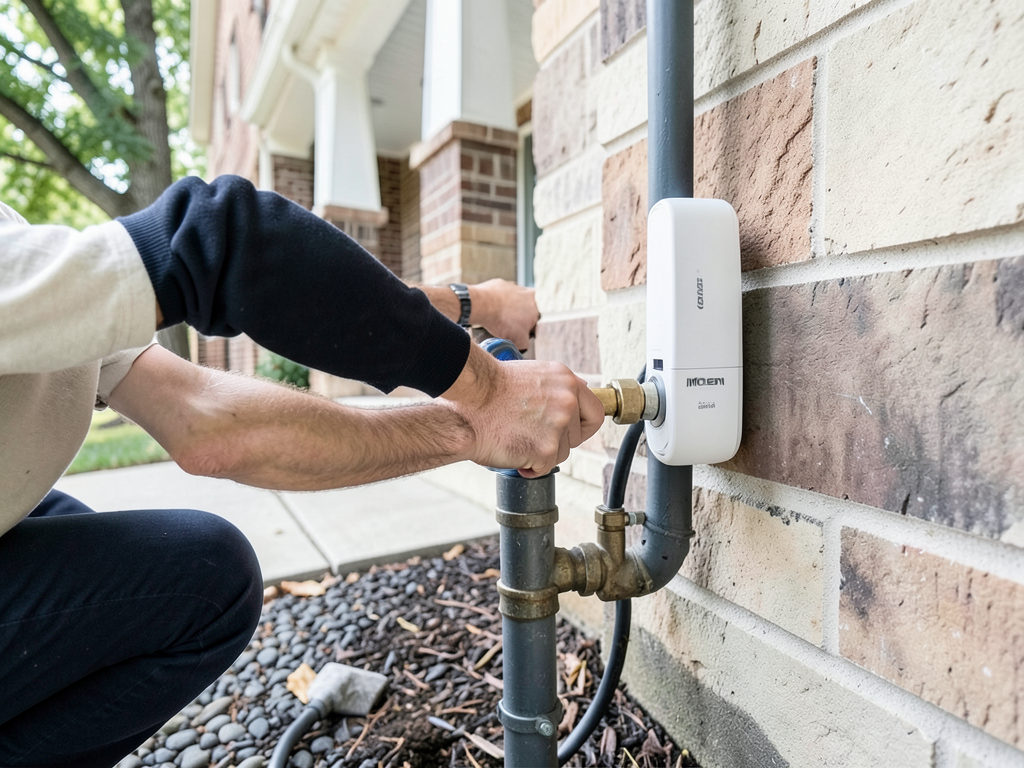
The Best Smart Leak Detectors to Prevent Water Damage in Ballantyne
Water damage strikes Ballantyne homes every day from burst pipes, failing water heaters, and AC condensate leaks. A single incident can cost thousands in repairs and lead to dangerous mold growth. Smart leak detectors provide 24/7 monitoring that can stop disasters before they start. These devices detect moisture at the source and send instant alerts to your phone, giving you time to act before minor leaks become major restoration projects. EPA WaterSense.
Charlotte’s humid climate and aging infrastructure make local homes particularly vulnerable. Many Ballantyne properties have crawlspaces where undetected leaks can fester for weeks. The right smart detector can mean the difference between a quick cleanup and a $10,000 restoration job. This guide covers the top devices for 2026, installation considerations specific to Charlotte homes, and when professional monitoring makes sense. Sump Pump Failure Cleanup and Repair in the Elizabeth Neighborhood.
Top Smart Leak Detectors for Ballantyne Homes
Smart leak detectors fall into two main categories: point-of-leak sensors and whole-home automatic shut-off valves. Point sensors sit near water heaters, under sinks, or in crawlspaces. They sound an alarm and send a phone notification when they detect moisture. Whole-home systems monitor your main water line and can automatically shut off water when they detect abnormal flow patterns. Specialized Water Damage Restoration for Historic Homes in Dilworth.
For Ballantyne’s mix of newer construction and established neighborhoods, we recommend a hybrid approach. Place point sensors in high-risk areas like laundry rooms and water heater closets, then add a whole-home system for comprehensive protection. Rapid Water Extraction and Drying for Properties Near Lake Norman.
Best Overall: Moen Flo Smart Water Monitor
The Moen Flo combines continuous water pressure monitoring with automatic shut-off capabilities. It installs on your main water line and learns your home’s normal water usage patterns. When it detects unusual flow or pressure drops, it can shut off water automatically.
Key features include pressure monitoring down to 1 PSI, freeze detection for Charlotte’s occasional cold snaps, and integration with Amazon Alexa and Google Home. The system costs $499 plus professional installation, but many Charlotte homeowners insurance providers offer premium discounts for installation.
Best Budget Option: Govee Water Sensor 5 Pack
For targeted protection under $100, the Govee sensor kit includes five battery-powered detectors with built-in alarms. Each unit lasts up to two years on AAA batteries and sends alerts through a Wi-Fi gateway. Place them near water heaters, under kitchen sinks, and in crawlspace access points.
The Govee system lacks automatic shut-off but excels at early detection. The loud 100dB alarm can be heard throughout your home, and the app provides real-time moisture level readings. This makes it ideal for rental properties or as a supplement to a whole-home system.
Best for Whole-Home Protection: Phyn Plus Smart Water Assistant
The Phyn Plus offers professional-grade monitoring with machine learning that distinguishes between normal water use and leaks. It measures microscopic pressure changes to detect even pinhole leaks. The system costs $850 and requires professional installation by a licensed plumber.
Phyn’s patented pressure wave analysis can identify the location of leaks within your plumbing system. It also monitors water pressure to prevent pipe bursts and includes temperature sensors to detect freezing conditions. For Ballantyne’s mix of older and newer homes, this level of diagnostic capability proves invaluable.
Smart Leak Detector Comparison
| Device | Price | Power Source | Connectivity | Auto Shut-off | Best For |
|---|---|---|---|---|---|
| Moen Flo | $499 | Hardwired | Wi-Fi | Yes | Whole-home protection |
| Phyn Plus | $850 | Hardwired | Wi-Fi | Yes | Professional monitoring |
| Govee 5-Pack | $79 | Battery | Wi-Fi Gateway | No | Budget point detection |
| LeakSmart | $199 | Battery | Z-Wave | No | Smart home integration |
| Honeywell Lyric | $79 | Battery | Wi-Fi | No | Simple monitoring |
Installation Considerations for Charlotte Homes
Charlotte’s building practices affect smart detector placement. Many Ballantyne homes built before 2010 have crawlspaces with poor ventilation, creating ideal conditions for undetected moisture problems. Homes near Briar Creek or other waterways may have higher water tables, increasing basement leak risks.
Professional installation becomes crucial for whole-home systems. A licensed plumber must understand Mecklenburg County code requirements for main line installations. The plumber needs to locate your home’s main shut-off valve, which in many Ballantyne properties sits in utility closets or outside near the foundation.
DIY installation works for battery-powered point sensors. Place them on flat surfaces where water would first accumulate. Under washing machines, near water softeners, and at the base of water heaters are prime locations. Test each sensor monthly by placing a wet paper towel beneath it.
Smart Home Integration Options
Most modern leak detectors integrate with popular smart home platforms. Amazon Alexa users can ask their Echo devices about water status or trigger emergency routines. Google Home integration allows voice commands and automation with other smart devices.
Z-Wave and Zigbee protocols offer more reliable connectivity for basement or crawlspace installations where Wi-Fi signals struggle. These mesh networks can extend coverage throughout your home without additional wiring. Some systems work with Samsung SmartThings or dedicated hubs like Hubitat.
Local Factors Affecting Leak Detector Performance
Charlotte’s high summer humidity affects sensor longevity. Metal contacts on basic sensors can corrode faster in our climate, reducing sensitivity over time. Choose sensors with sealed electronics or those specifically rated for high-humidity environments.
Hard water common in Mecklenburg County can cause mineral buildup on sensors, triggering false alarms. Clean sensors every six months with a soft cloth and vinegar solution to maintain accuracy. Some premium models include self-cleaning electrodes to prevent this issue.. Read more about How Large Tree Roots Cause Unexpected Pipe Bursts Near Providence Road.
Charlotte Water maintains pressure between 40-80 PSI, but pressure can spike during main line repairs. Whole-home systems with pressure monitoring help prevent damage from these pressure surges, which commonly occur in older Ballantyne neighborhoods.
Insurance Considerations
Many North Carolina insurance providers offer discounts of 5-10% for homes with monitored leak detection systems. State Farm, Nationwide, and Allstate commonly provide these discounts for systems with automatic shut-off capabilities. Contact your provider to verify specific requirements.
Document your installation with photos and keep all warranty information. Some insurance companies require professional installation certification. The discount often pays for the system within two to three years through premium savings.
Emergency Response: What Happens After Detection
When your smart detector alerts you to a leak, immediate action prevents extensive damage. First, verify the alert isn’t a false alarm by checking the affected area. If water is present, locate your main shut-off valve and turn off the water supply.
For homes with automatic shut-off systems, the valve should have already stopped the flow. However, you’ll still need to address the underlying issue. Common causes in Ballantyne include corroded supply lines, failed washing machine hoses, and cracked toilet supply valves.
Document everything with photos before cleanup begins. This documentation proves crucial for insurance claims. Remove standing water immediately using mops or wet vacuums. Set up fans to begin drying within the first 24 hours to prevent mold growth.
Professional Monitoring Services
Some homeowners prefer professional monitoring services that provide 24/7 oversight of their leak detection systems. These services monitor multiple sensors and can dispatch emergency plumbers when needed. Monthly costs range from $15-30 depending on the number of sensors and response level.
Professional monitoring proves valuable for vacation homes or properties where residents travel frequently. The service can coordinate with local plumbers in Charlotte, ensuring rapid response even when you’re out of town.
However, for most Ballantyne residents, self-monitoring through smartphone apps provides adequate protection. The key is choosing systems with reliable cellular backup so alerts still come through if your home Wi-Fi fails during a storm. Storm Flooding Emergency Service.
Maintenance and Testing Schedule
Smart leak detectors require regular maintenance to ensure reliability. Test battery-powered sensors monthly by placing a wet cloth near the sensor. Replace batteries annually, even if they seem functional. Hardwired systems need annual inspections to check wiring connections.
Clean sensors every three months to prevent false alarms from dust or mineral deposits. Check Wi-Fi connectivity monthly, especially for sensors in basements or crawlspaces where signal strength can degrade over time.
Document all maintenance in your home management app. This record helps identify patterns and proves due diligence if you ever need to file an insurance claim.
Special Considerations for Older Ballantyne Homes
Many Ballantyne properties built in the 1990s have polybutylene plumbing, which becomes brittle and prone to failure after 20-30 years. If your home has this piping, smart leak detectors become even more critical. The average polybutylene failure occurs without warning, often during overnight hours. Steps to Take After a Flood.
Homes with finished basements require special attention. Place sensors near foundation walls where hydrostatic pressure can force water through cracks. Also monitor HVAC condensate lines, which commonly clog and overflow in Charlotte’s humid climate.
Historic properties in nearby Dilworth often have aging galvanized steel pipes that corrode internally. These pipes can fail suddenly, making comprehensive monitoring essential. Consider placing sensors in every bathroom and kitchen for maximum protection.
Cost-Benefit Analysis
The average water damage claim in Mecklenburg County exceeds $7,000. Professional restoration includes water extraction, drying equipment, and mold remediation if needed. Smart leak detectors cost between $80-850 depending on the system type.
Even the most expensive system pays for itself by preventing a single major incident. Add in insurance discounts and the peace of mind from 24/7 monitoring, and the investment becomes compelling. For homes with finished basements or valuable contents, the protection proves invaluable.
Consider the cost of water damage restoration in Charlotte: emergency service calls average $350, water extraction costs $1,000-2,500, and mold remediation can exceed $5,000. Smart detectors prevent these expenses while protecting your home’s structural integrity.
Frequently Asked Questions
Do smart leak detectors work during power outages?
Battery-powered sensors continue working during power outages. Systems with Wi-Fi connectivity may lose remote alert capability unless they have cellular backup. Choose models with battery backup for critical systems to ensure continuous protection.
How many sensors do I need for my home?
Start with at least one sensor per high-risk area: water heater, washing machine, kitchen sink, and any bathroom with visible plumbing. Add sensors for additional bathrooms, dishwashers, and refrigerators with ice makers. For whole-home systems, one main unit typically suffices.
Can smart leak detectors prevent all water damage?
No system prevents all water damage. Smart detectors respond to existing leaks but cannot stop flooding from external sources like storm surge or foundation seepage. Combine them with proper drainage, functioning sump pumps, and regular plumbing maintenance for comprehensive protection.
What happens if my detector fails?
Choose systems with redundancy features like multiple alert methods (push notification, email, SMS, phone call). Some systems continue sending alerts through cellular networks if Wi-Fi fails. Regular testing ensures your system works when needed.
Take Action Before Disaster Strikes
Water damage waits for no one. A small leak today becomes a major restoration project tomorrow. Smart leak detectors provide affordable protection that pays for itself by preventing just one major incident. For Ballantyne homes, where many properties have crawlspaces and aging plumbing, this protection proves especially valuable.
Don’t wait for the first alarm to sound. Call (980) 342-9955 today to schedule a professional assessment of your home’s water risk factors. Our certified technicians can recommend the right combination of sensors and shut-off systems for your specific property. We’ll help you choose devices that integrate with your existing smart home setup and provide training on proper installation and maintenance.
Water damage restoration costs thousands and disrupts your life for weeks. Prevention costs a fraction of that and provides peace of mind. Pick up the phone and call (980) 342-9955 before the next storm hits or the next pipe fails. Your home deserves protection that works 24/7, even when you’re not there to notice the first signs of trouble.
Remember: the best time to install leak protection was yesterday. The second-best time is today. Call (980) 342-9955 now to schedule your consultation and take the first step toward protecting your Ballantyne home from water damage.. Read more about Managing a Second Floor Laundry Room Overflow in Your Yorkshire Neighborhood Home.
Learn what to do immediately if your Ballantyne basement floods tonight
See how we fix kitchen pipe leaks in nearby Plaza Midwood For more information, visit IICRC Standards.