Steps to Fix Wet Drywall and Ceiling Sagging in Your Concord Home
Concord’s clay-rich soil and humid climate create perfect conditions for water damage to spread quickly through homes. You must act within 24-48 hours when drywall gets wet to prevent permanent structural damage and dangerous mold growth. The gypsum core in drywall loses strength rapidly when exposed to moisture making immediate action critical. Specialized Water Damage Restoration for Historic Homes in Dilworth.
Wet drywall feels soft and spongy when pressed between your fingers. Water-damaged ceilings sag under the weight of absorbed moisture creating visible dips and curves. You might notice bubbling paint peeling away from surfaces or dark water stains spreading across ceilings. These warning signs mean the gypsum core has lost its structural integrity and needs immediate attention before collapse occurs. Rapid Water Extraction and Drying for Properties Near Lake Norman.
Assessing Water Damage Severity
Water damage falls into four classes based on evaporation rate and material saturation. Class 1 affects only part of a room with minimal absorption like a small spill on a concrete floor. Class 2 impacts entire rooms with wet carpets and wicking up walls 12-24 inches from the floor. Class 3 involves saturation from overhead sources like burst pipes above ceilings or roof leaks. Class 4 requires specialty drying for materials like hardwood or concrete that hold moisture deep within their structure.
Category 1 water comes from clean sources like broken supply lines or rainwater. Category 2 contains contamination from washing machines or dishwashers with detergents and food particles. Category 3 is grossly contaminated black water from sewage or flooding carrying bacteria and pathogens. Black water requires immediate professional remediation due to serious health hazards. Storm Flooding Emergency Service.
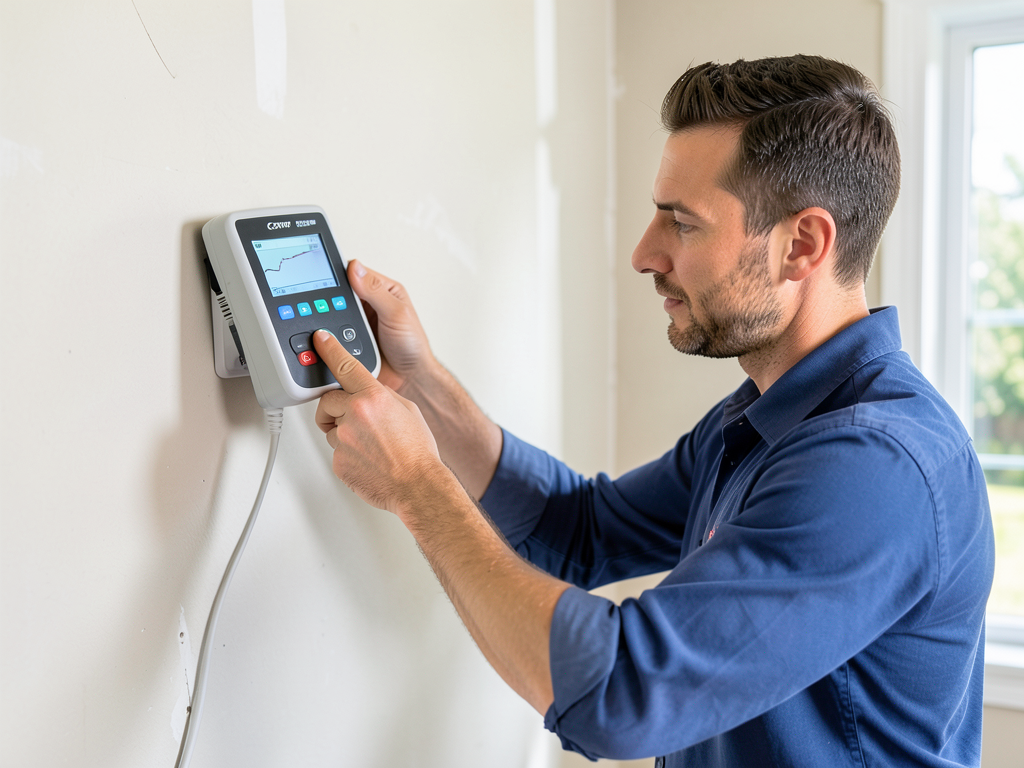
Use a moisture meter to test wall cavities by inserting the probe into small holes drilled through drywall. Readings above 16% indicate active moisture that promotes mold growth within 24-48 hours. Thermal imaging cameras reveal hidden moisture behind walls by showing temperature differences where water collects. Cold spots appear darker on the camera screen indicating moisture presence.
Professional Drywall Restoration Process
Professional restoration follows systematic steps to ensure complete drying and prevent mold recurrence. The process starts with water extraction using truck-mounted or portable extractors that remove standing water at 185 cubic feet per minute. These powerful vacuums pull water from carpets padding and hard surfaces preventing further absorption into walls and subfloors. Steps to Take After a Flood.
Structural drying involves placing commercial dehumidifiers and air movers in a calculated configuration based on room dimensions and moisture levels. Dehumidifiers remove 20-30 gallons of water daily from the air by condensing moisture on cold coils. Air movers create 3,000 cubic feet per minute airflow to evaporate moisture from materials and carry it to the dehumidifiers. The equipment runs continuously for 3-5 days until moisture content reaches safe levels.
Antimicrobial treatment applies EPA-registered disinfectants to kill existing mold spores and prevent new growth. Products containing quaternary ammonium compounds provide 99.9% effectiveness against common household molds. Technicians spray or fog these solutions throughout affected areas ensuring complete coverage even in hard-to-reach spaces behind walls and under flooring. EPA mold guidelines.
Dehumidification continues until moisture content in materials reaches safe levels. Wood should test below 12% moisture content to prevent warping and rot. Drywall requires readings below 12% in the core and 16% on paper surfaces to prevent mold growth. Technicians use multiple moisture meters to verify readings from different angles and depths.
Final inspection includes moisture mapping to verify all affected areas are dry. Technicians document the work with photos moisture readings and drying logs. This documentation proves the work meets industry standards and satisfies insurance requirements for claim approval.
DIY vs Professional Repair Decision Guide
Small water spots under 12 inches might qualify for DIY repair if the source is fixed and area dried within 24 hours. Cut out damaged sections using a utility knife making straight cuts through the drywall paper. Replace with moisture-resistant drywall and apply joint compound in thin layers allowing each coat to dry completely before sanding and applying the next.
Call professionals when ceilings sag more than 1/2 inch creating dangerous conditions where collapse could injure someone. Water affects electrical systems when it reaches outlets switches or wiring creating shock hazards. Damage spans multiple rooms when water travels through walls or under flooring affecting large areas beyond visible damage.
Black water contamination from sewage or flooding requires immediate expert intervention due to bacteria and pathogens. Visible mold growth indicates moisture has been present long enough for colonies to establish. Structural concerns arise when water weakens load-bearing walls or ceiling joists creating unsafe conditions.
Hidden moisture behind walls creates perfect mold breeding conditions with darkness warmth and organic materials. Without proper drying equipment you cannot verify complete moisture removal. Professional-grade moisture meters and thermal cameras detect what homeowners miss using visual inspection alone.
Insurance companies often require professional documentation for claims exceeding $2,500 to verify the extent of damage and quality of repairs. DIY repairs without proper documentation might result in denied claims if problems recur within months after repair.
Insurance Claims Process in North Carolina
North Carolina homeowners insurance covers sudden and accidental water damage from plumbing failures or appliance malfunctions. Burst pipes overflowing washing machines and water heater leaks typically qualify for coverage. Flood damage from external sources requires separate flood insurance through the National Flood Insurance Program since standard policies exclude rising water from storms or overflowing rivers. National Flood Insurance Program.
Document damage immediately with photos and videos before cleanup begins to establish the extent of loss. Create a detailed inventory of damaged items including purchase dates and values for replacement cost calculations. Keep all receipts for emergency repairs and temporary housing if needed while your home becomes habitable again. What to Do Immediately if Your Ballantyne Basement Floods Tonight.
Insurance adjusters look for evidence of maintenance issues that might void coverage. Regular plumbing inspections and prompt leak repairs demonstrate responsible homeownership. Lack of maintenance like ignoring small leaks or failing to clean gutters might reduce your claim settlement.
Professional restoration companies provide detailed scope-of-work documents that help adjusters process claims faster. Direct insurance billing eliminates out-of-pocket expenses for covered services letting you focus on recovery instead of paperwork. Most restoration companies work with all major insurance providers and understand their specific requirements.
Preventing Future Water Damage
Install water leak detectors near water heaters washing machines and under sinks where leaks commonly occur. Smart detectors send smartphone alerts when moisture is detected allowing you to shut off water supply remotely through connected valves. These devices can prevent thousands of dollars in damage by catching leaks before they spread.
Maintain proper grading around your foundation to direct water away from the house. Concord’s clay soil expands when wet creating pressure against foundation walls. Soil should slope 6 inches within 10 feet of the foundation preventing water from pooling near the structure. Clean gutters and downspouts prevent overflow that damages siding and foundations during heavy rains.
Replace washing machine hoses every five years since rubber degrades over time creating weak points that burst under pressure. Stainless steel braided hoses resist bursting compared to rubber hoses providing longer service life. Install emergency shutoff valves that automatically stop water flow when leaks are detected preventing extensive damage.
Check for plumbing leaks by monitoring your water meter. Turn off all water sources and watch the meter for 30 minutes. Movement indicates hidden leaks that need repair. Small drips waste water and create moisture problems in walls and under floors over time.
Concord Service Area Coverage
Cornerstone Water Damage Restoration serves Concord and surrounding Cabarrus County communities including Harrisburg Midland Kannapolis and Mount Pleasant. Our 24/7 emergency response team arrives within 60 minutes of your call ready to begin water extraction and damage assessment. We understand Concord’s specific challenges from clay soil expansion to seasonal humidity patterns that affect drying times.
We handle everything from small bathroom leaks to whole-house flooding using IICRC S500 standard procedures for water damage restoration. Our certified technicians follow strict protocols for moisture detection drying and sanitization. We work directly with insurance companies to streamline your recovery process and minimize your stress during emergencies. IICRC S500 standards.
Don’t wait for water damage to get worse. Call (980) 342-9955 today to schedule your inspection. Early intervention saves you thousands in repair costs and prevents dangerous mold growth that can affect your family’s health. Our team stands ready to protect your Concord home from water damage consequences.
Frequently Asked Questions
How long does wet drywall take to dry?
Professional drying typically takes 3-5 days depending on Class of water and material saturation. DIY drying without proper equipment often takes weeks and may not achieve complete moisture removal leaving hidden pockets that promote mold growth.
Can I paint over water-damaged drywall?
No. Painting over wet or damaged drywall traps moisture and promotes mold growth behind the paint. You must repair or replace damaged sections first then apply primer before painting to ensure proper adhesion and prevent future problems.
What causes ceiling sagging after water damage?
Water absorption makes drywall heavier than its designed load capacity causing the gypsum core to lose structural integrity. Paper backing weakens and stretches while the weight of absorbed water creates downward pressure. Sagging indicates severe damage requiring replacement since the material cannot support its own weight.
Is mold always present after water damage?
Mold can begin growing within 24-48 hours in favorable conditions with moisture organic materials and temperatures between 70-90 degrees. High humidity warm temperatures and drywall paper create ideal mold environments. Professional drying prevents mold establishment by removing moisture before colonies can form.
How much does drywall repair cost?
Costs vary based on damage extent materials needed and labor requirements. Small repairs might cost $200-500 while whole-room replacement can exceed $2,000. Insurance often covers sudden damage from covered perils but excludes gradual damage from maintenance issues or flooding without separate coverage.
{
“@context”: “https://schema.org”,
“@type”: “BlogPosting”,
“headline”: “Steps to Fix Wet Drywall and Ceiling Sagging in Your Concord Home”,
“description”: “Discover professional steps to fix wet drywall and ceiling sagging in Concord homes. Learn moisture assessment, restoration techniques, and prevention methods.”,
“wordCount”: 1665,
“datePublished”: “2026-03-12T12:34:00.000Z”,
“dateModified”: “2026-03-12T12:34:00.000Z”,
“inLanguage”: “en-US”,
“mainEntityOfPage”: {
“@type”: “WebPage”,
“@id”: “https://cornerstonewaterdamagerestorationcharlotte.com”
},
“publisher”: {
“@type”: “LocalBusiness”,
“name”: “Cornerstone Water Damage Restoration Charlotte”,
“url”: “https://cornerstonewaterdamagerestorationcharlotte.com”
},
“author”: {
“@type”: “Organization”,
“name”: “Cornerstone Water Damage Restoration Charlotte”,
“url”: “https://cornerstonewaterdamagerestorationcharlotte.com”
},
“image”: {
“@type”: “ImageObject”,
“url”: “https://cornerstonewaterdamagerestorationcharlotte.com/wp-content/uploads/2026/03/steps-to-fix-wet-drywall-and-ceiling-sagging-in-yo-1.png”
}
}
{
“@context”: “https://schema.org”,
“@type”: “LocalBusiness”,
“name”: “Cornerstone Water Damage Restoration Charlotte”,
“url”: “https://cornerstonewaterdamagerestorationcharlotte.com”,
“address”: {
“@type”: “PostalAddress”,
“addressLocality”: “Charlotte”
},
“areaServed”: {
“@type”: “City”,
“name”: “Charlotte”
}
}
{
“@context”: “https://schema.org”,
“@type”: “FAQPage”,
“mainEntity”: [
{
“@type”: “Question”,
“name”: “How long does wet drywall take to dry?”,
“acceptedAnswer”: {
“@type”: “Answer”,
“text”: “Professional drying typically takes 3-5 days depending on Class of water and material saturation. DIY drying without proper equipment often takes weeks and may not achieve complete moisture removal leaving hidden pockets that promote mold growth.”
}
},
{
“@type”: “Question”,
“name”: “Can I paint over water-damaged drywall?”,
“acceptedAnswer”: {
“@type”: “Answer”,
“text”: “No. Painting over wet or damaged drywall traps moisture and promotes mold growth behind the paint. You must repair or replace damaged sections first then apply primer before painting to ensure proper adhesion and prevent future problems.”
}
},
{
“@type”: “Question”,
“name”: “What causes ceiling sagging after water damage?”,
“acceptedAnswer”: {
“@type”: “Answer”,
“text”: “Water absorption makes drywall heavier than its designed load capacity causing the gypsum core to lose structural integrity. Paper backing weakens and stretches while the weight of absorbed water creates downward pressure. Sagging indicates severe damage requiring replacement since the material cannot support its own weight.”
}
},
{
“@type”: “Question”,
“name”: “Is mold always present after water damage?”,
“acceptedAnswer”: {
“@type”: “Answer”,
“text”: “Mold can begin growing within 24-48 hours in favorable conditions with moisture organic materials and temperatures between 70-90 degrees. High humidity warm temperatures and drywall paper create ideal mold environments. Professional drying prevents mold establishment by removing moisture before colonies can form.”
}
},
{
“@type”: “Question”,
“name”: “How much does drywall repair cost?”,
“acceptedAnswer”: {
“@type”: “Answer”,
“text”: “Costs vary based on damage extent materials needed and labor requirements. Small repairs might cost $200-500 while whole-room replacement can exceed $2,000. Insurance often covers sudden damage from covered perils but excludes gradual damage from maintenance issues or flooding without separate coverage.”
}
}
]
}
{
“@context”: “https://schema.org”,
“@type”: “BreadcrumbList”,
“itemListElement”: [
{
“@type”: “ListItem”,
“position”: 1,
“name”: “Home”,
“item”: “https://cornerstonewaterdamagerestorationcharlotte.com”
},
{
“@type”: “ListItem”,
“position”: 2,
“name”: “Blog”,
“item”: “https://cornerstonewaterdamagerestorationcharlotte.com/blog”
},
{
“@type”: “ListItem”,
“position”: 3,
“name”: “Steps to Fix Wet Drywall and Ceiling Sagging in Your Concord Home”
}
]
}
{
“@context”: “https://schema.org”,
“@type”: “Service”,
“serviceType”: “Water Damage Restoration”,
“provider”: {
“@type”: “LocalBusiness”,
“name”: “Cornerstone Water Damage Restoration Charlotte”,
“url”: “https://cornerstonewaterdamagerestorationcharlotte.com”
},
“areaServed”: {
“@type”: “City”,
“name”: “Charlotte”
},
“description”: “Discover professional steps to fix wet drywall and ceiling sagging in Concord homes. Learn moisture assessment, restoration techniques, and prevention methods.”
}