Comparing Air Movers and Industrial Dehumidifiers for Rapid Home Drying in Sedgefield
When water floods your Sedgefield home, every minute counts. The humid Charlotte climate makes rapid structural drying critical to prevent mold growth and permanent damage. Understanding how professional-grade air movers and dehumidifiers work together can help you make informed decisions during a crisis. Specialized Water Damage Restoration for Historic Homes in Dilworth.
Water damage restoration requires more than just removing visible water. The science of structural drying involves controlling temperature, airflow, and humidity to create optimal conditions for evaporation. In Sedgefield’s clay-heavy soil conditions, water often seeps deep into structural materials, making professional equipment essential for complete drying. Rapid Water Extraction and Drying for Properties Near Lake Norman.
The Science Behind Professional Drying Equipment
Professional water damage restoration follows the principles of psychrometry – the study of air and moisture interactions. The process involves removing excess moisture from materials and the air while preventing secondary damage. Charlotte’s high summer humidity levels, often exceeding 70%, create unique challenges that consumer-grade equipment cannot overcome. Water Damage Restoration Indian Trail.
The key to effective drying is creating a vapor pressure differential. This means the air around wet materials must be drier than the materials themselves. Industrial equipment achieves this through high-velocity airflow and massive moisture removal capacity that household fans and dehumidifiers simply cannot match.
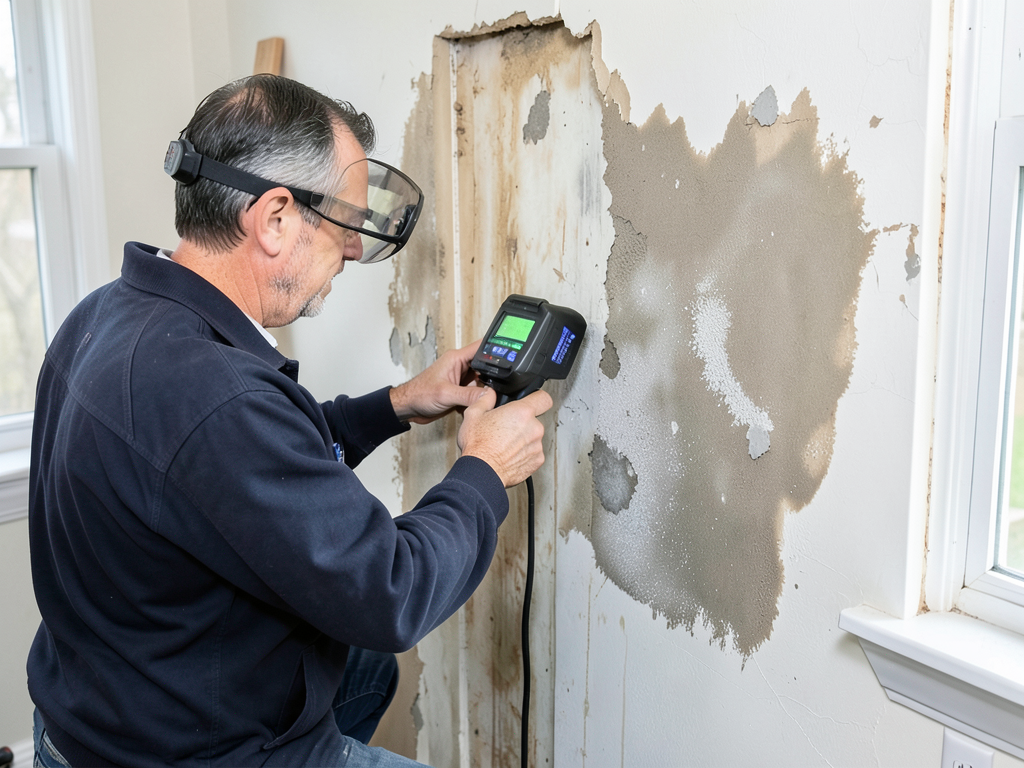
A technician uses thermal imaging to detect hidden moisture in a Sedgefield home’s wall cavity during the drying process.
Industrial Air Movers: Creating High-Velocity Evaporation
Air movers are specialized fans designed to create powerful airflow across wet surfaces. Unlike household fans that move air in all directions, industrial air movers focus high-velocity air in specific patterns to maximize evaporation. In Sedgefield homes, technicians typically use a combination of axial and centrifugal air movers depending on the space and material type.
Axial air movers create a wide, flat airflow pattern ideal for drying large open areas like hardwood floors or carpets. These units move massive volumes of air – typically 3,000 to 5,000 cubic feet per minute. Centrifugal air movers create focused, high-pressure airflow perfect for directing air under cabinets, into wall cavities, or through hardwood floor planks.
The boundary layer effect explains why air movers are so effective. When water sits on a surface, a thin layer of humid air forms above it, slowing evaporation. Air movers break this boundary layer by constantly replacing humid air with drier air, accelerating the drying process by up to 300% compared to natural evaporation.. Read more about Ways to Identify Structural Water Damage in Your Waxhaw Basement or Foundation.
LGR Dehumidifiers: Removing Moisture at the Molecular Level
While air movers accelerate evaporation, dehumidifiers remove the moisture from the air. Low Grain Refrigerant (LGR) dehumidifiers are the gold standard for water damage restoration in Charlotte. These units can remove 20 to 40 gallons of water per day – compared to household dehumidifiers that remove just 1 to 2 gallons.. Read more about How to Tell if Your Standing Water is Categorized as Gray or Black.
LGR technology works by passing moist air over cold coils, causing water vapor to condense into liquid water. The key difference between LGR and standard dehumidifiers is the pre-cooling process. LGR units cool the incoming air before it reaches the main coils, allowing them to achieve much lower dew points – often below 40 degrees Fahrenheit.. Read more about Restoring Water Damaged Carpeting in Your Providence Plantation Guest Suite.
This capability is crucial in Sedgefield’s climate. When outdoor humidity levels remain high, standard dehumidifiers struggle to maintain low indoor humidity. LGR units continue removing moisture even when ambient conditions are challenging, preventing the reabsorption of moisture by already-dried materials.
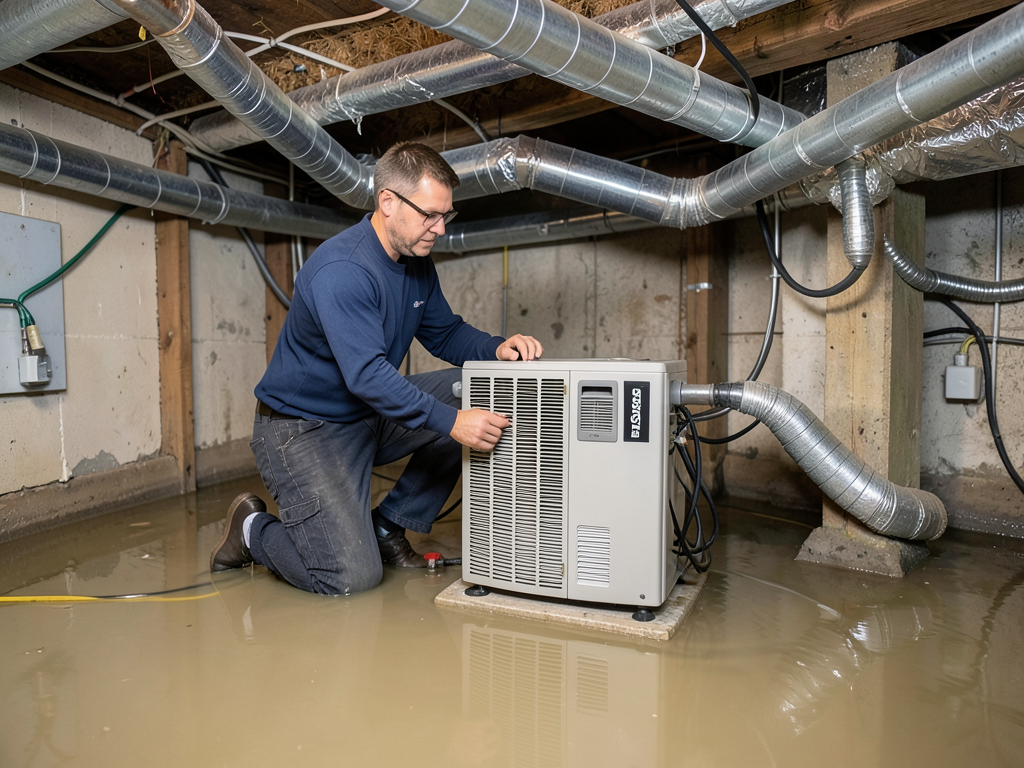
A technician positions an LGR dehumidifier in a flooded Sedgefield basement, connected to multiple air movers through ducting systems.
Desiccant Dehumidifiers for Extreme Conditions
For large commercial losses or extremely wet conditions, desiccant dehumidifiers offer superior performance. These units use silica gel to absorb moisture rather than condensation. Desiccant technology excels in cold conditions where refrigerant dehumidifiers lose efficiency and can achieve humidity levels as low as 5% relative humidity.
In Sedgefield’s mixed-use areas near Park Road Shopping Center, desiccant units are often deployed for multi-story water losses where refrigerant units cannot reach all affected areas. These units can be configured with ducting systems to deliver extremely dry air to specific problem areas, such as elevator shafts or mechanical rooms.. Read more about Why DIY Water Cleanup Often Leads to Mold Problems in Steele Creek Homes.
Moisture Detection and Monitoring Technology
Professional drying requires more than just equipment placement. Technicians use specialized tools to verify complete drying. Thermal imaging cameras detect temperature differences that indicate moisture presence, while moisture meters measure actual water content in materials. Hygrometers monitor air conditions throughout the process.
The drying process follows specific protocols based on the IICRC S500 Standard for Professional Water Damage Restoration. This industry standard defines acceptable moisture levels for different materials and establishes the criteria for declaring a structure “dry.” In Sedgefield’s older homes near Selwyn Avenue, technicians often find elevated moisture levels in plaster walls that require extended drying times. IICRC S500 Standard.
Daily monitoring involves documenting moisture readings from affected and unaffected areas. This data creates a moisture map showing progress and helps technicians adjust equipment placement for optimal results. The process typically requires 3 to 5 days for residential losses, though complex situations may extend to 7 days or more.
Equipment Deployment Strategy for Sedgefield Homes
Professional restoration companies follow systematic approaches to equipment deployment. The process begins with water extraction using truck-mounted extraction units that remove 400 to 500 gallons of water per hour. Once standing water is removed, the drying strategy focuses on affected materials and their specific requirements.
Hardwood floors require specialized equipment including floor mat systems that create negative air pressure to draw moisture from between boards. These systems can save thousands of dollars in floor replacement costs when deployed quickly. In Sedgefield’s historic homes near the Myers Park border, preserving original hardwood flooring is often a priority.
Crawl spaces present unique challenges due to limited access and poor ventilation. Professional technicians use specialized crawl space drying systems that combine air movers with dehumidifiers in confined spaces. The clay soil common in Sedgefield’s Piedmont region retains moisture, making complete drying essential to prevent ongoing issues.
Wall cavities often trap moisture in insulation and structural members. Injection drying systems use small holes to introduce dry air directly into wall spaces, eliminating the need for extensive demolition. This approach is particularly valuable in Sedgefield’s newer construction where open floor plans create complex drying scenarios.
A drying log showing moisture content readings over five days from a recent Sedgefield water damage restoration project.
Comparing Equipment Specifications and Performance
| Equipment Type | Airflow/CFM | Moisture Removal | Coverage Area | Power Requirements |
|---|---|---|---|---|
| Axial Air Mover | 3,000-5,000 | N/A | 600-800 sq ft | 115V, 2-3 amps |
| Centrifugal Air Mover | 1,200-2,000 | N/A | 100-200 sq ft focused | 115V, 2-3 amps |
| LGR Dehumidifier | N/A | 20-40 gallons/day | 1,200-2,000 sq ft | 115V, 7-10 amps |
| Desiccant Dehumidifier | N/A | 15-30 gallons/day | 2,000+ sq ft | 220V, 15-30 amps |
Why Professional Equipment Matters in Charlotte’s Climate
Charlotte’s humid subtropical climate creates conditions where DIY drying often fails. The combination of high outdoor humidity and warm temperatures creates perfect conditions for mold growth within 48 to 72 hours of water exposure. Professional equipment maintains specific humidity levels that prevent this growth while accelerating material drying.
The North Carolina Residential Code requires specific moisture control measures in construction, but these standards don’t account for sudden water intrusion. Professional restoration brings buildings back to pre-loss conditions while meeting or exceeding local building requirements for moisture content in structural materials.
Sedgefield’s location near Briar Creek and its relatively flat terrain make some properties susceptible to groundwater issues during heavy rains. Professional drying equipment can address these challenges by creating negative pressure environments that prevent moisture migration from surrounding soil into affected structures.
Cost Factors and Insurance Considerations
Professional drying equipment represents a significant investment for restoration companies. A complete setup for a typical residential loss includes 8 to 12 air movers, 2 to 4 dehumidifiers, and various specialty equipment. This investment allows companies to handle multiple jobs simultaneously while maintaining equipment availability for emergency calls.
Most homeowner’s insurance policies cover water damage restoration when the cause is sudden and accidental. The rapid deployment of professional equipment often reduces overall claim costs by preventing secondary damage and mold growth. Insurance companies recognize the value of proper drying protocols and often require documentation of IICRC S500 compliance.
The cost of professional drying varies based on the extent of damage, but the investment typically ranges from $2,000 to $6,000 for residential losses. This cost is minimal compared to the potential expense of replacing structural materials, flooring, and furnishings that could result from inadequate drying.
Frequently Asked Questions
How long does the drying process take in a typical Sedgefield home?
Most residential water damage restoration projects in Sedgefield require 3 to 5 days of active drying. Factors affecting duration include the extent of saturation, material types, and whether the property has a crawl space. Complex situations involving hardwood floors or multiple levels may extend to 7 days.
Can I use my household fans and dehumidifier instead of professional equipment?
Household equipment lacks the power and capacity to properly dry water-damaged structures. Professional air movers move 10 to 20 times more air than household fans, while LGR dehumidifiers remove 20 to 40 times more moisture than standard units. The difference in drying speed and completeness is substantial.
What happens if materials aren’t dried properly?
Incomplete drying leads to mold growth, structural deterioration, and persistent odors. Mold can begin growing within 48 hours in Charlotte’s humid climate. Structural wood can rot, metal can corrode, and building materials can warp or delaminate. Proper drying prevents these costly secondary damages.
Emergency Response and Next Steps
When water damage occurs in your Sedgefield home, immediate action prevents costly secondary damage. The first 24 hours are critical for successful restoration. Professional restoration companies maintain 24/7 emergency response teams equipped with industrial drying equipment ready for immediate deployment.
Before professional help arrives, you can take several steps to minimize damage. Turn off electricity to affected areas, remove valuable items from wet floors, and begin blotting excess water with towels. However, avoid using household vacuums for water removal as this poses electrical hazards. Steps to Take After a Flood.
Professional restoration begins with a thorough assessment using moisture detection equipment to identify all affected areas. Technicians then develop a comprehensive drying plan that addresses both visible and hidden moisture. This systematic approach ensures complete restoration and prevents the recurrence of problems months after the initial incident.
Don’t let water damage compromise your Sedgefield home’s structural integrity or your family’s health. Call (980) 342-9955 today to schedule your inspection and protect your property from the devastating effects of improper water damage restoration.
Pick up the phone and call (980) 342-9955 before the next storm hits. Our team is ready to respond 24/7 with the professional equipment and expertise needed to restore your home quickly and completely. For more information, visit EPA Mold Guidelines.
{
“@context”: “https://schema.org”,
“@type”: “BlogPosting”,
“headline”: “Comparing Air Movers and Industrial Dehumidifiers for Rapid Home Drying in Sedgefield”,
“description”: “Learn how air movers and LGR dehumidifiers work together to dry Sedgefield homes fast after water damage. Call (980) 342-9955 for 24/7 emergency service.”,
“wordCount”: 1802,
“datePublished”: “2026-03-04T08:50:00.000Z”,
“dateModified”: “2026-03-04T08:50:00.000Z”,
“inLanguage”: “en-US”,
“mainEntityOfPage”: {
“@type”: “WebPage”,
“@id”: “https://cornerstonewaterdamagerestorationcharlotte.com”
},
“publisher”: {
“@type”: “LocalBusiness”,
“name”: “Cornerstone Water Damage Restoration Charlotte”,
“url”: “https://cornerstonewaterdamagerestorationcharlotte.com”
},
“author”: {
“@type”: “Organization”,
“name”: “Cornerstone Water Damage Restoration Charlotte”,
“url”: “https://cornerstonewaterdamagerestorationcharlotte.com”
},
“image”: {
“@type”: “ImageObject”,
“url”: “https://cornerstonewaterdamagerestorationcharlotte.com/wp-content/uploads/2026/03/comparing-air-movers-and-industrial-dehumidifiers-1.png”
}
}
{
“@context”: “https://schema.org”,
“@type”: “LocalBusiness”,
“name”: “Cornerstone Water Damage Restoration Charlotte”,
“url”: “https://cornerstonewaterdamagerestorationcharlotte.com”,
“address”: {
“@type”: “PostalAddress”,
“addressLocality”: “Charlotte”
},
“areaServed”: {
“@type”: “City”,
“name”: “Charlotte”
}
}
{
“@context”: “https://schema.org”,
“@type”: “FAQPage”,
“mainEntity”: [
{
“@type”: “Question”,
“name”: “How long does the drying process take in a typical Sedgefield home?”,
“acceptedAnswer”: {
“@type”: “Answer”,
“text”: “Most residential water damage restoration projects in Sedgefield require 3 to 5 days of active drying. Factors affecting duration include the extent of saturation, material types, and whether the property has a crawl space. Complex situations involving hardwood floors or multiple levels may extend to 7 days.”
}
},
{
“@type”: “Question”,
“name”: “Can I use my household fans and dehumidifier instead of professional equipment?”,
“acceptedAnswer”: {
“@type”: “Answer”,
“text”: “Household equipment lacks the power and capacity to properly dry water-damaged structures. Professional air movers move 10 to 20 times more air than household fans, while LGR dehumidifiers remove 20 to 40 times more moisture than standard units. The difference in drying speed and completeness is substantial.”
}
},
{
“@type”: “Question”,
“name”: “What happens if materials aren’t dried properly?”,
“acceptedAnswer”: {
“@type”: “Answer”,
“text”: “Incomplete drying leads to mold growth, structural deterioration, and persistent odors. Mold can begin growing within 48 hours in Charlotte’s humid climate. Structural wood can rot, metal can corrode, and building materials can warp or delaminate. Proper drying prevents these costly secondary damages.”
}
}
]
}
{
“@context”: “https://schema.org”,
“@type”: “BreadcrumbList”,
“itemListElement”: [
{
“@type”: “ListItem”,
“position”: 1,
“name”: “Home”,
“item”: “https://cornerstonewaterdamagerestorationcharlotte.com”
},
{
“@type”: “ListItem”,
“position”: 2,
“name”: “Blog”,
“item”: “https://cornerstonewaterdamagerestorationcharlotte.com/blog”
},
{
“@type”: “ListItem”,
“position”: 3,
“name”: “Comparing Air Movers and Industrial Dehumidifiers for Rapid Home Drying in Sedgefield”
}
]
}
{
“@context”: “https://schema.org”,
“@type”: “Service”,
“serviceType”: “Water Damage Restoration”,
“provider”: {
“@type”: “LocalBusiness”,
“name”: “Cornerstone Water Damage Restoration Charlotte”,
“url”: “https://cornerstonewaterdamagerestorationcharlotte.com”
},
“areaServed”: {
“@type”: “City”,
“name”: “Charlotte”
},
“description”: “Learn how air movers and LGR dehumidifiers work together to dry Sedgefield homes fast after water damage. Call (980) 342-9955 for 24/7 emergency service.”
}