Why DIY Water Cleanup Often Leads to Mold Problems in Steele Creek Homes
Steele Creek homeowners often face a critical decision after water damage strikes: grab the shop vac and fans or call a professional. The humid Piedmont climate and specific soil conditions in Mecklenburg County create a perfect storm for mold growth when water isn’t removed properly. Within 24-48 hours, microscopic spores begin colonizing damp materials, and by the time you smell that musty odor, the damage is already extensive. Specialized Water Damage Restoration for Historic Homes in Dilworth.
Professional water restoration follows the IICRC S500 standards, which define three categories of water contamination. Category 1 (clean water) from a broken supply line can escalate to Category 2 or 3 if left untreated for 48-72 hours. Steele Creek’s red clay soil retains moisture against foundations, and the area’s average summer humidity exceeding 70% means surfaces stay damp longer than you’d expect. A shop vac can’t extract water from wall cavities or under floorboards where mold thrives unseen. IICRC S500 Standards.
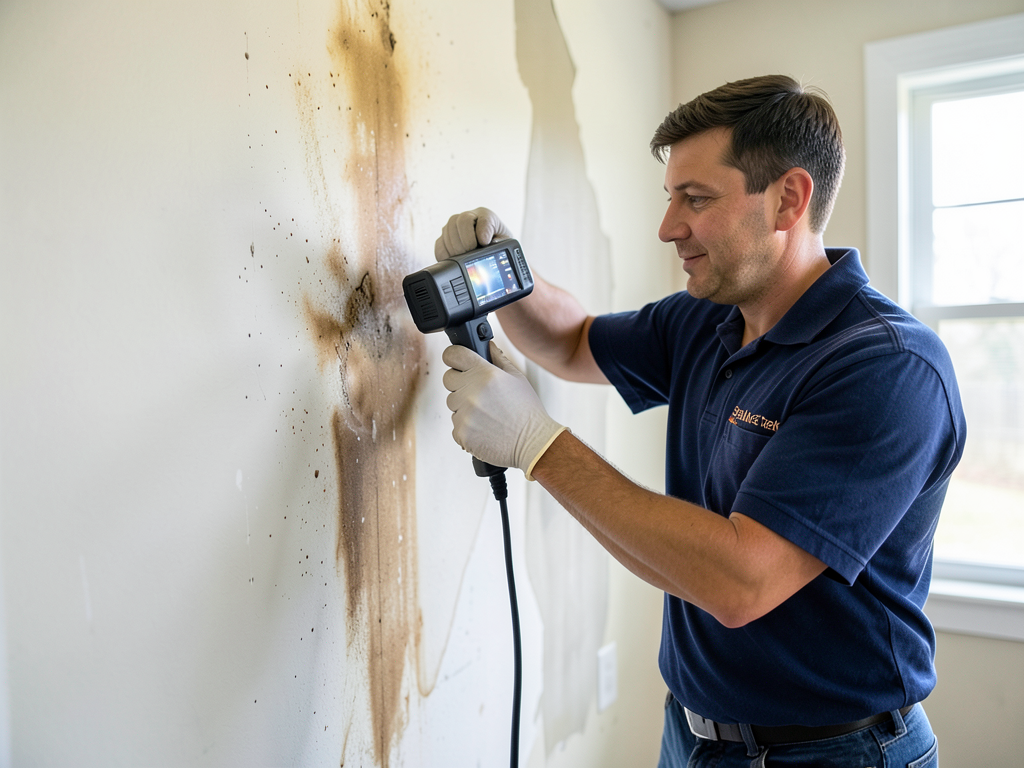
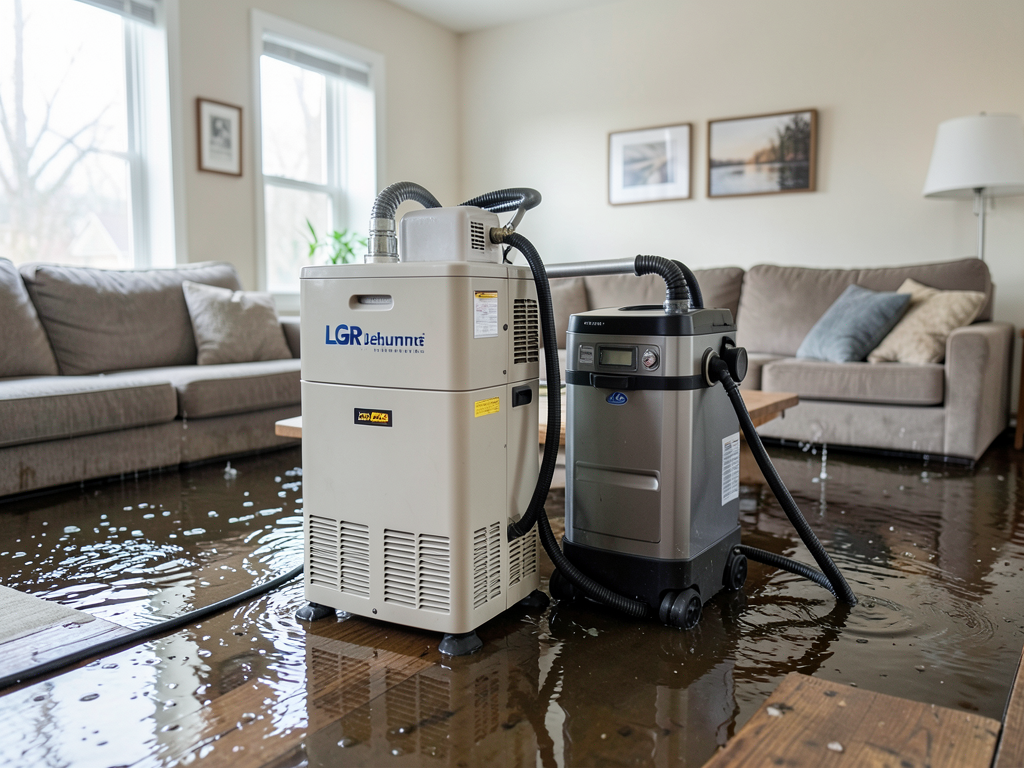
Moisture mapping with thermal imaging cameras and penetrating moisture meters reveals hidden pockets that DIY methods miss. Professional-grade LGR (Low Grain Refrigerant) dehumidifiers maintain relative humidity below 40%, while consumer units struggle to drop it below 60%. The difference determines whether wood framing, drywall, and insulation dry completely or become a breeding ground for mold colonies that require expensive remediation.
The Three Categories of Water: When DIY Becomes Dangerous
Understanding water categories helps Steele Creek homeowners make safe decisions. Clean water from a burst pipe starts as Category 1 but transforms within 48 hours. Gray water from washing machines or dishwashers contains microorganisms and becomes hazardous if not addressed quickly. Black water from sewage backups or flooding carries pathogens and requires full PPE and specialized containment. Rapid Water Extraction and Drying for Properties Near Lake Norman.
Steele Creek’s proximity to Briar Creek and the Catawba River means some homes face black water risks during heavy storms. The soil’s poor drainage causes surface water to pool against foundations, potentially entering through cracks. DIY cleanup of contaminated water spreads bacteria throughout your home and creates health hazards that professionals contain using negative air pressure and HEPA filtration. EPA Mold Guidelines.
Category 2 and 3 water damage requires documenting the extent for insurance claims. Without professional moisture readings and photographs, insurance companies may deny coverage for secondary damage. The documentation process includes moisture content readings in materials, thermal imaging to identify water migration paths, and detailed drying logs that prove proper restoration occurred.. Read more about How Ice Dams and Snow Melt Can Damage Charlotte Roofs During Winter.
The 24-Hour Window: Why Timing is Everything in NC Humidity
Charlotte’s climate creates urgency that many DIYers underestimate. When relative humidity stays above 60%, materials cannot dry effectively. Steele Creek’s summer afternoons often reach 85-90% humidity, meaning a wet carpet stays damp for days instead of hours. Mold spores, which exist naturally in all homes, need only moisture and organic material to begin growing. Steps to Take After a Flood.
Professional restorers use psychrometry—the science of drying—to calculate equipment needs based on cubic footage, material types, and ambient conditions. They position air movers at specific angles to create vortex drying patterns that force moisture out of materials. DIY fans simply circulate humid air, allowing moisture to wick deeper into subfloors and wall cavities.
The smell test often comes too late. By the time you detect that characteristic musty odor, mold colonies have established themselves behind baseboards, under flooring, or inside wall assemblies. Professional inspection with borescopes and moisture meters catches these problems while they’re still surface-level and easily remediated.. Read more about Removing Persistent Musty Odors from Your Home After a Heavy Rain in Grier Heights.
Tools of the Trade: Shop-Vac vs. Industrial Air Movers
Consumer-grade equipment cannot match professional restoration tools. A typical shop vac extracts about 10-15 gallons per hour from surface water, while truck-mounted extraction units remove 100+ gallons per hour from carpet and padding. The difference means hours versus days of drying time—a critical factor in mold prevention.. Read more about Choosing a Restoration Team for Your University City Rental Property or Dorm.
LGR dehumidifiers used by professionals remove 20-30 gallons of water per day from the air, maintaining drying conditions even when outdoor humidity is high. Standard rental dehumidifiers struggle to keep up and may shut off when their collection tanks fill. Professional units drain continuously and include built-in humidistats that adjust operation automatically.
Moisture meters tell the real story. Pin-type meters measure moisture content in wood framing, while non-invasive meters scan through drywall without causing damage. These tools reveal when materials have reached safe drying levels—typically 12-16% moisture content for wood framing. DIY cleanup relies on touch and guesswork, missing the hidden moisture that causes long-term problems. Sump Pump Failure Cleanup and Repair in the Elizabeth Neighborhood.
Cost Analysis: Upfront Savings vs. Long-term Structural Failure
DIY water cleanup might save $1,000-2,000 initially, but secondary damage often costs $5,000-15,000 to remediate. Mold remediation alone averages $2,000-6,000 depending on the extent. When mold grows in wall cavities or under flooring, demolition and reconstruction add thousands more to the final bill.
Insurance claim denials represent another hidden cost. If DIY efforts fail and mold develops, insurance companies may deny the claim, arguing the homeowner didn’t mitigate damage properly. Professional restoration includes detailed documentation that proves appropriate action was taken, protecting your claim rights.
Structural damage compounds over time. Wet subflooring warps, causing floor systems to fail. Wet drywall loses structural integrity and becomes a food source for mold. Wet insulation packs down and loses R-value, increasing energy costs. These problems develop slowly but require complete replacement when discovered.
Safety Checklist: Hidden Dangers You Can’t See
Electrical hazards top the safety concerns. Water conducts electricity, and DIY cleanup often involves working around outlets, switches, and appliances. Professional restorers use GFCI-protected equipment and know when to shut off power completely. They also test for electrical hazards in water-damaged areas before beginning work.
Structural integrity becomes compromised when materials stay wet. Subflooring can collapse under foot traffic. Ceiling drywall saturated with water may fall unexpectedly. Professional assessment includes checking for these hazards before anyone enters the damaged area. They use personal protective equipment including respirators when mold risk exists.
The ‘smell test’ indicates advanced problems. That musty odor means mold colonies are actively growing somewhere in your home. Professional inspection finds the source using thermal imaging to identify temperature differences that indicate moisture, and moisture meters to confirm water presence. They don’t guess—they measure and document.
Decision Matrix: Should You Call a Professional?
| Water Category | Area Affected | Time Since Event | Recommended Action |
|---|---|---|---|
| Category 1 (Clean) | Less than 100 sq ft | Less than 24 hours | DIY possible with proper equipment |
| Category 1 | Over 100 sq ft | Over 24 hours | Call professional immediately |
| Category 2 (Gray) | Any size | Any time | Professional required |
| Category 3 (Black) | Any amount | Immediate | Emergency professional service only |
Steele Creek’s specific conditions make professional assessment wise even for seemingly minor water events. The area’s high water table means groundwater can seep up through foundations. Red clay soil’s poor drainage causes water to pool against homes during heavy rains. These factors create moisture problems that DIY methods cannot address.
Professional restoration includes antimicrobial treatments that prevent mold growth during the drying process. These treatments are safe for occupants but create an environment where mold cannot establish. DIY cleanup lacks this preventive step, leaving your home vulnerable during the critical 48-72 hour window.
Documentation protects your investment. Professional restorers provide detailed reports including moisture readings, drying logs, and before/after photographs. This documentation proves proper restoration occurred and protects you if problems develop later. Without it, you have no recourse if secondary damage appears months after the initial event.
Local Building Considerations in Steele Creek
Steele Creek homes often feature slab-on-grade construction, which presents unique water damage challenges. Water can seep under slabs and create hydrostatic pressure that causes foundation cracks. Professional restoration includes checking for slab moisture and addressing foundation issues that DIY cleanup ignores.
The area’s rapid development has changed drainage patterns. New construction alters how water flows across properties, sometimes directing more water toward older homes. Professional assessment includes evaluating how site drainage affects your specific property and recommending solutions that prevent future water intrusion.
Mecklenburg County building codes require proper vapor barriers in crawlspaces and specific drainage requirements for new construction. Professional restorers understand these requirements and ensure restoration work meets current standards. DIY efforts may violate codes without the homeowner realizing it, creating problems when selling the home.
Insurance Considerations and Documentation
Insurance companies expect prompt mitigation of water damage. Delayed response or inadequate DIY efforts can result in claim denials. Professional restoration companies work directly with insurance adjusters, providing the documentation and expertise needed to process claims efficiently.
Detailed moisture mapping proves the extent of damage and the effectiveness of drying efforts. Insurance adjusters rely on this documentation to determine coverage amounts. Without professional documentation, you’re left arguing about damage extent based on memory and photographs that may not show hidden problems.
Professional restorers understand insurance terminology and requirements. They know what documentation insurance companies need and provide it proactively. This expertise speeds claim processing and reduces the likelihood of disputes over coverage or repair scope.
Call (980) 342-9955 Before It’s Too Late
Water damage doesn’t wait, and neither should you. Every hour that passes increases the risk of mold growth and structural damage. Professional water restoration teams in Steele Creek respond 24/7 with the equipment and expertise to stop damage before it spreads.
Don’t let DIY efforts turn a manageable problem into a costly disaster. The initial savings aren’t worth the risk of mold contamination, structural damage, or insurance claim denials. Professional assessment costs nothing but could save you thousands in secondary damage.
Pick up the phone and call (980) 342-9955 before the next storm hits or that slow leak becomes a major problem. Our teams understand Steele Creek’s unique challenges and provide the rapid response needed to protect your home and health. Storm Flooding Emergency Service.
Frequently Asked Questions
How long does it take for mold to grow after water damage?
Mold can begin growing within 24-48 hours after water exposure. The combination of moisture, organic material, and the right temperature creates ideal conditions for mold spores to colonize. This is why rapid water removal is critical in preventing mold problems.
Can I use my household fans to dry water damage?
Household fans circulate air but don’t remove moisture effectively. They may actually spread mold spores throughout your home. Professional air movers create focused airflow patterns that force moisture out of materials, while LGR dehumidifiers remove the moisture from the air.
Will my homeowners insurance cover water damage cleanup?
Most policies cover sudden and accidental water damage from sources like burst pipes or appliance failures. Coverage typically excludes gradual damage or flooding from external sources. Professional restoration companies can help document damage and work with your insurance company throughout the claims process.
What’s the difference between water mitigation and water restoration?
Water mitigation involves stopping the water source and preventing further damage through extraction and drying. Water restoration includes repairs to return the property to pre-loss condition. Professional companies handle both phases to ensure complete recovery from water damage.
How do I know if water got behind my walls?
Moisture meters and thermal imaging cameras detect water behind walls without causing damage. Signs include bubbling paint, soft drywall, or a musty odor. Professional inspection can confirm water presence and determine the extent of damage before it causes structural problems.
{
“@context”: “https://schema.org”,
“@type”: “BlogPosting”,
“headline”: “Why DIY Water Cleanup Often Leads to Mold Problems in Steele Creek Homes”,
“description”: “Learn why DIY water cleanup in Steele Creek often causes mold growth. Discover the hidden dangers, IICRC standards, and why professional restoration prevents costly damage.”,
“wordCount”: 1892,
“datePublished”: “2026-03-07T10:17:00.000Z”,
“dateModified”: “2026-03-07T10:17:00.000Z”,
“inLanguage”: “en-US”,
“mainEntityOfPage”: {
“@type”: “WebPage”,
“@id”: “https://cornerstonewaterdamagerestorationcharlotte.com”
},
“publisher”: {
“@type”: “LocalBusiness”,
“name”: “Cornerstone Water Damage Restoration Charlotte”,
“url”: “https://cornerstonewaterdamagerestorationcharlotte.com”
},
“author”: {
“@type”: “Organization”,
“name”: “Cornerstone Water Damage Restoration Charlotte”,
“url”: “https://cornerstonewaterdamagerestorationcharlotte.com”
},
“image”: {
“@type”: “ImageObject”,
“url”: “https://cornerstonewaterdamagerestorationcharlotte.com/wp-content/uploads/2026/03/why-diy-water-cleanup-often-leads-to-mold-problems-1.png”
}
}
{
“@context”: “https://schema.org”,
“@type”: “LocalBusiness”,
“name”: “Cornerstone Water Damage Restoration Charlotte”,
“url”: “https://cornerstonewaterdamagerestorationcharlotte.com”,
“address”: {
“@type”: “PostalAddress”,
“addressLocality”: “Charlotte”
},
“areaServed”: {
“@type”: “City”,
“name”: “Charlotte”
}
}
{
“@context”: “https://schema.org”,
“@type”: “FAQPage”,
“mainEntity”: [
{
“@type”: “Question”,
“name”: “How long does it take for mold to grow after water damage?”,
“acceptedAnswer”: {
“@type”: “Answer”,
“text”: “Mold can begin growing within 24-48 hours after water exposure. The combination of moisture, organic material, and the right temperature creates ideal conditions for mold spores to colonize. This is why rapid water removal is critical in preventing mold problems.”
}
},
{
“@type”: “Question”,
“name”: “Can I use my household fans to dry water damage?”,
“acceptedAnswer”: {
“@type”: “Answer”,
“text”: “Household fans circulate air but don’t remove moisture effectively. They may actually spread mold spores throughout your home. Professional air movers create focused airflow patterns that force moisture out of materials, while LGR dehumidifiers remove the moisture from the air.”
}
},
{
“@type”: “Question”,
“name”: “Will my homeowners insurance cover water damage cleanup?”,
“acceptedAnswer”: {
“@type”: “Answer”,
“text”: “Most policies cover sudden and accidental water damage from sources like burst pipes or appliance failures. Coverage typically excludes gradual damage or flooding from external sources. Professional restoration companies can help document damage and work with your insurance company throughout the claims process.”
}
},
{
“@type”: “Question”,
“name”: “What’s the difference between water mitigation and water restoration?”,
“acceptedAnswer”: {
“@type”: “Answer”,
“text”: “Water mitigation involves stopping the water source and preventing further damage through extraction and drying. Water restoration includes repairs to return the property to pre-loss condition. Professional companies handle both phases to ensure complete recovery from water damage.”
}
},
{
“@type”: “Question”,
“name”: “How do I know if water got behind my walls?”,
“acceptedAnswer”: {
“@type”: “Answer”,
“text”: “Moisture meters and thermal imaging cameras detect water behind walls without causing damage. Signs include bubbling paint, soft drywall, or a musty odor. Professional inspection can confirm water presence and determine the extent of damage before it causes structural problems.”
}
}
]
}
{
“@context”: “https://schema.org”,
“@type”: “BreadcrumbList”,
“itemListElement”: [
{
“@type”: “ListItem”,
“position”: 1,
“name”: “Home”,
“item”: “https://cornerstonewaterdamagerestorationcharlotte.com”
},
{
“@type”: “ListItem”,
“position”: 2,
“name”: “Blog”,
“item”: “https://cornerstonewaterdamagerestorationcharlotte.com/blog”
},
{
“@type”: “ListItem”,
“position”: 3,
“name”: “Why DIY Water Cleanup Often Leads to Mold Problems in Steele Creek Homes”
}
]
}
{
“@context”: “https://schema.org”,
“@type”: “Service”,
“serviceType”: “Water Damage Restoration”,
“provider”: {
“@type”: “LocalBusiness”,
“name”: “Cornerstone Water Damage Restoration Charlotte”,
“url”: “https://cornerstonewaterdamagerestorationcharlotte.com”
},
“areaServed”: {
“@type”: “City”,
“name”: “Charlotte”
},
“description”: “Learn why DIY water cleanup in Steele Creek often causes mold growth. Discover the hidden dangers, IICRC standards, and why professional restoration prevents costly damage.”
}