
Choosing Between a Sump Pump and a French Drain for Your Montclaire Backyard
Wet spots in your Montclaire yard after every rain tell you something’s wrong with your drainage. Standing water near your foundation threatens your basement while soggy grass kills your lawn. The choice between a sump pump and a French drain depends on where the water collects and how your property handles Charlotte’s heavy rainfall and red clay soil. Specialized Water Damage Restoration for Historic Homes in Dilworth.
French drains move surface water away through gravity using perforated pipes buried in gravel trenches. Sump pumps collect water from a pit and mechanically lift it to a discharge point. Montclaire homes need different solutions than Ballantyne or Myers Park properties because of our unique soil composition and drainage patterns. What to Do Immediately if Your Ballantyne Basement Floods Tonight.
Understanding the Basics: What is a French Drain?
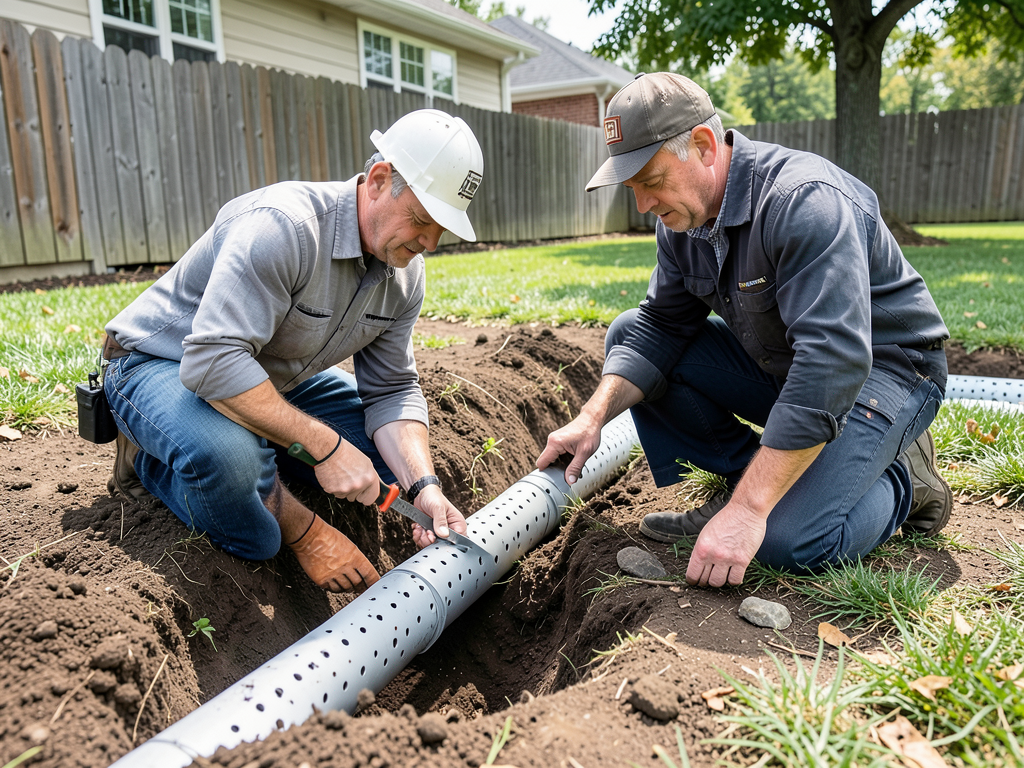
A French drain consists of a perforated pipe surrounded by gravel and wrapped in geotextile fabric. Water seeps through the fabric into the pipe and flows downhill by gravity. The system works best when you have a natural slope away from your house. Rapid Water Extraction and Drying for Properties Near Lake Norman.
Installation depth typically ranges from 18 to 24 inches for yard drains. The trench must slope at least 1% grade – that’s one foot drop per 100 feet of run. Charlotte’s red clay requires wider trenches and more gravel backfill than sandy soils because clay particles clog pipes faster.
French drains handle surface runoff from roof downspouts, driveway runoff, and yard flooding. They work silently without electricity and need minimal maintenance once installed correctly. However, they fail when the outlet clogs or when the slope isn’t sufficient for gravity flow. Storm Flooding Emergency Service.
How Sump Pumps Solve Interior and Exterior Water Issues
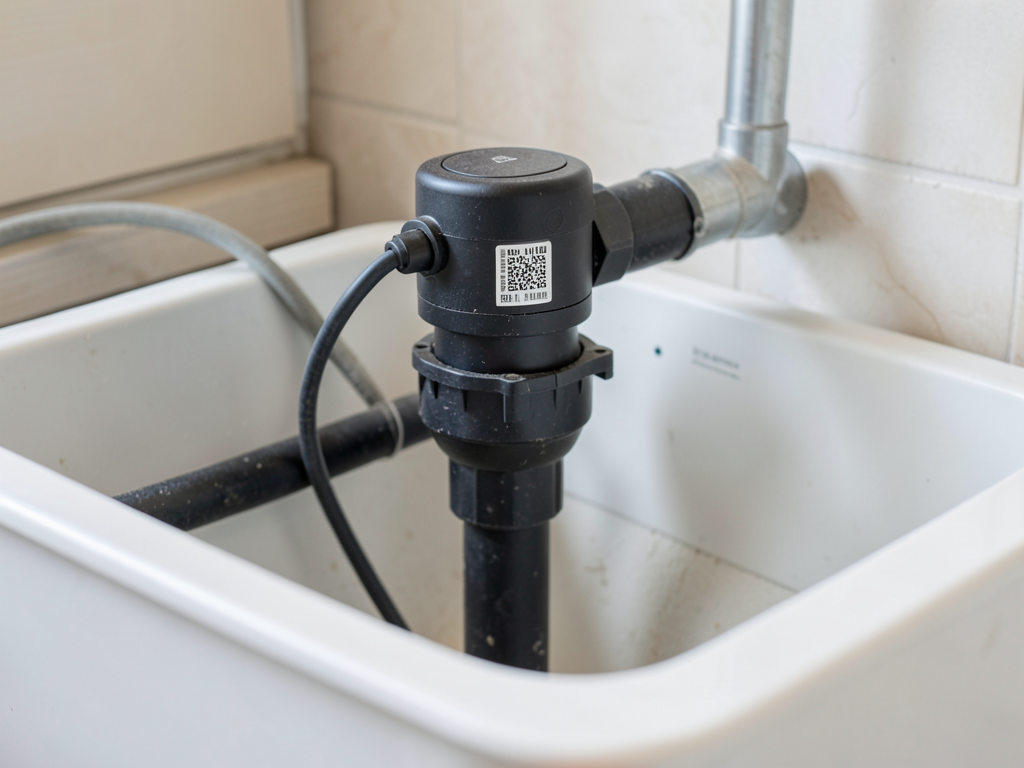
Sump pumps collect water in a basin and use an electric motor to push it through a discharge pipe. The system activates when water reaches a float switch level. Submersible pumps sit inside the basin while pedestal pumps mount above water level.. Read more about Red Flags to Look for When Buying a Home with Water History in Barclay Downs.
Residential sump pumps typically handle 2,000 to 4,000 gallons per hour. Charlotte’s summer thunderstorms can drop several inches of rain in hours, testing pump capacity. A 1/3 horsepower pump moves about 2,400 gallons per hour while a 1/2 horsepower unit handles 3,600 gallons per hour.
Sump pumps work where French drains cannot – in flat yards without slope, in areas with high water tables, and for basement waterproofing. They require electricity and backup power for storm reliability. The discharge pipe must extend far enough from your foundation to prevent water recycling back into your basement.. Read more about Managing Water Intrusion and Repairs for Detached Guest Houses in Chantilly.
Key Differences: Installation, Cost, and Maintenance
French drain installation involves trenching across your yard, which disrupts landscaping and requires heavy equipment. Labor costs range from $25 to $40 per linear foot in Charlotte. A 100-foot drain might cost $2,500 to $4,000 including materials and excavation.
Sump pump installation costs vary based on basin depth and electrical requirements. A basic system runs $800 to $1,500. Adding battery backup increases cost to $1,500 to $2,500. Exterior sump pump installations for yard drainage can reach $2,000 to $4,000.
French drains need annual cleaning to remove sediment and root intrusion. Sump pumps require testing every three months and battery replacement every 3-5 years. Submersible pumps last 7-10 years while pedestal pumps often reach 15-20 years.
The Charlotte Factor: Dealing with Red Clay Soil and Heavy Rain
Charlotte’s red clay soil creates unique drainage challenges. Clay particles are microscopic and pack tightly, creating poor permeability. Water moves through clay at rates of 0.01 to 0.06 inches per hour compared to 0.5 to 2.0 inches per hour in sandy soils.. Read more about Water Damage Restoration Strategies for New Backyard Cottages and ADUs in NoDa.
This slow percolation means surface water pools quickly during Charlotte’s intense thunderstorms. A half-inch rain in 30 minutes can overwhelm clay soil absorption capacity. French drains in clay need wider trenches – often 24 inches instead of 18 inches – and more gravel to prevent siltation.
Charlotte’s annual rainfall averages 43 inches, concentrated in summer months. The Piedmont region’s clay extends deep underground, creating perched water tables that rise during wet seasons. Properties near Briar Creek or Little Sugar Creek face additional challenges from the area’s flood management regulations.
According to Charlotte-Mecklenburg Storm Water Services, yard drainage must discharge to approved locations – not directly into storm sewers or neighboring properties. French drain outlets often connect to pop-up emitters that release water when the pipe fills. Charlotte-Mecklenburg Storm Water Services.
Comparison Table: Sump Pump vs. French Drain at a Glance
| Feature | French Drain | Sump Pump |
|---|---|---|
| Power Required | None (gravity) | Electricity required |
| Installation Depth | 18-24 inches | Basin depth varies |
| Typical Cost Range | $2,500-$4,000 | $800-$2,500 |
| Lifespan | 15-20 years | 7-15 years |
| Maintenance Frequency | Annual cleaning | Quarterly testing |
| Best For | Surface runoff | Basement water table |
| Clay Soil Performance | Requires wider trench | Excellent performance |
When to Combine Both Systems for Maximum Protection
Many Montclaire properties benefit from combining systems. A French drain collects surface water from your yard while a sump pump handles groundwater and basement seepage. This hybrid approach provides comprehensive protection against Charlotte’s varied water threats. EPA National Pollutant Discharge Elimination System.
Flat properties particularly need this combination. French drains cannot move water without slope, but a sump pump can lift collected water to a higher discharge point. The French drain acts as the collection system while the sump pump provides the elevation change.
Properties with finished basements often use interior French drains along foundation walls connected to sump pumps. This system collects water that seeps through basement walls and floors, preventing mold growth and structural damage. The discharge line runs outside to a safe drainage area.
During hurricane season, backup power becomes critical. Charlotte’s summer storms frequently cause power outages when you need drainage most. Battery backup systems keep sump pumps running for 8-24 hours depending on capacity and pump size.
Professional Help: Why Local Restoration Experts Matter
Water damage restoration requires understanding local conditions that national chains miss. Charlotte’s red clay behaves differently than soils in other regions. Our summer thunderstorm patterns create unique drainage challenges that generic solutions cannot address.
Professional assessment starts with soil testing to determine percolation rates. We measure your property’s slope using laser levels and calculate water flow volumes based on roof size and local rainfall data. This analysis determines whether gravity drainage works or if mechanical pumping becomes necessary.
Local building codes affect installation requirements. Charlotte-Mecklenburg regulations govern where you can discharge water and how deep you can excavate near utilities. Professional installers know these requirements and pull necessary permits.
Foundation type influences system selection. Slab foundations need different approaches than crawl spaces or basements. Older Montclaire homes built before modern drainage standards often have hidden water issues that require specialized solutions.
Call (980) 342-9955 today to schedule your inspection. Our team evaluates your specific drainage problems and recommends solutions that work with Charlotte’s unique conditions. Don’t wait for the next storm to discover your yard can’t handle the water.
Frequently Asked Questions
How long does French drain installation take?
Most residential French drain installations in Charlotte take 2-3 days depending on trench length and weather conditions. Clay soil excavation takes longer than sandy soil because of its density and moisture content.
Can I install a sump pump myself?
DIY sump pump installation risks electrical code violations and improper discharge routing. Charlotte building codes require licensed electricians for pump wiring and specific discharge locations to prevent flooding neighboring properties.
What size sump pump do I need for my basement?
Pump size depends on your basement square footage and local rainfall intensity. A 1,500 square foot basement typically needs a 1/3 horsepower pump, but Charlotte’s heavy storms may require 1/2 horsepower for adequate protection.
How often should I clean my French drain?
French drains in Charlotte’s clay soil need cleaning every 12-18 months. Signs of clogging include standing water near the drain outlet, soggy yard spots, and water backing up during rain.
Does homeowners insurance cover drainage system failures?
Standard policies rarely cover drainage system failures or water backup from overwhelmed systems. You need specific water backup coverage riders for protection against sump pump failures and drain backups. Sump Pump Failure Cleanup and Repair in the Elizabeth Neighborhood.
You may also find this helpful. Choosing the Right Waterproofing System to Prevent Future Flooding in Your Brookhill Basement.
{
“@context”: “https://schema.org”,
“@type”: “BlogPosting”,
“headline”: “Choosing Between a Sump Pump and a French Drain for Your Montclaire Backyard”,
“description”: “Compare sump pumps and French drains for Charlotte yard drainage. Learn which system works best for Montclaire’s red clay soil and heavy rainfall. Call (980) 342-9955.”,
“wordCount”: 1374,
“datePublished”: “2026-04-27T08:55:00.000Z”,
“dateModified”: “2026-04-27T08:55:00.000Z”,
“inLanguage”: “en-US”,
“mainEntityOfPage”: {
“@type”: “WebPage”,
“@id”: “https://cornerstonewaterdamagerestorationcharlotte.com”
},
“publisher”: {
“@type”: “LocalBusiness”,
“name”: “Cornerstone Water Damage Restoration Charlotte”,
“url”: “https://cornerstonewaterdamagerestorationcharlotte.com”
},
“author”: {
“@type”: “Organization”,
“name”: “Cornerstone Water Damage Restoration Charlotte”,
“url”: “https://cornerstonewaterdamagerestorationcharlotte.com”
},
“image”: {
“@type”: “ImageObject”,
“url”: “https://cornerstonewaterdamagerestorationcharlotte.com/wp-content/uploads/2026/03/choosing-between-a-sump-pump-and-a-french-drain-fo-1.png”
}
}
{
“@context”: “https://schema.org”,
“@type”: “LocalBusiness”,
“name”: “Cornerstone Water Damage Restoration Charlotte”,
“url”: “https://cornerstonewaterdamagerestorationcharlotte.com”,
“address”: {
“@type”: “PostalAddress”,
“addressLocality”: “Charlotte”
},
“areaServed”: {
“@type”: “City”,
“name”: “Charlotte”
}
}
{
“@context”: “https://schema.org”,
“@type”: “FAQPage”,
“mainEntity”: [
{
“@type”: “Question”,
“name”: “Understanding the Basics: What is a French Drain?”,
“acceptedAnswer”: {
“@type”: “Answer”,
“text”: “A French drain consists of a perforated pipe surrounded by gravel and wrapped in geotextile fabric. Water seeps through the fabric into the pipe and flows downhill by gravity. The system works best when you have a natural slope away from your house. Rapid Water Extraction and Drying for Properties Near Lake Norman.”
}
},
{
“@type”: “Question”,
“name”: “How long does French drain installation take?”,
“acceptedAnswer”: {
“@type”: “Answer”,
“text”: “Most residential French drain installations in Charlotte take 2-3 days depending on trench length and weather conditions. Clay soil excavation takes longer than sandy soil because of its density and moisture content.”
}
},
{
“@type”: “Question”,
“name”: “Can I install a sump pump myself?”,
“acceptedAnswer”: {
“@type”: “Answer”,
“text”: “DIY sump pump installation risks electrical code violations and improper discharge routing. Charlotte building codes require licensed electricians for pump wiring and specific discharge locations to prevent flooding neighboring properties.”
}
},
{
“@type”: “Question”,
“name”: “What size sump pump do I need for my basement?”,
“acceptedAnswer”: {
“@type”: “Answer”,
“text”: “Pump size depends on your basement square footage and local rainfall intensity. A 1,500 square foot basement typically needs a 1/3 horsepower pump, but Charlotte’s heavy storms may require 1/2 horsepower for adequate protection.”
}
},
{
“@type”: “Question”,
“name”: “How often should I clean my French drain?”,
“acceptedAnswer”: {
“@type”: “Answer”,
“text”: “French drains in Charlotte’s clay soil need cleaning every 12-18 months. Signs of clogging include standing water near the drain outlet, soggy yard spots, and water backing up during rain.”
}
},
{
“@type”: “Question”,
“name”: “Does homeowners insurance cover drainage system failures?”,
“acceptedAnswer”: {
“@type”: “Answer”,
“text”: “Standard policies rarely cover drainage system failures or water backup from overwhelmed systems. You need specific water backup coverage riders for protection against sump pump failures and drain backups. Sump Pump Failure Cleanup and Repair in the Elizabeth Neighborhood.”
}
}
]
}
{
“@context”: “https://schema.org”,
“@type”: “BreadcrumbList”,
“itemListElement”: [
{
“@type”: “ListItem”,
“position”: 1,
“name”: “Home”,
“item”: “https://cornerstonewaterdamagerestorationcharlotte.com”
},
{
“@type”: “ListItem”,
“position”: 2,
“name”: “Blog”,
“item”: “https://cornerstonewaterdamagerestorationcharlotte.com/blog”
},
{
“@type”: “ListItem”,
“position”: 3,
“name”: “Choosing Between a Sump Pump and a French Drain for Your Montclaire Backyard”
}
]
}
{
“@context”: “https://schema.org”,
“@type”: “Service”,
“serviceType”: “Water Damage Restoration”,
“provider”: {
“@type”: “LocalBusiness”,
“name”: “Cornerstone Water Damage Restoration Charlotte”,
“url”: “https://cornerstonewaterdamagerestorationcharlotte.com”
},
“areaServed”: {
“@type”: “City”,
“name”: “Charlotte”
},
“description”: “Compare sump pumps and French drains for Charlotte yard drainage. Learn which system works best for Montclaire’s red clay soil and heavy rainfall. Call (980) 342-9955.”
}