Testing Your Well Water for Contamination After Heavy Flooding in Mineral Springs
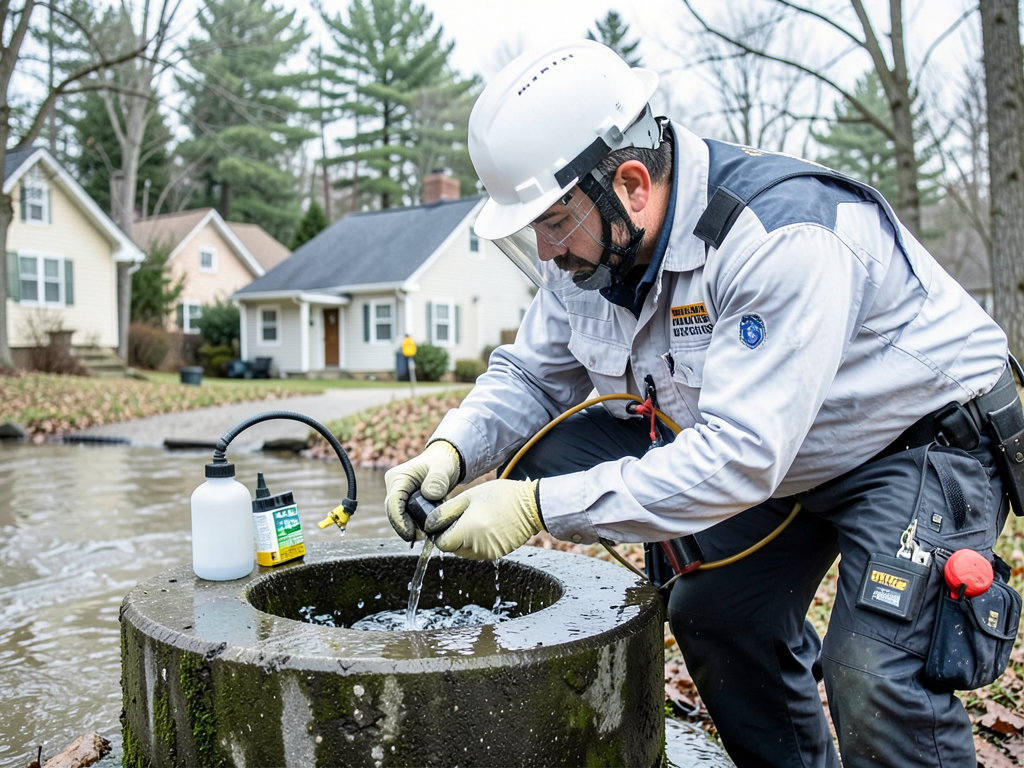
Floodwaters can carry dangerous bacteria, chemicals, and debris into your well system within minutes. If your property in Mineral Springs experienced flooding from recent storms, do not use your well water for drinking, cooking, or bathing until you test it. The North Carolina Department of Health and Human Services recommends immediate boiling and professional inspection for any well exposed to flood conditions. EPA National Primary Drinking Water Regulations.
Why Charlotte Floods Impact Private Well Systems
Mineral Springs sits in the rolling Piedmont region where heavy clay soils and high water tables create unique vulnerabilities. When floodwaters rise, they can breach well casings through cracks, faulty seals, or submerged electrical components. The area’s proximity to tributaries of the Catawba River means runoff often carries agricultural chemicals, septic overflow, and industrial byproducts directly into groundwater systems. Specialized Water Damage Restoration for Historic Homes in Dilworth.
Local geology compounds the risk. The dense red clay common in Mecklenburg County absorbs water slowly, causing surface flooding to persist longer than in sandy regions. This extended saturation increases the likelihood of contaminants seeping through well head seals or flooding the surrounding soil where your well casing extends underground. Rapid Water Extraction and Drying for Properties Near Lake Norman.
Immediate Signs Your Well is Contaminated
Before testing, watch for these warning signs that indicate your well water may be unsafe:
- Cloudy or turbid water – Fine sediment or suspended particles that won’t settle
- Unusual odors – Musty, chemical, or sewage-like smells
- Changes in taste – Metallic, salty, or bitter flavors
- Visible debris – Floating particles, silt, or organic matter
- Discoloration – Brown, yellow, or gray tints in the water
Even if your water looks clear, harmful bacteria like E. coli or chemical contaminants may be present. Floodwaters can introduce pathogens that cause serious illness within hours of exposure.
Step-by-Step Restoration: What to Do After the Flood Recedes
Follow these critical steps to restore your well water safety: Steps to Take After a Flood.
- Stop Using the Water
Immediately switch to bottled water for all consumption and hygiene needs. Do not attempt to treat contaminated water with household filters or boiling alone. What to Do Immediately if Your Ballantyne Basement Floods Tonight.
- Inspect the Well Head
Check for visible damage, debris accumulation, or water pooling around the casing. Look for cracks in the concrete pad or displaced well caps.
- Check Electrical Safety
Floodwater can damage submersible pump wiring. If you see water around electrical components, do not attempt to restore power yourself.
- Document the Damage
Take photos of the well head, surrounding area, and any visible contamination. This documentation helps with insurance claims.
- Contact a Professional
Call (980) 342-9955 for emergency well inspection. Professional technicians use specialized testing equipment to detect contaminants that home test kits miss.
Where to Get Your Water Tested in Mecklenburg County
Several certified laboratories in the Charlotte area provide comprehensive well water testing. The Mecklenburg County Land Use and Environmental Services Agency (LUESA) offers basic testing services, but for post-flood contamination, you need specialized analysis that detects bacteria, nitrates, and chemical pollutants.
| Testing Service | Contaminants Tested | Turnaround Time |
|---|---|---|
| Mecklenburg County LUESA | Basic bacteria, pH, hardness | 3-5 business days |
| Private Certified Labs | Bacteria, nitrates, pesticides, heavy metals | 24-48 hours |
| Emergency Response Teams | Comprehensive analysis including E. coli | Same day |
For the most accurate results after flooding, choose a lab that tests for Total Coliform bacteria and E. coli specifically. These pathogens indicate sewage contamination and pose immediate health risks. Storm Flooding Emergency Service.
Professional Water Damage Restoration vs. DIY Remediation
Category 3 water from floodwaters requires professional handling according to IICRC S500 standards. This black water contains harmful microorganisms and requires specialized equipment and chemical treatments that homeowners cannot safely apply.
DIY shock chlorination might seem cost-effective, but it poses serious risks:
- Incorrect chemical concentrations can damage well components
- Improper procedures may push contaminants deeper into the aquifer
- Without proper testing, you cannot verify the treatment worked
- Electrical hazards in flooded pump systems require professional expertise
Professional restoration includes comprehensive steps that DIY cannot match:
- Complete System Assessment
Technicians inspect casing integrity, pump functionality, and electrical safety using thermal imaging and moisture meters.
- Professional Cleaning
Specialized equipment removes sediment and debris from the well bore and surrounding soil.
- EPA-Approved Disinfection
Industrial-grade shock chlorination with precise chemical dosing and contact time monitoring.
- Post-Treatment Testing
Multiple water samples tested at different depths ensure complete contamination removal.
- System Restoration
Electrical components are dried, tested, and certified safe before restoring water service.
The EPA National Primary Drinking Water Regulations require specific testing protocols after any contamination event. Professional services ensure compliance with these standards and provide documentation for insurance purposes.
Emergency Water Storage and Safety Measures
While waiting for professional restoration, maintain these safety protocols:
- Store at least one gallon of bottled water per person per day
- Keep water in clean, food-grade containers away from direct sunlight
- Label containers with dates and rotate stock every six months
- Never use containers that previously held chemicals or non-food products
For extended outages, consider portable water filtration systems rated for bacteria and chemical removal. However, these should only supplement, not replace, professional testing and treatment.
Insurance Coverage and Claims Process
Standard homeowners insurance typically excludes flood damage, but separate flood insurance policies through the National Flood Insurance Program may cover well contamination. Document everything with photos and professional inspection reports to support your claim.
Most policies require proof that you took reasonable steps to prevent further damage. This includes:
- Immediate cessation of well water use
- Professional inspection within 24-48 hours
- Documentation of all communications and repairs
Call (980) 342-9955 today to schedule your inspection. Our technicians provide detailed reports that insurance companies require for contamination claims.
Preventing Future Well Contamination
After restoration, implement these protective measures:
- Install backflow prevention devices on all well connections
- Elevate well heads at least 12 inches above potential flood levels
- Seal cracks in concrete pads and replace damaged well caps
- Maintain proper grading to direct water away from the well
Consider annual professional inspections even in non-flood years. Small issues like hairline casing cracks or deteriorating seals can become major contamination sources during the next heavy rain.
Mineral Springs residents face unique challenges due to the area’s clay soils and proximity to flood-prone tributaries. Professional well maintenance isn’t just about water quality—it’s about protecting your family’s health and your property value.
Don’t wait for the next storm. Pick up the phone and call (980) 342-9955 before the next flood hits. Our 24/7 emergency response team serves Mineral Springs and all of Mecklenburg County with rapid, professional well water restoration services.
Frequently Asked Questions
How long should I wait before using my well water after flooding?
Wait until a certified professional tests your water and confirms it’s safe. This typically takes 24-72 hours after flood waters recede, depending on the extent of contamination.
Can I just boil my well water to make it safe after a flood?
Boiling kills bacteria but does not remove chemical contaminants, heavy metals, or sediment that floods introduce. Professional testing and treatment are essential for complete safety.
What does professional well disinfection cost in Charlotte?
Costs vary based on well depth, contamination extent, and required repairs. Most homeowners spend between $800-$2,500 for complete post-flood restoration including testing and disinfection.
How do I know if my well was affected by the recent storms?
If floodwaters reached your property or if you notice any changes in water quality, taste, or pressure, your well likely needs inspection. Professional testing provides definitive answers. For more information, visit North Carolina Department of Health and Human Services.
You may also find this helpful. When to Throw Away Food and Pantry Supplies After a Flood in Shuffletown.
{
“@context”: “https://schema.org”,
“@type”: “BlogPosting”,
“headline”: “Testing Your Well Water for Contamination After Heavy Flooding in Mineral Springs”,
“description”: “After flooding in Mineral Springs, your well water may be contaminated. Learn immediate safety steps, testing procedures, and when to call a professional for cleanup.”,
“wordCount”: 1279,
“datePublished”: “2026-06-01T15:58:00.000Z”,
“dateModified”: “2026-06-01T15:58:00.000Z”,
“inLanguage”: “en-US”,
“mainEntityOfPage”: {
“@type”: “WebPage”,
“@id”: “https://cornerstonewaterdamagerestorationcharlotte.com”
},
“publisher”: {
“@type”: “LocalBusiness”,
“name”: “Cornerstone Water Damage Restoration Charlotte”,
“url”: “https://cornerstonewaterdamagerestorationcharlotte.com”
},
“author”: {
“@type”: “Organization”,
“name”: “Cornerstone Water Damage Restoration Charlotte”,
“url”: “https://cornerstonewaterdamagerestorationcharlotte.com”
},
“image”: {
“@type”: “ImageObject”,
“url”: “https://cornerstonewaterdamagerestorationcharlotte.com/wp-content/uploads/2026/03/testing-your-well-water-for-contamination-after-he-1.png”
}
}
{
“@context”: “https://schema.org”,
“@type”: “LocalBusiness”,
“name”: “Cornerstone Water Damage Restoration Charlotte”,
“url”: “https://cornerstonewaterdamagerestorationcharlotte.com”,
“address”: {
“@type”: “PostalAddress”,
“addressLocality”: “Charlotte”
},
“areaServed”: {
“@type”: “City”,
“name”: “Charlotte”
}
}
{
“@context”: “https://schema.org”,
“@type”: “FAQPage”,
“mainEntity”: [
{
“@type”: “Question”,
“name”: “How long should I wait before using my well water after flooding?”,
“acceptedAnswer”: {
“@type”: “Answer”,
“text”: “Wait until a certified professional tests your water and confirms it’s safe. This typically takes 24-72 hours after flood waters recede, depending on the extent of contamination.”
}
},
{
“@type”: “Question”,
“name”: “Can I just boil my well water to make it safe after a flood?”,
“acceptedAnswer”: {
“@type”: “Answer”,
“text”: “Boiling kills bacteria but does not remove chemical contaminants, heavy metals, or sediment that floods introduce. Professional testing and treatment are essential for complete safety.”
}
},
{
“@type”: “Question”,
“name”: “What does professional well disinfection cost in Charlotte?”,
“acceptedAnswer”: {
“@type”: “Answer”,
“text”: “Costs vary based on well depth, contamination extent, and required repairs. Most homeowners spend between $800-$2,500 for complete post-flood restoration including testing and disinfection.”
}
},
{
“@type”: “Question”,
“name”: “How do I know if my well was affected by the recent storms?”,
“acceptedAnswer”: {
“@type”: “Answer”,
“text”: “If floodwaters reached your property or if you notice any changes in water quality, taste, or pressure, your well likely needs inspection. Professional testing provides definitive answers. For more information, visit North Carolina Department of Health and Human Services.”
}
}
]
}
{
“@context”: “https://schema.org”,
“@type”: “HowTo”,
“name”: “Well Water Restoration After Flooding”,
“step”: [
{
“@type”: “HowToStep”,
“position”: 1,
“name”: “Stop Using the Water”,
“text”: “Immediately switch to bottled water for all consumption and hygiene needs. Do not attempt to treat contaminated water with household filters or boiling alone. What to Do Immediately if Your Ballantyne Basement Floods Tonight.”
},
{
“@type”: “HowToStep”,
“position”: 2,
“name”: “Inspect the Well Head”,
“text”: “Check for visible damage, debris accumulation, or water pooling around the casing. Look for cracks in the concrete pad or displaced well caps.”
},
{
“@type”: “HowToStep”,
“position”: 3,
“name”: “Check Electrical Safety”,
“text”: “Floodwater can damage submersible pump wiring. If you see water around electrical components, do not attempt to restore power yourself.”
},
{
“@type”: “HowToStep”,
“position”: 4,
“name”: “Document the Damage”,
“text”: “Take photos of the well head, surrounding area, and any visible contamination. This documentation helps with insurance claims.”
},
{
“@type”: “HowToStep”,
“position”: 5,
“name”: “Contact a Professional”,
“text”: “Call (980) 342-9955 for emergency well inspection. Professional technicians use specialized testing equipment to detect contaminants that home test kits miss.”
}
],
“image”: “https://cornerstonewaterdamagerestorationcharlotte.com/wp-content/uploads/2026/03/testing-your-well-water-for-contamination-after-he-1.png”
}
{
“@context”: “https://schema.org”,
“@type”: “BreadcrumbList”,
“itemListElement”: [
{
“@type”: “ListItem”,
“position”: 1,
“name”: “Home”,
“item”: “https://cornerstonewaterdamagerestorationcharlotte.com”
},
{
“@type”: “ListItem”,
“position”: 2,
“name”: “Blog”,
“item”: “https://cornerstonewaterdamagerestorationcharlotte.com/blog”
},
{
“@type”: “ListItem”,
“position”: 3,
“name”: “Testing Your Well Water for Contamination After Heavy Flooding in Mineral Springs”
}
]
}
{
“@context”: “https://schema.org”,
“@type”: “Service”,
“serviceType”: “Water Damage Restoration”,
“provider”: {
“@type”: “LocalBusiness”,
“name”: “Cornerstone Water Damage Restoration Charlotte”,
“url”: “https://cornerstonewaterdamagerestorationcharlotte.com”
},
“areaServed”: {
“@type”: “City”,
“name”: “Charlotte”
},
“description”: “After flooding in Mineral Springs, your well water may be contaminated. Learn immediate safety steps, testing procedures, and when to call a professional for cleanup.”
}