Understanding Water Damage Liability in Your Third Ward Rental
Water damage in a rental apartment creates immediate stress and confusion about who pays for repairs. In Charlotte’s Third Ward, a historic district with aging infrastructure and modern high-rises, the answer depends on the source of the damage and your lease agreement. North Carolina law establishes clear guidelines through the North Carolina General Statutes Chapter 42, but real-world scenarios often fall into gray areas that require quick action to prevent mold growth and structural damage. North Carolina General Statutes Chapter 42.
The Implied Warranty of Habitability (NCGS § 42-42)
North Carolina law requires landlords to maintain rental properties in a fit and habitable condition. This includes ensuring all plumbing systems function properly, roofs don’t leak, and the structure remains weatherproof. The warranty covers water supply systems, waste disposal, and protection against the elements. When a pipe bursts due to age or a roof leak develops from normal wear and tear, the landlord bears responsibility for repairs. EPA mold prevention guidelines.
The warranty doesn’t cover damage from tenant negligence or misuse. If you intentionally damage plumbing or fail to report a leak promptly, you could be liable for resulting water damage. The key distinction lies in whether the landlord had a reasonable opportunity to fix the problem before significant damage occurred. Specialized Water Damage Restoration for Historic Homes in Dilworth.
When Your Landlord Must Pay for Repairs
Several scenarios clearly place repair responsibility on the landlord. Aging plumbing systems that fail without tenant interference fall under this category. A 1920s-era building in the Third Ward might have cast iron drain lines that corrode over decades, causing sewage backups into lower units. The landlord must address these failures regardless of when they occur. Sump Pump Failure Cleanup and Repair in the Elizabeth Neighborhood.
Roof leaks represent another clear landlord responsibility. Charlotte’s intense summer thunderstorms can overwhelm aging roofing systems, especially in historic buildings near the Panthers’ stadium. When water penetrates through the roof and damages ceilings or walls, the structural repair falls to the property owner. Rapid Water Extraction and Drying for Properties Near Lake Norman.
Water heater failures also typically fall under landlord responsibility, particularly when the unit exceeds its expected lifespan. A 15-year-old water heater in a South Mint Street apartment that suddenly ruptures creates significant damage requiring immediate landlord response.
Tenant Liability for Water Damage
Tenants become responsible when their actions or negligence cause water damage. Overflowing a bathtub due to leaving it unattended creates liability for any resulting damage to your unit and potentially to units below. The same applies to leaving windows open during rainstorms or failing to maintain appliances you’re responsible for under your lease.
Unauthorized plumbing modifications can also create tenant liability. Installing a new showerhead that causes a pipe to burst due to improper installation makes you responsible for repair costs. Similarly, using chemical drain cleaners that damage old pipes could result in liability for the landlord’s repair expenses.
Failure to report leaks promptly constitutes negligence in North Carolina courts. If you notice water stains spreading on your ceiling but wait weeks to notify your landlord, you could be held partially responsible for additional damage that occurs during that waiting period.
North Carolina’s Unique Position on Repair and Deduct
Unlike some states, North Carolina tenants generally cannot withhold rent or use the ‘repair and deduct’ method without court approval. NCGS § 42-14 specifically limits tenant remedies to formal legal proceedings. This means you cannot simply hire a plumber and deduct the cost from your rent, even if your landlord has been unresponsive.
The proper process involves notifying your landlord in writing about the needed repairs, allowing reasonable time for response, and then filing a complaint with the Mecklenburg County Civil Court if the landlord fails to act. Only after obtaining a court order can you proceed with alternative remedies. Steps to Take After a Flood.
Insurance Coverage: What Protects What
Understanding insurance coverage helps clarify responsibility. Your landlord’s property insurance covers the building structure, including walls, floors, and permanent fixtures. This insurance does not cover your personal belongings or temporary living expenses if you must relocate during repairs.. Read more about Understanding the Difference Between Charlotte Flood Zones and Standard Water Damage Insurance.
Renter’s insurance (HO-4 policy) covers your personal property from water damage, regardless of the source. It also provides liability coverage if you accidentally cause water damage to other units. Most policies include additional living expenses coverage if your apartment becomes uninhabitable due to covered damage.
The distinction matters because a burst pipe might be the landlord’s responsibility to fix, but your damaged furniture and electronics would only be covered by your own insurance policy. Without renter’s insurance, you bear the full cost of replacing personal items.
Emergency Steps to Take When Water Damage Occurs
Quick action prevents minor water issues from becoming major problems. First, identify and stop the water source if possible. For plumbing leaks, locate the nearest shut-off valve and turn it clockwise until the water stops flowing. In many Third Ward apartments, these valves are located under sinks or near water heaters.
Document everything with photos and videos before any cleanup begins. Capture the extent of water spread, damaged items, and the source of the leak. This documentation proves invaluable for insurance claims and potential legal proceedings.
Notify your landlord immediately in writing. Text messages and emails provide time-stamped records of your communication. Include photos in your notification and request specific timelines for repairs. North Carolina law considers 24-48 hours reasonable for emergency repairs, but non-emergency issues might allow longer response times. What to Do Immediately if Your Ballantyne Basement Floods Tonight.
Call a professional restoration company to assess damage and begin mitigation. Companies like Cornerstone Water Damage Restoration offer 24/7 emergency response throughout Charlotte, including the Third Ward. Professional assessment prevents hidden moisture from causing mold growth behind walls.
Security Deposit Protection and Documentation
Protecting your security deposit requires thorough documentation when moving in and out. Take date-stamped photos of every room, including ceilings, walls, and floors. Document any existing water damage or stains with written descriptions and photos.
When reporting new damage, reference your initial documentation. If a stain appears in the same location as a pre-existing mark, clarify this in your written communications. This prevents landlords from claiming new damage as grounds for deposit deductions.
Request written confirmation of all repairs completed during your tenancy. Keep copies of all communication regarding maintenance issues. These records protect you if disputes arise about the condition of the property when you move out.
Mold Prevention and Health Considerations
Charlotte’s humid climate creates ideal conditions for mold growth within 24-48 hours of water exposure. The Environmental Protection Agency (EPA) recommends immediate drying of wet materials to prevent mold colonization. This timeline makes rapid response critical.
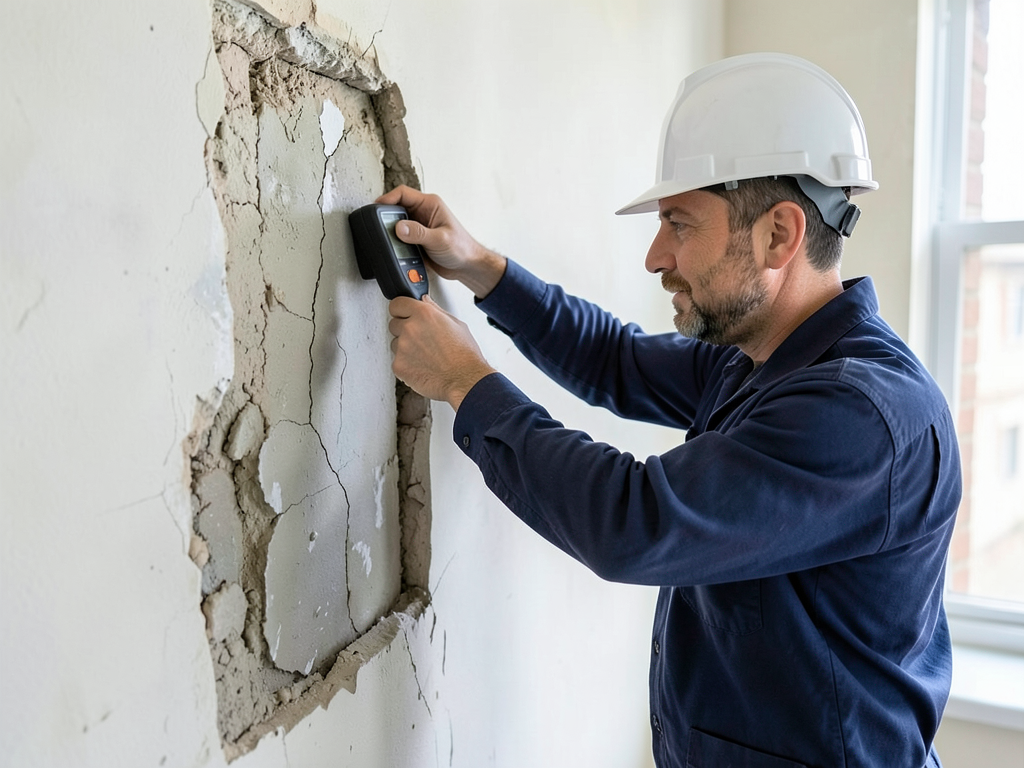
Professional restoration companies use moisture meters to detect hidden water in wall cavities and under flooring. These devices measure moisture content in materials that appear dry to the touch. Without proper drying equipment, you cannot verify that all moisture has been removed.
Certain molds common in North Carolina’s climate produce mycotoxins that can cause respiratory issues and allergic reactions. Black mold (Stachybotrys chartarum) thrives in water-damaged buildings and requires professional remediation. Attempting DIY cleanup of extensive water damage risks spreading mold spores throughout your apartment.
Local Resources and Professional Help
Mecklenburg County offers tenant resources through the Community Support Services department. They provide information about landlord-tenant rights and can mediate disputes when communication breaks down. The City of Charlotte Code Enforcement also handles complaints about substandard housing conditions.
For immediate water damage response, Cornerstone Water Damage Restoration serves the entire Charlotte metro area, including the Third Ward. Their technicians understand local building codes and can coordinate with both tenants and landlords to ensure proper restoration. They work directly with insurance companies to streamline the claims process.
Professional restoration prevents the secondary damage that often costs more than the initial water intrusion. Hidden moisture in wall cavities can cause wood rot, electrical hazards, and structural weakening. The cost of professional assessment and drying typically pays for itself by preventing these complications.
Frequently Asked Questions
Who pays for water damage repairs in a rental apartment?
The responsible party depends on the damage source. Landlords must repair structural issues and plumbing failures due to normal wear and tear. Tenants pay for damage they cause through negligence or misuse. Your lease agreement may specify additional responsibilities.
How long does a landlord have to fix water damage in North Carolina?
Emergency repairs like active leaks require response within 24-48 hours under North Carolina law. Non-emergency repairs must be completed within a ‘reasonable time,’ typically considered 10-30 days depending on the repair complexity and material availability.
Can I withhold rent for water damage repairs in Charlotte?
No. North Carolina law does not allow rent withholding without a court order. You must follow the formal process of written notice, reasonable waiting period, and potential legal action through Mecklenburg County courts.
Does renter’s insurance cover water damage from plumbing leaks?
Yes. Renter’s insurance covers your personal belongings from sudden and accidental water damage, including plumbing leaks. It does not cover damage from flooding or gradual seepage. Your policy also includes liability coverage if you cause water damage to other units.
Take Action Before Minor Damage Becomes Major Problems
Water damage in your Third Ward apartment requires immediate attention to protect your health, belongings, and financial interests. Document everything, notify your landlord promptly, and consider professional assessment even for seemingly minor issues. The cost of prevention always beats the expense of extensive repairs.
Don’t wait for small leaks to become major disasters. Call (980) 342-9955 today to schedule a professional water damage assessment. Our Charlotte-based team responds 24/7 to protect your property and guide you through the restoration process. Quick action today prevents costly repairs tomorrow.
Remember that your rights as a tenant include living in a safe, habitable environment. When water damage threatens that right, you have legal options and professional resources available. The key is acting quickly and documenting thoroughly to protect yourself throughout the repair process.
{
“@context”: “https://schema.org”,
“@type”: “BlogPosting”,
“headline”: “Who is Responsible for Water Damage Repairs in a Third Ward Rental Apartment?”,
“description”: “Confused about water damage liability in your Third Ward rental? Learn NC landlord-tenant laws, insurance coverage, and emergency steps to protect yourself.”,
“wordCount”: 1677,
“datePublished”: “2026-04-25T06:31:00.000Z”,
“dateModified”: “2026-04-25T06:31:00.000Z”,
“inLanguage”: “en-US”,
“mainEntityOfPage”: {
“@type”: “WebPage”,
“@id”: “https://cornerstonewaterdamagerestorationcharlotte.com”
},
“publisher”: {
“@type”: “LocalBusiness”,
“name”: “Cornerstone Water Damage Restoration Charlotte”,
“url”: “https://cornerstonewaterdamagerestorationcharlotte.com”
},
“author”: {
“@type”: “Organization”,
“name”: “Cornerstone Water Damage Restoration Charlotte”,
“url”: “https://cornerstonewaterdamagerestorationcharlotte.com”
},
“image”: {
“@type”: “ImageObject”,
“url”: “https://cornerstonewaterdamagerestorationcharlotte.com/wp-content/uploads/2026/03/who-is-responsible-for-water-damage-repairs-in-a-t-1.png”
}
}
{
“@context”: “https://schema.org”,
“@type”: “LocalBusiness”,
“name”: “Cornerstone Water Damage Restoration Charlotte”,
“url”: “https://cornerstonewaterdamagerestorationcharlotte.com”,
“address”: {
“@type”: “PostalAddress”,
“addressLocality”: “Charlotte”
},
“areaServed”: {
“@type”: “City”,
“name”: “Charlotte”
}
}
{
“@context”: “https://schema.org”,
“@type”: “FAQPage”,
“mainEntity”: [
{
“@type”: “Question”,
“name”: “Who pays for water damage repairs in a rental apartment?”,
“acceptedAnswer”: {
“@type”: “Answer”,
“text”: “The responsible party depends on the damage source. Landlords must repair structural issues and plumbing failures due to normal wear and tear. Tenants pay for damage they cause through negligence or misuse. Your lease agreement may specify additional responsibilities.”
}
},
{
“@type”: “Question”,
“name”: “How long does a landlord have to fix water damage in North Carolina?”,
“acceptedAnswer”: {
“@type”: “Answer”,
“text”: “Emergency repairs like active leaks require response within 24-48 hours under North Carolina law. Non-emergency repairs must be completed within a ‘reasonable time,’ typically considered 10-30 days depending on the repair complexity and material availability.”
}
},
{
“@type”: “Question”,
“name”: “Can I withhold rent for water damage repairs in Charlotte?”,
“acceptedAnswer”: {
“@type”: “Answer”,
“text”: “No. North Carolina law does not allow rent withholding without a court order. You must follow the formal process of written notice, reasonable waiting period, and potential legal action through Mecklenburg County courts.”
}
},
{
“@type”: “Question”,
“name”: “Does renter’s insurance cover water damage from plumbing leaks?”,
“acceptedAnswer”: {
“@type”: “Answer”,
“text”: “Yes. Renter’s insurance covers your personal belongings from sudden and accidental water damage, including plumbing leaks. It does not cover damage from flooding or gradual seepage. Your policy also includes liability coverage if you cause water damage to other units.”
}
}
]
}
{
“@context”: “https://schema.org”,
“@type”: “BreadcrumbList”,
“itemListElement”: [
{
“@type”: “ListItem”,
“position”: 1,
“name”: “Home”,
“item”: “https://cornerstonewaterdamagerestorationcharlotte.com”
},
{
“@type”: “ListItem”,
“position”: 2,
“name”: “Blog”,
“item”: “https://cornerstonewaterdamagerestorationcharlotte.com/blog”
},
{
“@type”: “ListItem”,
“position”: 3,
“name”: “Who is Responsible for Water Damage Repairs in a Third Ward Rental Apartment?”
}
]
}
{
“@context”: “https://schema.org”,
“@type”: “Service”,
“serviceType”: “Water Damage Restoration”,
“provider”: {
“@type”: “LocalBusiness”,
“name”: “Cornerstone Water Damage Restoration Charlotte”,
“url”: “https://cornerstonewaterdamagerestorationcharlotte.com”
},
“areaServed”: {
“@type”: “City”,
“name”: “Charlotte”
},
“description”: “Confused about water damage liability in your Third Ward rental? Learn NC landlord-tenant laws, insurance coverage, and emergency steps to protect yourself.”
}