How Long Does It Actually Take a Professional Crew to Dry a Flooded House
When your Charlotte home floods, the clock starts ticking immediately. Water spreads through walls, soaks into flooring, and creates the perfect environment for mold growth. Most homeowners want to know one thing right away: how long until my house is actually dry? What to Do Immediately if Your Ballantyne Basement Floods Tonight.
The answer depends on several critical factors, but here’s the bottom line: a professional crew typically needs 3 to 5 days to completely dry a flooded house under standard conditions. However, in Charlotte’s humid climate with our red clay soil and frequent summer storms, that timeline can extend to 5 to 7 days for many homes. Storm Flooding Emergency Service.
Let’s break down exactly what affects your drying timeline and what you can expect during the restoration process.
Why Charlotte’s Climate Makes Drying More Complex
Charlotte’s average summer humidity exceeds 70%, which significantly impacts how quickly water evaporates from building materials. When outdoor air is already saturated with moisture, your indoor drying process faces an uphill battle. This is why professional crews use industrial dehumidifiers rather than relying on open windows and fans. Specialized Water Damage Restoration for Historic Homes in Dilworth.
Our red clay soil, common throughout Mecklenburg County, also plays a role. Homes built on clay-rich lots often experience hydrostatic pressure against foundation walls, creating pathways for water intrusion during heavy rains. The clay retains moisture for extended periods, making complete drying more challenging. Rapid Water Extraction and Drying for Properties Near Lake Norman.
During hurricane season from August through October, Charlotte experiences intense rainfall events. A single storm can dump several inches of water in hours, overwhelming drainage systems and causing flash flooding in areas like SouthPark and Ballantyne.. Read more about Cleaning Up After Flash Flooding Near Freedom Park and Little Sugar Creek.
Water Categories and Their Impact on Drying Time
Not all water damage is created equal. The category of water flooding your home directly affects how long the drying process takes and what safety protocols are required.. Read more about Emergency Water Extraction Services for Apartment Property Managers in Mallard Creek.
| Water Category | Typical Sources | Health Risk | Estimated Drying Time |
|---|---|---|---|
| Category 1 (Clean Water) | Broken pipes, supply line leaks, rainwater | Low | 3-4 days |
| Category 2 (Gray Water) | Appliance leaks, washing machine overflow | Moderate | 4-5 days |
| Category 3 (Black Water) | Sewer backup, flooding from rivers | High | 5-7 days |
Category 3 water requires additional safety measures including antimicrobial treatments and more extensive material removal, which extends the overall timeline. The IICRC S500 Standard for Professional Water Damage Restoration mandates specific procedures for each category to ensure health and safety. IICRC S500 Standard.
The Professional Drying Process Timeline
Understanding the step-by-step process helps you know what to expect and why certain phases take time. Here’s what happens from the moment your professional crew arrives:. Read more about How Professional Moisture Meters Actually Work to Save Your Home.
- Emergency Response and Assessment (Day 1)
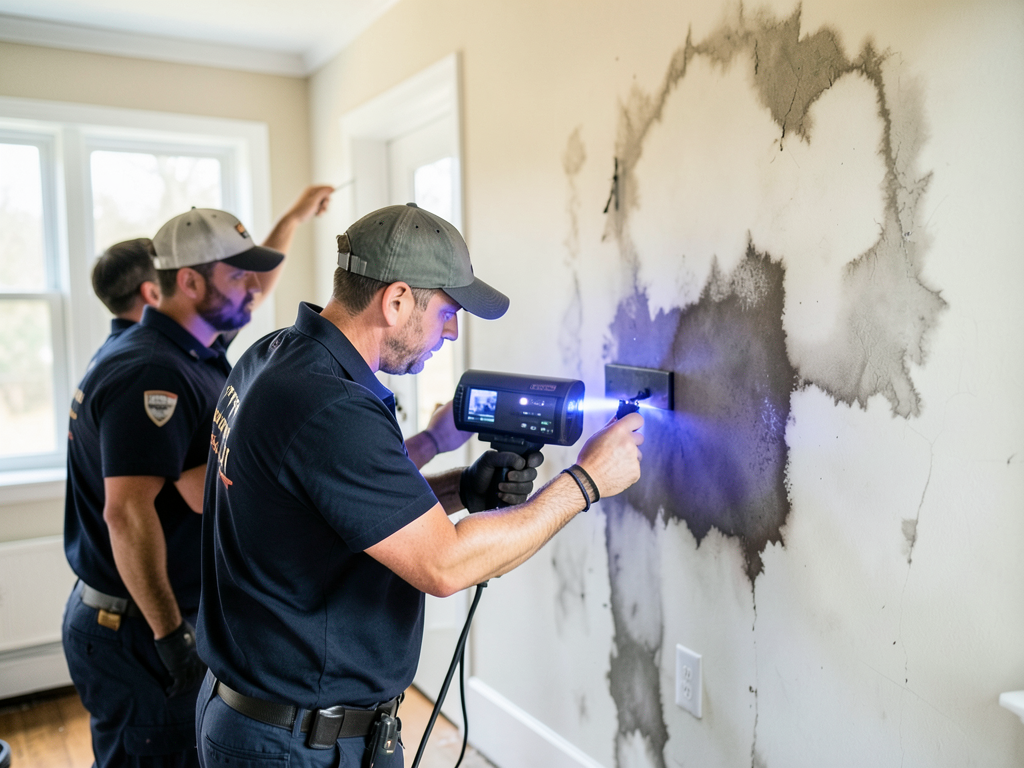
The crew arrives within 60 minutes, conducts moisture mapping using thermal imaging cameras, and identifies all affected areas. They establish containment zones and begin water extraction immediately.
- Water Extraction (Hours 1-6)
Using truck-mounted extraction units, the team removes standing water at a rate of approximately 100 gallons per minute. This phase alone can take several hours depending on the volume of water.
- Demolition and Removal (Hours 6-24)
Unsalvageable materials like saturated drywall, carpet padding, and insulation are removed. This prevents secondary damage and allows better airflow to remaining materials.
- Initial Drying Setup (Hours 12-24)
Industrial air movers and dehumidifiers are strategically placed based on moisture readings. The goal is creating optimal airflow patterns throughout the affected space.
- Active Drying Phase (Days 2-4)
Dehumidifiers run continuously, pulling moisture from the air and materials. Air movers circulate dry air across wet surfaces. Technicians monitor progress twice daily using moisture meters.
- Monitoring and Adjustment (Days 2-5)
Moisture levels are checked at 2-foot intervals on walls and at multiple depths in flooring. Equipment is repositioned based on drying progress and remaining moisture pockets.. Read more about What to Do When Your High End Tile or Stone Flooring Floods in Eastover.
- Final Drying and Verification (Days 4-7)
Once materials reach acceptable moisture content (typically 12-16% for wood framing), equipment is gradually removed. Final moisture readings confirm complete drying.
Throughout this process, technicians use moisture meters to measure water content at specific depths. A surface reading might show 15% moisture, but deeper readings could reveal 25% in the same area, requiring extended drying time.
Material-Specific Drying Times
Different building materials absorb and release water at vastly different rates. Understanding these differences explains why some areas of your home dry faster than others.
| Material | Typical Moisture Content | Drying Time Range | Key Challenges |
|---|---|---|---|
| Standard Drywall | 5-12% | 24-48 hours | Wicks water vertically, may require cutting |
| Hardwood Flooring | 6-9% | 4-7 days | Cupping requires specialized drying mats |
| Carpet and Pad | N/A (replaceable) | 24 hours removal | Pad acts like a sponge, rarely salvageable |
| Concrete Slab | 4-8% | 5-10 days | Very dense, requires specialized equipment |
| Subfloor (OSB) | 8-12% | 3-5 days | Can warp if dried too quickly |
Hardwood flooring in older Charlotte bungalows often requires specialized drying mats that apply gentle suction to extract moisture from between boards. Without this equipment, hardwood can cup permanently within 48 hours of water exposure.. Read more about Deciding Between Saving or Replacing Water Damaged Kitchen Cabinets in Piper Glen.
Concrete slabs common in newer Charlotte developments take significantly longer to dry because they’re designed to retain some moisture for structural stability. Professional crews use penetrating moisture meters to verify complete drying at various depths.
Why Professional Equipment Makes the Difference
Homeowners often wonder if they can handle drying themselves with fans and dehumidifiers from the hardware store. The answer lies in understanding psychrometrics – the science of drying.
Professional-grade equipment operates on principles that consumer units simply cannot match:
- LGR (Low-Grain Refrigerant) dehumidifiers remove 20-25 gallons of water per day versus 5-10 gallons for consumer models
- Centrifugal air movers create 3,000+ CFM airflow versus 1,500 CFM from box fans
- Desiccant dehumidifiers can achieve 10% relative humidity in sealed spaces
The difference isn’t just about power – it’s about precision. Professional crews use moisture mapping software to track drying progress across entire rooms, ensuring no hidden pockets of moisture remain. A wall might feel dry to the touch but still contain 20% moisture at its core, creating perfect conditions for mold growth within 72 hours.
Charlotte-Specific Drying Challenges
Several factors unique to the Charlotte area affect drying times:
High Water Tables: Areas near Lake Norman and Mountain Island Lake often have water tables within 10-15 feet of the surface. This means groundwater can seep back into basements and crawl spaces during the drying process, extending timelines.
Historic Home Construction: Dilworth and Plaza Midwood feature homes built with lath and plaster walls rather than modern drywall. Plaster absorbs water like a sponge but releases it slowly, often requiring 7-10 days to dry completely.
Seasonal Variations: Winter drying in Charlotte presents unique challenges. Cold outdoor temperatures reduce the effectiveness of open drying systems, while heating systems can create condensation on cold surfaces, actually adding moisture to the drying environment.
Local Building Codes: Mecklenburg County requires specific vapor barrier installations in crawl spaces. When these barriers are compromised by flooding, moisture can rise from the ground, requiring additional dehumidification in the crawl space itself.
The Mold Risk Timeline
Time is your enemy when it comes to mold growth. The EPA and CDC both emphasize that mold can begin growing within 24-48 hours of water exposure. Here’s what happens during that critical window: EPA Mold Guidelines.
- Hours 0-24: Water spreads through capillary action in porous materials
- Hours 24-48: Mold spores, which exist naturally in all environments, begin activating
- Hours 48-72: Visible mold colonies can form on drywall and other organic surfaces
- Days 3-5: Mold produces mycotoxins and begins spreading to adjacent areas
This is why professional crews work around the clock during the first 72 hours. Every hour of delay increases both the health risk and the restoration cost. A job that might cost $3,000 to dry in 3 days could cost $8,000 if mold remediation becomes necessary.
Commercial vs. Residential Drying Considerations
Retail stores and offices in Charlotte’s SouthPark area face different challenges than residential properties. Business interruption costs can exceed $10,000 per day, making rapid response critical.
Commercial drying often requires:
- After-hours work to minimize customer disruption
- Containment barriers to isolate drying zones
- Specialized equipment to protect inventory and electronics
- Coordination with property management and insurance adjusters
A flooded retail space might need to be dried in 48 hours rather than 72 to reopen for a weekend sale. This requires deploying additional equipment and technicians, potentially doubling the crew size.
Insurance and Drying Time Considerations
Most Charlotte insurance adjusters are familiar with the 3-5 day standard drying window. However, they may question extended timelines if not properly documented. Professional restoration companies provide daily moisture logs and drying documentation to support claims.
Key documentation includes:
- Initial moisture mapping with thermal imaging
- Daily humidity and temperature readings
- Equipment run times and water removal amounts
- Final moisture content readings across all materials
This documentation serves two purposes: it justifies the restoration timeline to insurance companies and provides a baseline for any future moisture-related issues.
When to Call for Professional Help
Knowing when to call professionals versus attempting DIY drying can save you thousands of dollars and prevent health hazards. Consider professional help when:
- Water has been present for more than 24 hours
- You notice water behind walls or under flooring
- The affected area exceeds 100 square feet
- You smell musty odors developing
- Water came from an unsanitary source (Category 2 or 3)
Remember that visible water is often just the tip of the iceberg. Moisture can travel laterally through walls at a rate of 1 inch per hour, meaning a small leak today can become a major restoration project tomorrow.
Preparing for the Drying Process
While you’re waiting for the professional crew to arrive, there are several steps you can take to minimize damage: Steps to Take After a Flood.
- Shut off the water source if possible
- Remove valuable items from affected areas
- Elevate furniture on blocks if safe to do so
- Open cabinet doors to improve airflow
- Document damage with photos for insurance purposes
Avoid these common mistakes:
- Don’t use household vacuums to remove water
- Don’t turn on ceiling fixtures if ceiling is wet
- Don’t leave wet fabrics in place
- Don’t delay calling for help
The Cost of Waiting
Every hour of delay in the drying process increases restoration costs. Here’s what typically happens:
- Hours 0-24: Basic extraction and drying might cost $2,000-$3,000
- Hours 24-48: Mold prevention treatments add $500-$1,000
- Hours 48-72: Minor demolition and material replacement adds $1,000-$2,000
- After 72 hours: Full mold remediation can add $3,000-$10,000+
The exponential cost increase isn’t just about materials – it’s about the scope of work required. A small water event can become a major reconstruction project if not addressed promptly.
Frequently Asked Questions
How can I tell if my house is completely dry?
Professional moisture meters provide the only accurate measurement. Visual inspection and touch are unreliable – materials can feel dry while still containing excessive moisture at their core.
Will my hardwood floors need to be replaced?
Not necessarily. Professional drying equipment can often save hardwood floors if started within 24-48 hours. Cupping or buckling increases the difficulty but doesn’t always mean replacement is necessary.
How long before I can replace removed materials?
Wait until moisture content readings stabilize below 16% for wood and below 12% for drywall. This typically takes 2-3 days after active drying equipment is removed, but varies by material and conditions.
Can I stay in my home during the drying process?
Often yes, but it depends on the extent of damage and equipment noise levels. The equipment runs 24/7 and can be loud. Air quality may also be affected by demolition dust.
What’s the difference between drying and dehumidification?
Drying removes moisture from materials themselves, while dehumidification removes moisture from the air. Both processes work together – you can’t effectively dry materials without controlling the humidity in the space.
Call for Emergency Water Damage Restoration
When water threatens your Charlotte home or business, every minute counts. Our professional crews are standing by 24/7 with industrial-grade equipment and decades of local experience. We understand Charlotte’s unique climate challenges and building construction methods.
Don’t let water damage escalate into a mold nightmare or structural crisis. Call (980) 342-9955 now for immediate response. We’ll arrive within 60 minutes, assess the damage, and begin the drying process before secondary damage can occur.
Whether you’re in Ballantyne dealing with a burst pipe, in SouthPark facing a roof leak, or anywhere in the greater Charlotte area, we have the expertise and equipment to restore your property quickly and completely.
Pick up the phone and call (980) 342-9955 before the next storm hits. Your home deserves professional care, and you deserve peace of mind knowing the job will be done right the first time.
{
“@context”: “https://schema.org”,
“@type”: “BlogPosting”,
“headline”: “How Long Does It Actually Take a Professional Crew to Dry a Flooded House”,
“description”: “Learn the exact timeline for professional water damage drying in Charlotte homes. Discover why humidity, materials, and water category impact drying times.”,
“wordCount”: 2112,
“datePublished”: “2026-04-06T15:30:00.000Z”,
“dateModified”: “2026-04-06T15:30:00.000Z”,
“inLanguage”: “en-US”,
“mainEntityOfPage”: {
“@type”: “WebPage”,
“@id”: “https://cornerstonewaterdamagerestorationcharlotte.com”
},
“publisher”: {
“@type”: “LocalBusiness”,
“name”: “Cornerstone Water Damage Restoration Charlotte”,
“url”: “https://cornerstonewaterdamagerestorationcharlotte.com”
},
“author”: {
“@type”: “Organization”,
“name”: “Cornerstone Water Damage Restoration Charlotte”,
“url”: “https://cornerstonewaterdamagerestorationcharlotte.com”
},
“image”: {
“@type”: “ImageObject”,
“url”: “https://cornerstonewaterdamagerestorationcharlotte.com/wp-content/uploads/2026/03/how-long-does-it-actually-take-a-professional-crew-1.png”
}
}
{
“@context”: “https://schema.org”,
“@type”: “LocalBusiness”,
“name”: “Cornerstone Water Damage Restoration Charlotte”,
“url”: “https://cornerstonewaterdamagerestorationcharlotte.com”,
“address”: {
“@type”: “PostalAddress”,
“addressLocality”: “Charlotte”
},
“areaServed”: {
“@type”: “City”,
“name”: “Charlotte”
}
}
{
“@context”: “https://schema.org”,
“@type”: “FAQPage”,
“mainEntity”: [
{
“@type”: “Question”,
“name”: “How can I tell if my house is completely dry?”,
“acceptedAnswer”: {
“@type”: “Answer”,
“text”: “Professional moisture meters provide the only accurate measurement. Visual inspection and touch are unreliable – materials can feel dry while still containing excessive moisture at their core.”
}
},
{
“@type”: “Question”,
“name”: “Will my hardwood floors need to be replaced?”,
“acceptedAnswer”: {
“@type”: “Answer”,
“text”: “Not necessarily. Professional drying equipment can often save hardwood floors if started within 24-48 hours. Cupping or buckling increases the difficulty but doesn’t always mean replacement is necessary.”
}
},
{
“@type”: “Question”,
“name”: “How long before I can replace removed materials?”,
“acceptedAnswer”: {
“@type”: “Answer”,
“text”: “Wait until moisture content readings stabilize below 16% for wood and below 12% for drywall. This typically takes 2-3 days after active drying equipment is removed, but varies by material and conditions.”
}
},
{
“@type”: “Question”,
“name”: “Can I stay in my home during the drying process?”,
“acceptedAnswer”: {
“@type”: “Answer”,
“text”: “Often yes, but it depends on the extent of damage and equipment noise levels. The equipment runs 24/7 and can be loud. Air quality may also be affected by demolition dust.”
}
},
{
“@type”: “Question”,
“name”: “What’s the difference between drying and dehumidification?”,
“acceptedAnswer”: {
“@type”: “Answer”,
“text”: “Drying removes moisture from materials themselves, while dehumidification removes moisture from the air. Both processes work together – you can’t effectively dry materials without controlling the humidity in the space.”
}
}
]
}
{
“@context”: “https://schema.org”,
“@type”: “HowTo”,
“name”: “Professional Water Damage Drying Process”,
“step”: [
{
“@type”: “HowToStep”,
“position”: 1,
“name”: “Emergency Response and Assessment (Day 1)”,
“text”: “The crew arrives within 60 minutes, conducts moisture mapping using thermal imaging cameras, and identifies all affected areas. They establish containment zones and begin water extraction immediately.”
},
{
“@type”: “HowToStep”,
“position”: 2,
“name”: “Water Extraction (Hours 1-6)”,
“text”: “Using truck-mounted extraction units, the team removes standing water at a rate of approximately 100 gallons per minute. This phase alone can take several hours depending on the volume of water.”
},
{
“@type”: “HowToStep”,
“position”: 3,
“name”: “Demolition and Removal (Hours 6-24)”,
“text”: “Unsalvageable materials like saturated drywall, carpet padding, and insulation are removed. This prevents secondary damage and allows better airflow to remaining materials.”
},
{
“@type”: “HowToStep”,
“position”: 4,
“name”: “Initial Drying Setup (Hours 12-24)”,
“text”: “Industrial air movers and dehumidifiers are strategically placed based on moisture readings. The goal is creating optimal airflow patterns throughout the affected space.”
},
{
“@type”: “HowToStep”,
“position”: 5,
“name”: “Active Drying Phase (Days 2-4)”,
“text”: “Dehumidifiers run continuously, pulling moisture from the air and materials. Air movers circulate dry air across wet surfaces. Technicians monitor progress twice daily using moisture meters.”
},
{
“@type”: “HowToStep”,
“position”: 6,
“name”: “Monitoring and Adjustment (Days 2-5)”,
“text”: “Moisture levels are checked at 2-foot intervals on walls and at multiple depths in flooring. Equipment is repositioned based on drying progress and remaining moisture pockets.”
},
{
“@type”: “HowToStep”,
“position”: 7,
“name”: “Final Drying and Verification (Days 4-7)”,
“text”: “Once materials reach acceptable moisture content (typically 12-16% for wood framing), equipment is gradually removed. Final moisture readings confirm complete drying.”
}
],
“image”: “https://cornerstonewaterdamagerestorationcharlotte.com/wp-content/uploads/2026/03/how-long-does-it-actually-take-a-professional-crew-1.png”
}
{
“@context”: “https://schema.org”,
“@type”: “BreadcrumbList”,
“itemListElement”: [
{
“@type”: “ListItem”,
“position”: 1,
“name”: “Home”,
“item”: “https://cornerstonewaterdamagerestorationcharlotte.com”
},
{
“@type”: “ListItem”,
“position”: 2,
“name”: “Blog”,
“item”: “https://cornerstonewaterdamagerestorationcharlotte.com/blog”
},
{
“@type”: “ListItem”,
“position”: 3,
“name”: “How Long Does It Actually Take a Professional Crew to Dry a Flooded House”
}
]
}
{
“@context”: “https://schema.org”,
“@type”: “Service”,
“serviceType”: “Water Damage Restoration”,
“provider”: {
“@type”: “LocalBusiness”,
“name”: “Cornerstone Water Damage Restoration Charlotte”,
“url”: “https://cornerstonewaterdamagerestorationcharlotte.com”
},
“areaServed”: {
“@type”: “City”,
“name”: “Charlotte”
},
“description”: “Learn the exact timeline for professional water damage drying in Charlotte homes. Discover why humidity, materials, and water category impact drying times.”
}