Should You Move Your Furniture Out During a Water Damage Restoration Project
When water invades your Charlotte home or business, one of the first questions homeowners ask is whether to move furniture out during restoration. The answer depends on several factors including the extent of damage, the type of materials affected, and the risk of secondary damage like mold growth. In Charlotte’s humid climate, where summer humidity regularly exceeds 70%, leaving wet furniture in place can create the perfect breeding ground for mold within 24-48 hours. Specialized Water Damage Restoration for Historic Homes in Dilworth.
Professional water damage restoration teams assess each situation individually, but in most cases, removing contents from affected areas is the safest approach. This process, known as a pack-out, involves carefully documenting, inventorying, and relocating your belongings to a secure facility while the property undergoes mitigation and drying procedures. The decision isn’t just about convenience—it’s about protecting your investment and preventing further damage. Rapid Water Extraction and Drying for Properties Near Lake Norman.
Understanding When Furniture Removal is Necessary
Several scenarios make furniture removal essential during water damage restoration. Category 3 water events, which involve sewage or contaminated floodwater, require immediate removal of all porous materials including upholstered furniture, mattresses, and carpets. The North Carolina Department of Environmental Quality mandates that contaminated materials be handled according to specific protocols to prevent health hazards. EPA Mold Guidelines.
Standing water deeper than two inches typically necessitates moving furniture to allow for proper extraction and drying. In Charlotte’s older neighborhoods like Dilworth and Elizabeth, where many homes have crawlspaces with inadequate vapor barriers, water can wick up walls and into furniture legs, causing hidden damage that worsens over time. Water Damage Restoration Indian Trail.
Insurance considerations also play a role. Most standard homeowners policies in North Carolina cover water damage but may have different provisions for contents versus structure. Understanding your Coverage C (personal property) versus Coverage A (dwelling) can help determine whether pack-out services are covered under your claim.
The Professional Pack-Out Process Explained
Professional pack-out services follow a systematic approach to ensure your belongings are protected throughout the restoration process. The first step involves detailed documentation using digital inventory systems that create photo records of each item’s condition before removal. This documentation proves invaluable for insurance claims and provides peace of mind that nothing is lost or damaged during the process.. Read more about How Long Does It Actually Take a Professional Crew to Dry a Flooded House.
Items are then carefully packed using appropriate materials—bubble wrap for fragile items, furniture blankets for wood pieces, and specialized containers for electronics. The packing team uses a room-by-room approach, labeling boxes with their original location and contents description. This organization makes the eventual pack-back process much more efficient.. Read more about Protecting Your High End Home Office Electronics from Water Damage in Harrisburg.
Transportation to the storage facility requires climate-controlled vehicles to prevent temperature and humidity fluctuations that could damage sensitive items. In Charlotte’s summer heat, maintaining stable conditions during transport is critical for preventing warping, mold growth, or electronic damage.. Read more about What to Do if Your Storage Unit Floods Near the Ayrsley Area.
Climate-Controlled Storage: Why It Matters in Charlotte
Charlotte’s climate presents unique challenges for stored belongings. Summer temperatures regularly reach the 90s with humidity levels that can damage wood furniture, electronics, and textiles. A climate-controlled storage facility maintains temperatures between 55-85°F and humidity levels below 55%, creating conditions that prevent mold growth and material degradation.. Read more about Deciding Between Saving or Replacing Water Damaged Kitchen Cabinets in Piper Glen.
Professional storage facilities use industrial dehumidifiers and HVAC systems specifically designed for content restoration. These systems provide the precise environmental control needed to protect your belongings while the restoration work continues on your property. The facilities also include security features like 24/7 monitoring, fire suppression systems, and controlled access to ensure your items remain safe.
Storage duration varies depending on the extent of damage and restoration timeline. Most residential projects require 3-7 days of storage, while commercial properties or extensive damage may need 2-4 weeks. The facility maintains detailed logs of environmental conditions and provides regular updates to property owners.
Content Cleaning and Restoration Techniques
Before items return to your property, they undergo thorough cleaning and restoration. Different materials require different approaches. Hard surfaces like glass, metal, and plastic can often be cleaned with antimicrobial solutions and returned to service. Wood furniture may need specialized cleaning to remove water stains and prevent warping.
Upholstered items require more intensive treatment. Professional restoration companies use hot water extraction, ozone treatment, or hydroxyl generators to remove contaminants and odors. The IICRC S500 standard for water damage restoration provides guidelines for determining which items can be salvaged and which must be discarded.
Electronics present unique challenges. Water damage can cause corrosion in circuit boards, but many items can be restored if treated promptly. Specialized electronics restoration involves careful disassembly, cleaning with isopropyl alcohol, and drying in controlled environments. The success rate varies by item type and exposure duration.
Insurance Coordination and Claims Process
Professional restoration companies work directly with insurance adjusters to streamline the claims process. They provide detailed documentation including digital inventories, photo evidence, and cost estimates using industry-standard software like Xactimate. This documentation helps ensure accurate claim processing and reduces the burden on property owners during an already stressful time.
Understanding your policy coverage is crucial. Most North Carolina homeowners policies cover sudden and accidental water damage but may exclude flood damage or gradual leaks. The pack-out and storage costs are typically covered if the damage itself is covered, but coverage limits and deductibles vary by policy.
Professional restoration teams can help you understand what’s covered and what documentation is needed for your claim. They often have experience with local insurance companies and can anticipate common questions or concerns from adjusters.
Cost Factors for Pack-Out Services
Pack-out service costs vary based on several factors. The volume of contents, the type of materials involved, and the distance to the storage facility all affect pricing. Most companies charge based on cubic footage or weight, with additional fees for specialized handling of high-value items like artwork or antiques.
Insurance coverage significantly impacts out-of-pocket costs. If your policy includes water damage coverage, the pack-out and storage fees are typically covered minus your deductible. Some policies have specific limits on contents coverage that may affect what’s covered.
Time sensitivity also affects costs. Emergency pack-out services outside normal business hours may incur additional fees, but these services can prevent further damage and reduce overall restoration costs by addressing water issues more quickly.
DIY vs. Professional Pack-Out: Making the Right Choice
While some homeowners consider handling the pack-out themselves to save money, professional services offer significant advantages. Professional teams have the equipment, experience, and insurance coverage to handle contents safely. They also provide documentation that’s often required for insurance claims.
DIY pack-outs carry risks including injury from lifting heavy items, damage to belongings during transport, and inadequate documentation for insurance purposes. Without proper equipment like dollies, straps, and climate-controlled transport, DIY efforts can actually cause more damage than they prevent.
Professional services include liability coverage that protects you if items are damaged during the process. Most restoration companies carry insurance that covers contents while in their care, custody, and control—something individual homeowners cannot provide for themselves.
The Pack-Back Process: Returning Your Belongings
Once restoration is complete, the pack-back process begins. This involves carefully transporting items back to your property and placing them according to the original floor plan. Professional teams use the documentation created during the initial pack-out to ensure everything returns to its proper location.. Read more about Managing a Second Floor Laundry Room Overflow in Your Yorkshire Neighborhood Home.
Before items are returned, the property undergoes final inspection to ensure all moisture has been removed and any necessary repairs are complete. This prevents the risk of reintroducing items to a damp environment where mold could develop.
The pack-back process also includes final cleaning of items if needed and verification that all contents are accounted for. Many companies provide a final walkthrough with the property owner to ensure satisfaction with the returned items and their placement.
Special Considerations for High-Value Items
Certain items require special handling during water damage events. Artwork, antiques, and collectibles may need climate-controlled storage with specific humidity and temperature ranges. Professional restoration companies have relationships with specialists who can handle these items appropriately.
Electronics, documents, and photographs require immediate attention to prevent permanent damage. Freeze-drying techniques can salvage water-damaged documents, while specialized electronics restoration can recover data from water-damaged devices in many cases.
Sentimental items like family heirlooms or irreplaceable photographs may be prioritized for restoration efforts. Professional teams understand the emotional value of these items and often go beyond standard procedures to attempt their recovery.
Emergency Preparation: What to Do Before Help Arrives
If water damage occurs, there are steps you can take while waiting for professional help. First, ensure safety by turning off electricity to affected areas if safe to do so. Remove valuable items from the floor, especially electronics and documents. Place aluminum foil under furniture legs to prevent staining on wet carpets. Steps to Take After a Flood.
Document the damage with photos and videos for insurance purposes. This documentation can be crucial for claim approval and helps restoration teams understand the scope of work needed.
Avoid using household vacuums to remove water, as this can cause electrical shock. Don’t place newspaper on wet surfaces as the ink can transfer and cause permanent staining. Most importantly, don’t wait to call for professional help—water damage worsens rapidly, especially in Charlotte’s humid climate.
Local Building Codes and Regulations
Charlotte-Mecklenburg building codes require specific procedures for water damage restoration, particularly in flood-prone areas near Briar Creek and Little Sugar Creek. The North Carolina Residential Code mandates proper moisture barriers and ventilation in crawlspaces to prevent future water issues.
Commercial properties must comply with additional regulations regarding water damage mitigation. The North Carolina State Building Code requires specific protocols for handling Category 3 water events in commercial settings, including proper documentation and disposal of contaminated materials.
Understanding these local requirements helps ensure your restoration project complies with all applicable codes and passes necessary inspections. Professional restoration companies stay current with these regulations and can guide you through compliance requirements.
Preventing Future Water Damage
After experiencing water damage, many homeowners want to prevent future incidents. Regular maintenance of plumbing systems, proper grading around foundations, and functioning sump pumps can prevent many common water damage scenarios. In Charlotte’s older neighborhoods, upgrading plumbing in homes over 30 years old can prevent burst pipe incidents.
Installing water detection systems can provide early warning of leaks before they cause extensive damage. These systems can automatically shut off water supply when leaks are detected, potentially saving thousands in repair costs.
Proper landscaping and drainage can prevent surface water from entering your home during Charlotte’s frequent thunderstorms. Ensuring gutters and downspouts direct water away from your foundation is a simple but effective preventive measure. Storm Flooding Emergency Service.
Choosing the Right Restoration Company
When selecting a restoration company, look for IICRC certification, proper licensing in North Carolina, and experience with your specific type of property. Check reviews and ask for references, particularly from customers who had similar damage types.
24/7 availability is crucial since water damage requires immediate attention. The company should provide clear communication about their process, timeline, and costs. They should also work directly with your insurance company to simplify the claims process.
Ask about their experience with local building codes and insurance requirements specific to Charlotte and surrounding areas. A company familiar with local conditions can provide more effective service and help navigate regional requirements.
Frequently Asked Questions
How long does the pack-out process typically take?
The initial pack-out process usually takes 2-6 hours for a typical home, depending on the volume of contents and the extent of damage. Larger homes or those with extensive water damage may require 8-12 hours or multiple days to complete the process properly.
Will my insurance cover pack-out and storage costs?
Most homeowners insurance policies cover pack-out and storage costs if the water damage itself is covered under your policy. However, coverage limits, deductibles, and specific provisions vary by policy. Your restoration company can help verify coverage and provide necessary documentation for your claim.
Can I access my belongings while they’re in storage?
Yes, most professional storage facilities allow scheduled access to your belongings with advance notice. However, frequent access can increase the risk of damage and may affect the restoration timeline. Discuss access needs with your restoration company to understand any limitations or additional fees.
What happens if items are damaged during the pack-out process?
Professional restoration companies carry liability insurance that covers contents while in their care, custody, and control. If damage occurs during the pack-out, storage, or pack-back process, the company’s insurance should cover repair or replacement costs. Always verify insurance coverage before hiring a company.
How do I know if my furniture can be salvaged?
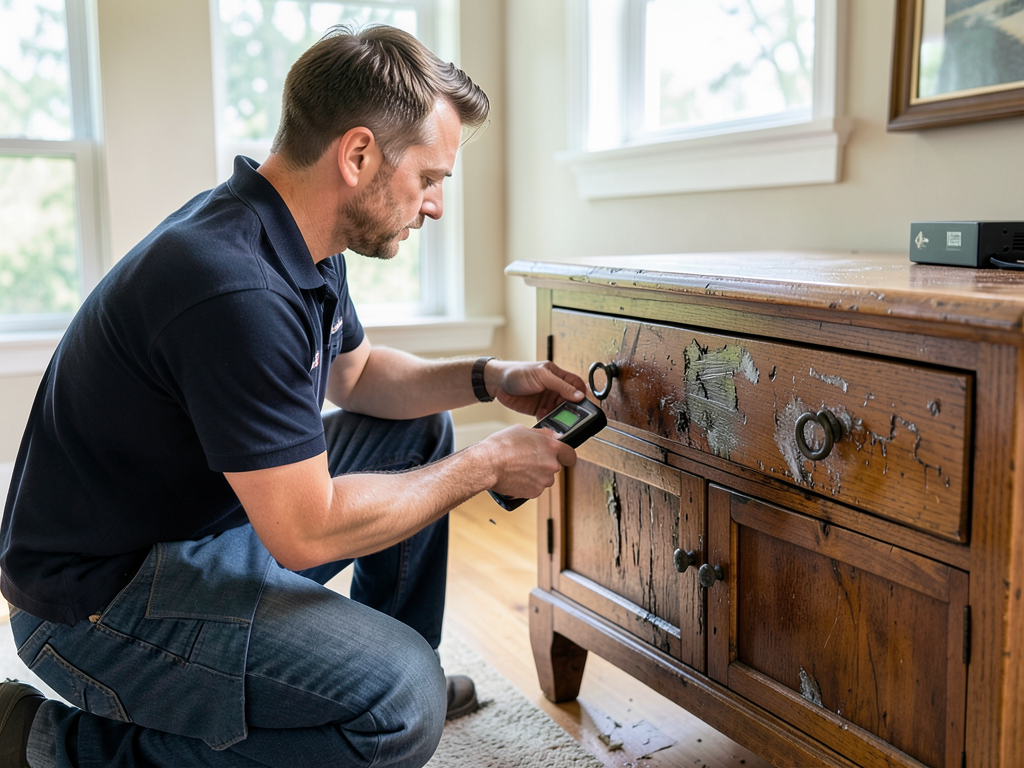
Several factors determine salvageability including the type of water involved, the duration of exposure, and the material composition of the furniture. Category 1 water from clean sources has the highest salvage rate, while Category 3 water often requires disposal of porous materials. Professional assessment using moisture meters and visual inspection determines salvageability.
Call (980) 342-9955 for Emergency Water Damage Restoration
Don’t let water damage destroy your belongings and property. Our certified restoration team provides 24/7 emergency response throughout Charlotte and surrounding areas. We’ll assess your situation, protect your contents, and restore your property to pre-loss condition. Call (980) 342-9955 now for immediate assistance and protect your investment from further damage. For more information, visit FEMA Flood Insurance Information.
You may also find this helpful. What to Do When Your High End Tile or Stone Flooring Floods in Eastover.
{
“@context”: “https://schema.org”,
“@type”: “BlogPosting”,
“headline”: “Should You Move Your Furniture Out During a Water Damage Restoration Project”,
“description”: “Learn when to move furniture during water damage restoration in Charlotte. Protect your belongings with expert pack-out services and prevent secondary mold growth.”,
“wordCount”: 2221,
“datePublished”: “2026-04-09T08:26:00.000Z”,
“dateModified”: “2026-04-09T08:26:00.000Z”,
“inLanguage”: “en-US”,
“mainEntityOfPage”: {
“@type”: “WebPage”,
“@id”: “https://cornerstonewaterdamagerestorationcharlotte.com”
},
“publisher”: {
“@type”: “LocalBusiness”,
“name”: “Cornerstone Water Damage Restoration Charlotte”,
“url”: “https://cornerstonewaterdamagerestorationcharlotte.com”
},
“author”: {
“@type”: “Organization”,
“name”: “Cornerstone Water Damage Restoration Charlotte”,
“url”: “https://cornerstonewaterdamagerestorationcharlotte.com”
},
“image”: {
“@type”: “ImageObject”,
“url”: “https://cornerstonewaterdamagerestorationcharlotte.com/wp-content/uploads/2026/03/should-you-move-your-furniture-out-during-a-water-1.png”
}
}
{
“@context”: “https://schema.org”,
“@type”: “LocalBusiness”,
“name”: “Cornerstone Water Damage Restoration Charlotte”,
“url”: “https://cornerstonewaterdamagerestorationcharlotte.com”,
“address”: {
“@type”: “PostalAddress”,
“addressLocality”: “Charlotte”
},
“areaServed”: {
“@type”: “City”,
“name”: “Charlotte”
}
}
{
“@context”: “https://schema.org”,
“@type”: “FAQPage”,
“mainEntity”: [
{
“@type”: “Question”,
“name”: “How long does the pack-out process typically take?”,
“acceptedAnswer”: {
“@type”: “Answer”,
“text”: “The initial pack-out process usually takes 2-6 hours for a typical home, depending on the volume of contents and the extent of damage. Larger homes or those with extensive water damage may require 8-12 hours or multiple days to complete the process properly.”
}
},
{
“@type”: “Question”,
“name”: “Will my insurance cover pack-out and storage costs?”,
“acceptedAnswer”: {
“@type”: “Answer”,
“text”: “Most homeowners insurance policies cover pack-out and storage costs if the water damage itself is covered under your policy. However, coverage limits, deductibles, and specific provisions vary by policy. Your restoration company can help verify coverage and provide necessary documentation for your claim.”
}
},
{
“@type”: “Question”,
“name”: “Can I access my belongings while they’re in storage?”,
“acceptedAnswer”: {
“@type”: “Answer”,
“text”: “Yes, most professional storage facilities allow scheduled access to your belongings with advance notice. However, frequent access can increase the risk of damage and may affect the restoration timeline. Discuss access needs with your restoration company to understand any limitations or additional fees.”
}
},
{
“@type”: “Question”,
“name”: “What happens if items are damaged during the pack-out process?”,
“acceptedAnswer”: {
“@type”: “Answer”,
“text”: “Professional restoration companies carry liability insurance that covers contents while in their care, custody, and control. If damage occurs during the pack-out, storage, or pack-back process, the company’s insurance should cover repair or replacement costs. Always verify insurance coverage before hiring a company.”
}
},
{
“@type”: “Question”,
“name”: “How do I know if my furniture can be salvaged?”,
“acceptedAnswer”: {
“@type”: “Answer”,
“text”: “Several factors determine salvageability including the type of water involved, the duration of exposure, and the material composition of the furniture. Category 1 water from clean sources has the highest salvage rate, while Category 3 water often requires disposal of porous materials. Professional assessment using moisture meters and visual inspection determines salvageability.”
}
}
]
}
{
“@context”: “https://schema.org”,
“@type”: “BreadcrumbList”,
“itemListElement”: [
{
“@type”: “ListItem”,
“position”: 1,
“name”: “Home”,
“item”: “https://cornerstonewaterdamagerestorationcharlotte.com”
},
{
“@type”: “ListItem”,
“position”: 2,
“name”: “Blog”,
“item”: “https://cornerstonewaterdamagerestorationcharlotte.com/blog”
},
{
“@type”: “ListItem”,
“position”: 3,
“name”: “Should You Move Your Furniture Out During a Water Damage Restoration Project”
}
]
}
{
“@context”: “https://schema.org”,
“@type”: “Service”,
“serviceType”: “Water Damage Restoration”,
“provider”: {
“@type”: “LocalBusiness”,
“name”: “Cornerstone Water Damage Restoration Charlotte”,
“url”: “https://cornerstonewaterdamagerestorationcharlotte.com”
},
“areaServed”: {
“@type”: “City”,
“name”: “Charlotte”
},
“description”: “Learn when to move furniture during water damage restoration in Charlotte. Protect your belongings with expert pack-out services and prevent secondary mold growth.”
}