Ways to Identify Structural Water Damage in Your Waxhaw Basement or Foundation
Water damage in Waxhaw homes often starts small but can quickly compromise the structural integrity of your basement or foundation. The combination of North Carolina’s clay soil and seasonal heavy rains creates perfect conditions for hydrostatic pressure to build against foundation walls. When water saturates the soil, it expands and pushes against your home’s foundation, causing cracks that worsen over time. Early detection of structural water damage can prevent costly repairs and protect your family’s safety. EPA Mold Information and Guidelines.
Structural water damage differs from surface-level cosmetic issues. While cosmetic damage affects paint and finishes, structural damage impacts the load-bearing components of your home. In Waxhaw’s older neighborhoods near downtown, many homes sit on pier-and-beam foundations or have crawl spaces that are particularly vulnerable to moisture problems. The signs of structural compromise often appear gradually, making them easy to miss until significant damage has occurred. Specialized Water Damage Restoration for Historic Homes in Dilworth.
Visible Signs of Structural Water Damage
Foundation cracks represent one of the most obvious indicators of structural water damage. Horizontal cracks in foundation walls suggest significant hydrostatic pressure from saturated soil. These cracks typically appear during or after heavy rainfall events common in Waxhaw’s summer months. Vertical cracks may indicate settling, while stair-step cracks in block foundations signal differential movement caused by soil expansion and contraction. Rapid Water Extraction and Drying for Properties Near Lake Norman.
Floor movement provides another clear warning sign. When subflooring absorbs moisture, it swells and causes floors to buckle or warp. In Waxhaw homes with hardwood flooring, this manifests as cupping where board edges rise higher than the center. Tile floors may show loose or hollow-sounding tiles where moisture has compromised the adhesive underneath. These floor movements indicate that water has penetrated beyond surface materials and is affecting structural components.. Read more about How to Tell if Your Standing Water is Categorized as Gray or Black.
Ceiling sagging and wall bowing indicate more severe structural compromise. When water saturates ceiling joists or wall studs, they lose their structural strength and begin to deform under load. In basements, this might appear as ceiling panels that hang lower than surrounding areas or walls that bow inward. These deformations suggest that water has compromised the structural integrity of load-bearing elements.. Read more about Preventing Storm Water From Seeping Into Your Hickory Grove Basement.
Hidden Indicators of Structural Water Damage
Musty odors often indicate hidden moisture problems that can lead to structural damage. The smell of damp earth or mildew in your basement or crawl space suggests ongoing moisture issues that may be affecting structural components. In Waxhaw’s humid climate, these odors can develop quickly and indicate conditions favorable for wood rot and mold growth in structural elements.
Unusual sounds can signal structural problems. Creaking or popping sounds from floors or walls may indicate that wood components are expanding and contracting due to moisture changes. In severe cases, you might hear cracking sounds as structural elements begin to fail under load. These acoustic indicators often precede visible signs of damage.. Read more about Signs Your Cotswold Kitchen Dishwasher Is Secretly Leaking Under the Floorboards.
Utility bill increases can reveal hidden water problems. A sudden spike in your water bill might indicate a leak that’s saturating the soil around your foundation. Even small leaks can create significant moisture problems over time, especially in Waxhaw’s clay soil which retains water and creates hydrostatic pressure against foundation walls.
The Science Behind Foundation Water Damage
Hydrostatic pressure explains why foundation walls crack and bow. This pressure builds when water-saturated soil pushes against foundation walls with forces measured in pounds per square foot. In Waxhaw, where the water table can rise significantly during rainy seasons, this pressure can exceed the structural capacity of older foundation walls. The pressure forces water through even tiny cracks, creating a cycle of increasing damage.
Expansive clay soil common in the Waxhaw area exacerbates foundation problems. When clay soil gets wet, it expands by up to 10% in volume. This expansion creates tremendous pressure against foundation walls. When the soil dries, it contracts, creating voids that allow foundation movement. This constant cycle of expansion and contraction weakens foundation structures over time.
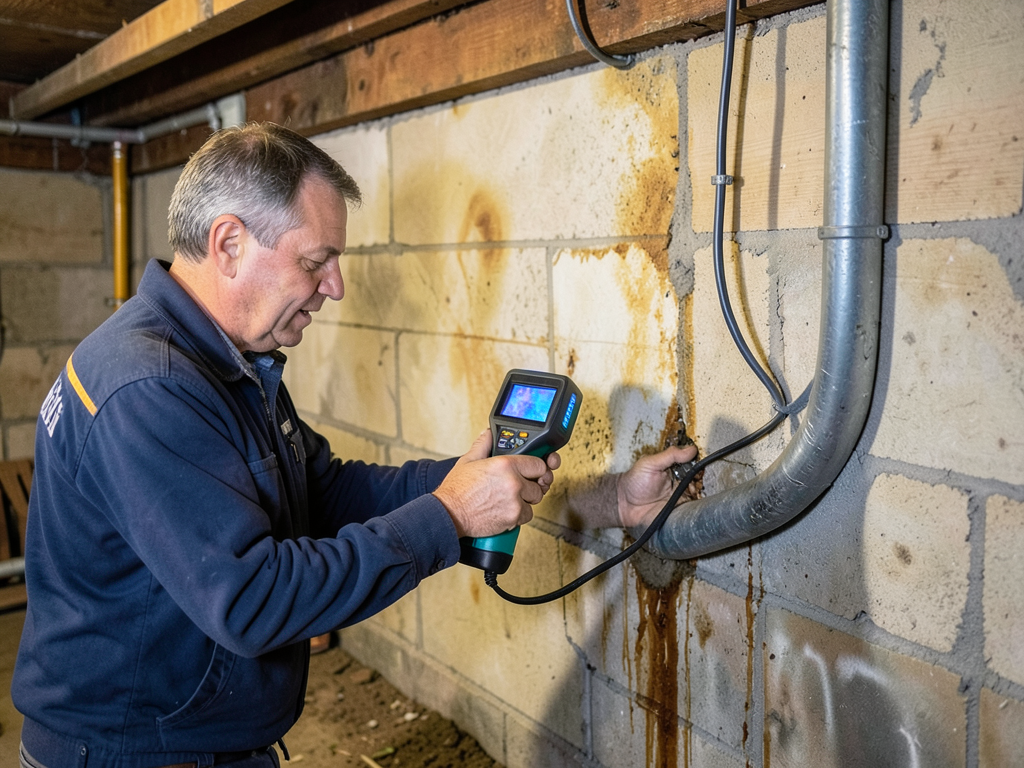
Thermal imaging reveals hidden moisture patterns that indicate structural problems. Professional water damage restoration technicians use thermal cameras to detect temperature differences caused by moisture in walls and floors. These temperature variations often reveal the extent of water penetration that isn’t visible to the naked eye. In Waxhaw homes, thermal imaging commonly shows moisture migration patterns that follow the path of least resistance through foundation walls.. Read more about The Real Difference Between Black Mold and Mildew After a Charlotte Flood.
Diagnostic Testing for Structural Water Damage
Moisture meters provide quantitative data about water content in structural materials. These devices measure the electrical resistance of wood and other materials to determine moisture levels. Readings above 20% moisture content in wood structural elements indicate conditions favorable for rot and decay. In Waxhaw’s climate, seasonal moisture content should typically stay below 15% to prevent structural problems.. Read more about Essential Maintenance Tips to Prevent Slab Leaks in Your Oakhurst Townhome.
Concrete moisture testing helps identify foundation problems before they become visible. Calcium chloride tests measure the rate of moisture vapor emission from concrete slabs. High readings indicate that moisture is actively moving through the foundation, potentially compromising structural integrity. In Waxhaw basements, elevated moisture readings often correlate with seasonal rainfall patterns and groundwater levels.. Read more about Fixing Poor Yard Drainage Before the Next Storm Hits Your Madison Park Property.
Foundation movement monitoring tracks structural changes over time. Professional inspectors use specialized equipment to measure foundation settlement and movement. These measurements help determine whether foundation problems are active or stable. In Waxhaw’s older neighborhoods, foundation monitoring can reveal seasonal patterns of movement related to soil moisture content.. Read more about Evaluating the Average Cost of Professional Water Damage Restoration in Charlotte.
Safety Concerns and When to Evacuate
Electrical hazards pose immediate safety risks when water damages structural components. Water infiltration can cause short circuits, ground faults, and electrical fires. If you notice water near electrical panels or outlets, immediately turn off power at the main breaker and evacuate the area. In Waxhaw homes with basements, electrical systems are particularly vulnerable to water damage during heavy storms. What to Do Immediately if Your Ballantyne Basement Floods Tonight.
Mold growth represents a serious health hazard that often accompanies structural water damage. The North Carolina Department of Health and Human Services identifies certain mold species as particularly dangerous when they grow in water-damaged buildings. Stachybotrys chartarum, commonly called black mold, can produce toxins that affect respiratory health. Mold can begin growing within 24-48 hours of water exposure in Waxhaw’s warm, humid climate.
Structural collapse presents the most severe risk of untreated water damage. When foundation walls or support beams become saturated and lose strength, they can fail catastrophically. Warning signs include sudden new cracks, loud popping sounds, or visible separation of structural elements. If you observe these signs, evacuate immediately and contact emergency services.. Read more about Signs of a Tiny Bathroom Leak That Could Cause Major Rot in Your Cherry Home.
Charlotte-Specific Building Considerations
The North Carolina Residential Code requires specific moisture protection measures for foundations in areas like Waxhaw. Section R406 of the code mandates dampproofing or waterproofing for below-grade walls, with requirements varying based on soil conditions and groundwater levels. Homes built before these codes were adopted may lack adequate moisture protection, making them more vulnerable to structural water damage.
Mecklenburg County’s floodplain management regulations affect foundation construction in certain Waxhaw areas. Properties near creeks or in low-lying areas must comply with elevation requirements and flood-resistant construction techniques. These regulations aim to prevent structural damage from seasonal flooding that commonly affects parts of Waxhaw during heavy rain events.
Local soil conditions significantly impact foundation performance. Waxhaw’s location in the Piedmont region means many homes sit on red clay soil that retains water and expands when wet. This soil characteristic creates unique challenges for foundation design and requires specific drainage solutions to prevent structural water damage. Homes built on poorly drained sites are particularly vulnerable to hydrostatic pressure problems.
Prevention and Mitigation Strategies
Proper grading around your foundation prevents water accumulation. The ground should slope away from your home at a rate of at least 6 inches over the first 10 feet. In Waxhaw’s heavy clay soil, this grading is crucial for directing water away from foundation walls before it can cause hydrostatic pressure. Poor grading is one of the most common causes of foundation water damage in the area.
Functional gutter systems protect your foundation from water damage. Gutters should direct water at least 5-10 feet away from your foundation through properly sized downspouts and extensions. In Waxhaw’s frequent rain events, clogged or undersized gutters can dump hundreds of gallons of water directly against your foundation walls, overwhelming their moisture protection systems.
Sump pump systems provide active water management for basements and crawl spaces. A properly sized and maintained sump pump can prevent water accumulation that leads to structural damage. In Waxhaw’s low-lying areas, sump pumps often run continuously during rainy seasons. Battery backup systems ensure continued protection during power outages that commonly accompany severe storms.
Professional Assessment and Restoration
Professional water damage restoration follows the IICRC S500 Standard for Professional Water Damage Restoration. This industry standard provides guidelines for assessing structural damage, determining restoration procedures, and verifying successful restoration. In Waxhaw, where humidity levels frequently exceed 70%, following these standards is crucial for preventing secondary damage like mold growth during the restoration process. IICRC S500 Standard for Professional Water Damage Restoration.
Structural engineers provide specialized assessment for severe foundation problems. When foundation cracks exceed certain widths or show specific patterns, engineering evaluation becomes necessary. Engineers can determine whether foundation movement is active, assess the structural capacity of damaged elements, and recommend appropriate repair methods. This professional assessment is essential before undertaking major structural repairs.
Insurance considerations affect how you address structural water damage. Most homeowner’s insurance policies in North Carolina cover sudden, accidental water damage but exclude long-term moisture problems or flooding. Understanding your coverage helps you make informed decisions about restoration approaches. Many Waxhaw homeowners discover coverage limitations only after damage has occurred. Steps to Take After a Flood.
Seasonal Risk Factors in Waxhaw
Hurricane season creates heightened risk for structural water damage in Waxhaw. From June through November, tropical systems can bring intense rainfall that saturates soil and overwhelms drainage systems. The ground’s inability to absorb rapid rainfall in clay soil areas leads to surface water accumulation against foundations. Homes in low-lying areas near Waxhaw Creek face particular risk during these events.
Freeze-thaw cycles in winter months can worsen existing foundation cracks. When water enters small foundation cracks and freezes, it expands by approximately 9% in volume. This expansion widens cracks and allows more water infiltration during subsequent thaw cycles. Waxhaw’s occasional hard freezes create conditions where this freeze-thaw damage can occur throughout the winter months.
Spring rainfall patterns often reveal foundation vulnerabilities. As the ground thaws and spring rains begin, water tables rise and hydrostatic pressure increases against foundation walls. This seasonal pressure often causes foundation cracks that were dormant during drier months to become active. Many Waxhaw homeowners first notice structural water damage symptoms during early spring rainfall events.
Cost Implications of Delayed Repairs
Structural water damage repair costs increase exponentially with delay. A small foundation crack that costs a few hundred dollars to seal can expand into a major structural repair costing tens of thousands of dollars if left untreated. The constant moisture exposure accelerates wood rot, corrodes metal fasteners, and weakens concrete through freeze-thaw cycles.
Property value impacts extend beyond repair costs. Visible foundation problems can reduce home values by 10-30% according to real estate assessments. In Waxhaw’s competitive housing market, foundation issues can make homes difficult to sell or require significant price reductions. Professional inspections routinely identify water damage that homeowners were unaware of, affecting transaction negotiations.. Read more about Using Thermal Imaging to See Through Walls for Hidden Leaks in Wesley Heights.
Health-related costs can result from delayed water damage repairs. Mold remediation, medical treatment for respiratory issues, and allergy management can create substantial ongoing expenses. The humid Waxhaw climate accelerates mold growth in water-damaged structures, making timely repairs crucial for maintaining indoor air quality and occupant health.
Emergency Response Steps
Immediate water source control prevents further structural damage. If you discover active water infiltration, identify and stop the water source if safely possible. This might mean turning off main water valves for plumbing leaks or using sandbags to divert surface water during storms. Quick action can prevent minor issues from becoming major structural problems.
Documentation supports insurance claims and restoration planning. Take clear photos of all visible damage, including foundation cracks, water stains, and structural deformations. Note the date and time of discovery, as this information helps professionals assess the progression of damage. In Waxhaw, where seasonal weather patterns affect water damage, timing documentation provides valuable context.
Professional assessment determines the appropriate response level. Not all water damage requires emergency restoration services, but structural indicators like large foundation cracks or significant floor movement warrant immediate professional evaluation. In Waxhaw, local restoration companies familiar with regional soil and weather patterns can provide more accurate assessments than out-of-area contractors.
Long-term Monitoring and Maintenance
Regular foundation inspections catch problems early. Professional inspections every 1-2 years can identify developing issues before they cause significant structural damage. In Waxhaw’s variable climate, seasonal inspections help track changes that might indicate active foundation problems. These inspections typically include moisture readings, crack measurements, and assessment of drainage systems.
Maintenance of drainage systems prevents water accumulation. Clean gutters twice yearly, inspect downspout extensions for proper function, and ensure that grading hasn’t changed due to settling or landscaping changes. In Waxhaw’s mature neighborhoods, root systems from established trees can alter drainage patterns and create new water accumulation areas around foundations.
Humidity control in basements and crawl spaces reduces structural moisture problems. Dehumidifiers sized for your space can maintain relative humidity below 60%, preventing condensation on cool foundation walls and reducing the risk of mold growth. In Waxhaw’s naturally humid climate, this active moisture control often proves essential for protecting structural elements.
Frequently Asked Questions
How can I tell if foundation cracks are serious?
Foundation cracks wider than 1/8 inch, horizontal cracks, or cracks that appear to be growing indicate serious structural problems requiring professional assessment. Stair-step cracks in block foundations and cracks accompanied by wall bowing also suggest significant structural compromise that needs immediate attention.
How long does it take for water to cause structural damage?
Water can begin causing structural damage within 24-48 hours of initial exposure. Wood can start absorbing moisture immediately, and mold can begin growing within this timeframe in Waxhaw’s humid conditions. Foundation damage typically develops more gradually but can become severe within months of continuous water exposure.
Should I fix foundation cracks myself?
Small cosmetic cracks might be suitable for DIY repair, but any crack showing signs of structural movement or water infiltration should be evaluated by professionals. Improper repairs can trap water inside walls or hide developing problems that worsen over time. Professional assessment ensures appropriate repair methods for your specific situation.
How much does foundation repair cost in Waxhaw?
Foundation repair costs in Waxhaw typically range from $2,000 to $15,000 depending on the extent of damage and repair method required. Simple crack sealing might cost a few hundred dollars, while major structural repairs involving wall stabilization or piering can exceed $20,000. Professional assessment provides accurate cost estimates for your specific situation.
Can foundation problems cause other home issues?
Yes, foundation problems can cause numerous secondary issues including stuck doors and windows, uneven floors, cracked drywall, and plumbing problems. Foundation movement affects the entire structure above, creating a cascade of issues that may seem unrelated but often trace back to foundation water damage.
How do I prevent foundation water damage?
Prevent foundation water damage by maintaining proper grading, keeping gutters clean and functional, installing and maintaining sump pumps where needed, and controlling indoor humidity levels. Regular inspections help identify potential problems before they cause structural damage. Professional waterproofing may be necessary for severe moisture problems.
What’s the difference between water damage and flood damage?
Water damage typically refers to water from internal sources like plumbing leaks or appliance failures, while flood damage comes from external sources like rising water bodies or surface water runoff. Insurance coverage often differs between these categories, with flood damage usually requiring separate flood insurance policies. Sump Pump Failure Cleanup and Repair in the Elizabeth Neighborhood.
How do I know if I need a structural engineer?
You need a structural engineer if you observe large foundation cracks, significant wall bowing, multiple simultaneous structural symptoms, or if your home inspector recommends professional evaluation. Engineers provide the specialized assessment needed for major structural repairs and can design appropriate repair solutions for your specific situation.
Can water damage make my house unsafe to live in?
Yes, severe water damage can make a house unsafe through structural collapse risk, electrical hazards, and health risks from mold growth. If you observe significant structural movement, active water infiltration near electrical systems, or visible mold growth covering large areas, evacuate and contact professionals immediately.
How long does water damage restoration take?
Water damage restoration timelines vary based on damage extent, with minor repairs taking a few days and major structural restoration requiring weeks or months. The drying process alone typically requires 3-5 days minimum, followed by repair work. Professional assessment provides more accurate timelines for your specific situation.
- Visual Inspection
Examine foundation walls for cracks, check floors for unevenness or movement, and look for water stains on walls and ceilings. Pay special attention to areas near plumbing fixtures and exterior walls.
- Moisture Testing
Use a moisture meter to check wood and drywall moisture content. Readings above 20% in wood or visible moisture in drywall indicate active water problems that may affect structural integrity.
- Foundation Assessment
Check for horizontal cracks, stair-step patterns in block foundations, and any inward bowing of foundation walls. These signs indicate hydrostatic pressure and potential structural compromise.
- Professional Evaluation
Contact a water damage restoration professional if you observe any structural indicators or if moisture readings exceed safe levels. Professional assessment determines the extent of damage and appropriate remediation steps.
Call for Professional Assessment Today
Structural water damage in your Waxhaw basement or foundation requires immediate professional attention. The combination of North Carolina’s clay soil, seasonal rainfall patterns, and aging home infrastructure creates perfect conditions for foundation problems that worsen over time. Don’t wait until minor issues become major structural failures that threaten your home’s safety and value.
Professional water damage restoration technicians use specialized equipment and industry-standard procedures to assess and address structural water damage. They understand local building codes, soil conditions, and weather patterns that affect foundation performance in Waxhaw and surrounding Charlotte areas. Their expertise ensures that repairs address both visible damage and underlying moisture problems that could cause future issues.
Call (980) 342-9955 today to schedule your professional foundation assessment. Our experienced technicians provide comprehensive evaluations, detailed damage reports, and effective restoration solutions tailored to your home’s specific needs. We offer 24/7 emergency response for active water infiltration situations and can help you navigate insurance claims for covered damage. Protect your home’s structural integrity and your family’s safety with professional water damage restoration services you can trust.
Don’t let water damage compromise your home’s foundation. Pick up the phone and call (980) 342-9955 before the next storm hits. Early intervention saves money, prevents further damage, and ensures your home remains safe and structurally sound for years to come.
You may also find this helpful. Safeguarding Expensive Home Theater Gear from Water Damage in Myers Park.
{
“@context”: “https://schema.org”,
“@type”: “BlogPosting”,
“headline”: “Ways to Identify Structural Water Damage in Your Waxhaw Basement or Foundation”,
“description”: “Learn to spot structural water damage in Waxhaw homes. Discover key signs, diagnostic tests, and when to call for emergency water damage restoration in Charlotte.”,
“wordCount”: 3165,
“datePublished”: “2026-03-11T10:49:00.000Z”,
“dateModified”: “2026-03-11T10:49:00.000Z”,
“inLanguage”: “en-US”,
“mainEntityOfPage”: {
“@type”: “WebPage”,
“@id”: “https://cornerstonewaterdamagerestorationcharlotte.com”
},
“publisher”: {
“@type”: “LocalBusiness”,
“name”: “Cornerstone Water Damage Restoration Charlotte”,
“url”: “https://cornerstonewaterdamagerestorationcharlotte.com”
},
“author”: {
“@type”: “Organization”,
“name”: “Cornerstone Water Damage Restoration Charlotte”,
“url”: “https://cornerstonewaterdamagerestorationcharlotte.com”
},
“image”: {
“@type”: “ImageObject”,
“url”: “https://cornerstonewaterdamagerestorationcharlotte.com/wp-content/uploads/2026/03/ways-to-identify-structural-water-damage-in-your-w-1.png”
}
}
{
“@context”: “https://schema.org”,
“@type”: “LocalBusiness”,
“name”: “Cornerstone Water Damage Restoration Charlotte”,
“url”: “https://cornerstonewaterdamagerestorationcharlotte.com”,
“address”: {
“@type”: “PostalAddress”,
“addressLocality”: “Charlotte”
},
“areaServed”: {
“@type”: “City”,
“name”: “Charlotte”
}
}
{
“@context”: “https://schema.org”,
“@type”: “FAQPage”,
“mainEntity”: [
{
“@type”: “Question”,
“name”: “How can I tell if foundation cracks are serious?”,
“acceptedAnswer”: {
“@type”: “Answer”,
“text”: “Foundation cracks wider than 1/8 inch, horizontal cracks, or cracks that appear to be growing indicate serious structural problems requiring professional assessment. Stair-step cracks in block foundations and cracks accompanied by wall bowing also suggest significant structural compromise that needs immediate attention.”
}
},
{
“@type”: “Question”,
“name”: “How long does it take for water to cause structural damage?”,
“acceptedAnswer”: {
“@type”: “Answer”,
“text”: “Water can begin causing structural damage within 24-48 hours of initial exposure. Wood can start absorbing moisture immediately, and mold can begin growing within this timeframe in Waxhaw’s humid conditions. Foundation damage typically develops more gradually but can become severe within months of continuous water exposure.”
}
},
{
“@type”: “Question”,
“name”: “Should I fix foundation cracks myself?”,
“acceptedAnswer”: {
“@type”: “Answer”,
“text”: “Small cosmetic cracks might be suitable for DIY repair, but any crack showing signs of structural movement or water infiltration should be evaluated by professionals. Improper repairs can trap water inside walls or hide developing problems that worsen over time. Professional assessment ensures appropriate repair methods for your specific situation.”
}
},
{
“@type”: “Question”,
“name”: “How much does foundation repair cost in Waxhaw?”,
“acceptedAnswer”: {
“@type”: “Answer”,
“text”: “Foundation repair costs in Waxhaw typically range from $2,000 to $15,000 depending on the extent of damage and repair method required. Simple crack sealing might cost a few hundred dollars, while major structural repairs involving wall stabilization or piering can exceed $20,000. Professional assessment provides accurate cost estimates for your specific situation.”
}
},
{
“@type”: “Question”,
“name”: “Can foundation problems cause other home issues?”,
“acceptedAnswer”: {
“@type”: “Answer”,
“text”: “Yes, foundation problems can cause numerous secondary issues including stuck doors and windows, uneven floors, cracked drywall, and plumbing problems. Foundation movement affects the entire structure above, creating a cascade of issues that may seem unrelated but often trace back to foundation water damage.”
}
},
{
“@type”: “Question”,
“name”: “What’s the difference between water damage and flood damage?”,
“acceptedAnswer”: {
“@type”: “Answer”,
“text”: “Water damage typically refers to water from internal sources like plumbing leaks or appliance failures, while flood damage comes from external sources like rising water bodies or surface water runoff. Insurance coverage often differs between these categories, with flood damage usually requiring separate flood insurance policies. Sump Pump Failure Cleanup and Repair in the Elizabeth Neighborhood.”
}
},
{
“@type”: “Question”,
“name”: “How do I know if I need a structural engineer?”,
“acceptedAnswer”: {
“@type”: “Answer”,
“text”: “You need a structural engineer if you observe large foundation cracks, significant wall bowing, multiple simultaneous structural symptoms, or if your home inspector recommends professional evaluation. Engineers provide the specialized assessment needed for major structural repairs and can design appropriate repair solutions for your specific situation.”
}
},
{
“@type”: “Question”,
“name”: “Can water damage make my house unsafe to live in?”,
“acceptedAnswer”: {
“@type”: “Answer”,
“text”: “Yes, severe water damage can make a house unsafe through structural collapse risk, electrical hazards, and health risks from mold growth. If you observe significant structural movement, active water infiltration near electrical systems, or visible mold growth covering large areas, evacuate and contact professionals immediately.”
}
},
{
“@type”: “Question”,
“name”: “How long does water damage restoration take?”,
“acceptedAnswer”: {
“@type”: “Answer”,
“text”: “Water damage restoration timelines vary based on damage extent, with minor repairs taking a few days and major structural restoration requiring weeks or months. The drying process alone typically requires 3-5 days minimum, followed by repair work. Professional assessment provides more accurate timelines for your specific situation.”
}
}
]
}
{
“@context”: “https://schema.org”,
“@type”: “HowTo”,
“name”: “How to Identify Structural Water Damage”,
“step”: [
{
“@type”: “HowToStep”,
“position”: 1,
“name”: “Visual Inspection”,
“text”: “Examine foundation walls for cracks, check floors for unevenness or movement, and look for water stains on walls and ceilings. Pay special attention to areas near plumbing fixtures and exterior walls.”
},
{
“@type”: “HowToStep”,
“position”: 2,
“name”: “Moisture Testing”,
“text”: “Use a moisture meter to check wood and drywall moisture content. Readings above 20% in wood or visible moisture in drywall indicate active water problems that may affect structural integrity.”
},
{
“@type”: “HowToStep”,
“position”: 3,
“name”: “Foundation Assessment”,
“text”: “Check for horizontal cracks, stair-step patterns in block foundations, and any inward bowing of foundation walls. These signs indicate hydrostatic pressure and potential structural compromise.”
},
{
“@type”: “HowToStep”,
“position”: 4,
“name”: “Professional Evaluation”,
“text”: “Contact a water damage restoration professional if you observe any structural indicators or if moisture readings exceed safe levels. Professional assessment determines the extent of damage and appropriate remediation steps.”
}
],
“image”: “https://cornerstonewaterdamagerestorationcharlotte.com/wp-content/uploads/2026/03/ways-to-identify-structural-water-damage-in-your-w-1.png”
}
{
“@context”: “https://schema.org”,
“@type”: “BreadcrumbList”,
“itemListElement”: [
{
“@type”: “ListItem”,
“position”: 1,
“name”: “Home”,
“item”: “https://cornerstonewaterdamagerestorationcharlotte.com”
},
{
“@type”: “ListItem”,
“position”: 2,
“name”: “Blog”,
“item”: “https://cornerstonewaterdamagerestorationcharlotte.com/blog”
},
{
“@type”: “ListItem”,
“position”: 3,
“name”: “Ways to Identify Structural Water Damage in Your Waxhaw Basement or Foundation”
}
]
}
{
“@context”: “https://schema.org”,
“@type”: “Service”,
“serviceType”: “Water Damage Restoration”,
“provider”: {
“@type”: “LocalBusiness”,
“name”: “Cornerstone Water Damage Restoration Charlotte”,
“url”: “https://cornerstonewaterdamagerestorationcharlotte.com”
},
“areaServed”: {
“@type”: “City”,
“name”: “Charlotte”
},
“description”: “Learn to spot structural water damage in Waxhaw homes. Discover key signs, diagnostic tests, and when to call for emergency water damage restoration in Charlotte.”
}