Why Bleach is the Wrong Choice for Removing Mold from Villa Heights Drywall
Mold in your Villa Heights home isn’t just unsightly—it’s a health hazard that demands proper treatment. Many Charlotte homeowners reach for bleach when they spot mold on drywall, believing it’s the fastest solution. But this common approach actually makes the problem worse. Bleach contains 90% water and only removes the visible color while the water penetrates porous surfaces like drywall, feeding the mold roots deep inside your walls. Specialized Water Damage Restoration for Historic Homes in Dilworth.
Charlotte’s humid climate creates perfect conditions for mold growth in neighborhoods like Villa Heights, where older homes with aging plumbing systems are common. The Piedmont region’s high humidity levels exceeding 70% in summer accelerate mold colonization, especially in areas with poor ventilation or previous water damage. Using bleach on these mold colonies doesn’t kill them—it provides the moisture they need to thrive deeper in your walls. Rapid Water Extraction and Drying for Properties Near Lake Norman.
The Science of Why Bleach Doesn’t Work on Porous Surfaces
Understanding the chemistry reveals why bleach fails. Sodium hypochlorite, the active ingredient in bleach, is a powerful oxidizer that works well on non-porous surfaces like tile or glass. However, drywall is highly porous, containing paper facing and gypsum core that absorb liquids. When you spray bleach on moldy drywall, the chlorine evaporates quickly while the water content soaks deep into the material.
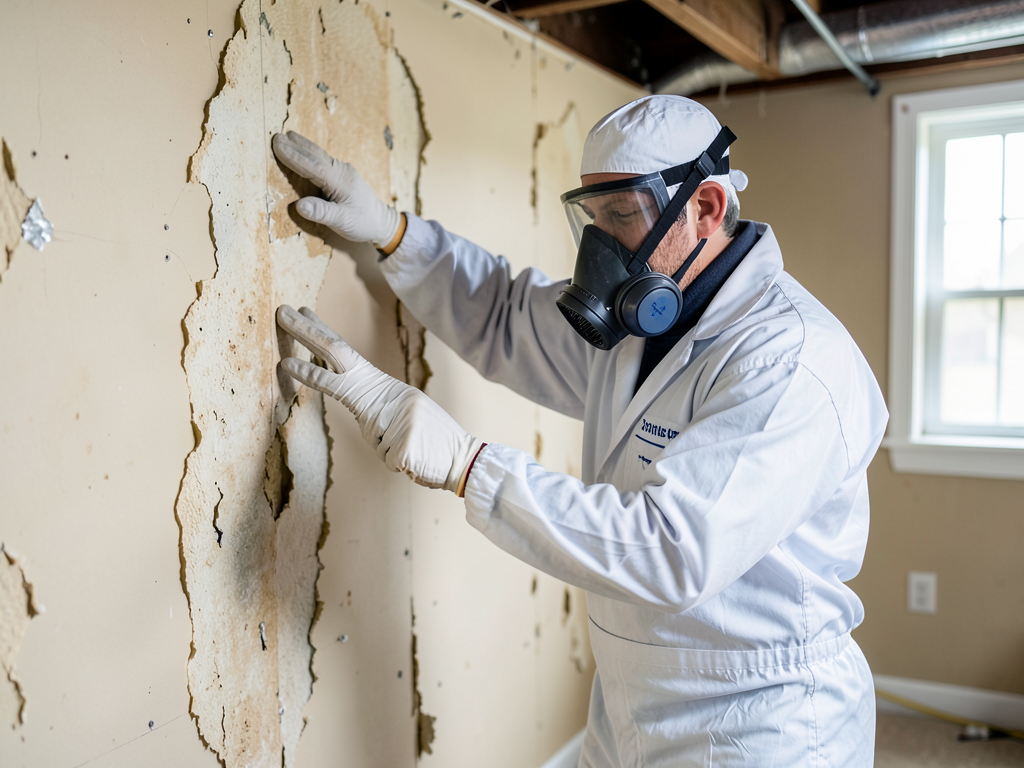
This creates a perfect storm: the visible mold fades (giving you false confidence), but the water feeds the hyphae—the root-like structures of mold that extend deep into porous materials. These structures can grow several inches into drywall, beyond what’s visible to the naked eye. The mold colony continues growing undisturbed while you think the problem is solved. Storm Flooding Emergency Service.
Charlotte’s building codes, specifically the North Carolina Residential Code, require proper moisture barriers in construction, but many older Villa Heights homes were built before these standards were implemented. This makes them particularly vulnerable to mold growth when water intrusion occurs from plumbing leaks or storm damage.
Health Risks: Mixing Chemicals and Toxic Fumes
Beyond being ineffective, using bleach for mold removal creates serious health hazards. The strong odor of sodium hypochlorite can cause respiratory irritation, especially in confined spaces like crawlspaces common in older Charlotte homes. Many homeowners don’t realize that mixing bleach with other household cleaners—particularly those containing ammonia—creates toxic chloramine gases.
These gases can cause immediate symptoms including coughing, shortness of breath, and chest pain. In severe cases, exposure to these chemical reactions can lead to pulmonary edema. The confined spaces of Villa Heights basements and crawlspaces amplify these risks, as there’s limited ventilation to disperse the fumes.
Professional mold remediation technicians use specialized personal protective equipment (PPE) including respirators, not just for protection from mold spores but also from the chemical reactions that can occur during treatment. The EPA’s Mold Remediation Guidelines specifically warn against using bleach as a primary treatment method for mold on porous materials. EPA Mold Guidelines.
The ‘Phantom Effect’: Why the Mold Comes Back Faster
Perhaps the most frustrating aspect of using bleach on mold is the ‘phantom effect.’ The bleach removes the pigment (melanin) that gives mold its dark color, making the surface appear clean. However, the living mold colony continues growing underneath, often at an accelerated rate due to the added moisture.
Within days or weeks, the mold returns—often more extensive than before. This cycle leads many Villa Heights homeowners to repeatedly apply bleach, creating a dangerous pattern of chemical exposure without addressing the root cause. The mold’s reproductive structures, called spores, remain viable and continue spreading through your home’s air system.
Charlotte’s humid climate means that once mold establishes itself in a home, it can spread rapidly through HVAC systems, especially in homes near Briar Creek where moisture levels tend to be higher. The spores can travel throughout your home, colonizing new areas that may have been unaffected initially.. Read more about Keeping Your Highland Creek Pets Safe from Bacteria After a Home Flood.
Better Alternatives for Charlotte Homeowners
Instead of bleach, several effective alternatives exist for treating mold on drywall. Distilled white vinegar, with its 5% acetic acid content, can penetrate porous surfaces and kill many common mold species. Hydrogen peroxide (3% solution) offers another option, creating an oxidizing reaction that disrupts mold cell walls without adding moisture.
For more extensive mold problems, professional-grade antimicrobials containing quaternary ammonium compounds or botanical ingredients like thymol provide deeper penetration and longer-lasting protection. These products are designed to encapsulate mold structures and prevent regrowth, addressing the problem at its source rather than just masking it.
The key difference between these alternatives and bleach is that they don’t add water to the equation. They either evaporate quickly or are designed to be absorbed without providing moisture for mold growth. However, even these DIY solutions have limitations when dealing with extensive mold colonization or water-damaged materials.
For Villa Heights residents dealing with mold after a water event, the first 24-48 hours are critical. Mold can begin growing within 24-48 hours of water exposure, especially in Charlotte’s humid climate. Quick action with proper drying techniques is essential before mold has a chance to establish itself. Steps to Take After a Flood.
When to Call a Charlotte Water Damage Professional
The EPA’s mold remediation guidelines establish a clear threshold: if the affected area exceeds 10 square feet, professional remediation is recommended. This isn’t just about aesthetics—it’s about your health and the structural integrity of your home.
Signs that you need professional help include: visible mold covering large areas, persistent musty odors, water stains on multiple walls, or mold returning repeatedly after cleaning attempts. Professional remediation involves more than just killing visible mold—it includes identifying and addressing the moisture source, containing the affected area to prevent spore spread, and using specialized equipment to ensure complete removal.. Read more about How to Hire a Mold Inspector After Purchasing an As-Is Property in Druid Hills.
Cornerstone Water Damage Restoration uses IICRC-certified technicians who follow industry-standard protocols for mold remediation. We employ HEPA filtration, negative air pressure systems, and EPA-registered antimicrobials that actually work on porous surfaces. Our process includes moisture mapping to identify hidden water sources and thermal imaging to detect temperature variations that indicate moisture behind walls. IICRC Certification.
For Villa Heights residents, we understand the unique challenges of older homes with their specific construction methods and potential for hidden moisture problems. Our team can identify issues like failing vapor barriers, inadequate drainage, or compromised roofing that contribute to mold growth.
Prevention Strategies for Villa Heights Homes
Preventing mold is always better than treating it. For Charlotte’s climate, this means maintaining indoor humidity below 50% during summer months. Use dehumidifiers in basements and crawlspaces, ensure proper ventilation in bathrooms and kitchens, and address any water leaks immediately. Fixing Kitchen Pipe Leaks and Water Damage in Plaza Midwood.
Regular inspections of your home’s exterior can prevent water intrusion. Check for damaged siding, failing caulk around windows and doors, and proper grading around your foundation. Charlotte’s clay soil can retain water, so ensure your property has adequate drainage away from the foundation.
For homes near Briar Creek or other low-lying areas of Villa Heights, consider installing a sump pump if you don’t already have one. Power outages during storms can disable electric pumps, so battery backup systems provide additional protection against flooding and the mold it can cause.
Proper attic ventilation is also crucial. Hot, humid air trapped in attics creates condensation on cooler surfaces, providing moisture for mold growth. Ensure your attic has adequate intake and exhaust ventilation to keep air moving and moisture levels down.
The Cost of Ignoring Mold Problems
Delaying proper mold treatment can lead to exponentially higher costs. What starts as a small visible spot can spread through your home’s structure, requiring extensive demolition and reconstruction. Mold can compromise the structural integrity of drywall, wood framing, and insulation.
Beyond property damage, the health costs can be significant. Mold exposure can trigger allergic reactions, asthma attacks, and other respiratory issues. Some mold species produce mycotoxins that can cause more severe health effects, particularly in children, elderly individuals, or those with compromised immune systems.
Insurance coverage for mold damage varies widely. Many policies exclude mold damage or have strict limitations, especially if the mold resulted from neglected maintenance. Professional documentation of the problem and its cause can be crucial for insurance claims.
For Villa Heights homeowners, the combination of older housing stock and Charlotte’s humid climate creates a perfect storm for mold problems. Understanding why common DIY approaches like bleach fail is the first step in protecting your home and health.
Frequently Asked Questions
Can I use bleach on mold if it’s just a small spot?
No. Even small mold spots on porous surfaces like drywall require proper treatment. Bleach may make the spot disappear temporarily, but it feeds the mold roots underneath, causing the problem to return worse than before.
How quickly does mold grow after water damage?
Mold can begin growing within 24-48 hours of water exposure. In Charlotte’s humid climate, this timeline can be even shorter. Quick drying and proper moisture control are essential to prevent mold establishment.
What’s the difference between mold and mildew?
Mildew is a surface fungi that grows flat and is easier to clean. Mold is more extensive, grows in structures with roots (hyphae), and penetrates porous materials. Both require proper treatment, but mold is generally more serious and harder to eliminate.
Take Action Before Mold Spreads Further
If you’re dealing with mold in your Villa Heights home, don’t waste time with ineffective treatments that can make the problem worse. Professional assessment and remediation can save you money and protect your family’s health in the long run.
Cornerstone Water Damage Restoration offers free inspections for Villa Heights residents. Our IICRC-certified technicians use proven methods to identify, contain, and eliminate mold problems at their source. We understand Charlotte’s unique climate challenges and how they affect mold growth in our area.
Don’t let another day go by with a growing mold problem in your home. Call (980) 342-9955 today to schedule your inspection. Our team is ready to help you reclaim a healthy, mold-free home.
Pick up the phone and call (980) 342-9955 before the next storm hits. Charlotte’s humid climate won’t wait, and neither should you when it comes to protecting your home from mold damage.
You may also find this helpful. Cleaning and Restoring Wet HVAC Ductwork in Older Plaza Midwood Homes.
{
“@context”: “https://schema.org”,
“@type”: “BlogPosting”,
“headline”: “Why Bleach is the Wrong Choice for Removing Mold from Villa Heights Drywall”,
“description”: “Discover why bleach fails on Villa Heights drywall and what Charlotte homeowners should use instead. Learn the science behind mold removal from IICRC-certified professionals.”,
“wordCount”: 1709,
“datePublished”: “2026-05-07T10:03:00.000Z”,
“dateModified”: “2026-05-07T10:03:00.000Z”,
“inLanguage”: “en-US”,
“mainEntityOfPage”: {
“@type”: “WebPage”,
“@id”: “https://cornerstonewaterdamagerestorationcharlotte.com”
},
“publisher”: {
“@type”: “LocalBusiness”,
“name”: “Cornerstone Water Damage Restoration Charlotte”,
“url”: “https://cornerstonewaterdamagerestorationcharlotte.com”
},
“author”: {
“@type”: “Organization”,
“name”: “Cornerstone Water Damage Restoration Charlotte”,
“url”: “https://cornerstonewaterdamagerestorationcharlotte.com”
},
“image”: {
“@type”: “ImageObject”,
“url”: “https://cornerstonewaterdamagerestorationcharlotte.com/wp-content/uploads/2026/03/why-bleach-is-the-wrong-choice-for-removing-mold-f-1.png”
}
}
{
“@context”: “https://schema.org”,
“@type”: “LocalBusiness”,
“name”: “Cornerstone Water Damage Restoration Charlotte”,
“url”: “https://cornerstonewaterdamagerestorationcharlotte.com”,
“address”: {
“@type”: “PostalAddress”,
“addressLocality”: “Charlotte”
},
“areaServed”: {
“@type”: “City”,
“name”: “Charlotte”
}
}
{
“@context”: “https://schema.org”,
“@type”: “FAQPage”,
“mainEntity”: [
{
“@type”: “Question”,
“name”: “Can I use bleach on mold if it’s just a small spot?”,
“acceptedAnswer”: {
“@type”: “Answer”,
“text”: “No. Even small mold spots on porous surfaces like drywall require proper treatment. Bleach may make the spot disappear temporarily, but it feeds the mold roots underneath, causing the problem to return worse than before.”
}
},
{
“@type”: “Question”,
“name”: “How quickly does mold grow after water damage?”,
“acceptedAnswer”: {
“@type”: “Answer”,
“text”: “Mold can begin growing within 24-48 hours of water exposure. In Charlotte’s humid climate, this timeline can be even shorter. Quick drying and proper moisture control are essential to prevent mold establishment.”
}
},
{
“@type”: “Question”,
“name”: “What’s the difference between mold and mildew?”,
“acceptedAnswer”: {
“@type”: “Answer”,
“text”: “Mildew is a surface fungi that grows flat and is easier to clean. Mold is more extensive, grows in structures with roots (hyphae), and penetrates porous materials. Both require proper treatment, but mold is generally more serious and harder to eliminate.”
}
}
]
}
{
“@context”: “https://schema.org”,
“@type”: “BreadcrumbList”,
“itemListElement”: [
{
“@type”: “ListItem”,
“position”: 1,
“name”: “Home”,
“item”: “https://cornerstonewaterdamagerestorationcharlotte.com”
},
{
“@type”: “ListItem”,
“position”: 2,
“name”: “Blog”,
“item”: “https://cornerstonewaterdamagerestorationcharlotte.com/blog”
},
{
“@type”: “ListItem”,
“position”: 3,
“name”: “Why Bleach is the Wrong Choice for Removing Mold from Villa Heights Drywall”
}
]
}
{
“@context”: “https://schema.org”,
“@type”: “Service”,
“serviceType”: “Water Damage Restoration”,
“provider”: {
“@type”: “LocalBusiness”,
“name”: “Cornerstone Water Damage Restoration Charlotte”,
“url”: “https://cornerstonewaterdamagerestorationcharlotte.com”
},
“areaServed”: {
“@type”: “City”,
“name”: “Charlotte”
},
“description”: “Discover why bleach fails on Villa Heights drywall and what Charlotte homeowners should use instead. Learn the science behind mold removal from IICRC-certified professionals.”
}