




Menu

Wet Carpet & Padding in Charlotte – Stop Mold Growth Before It Starts

Expert extraction and removal of soaked carpeting and underlay prevents permanent flooring damage, eliminates mold colonization in 24-48 hours, and protects your Charlotte home from costly subfloor replacement.

Slider Image 1
Slider Image 2
Slider Image 3
Slider Image 4
Slider Image 5
Slider Image 7
Slider Image 8
Slider Image 9
Slider Image 10
Slider Image 11

Why Wet Carpet Becomes a Health Hazard in Charlotte's Climate

Charlotte's subtropical humidity creates the perfect breeding ground for mold when water saturates your carpet and cushion. Within 24 hours of a leak or flood, water damaged carpet and pad begin hosting bacterial colonies. Within 48 hours, mold spores colonize the organic fibers in your carpet underlayment and begin spreading into drywall, subfloor joists, and HVAC ductwork.

You might notice the musty smell first. Then the discoloration. Then the allergic reactions in your family. By that point, the flooded carpet and underpad have already compromised the structural integrity of your subfloor. The Piedmont clay soil beneath Charlotte homes expands and contracts with moisture, which means water migrating through your foundation creates hydrostatic pressure against basement slabs and crawlspace vapor barriers. When carpet holds that water against your flooring, you compound the problem.

Most homeowners underestimate how much water saturated carpet and cushion actually hold. A single 10x12 bedroom with soaked carpeting and underlay can trap 15-20 gallons of water. That water wicks into baseboards, climbs drywall through capillary action, and seeps into subfloor plywood where it causes delamination and rot. The window for safe DIY extraction closes fast. If you can see water pooling on the surface or feel sponginess underfoot, you need professional extraction equipment, not a wet-dry vacuum from the hardware store. The padding beneath your carpet holds three times more water than the visible fibers, and that hidden moisture reservoir fuels the microbial growth that destroys indoor air quality and property value.

Why Wet Carpet Becomes a Health Hazard in Charlotte's Climate
How Professional Extraction Prevents Permanent Flooring Damage

How Professional Extraction Prevents Permanent Flooring Damage

Water damaged carpet and pad require truck-mounted extraction equipment that generates 500+ PSI of vacuum pressure. Portable carpet cleaners max out around 100 PSI, which pulls surface water but leaves the padding saturated. We use weighted extraction tools that compress the carpet pile and underlayment while simultaneously pulling water vertically through the backing. This technique removes 95% of trapped moisture in a single pass, compared to the 40-60% removal rate of standard wet-dry vacuums.

After extraction, we measure moisture content in the subfloor using penetrating pin meters and non-invasive scanning technology. Wood subfloor should read below 16% moisture content. Concrete slabs should measure below 4.5% on a calcium chloride test. If readings exceed those thresholds, we deploy low-grain refrigerant dehumidifiers and axial air movers to create negative vapor pressure. This pulls moisture out of porous materials faster than evaporation alone.

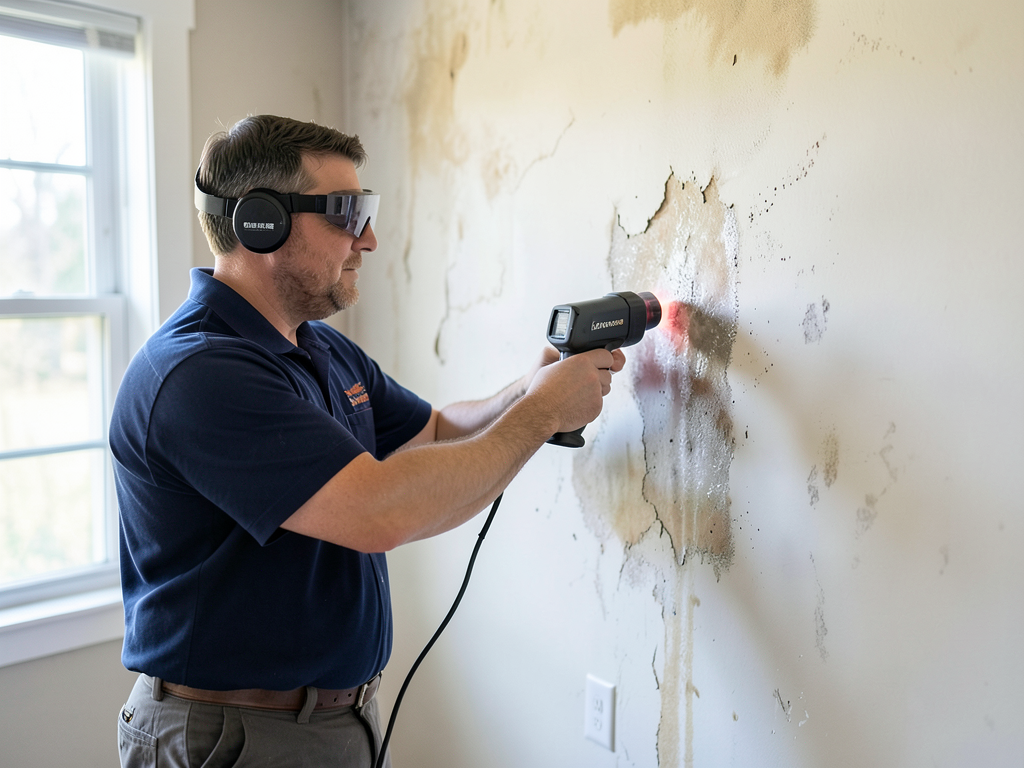
Cornerstone Water Damage Restoration Charlotte uses thermal imaging to identify moisture migration paths invisible to the naked eye. We often find water pooling in subfloor voids, trapped beneath vinyl transition strips, or wicking up interior wall cavities. We document these findings with calibrated moisture meters to provide your insurance adjuster with the forensic data needed for claim approval. We also test the pad itself for contamination category. Clean water from supply lines gets Category 1 classification. Washing machine overflows or toilet tank leaks get Category 2. Sewer backups or ground water intrusion get Category 3, which requires full disposal of all porous materials including carpet, pad, and often the bottom 12 inches of drywall. Knowing the difference prevents cross-contamination and protects your family from pathogen exposure.

What Happens When You Call for Wet Carpet Emergencies

Wet Carpet & Padding in Charlotte – Stop Mold Growth Before It Starts
01

Immediate Source Control

We locate and stop the active water source within the first 15 minutes on site. This includes shutting off supply valves, repairing burst hoses, or extracting standing water from appliance pans. We document the affected area with photos and moisture readings before moving furniture or pulling carpet. This establishes the baseline for insurance documentation and prevents claim disputes over pre-existing damage versus acute water events.
02

High-Volume Water Extraction

We deploy truck-mounted extraction units that remove 12-15 gallons per minute from flooded carpet and underpad. Weighted wands compress the carpet pile to squeeze water from deep within the cushion backing. We extract in overlapping passes until vacuum pressure stops pulling liquid. For severe saturation, we lift carpet edges and extract directly from the padding, then re-stretch and re-tack after drying to prevent buckling or rippling.
03

Controlled Structural Drying

We position commercial dehumidifiers and air movers to create optimal drying conditions in the affected space. Equipment runs 24/7 with remote monitoring to track temperature, humidity, and airflow. We return every 24 hours to take fresh moisture readings in the subfloor and surrounding materials. Once readings stabilize in the safe zone for 48 consecutive hours, we document final conditions and release the space for carpet reinstallation or replacement.

Why Charlotte Homeowners Choose Local Water Damage Specialists

National franchises send technicians trained on generic protocols written for desert climates and coastal flood zones. Those one-size-fits-all approaches fail in Charlotte's unique environment. Our team understands how afternoon thunderstorms in Dilworth create flash flooding in finished basements. We know how century-old crawlspaces in Plaza Midwood neighborhoods lack proper vapor barriers, which allows ground moisture to wick into carpet padding during heavy rain cycles. We account for the clay soil expansion that cracks foundation slabs in South Charlotte subdivisions, creating hidden water entry points beneath carpet edges.

Cornerstone Water Damage Restoration Charlotte holds relationships with local insurance adjusters who trust our documentation and moisture readings. We speak the same language as your State Farm or Nationwide rep because we work with them weekly on claims across Mecklenburg County. That familiarity speeds up approval timelines and reduces the back-and-forth that delays repairs. We also maintain accounts with local flooring suppliers, which means we source replacement carpet and pad faster than out-of-town vendors who order from regional warehouses.

We pull permits when structural drying requires subfloor removal or mold remediation crosses into HVAC systems. Charlotte-Mecklenburg code enforcement requires licensed contractors for certain demolition activities, and we stay current on those regulations. We also coordinate with local plumbers and HVAC technicians when water damage originates from failed appliances or condensate line backups. That integrated approach saves you from managing multiple vendors and ensures every trade follows the same mitigation plan. Our trucks carry Charlotte addresses, our techs live in your neighborhoods, and our reputation depends on quality work in the community we serve. When you choose local expertise, you choose accountability.

What to Expect During the Carpet Drying Process

Response Time and Arrival

We answer emergency calls 24/7 and dispatch technicians within 60-90 minutes for active water events in the Charlotte metro area. Our trucks carry extraction equipment, moisture meters, and drying gear so we begin mitigation immediately upon arrival. You do not wait days for a follow-up appointment. We start the drying process during the first visit, which reduces mold risk and limits secondary damage to walls, baseboards, and subfloors. For after-hours calls, you speak directly with a technician who can answer technical questions about your specific situation before we arrive.

Initial Assessment and Testing

We inspect the entire affected area with thermal cameras and moisture probes to map the full extent of water migration. This includes checking adjacent rooms, testing subfloor moisture levels, and identifying hidden saturation in wall cavities or beneath baseboards. We classify the water source as Category 1, 2, or 3 based on contamination level, which determines whether carpet and pad can be salvaged or require disposal. We explain findings in plain language, show you the meter readings, and walk you through the recommended mitigation plan before starting work. You receive written documentation with photos and moisture maps for your insurance claim.

Drying Results and Verification

Most residential carpet and subfloor drying projects reach safe moisture levels within 3-5 days when managed with professional equipment. We verify drying progress with daily moisture readings and adjust equipment placement to target stubborn wet spots. Once all materials read below industry thresholds for 48 consecutive hours, we document final conditions with calibrated meters and provide a certificate of drying completion. This certificate protects you from future claims disputes and confirms the space is safe for carpet reinstallation, replacement flooring, or return to normal use without mold risk.

Post-Mitigation Support and Prevention

After completing the drying process, we provide a detailed report that includes moisture readings, equipment logs, and photos of the affected area in its final dried condition. We explain what caused the water intrusion and recommend specific prevention measures like appliance pan upgrades, sump pump installations, or crawlspace encapsulation. If you need carpet replacement, we connect you with local flooring vendors who understand water damage restoration timelines. We also offer optional follow-up inspections 30 days post-mitigation to verify moisture levels remain stable and no secondary mold growth has occurred.

Frequently Asked Questions

You Have Questions,
We Have Answers

Is carpet padding ruined if it gets wet? +

Yes, carpet padding is usually ruined once it gets wet. Padding acts like a sponge, absorbing water deep into its porous fibers. This creates a breeding ground for mold, bacteria, and odors within 24 to 48 hours. Even if you extract surface water, the padding stays damp underneath. Charlotte's high humidity makes drying even harder, trapping moisture longer. Most professionals recommend removing and replacing wet padding to prevent long-term health risks and structural damage. Trying to save it often costs more in mold remediation later.

How to dry out carpet and padding? +

Start by removing standing water with a wet vacuum or extraction equipment. Pull back the carpet to expose the padding and subfloor. Use fans and dehumidifiers to circulate air and pull moisture out. Open windows only if outdoor humidity is lower than inside, which is rare in Charlotte's summer months. Remove soaked padding immediately since it rarely dries properly. Clean the subfloor with antimicrobial treatments to prevent mold. Professional water extraction equipment speeds up drying and reduces mold risk. Thorough drying takes 24 to 72 hours depending on conditions.

What happens if underlay gets wet? +

Wet underlay becomes a major problem fast. It absorbs water quickly and holds it against the subfloor, creating ideal conditions for mold growth, wood rot, and structural damage. Charlotte's muggy climate slows evaporation, keeping underlay wet longer. You will notice musty odors within days as bacteria multiply. The moisture wicks upward into carpet fibers and downward into flooring materials. Most underlay cannot be dried effectively once saturated. Leaving wet underlay in place invites ongoing damage and health hazards. Professional removal and replacement is the safest solution.

Is carpet ruined if it gets wet? +

It depends on the water source and how fast you act. Carpet can survive clean water damage if dried within 24 to 48 hours. Dirty water from sewage, flooding, or ground sources usually ruins carpet permanently due to contamination. Charlotte's humidity slows drying, increasing mold risk. Carpet fibers may survive, but padding underneath almost never does. If water sits longer than two days, mold and odor set in, making restoration unsafe. Professional assessment determines if cleaning and drying will work or if replacement is necessary.

How long does it take for mold to grow under wet carpet? +

Mold can start growing under wet carpet in as little as 24 to 48 hours. Charlotte's warm, humid climate accelerates mold growth, especially during spring and summer. Once moisture penetrates carpet padding and reaches the subfloor, spores colonize quickly. You may not see mold on the surface, but it thrives underneath in dark, damp conditions. Musty odors are the first warning sign. Delaying water extraction and drying gives mold a head start. Fast action within the first day is critical to prevent contamination and costly remediation.

What draws moisture out of carpet? +

Professional water extraction equipment draws the most moisture out of carpet quickly. Truck-mounted or portable extractors use powerful suction to pull water from deep fibers and padding. Dehumidifiers remove airborne moisture to speed evaporation. Air movers and fans increase airflow across wet surfaces, pushing moisture into the air where dehumidifiers capture it. Absorbent materials like towels help with surface water but cannot reach deep saturation. Charlotte's high humidity requires aggressive drying methods. Home vacuums and fans alone rarely dry carpet thoroughly enough to prevent mold.

Can mold grow under carpet padding? +

Yes, mold grows easily under carpet padding. Padding is porous and holds moisture against the subfloor, creating dark, damp conditions mold loves. Charlotte's humidity feeds mold growth year-round, especially in basements and lower levels. You will not see mold until it spreads or smell it when spores release mycotoxins. Once mold colonizes padding, it spreads to flooring, walls, and air ducts. Wet padding should be removed within 48 hours to stop mold before it starts. Cleaning surface carpet does not address hidden growth underneath.

How long does it take carpet to dry after flooding? +

Carpet drying time after flooding ranges from 24 hours to several days, depending on water volume, airflow, and humidity. Professional extraction and drying equipment shortens the timeline significantly. In Charlotte, high outdoor humidity slows evaporation, especially in summer. Carpet may feel dry on top but stay wet underneath and in padding. Subfloors can take even longer. Without proper equipment, drying can take a week or more, giving mold time to grow. Fast, thorough drying within 48 hours is critical to salvage carpet and prevent secondary damage.

Is it okay to sleep in a room with wet carpet? +

No, do not sleep in a room with wet carpet. Wet carpet releases moisture, mold spores, and bacteria into the air you breathe. Charlotte's humidity keeps carpet damp longer, worsening air quality. Mold can start growing within 24 hours, triggering allergies, asthma, and respiratory problems. Sleeping in that environment exposes you to health risks all night. Children and people with weakened immune systems are especially vulnerable. Move to a dry room until the carpet is professionally dried or replaced. Your health is not worth the convenience.

Can carpet be saved after water damage? +

Carpet can sometimes be saved after water damage if you act within 24 to 48 hours. Success depends on the water source and saturation level. Clean water from supply lines is easier to remediate than contaminated floodwater or sewage. Charlotte's humidity makes fast drying critical. Professional extraction, antimicrobial treatment, and controlled drying can restore carpet in many cases. Padding almost always requires replacement. Delayed response or DIY attempts often fail, leading to mold and permanent odors. Professional assessment determines if restoration is safe and cost-effective compared to replacement.

How Charlotte's Clay Soil and Humidity Make Wet Carpet Emergencies Worse

Charlotte sits on expansive Piedmont clay soil that swells when wet and shrinks when dry. This constant expansion and contraction creates hydrostatic pressure against basement walls and foundation slabs, pushing ground water through micro-cracks into finished living spaces. When that water saturates carpet and pad, it creates a moisture reservoir that continuously rehydrates the subfloor even after the initial leak stops. The subtropical humidity compounds the problem because ambient moisture in the air slows evaporation rates. Wet carpet that would dry in 48 hours in Phoenix or Denver takes 5-7 days in Charlotte without proper dehumidification. That extended wet time allows mold spores to colonize organic materials and begin decomposing carpet backing, padding, and wood subfloors.

Cornerstone Water Damage Restoration Charlotte operates under North Carolina General Statute 87-98, which governs water damage restoration and mold remediation licensing requirements. We maintain current liability insurance and follow IICRC S500 Standard for water damage restoration, which local insurance adjusters recognize as the industry benchmark for proper mitigation. Our familiarity with Charlotte-Mecklenburg building codes means we know when structural drying requires permits and inspections. We also understand local insurance claim procedures because we work daily with adjusters from the major carriers operating in Mecklenburg County. That local expertise translates to faster claim approvals, clearer communication, and fewer disputes over coverage for wet carpet emergencies.
Water Damage Restoration Services in The Charlotte Area

Cornerstone is proud to serve Charlotte and the surrounding areas, providing rapid and reliable water damage restoration services when you need them most. Our commitment extends to ensuring properties across our service region receive expert care. You can find our main office located conveniently, allowing us to quickly dispatch our teams to your location and address your water damage emergencies with efficiency and professionalism. We are always ready to assist you.

Address:
Cornerstone Water Damage Restoration Charlotte, 222 Baldwin Ave, Charlotte, NC, 28204

Additional Services We Offer

Our news updates

Latest Articles & News from The Blogs

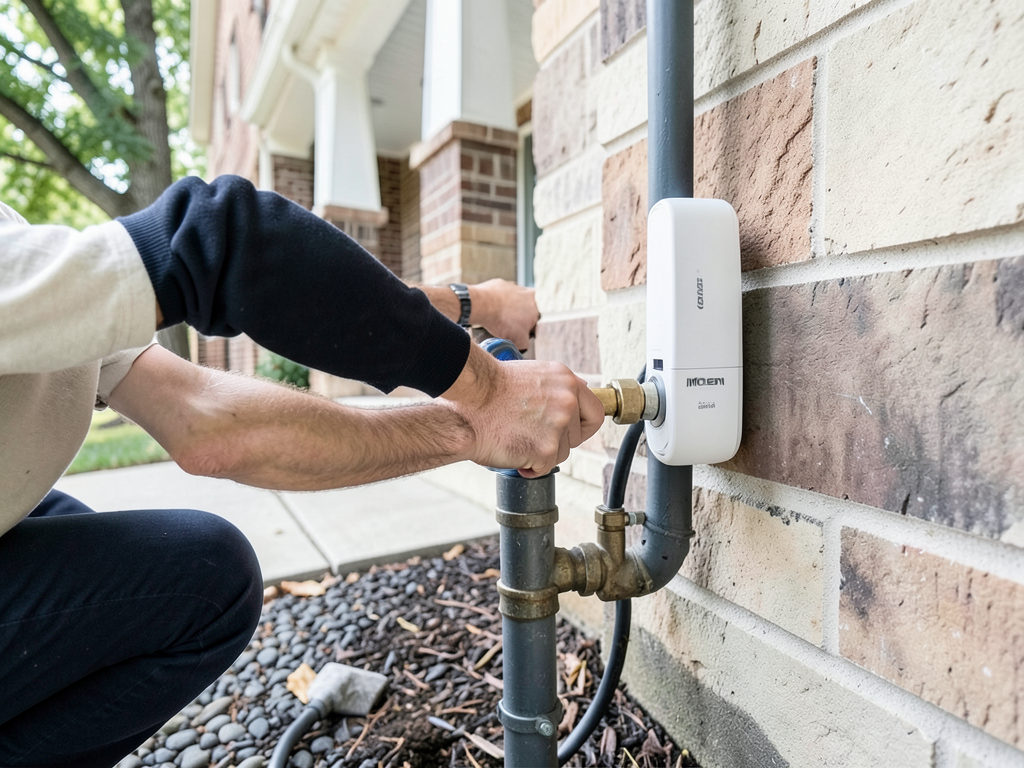
The Best Smart Leak Detectors to Prevent Water Damage in Ballantyne Water damage strikes Ballantyne homes every day from burst…

The Best Smart Leak Detectors to Prevent Water Damage in Ballantyne

The Best Smart Leak Detectors to Prevent Water Damage in Ballantyne Water damage strikes Ballantyne homes every day from burst…

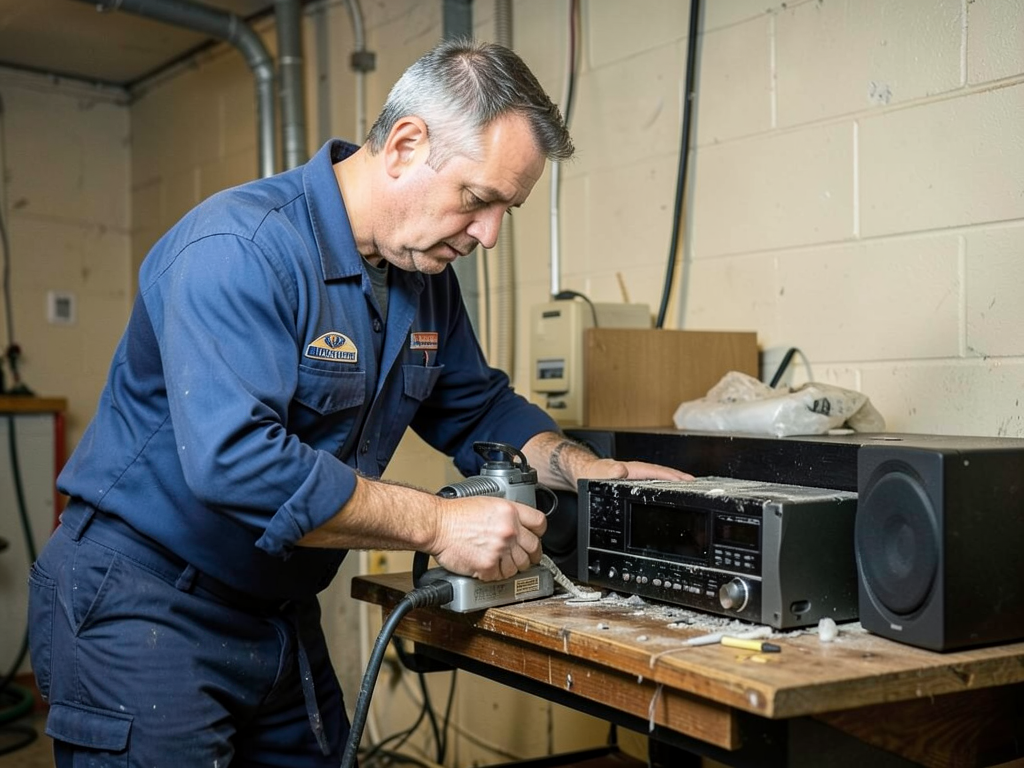
Safeguarding Expensive Home Theater Gear from Water Damage in Myers Park

Safeguarding Expensive Home Theater Gear from Water Damage in Myers Park Myers Park’s stately homes and finished basements create the…

Common Health Symptoms That Might Point to Hidden Water Damage in Your Home

Common Health Symptoms That Might Point to Hidden Water Damage in Your Home Water damage in your Charlotte home often…

Contact Us

Soaked carpeting and underlay turns into a mold hazard in 24-48 hours. Call Cornerstone Water Damage Restoration Charlotte at (980) 342-9955 for immediate extraction and drying services. We answer 24/7 and dispatch technicians within 60-90 minutes.