




Menu

Water Stains on Drywall in Charlotte – Expert Diagnosis Stops Hidden Damage Before It Spreads

We identify the source of water stains on drywall fast, prevent mold growth, and restore your walls to pre-damage condition using moisture mapping and targeted drying protocols designed for Charlotte's humid climate.

Slider Image 1
Slider Image 2
Slider Image 3
Slider Image 4
Slider Image 5
Slider Image 7
Slider Image 8
Slider Image 9
Slider Image 10
Slider Image 11

Those Brown Spots on Your Walls Are Not Just Cosmetic

You noticed a yellow stain spreading across your ceiling or brown water spots appearing on your walls, and you hoped it would dry up on its own. It did not. That moisture discoloration on sheetrock is a symptom, not the problem. The real issue is hiding behind the surface.

Charlotte's humid subtropical climate makes water stains on drywall more than an eyesore. With average humidity hovering around 70 percent year-round, wet patches on plasterboard do not evaporate. They fester. The moisture trapped inside your wall cavity creates the perfect environment for mold colonization, wood rot, and structural decay.

Water marks on ceiling panels often signal a slow roof leak, failing HVAC condensate line, or cracked plumbing junction in the attic. In older Charlotte neighborhoods like Dilworth and Myers Park, homes built with balloon framing allow water to migrate vertically through wall cavities, spreading damage across multiple floors before you see the first stain.

Ignoring yellow stains on drywall costs you more than paint. The gypsum core absorbs water like a sponge. Once saturated beyond 17 percent moisture content, the paper facing delaminates and the structural integrity collapses. What starts as a small discoloration becomes a full panel replacement, plus remediation of the framing and insulation behind it.

You need to know where the water is coming from, how far it has spread, and whether microbial growth has started. That requires thermal imaging, moisture meters, and experience reading the patterns water leaves behind. Surface-level guesses lead to incomplete repairs and recurring stains within months.

Those Brown Spots on Your Walls Are Not Just Cosmetic
How We Trace the Source and Stop the Spread

How We Trace the Source and Stop the Spread

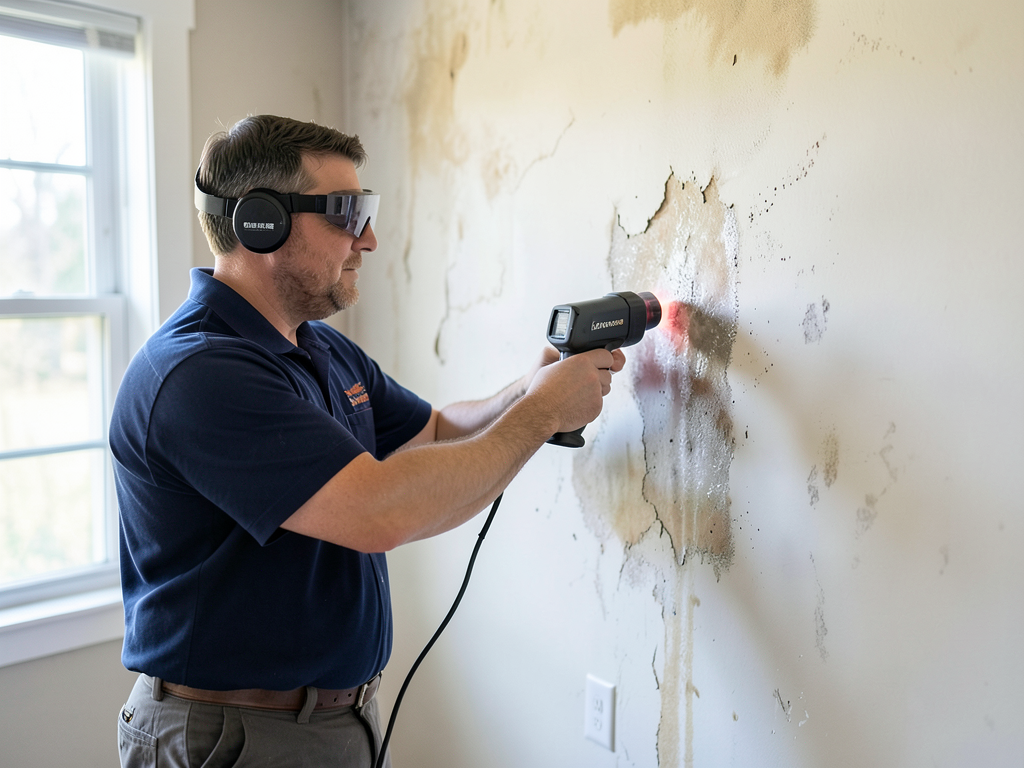
Most contractors look at the stain and start cutting. We start with diagnostics. Water does not appear randomly. It follows predictable pathways dictated by gravity, material porosity, and building envelope failures. Our process begins with moisture mapping using calibrated pin-type and non-invasive meters to measure moisture content in the drywall, studs, and subfloor.

We use thermal imaging cameras to detect temperature differentials caused by evaporative cooling. Wet materials show up as cool spots on the infrared display. This reveals the full extent of saturation, including areas with no visible staining yet. In Charlotte homes with brick veneer and stucco exteriors, we often find moisture intrusion at weep hole failures or improperly flashed window headers that would never show up during a visual inspection.

Once we map the affected area, we trace the water source. Roof leaks require attic access and inspection of shingle underlayment, flashing, and penetration seals. Plumbing leaks require pressure testing and inspection of supply lines, drain traps, and toilet wax rings. HVAC issues require inspection of the drip pan, condensate pump, and evaporator coil housing.

After identifying the source, we document the damage with high-resolution photos and moisture readings for your insurance claim. We extract standing water if present, then deploy commercial dehumidifiers and air movers to dry the structure to below 15 percent moisture content. This typically takes 48 to 72 hours depending on the severity of saturation and outdoor humidity levels.

Drying is not enough. We apply EPA-registered antimicrobial treatments to all affected surfaces to inhibit mold spore germination. Then we remove and dispose of non-salvageable materials, including wet insulation, delaminated drywall, and any framing lumber that exceeds safe moisture thresholds.

What Happens When You Call Us About Water Stains

Water Stains on Drywall in Charlotte – Expert Diagnosis Stops Hidden Damage Before It Spreads
01

Initial Assessment

We arrive within hours to inspect the stained area and surrounding zones. Using moisture meters and thermal cameras, we map the saturation extent and identify the water source. You get a clear explanation of what caused the damage, how far it has spread, and what needs to happen next. No guessing, no upselling.
02

Controlled Drying

We extract standing water and position industrial dehumidifiers and air movers to create controlled airflow across wet materials. We monitor moisture levels twice daily and adjust equipment placement to ensure even drying. This prevents secondary damage like warping, swelling, and mold growth. The process runs until all materials reach safe moisture thresholds below 15 percent.
03

Restoration and Prevention

After drying, we remove damaged drywall, treat framing with antimicrobial solution, and install new materials. We patch, tape, and finish seams to match your existing texture. If the source was a plumbing or roofing failure, we coordinate the repair to prevent recurrence. You get documentation for insurance and a dry, restored interior.

Why Charlotte Homeowners Choose Cornerstone for Water Damage Diagnosis

Water stains are deceptive. They appear in one spot, but the damage extends far beyond what you see. Choosing a restoration company that understands how water migrates through Charlotte's common building types makes the difference between a lasting fix and a recurring problem.

We work daily in neighborhoods like Plaza Midwood, NoDa, and Cotswold, where homes range from 1920s bungalows to modern construction. Older homes often lack vapor barriers and have outdated plumbing that corrodes from the inside out. Newer homes use engineered lumber that swells rapidly when wet and loses structural capacity faster than solid-sawn framing. We adjust our approach based on what your home is built with.

Charlotte's clay soil expands and contracts with moisture changes, causing foundation settling that cracks exterior stucco and brick mortar joints. These cracks allow wind-driven rain to penetrate the wall assembly during summer thunderstorms. We inspect the exterior envelope as part of every water damage assessment because surface treatments inside will fail if the exterior breach remains open.

We also understand local insurance claim requirements. Mecklenburg County adjusters expect detailed moisture readings, photo documentation of the source, and itemized scope-of-work estimates that separate emergency mitigation from reconstruction. We provide that documentation upfront so your claim moves faster and you get the coverage you are entitled to.

Our technicians hold IICRC certifications in water damage restoration and applied structural drying. We follow ANSI/IICRC S500 standards for every project, which means we dry to industry-accepted thresholds, not visual dryness. We also carry full liability and workers' compensation insurance, which protects you if something goes wrong during the restoration.

You do not need to coordinate multiple contractors. We handle the water extraction, drying, mold prevention, demolition, and reconstruction in-house. One point of contact, one timeline, one invoice.

What to Expect When We Restore Your Water-Damaged Walls

Fast Response Time

We respond to water damage calls within two hours during business hours and within four hours after hours. The faster we start drying, the less damage spreads. Our trucks carry moisture meters, thermal cameras, dehumidifiers, and air movers so we can begin mitigation immediately. You do not wait days for equipment delivery while the moisture continues migrating through your walls and ceilings.

Thorough Moisture Assessment

We do not rely on visual inspection alone. We measure moisture content in the drywall, studs, insulation, and subfloor using calibrated meters. We use thermal imaging to detect hidden saturation behind cabinets, baseboards, and wall coverings. You get a written moisture map that shows exactly which materials are wet, how wet they are, and whether they can be dried in place or require removal.

Complete Structural Drying

We dry the structure to ANSI/IICRC standards, which require materials to reach equilibrium moisture content with the surrounding environment. This means your drywall will measure the same as unaffected areas, typically between 8 and 12 percent depending on seasonal humidity. We leave dehumidifiers and air movers in place until daily moisture readings confirm drying is complete. Rushing this step guarantees mold growth and material failure.

Post-Restoration Monitoring

After we finish the restoration, we return 30 days later to recheck moisture levels in the repaired areas. This confirms the source has been properly fixed and no new moisture intrusion is occurring. If we detect elevated readings, we investigate at no charge. You also get a written summary of the work completed, materials used, and antimicrobial treatments applied for your property records.

Frequently Asked Questions

You Have Questions,
We Have Answers

How do you get water stains out of drywall? +

First, fix the source of the water. You cannot treat stains until the leak stops. Once dry, assess the damage. For surface stains on intact drywall, spray the area with a bleach solution (one part bleach to three parts water) to kill mildew. Let it dry completely. Apply a stain-blocking primer like Kilz or BIN to seal the discoloration. Then paint to match your wall. If the drywall feels soft, crumbles, or shows bubbling, replacement is necessary. Charlotte's humidity can slow drying, so use fans or dehumidifiers to prevent mold growth during repairs.

How to tell if water is leaking behind drywall? +

Look for discoloration or brown streaks running vertically down the wall. Feel for soft spots or bulging drywall, which indicate trapped moisture. Check for peeling paint or bubbling texture. Smell for mustiness, a sign of hidden mold. In Charlotte homes with older plumbing or HVAC condensation lines in walls, listen for dripping sounds. Use a moisture meter to confirm wetness behind the surface. If you see stains growing or changing shape, water is actively moving. Address leaks immediately. Hidden moisture damages framing and invites mold within 24 to 48 hours in our humid climate.

Can I paint over water stained drywall? +

Painting over water stains without preparation will fail. The stain will bleed through standard paint within days. You must first dry the area completely and fix the water source. Once dry, apply a stain-blocking primer designed to seal tannins and water marks. Products like Kilz or Zinsser BIN work well. Two coats of primer may be needed for severe stains. Then apply your finish paint. Skipping primer wastes time and money. If the drywall is soft, spongy, or crumbling, paint will not fix structural damage. Replace compromised sections before finishing.

Why do I have water marks on my walls but no leak? +

Water marks without visible leaks often come from condensation or vapor migration. In Charlotte, high humidity causes moisture to collect on cool surfaces like exterior walls or around air vents. Poor attic ventilation traps moisture that seeps through ceiling drywall. Bathroom steam migrates through walls into adjacent rooms. Roof leaks may drip onto insulation, which wicks water horizontally before staining drywall far from the entry point. Ice dams during rare freezes can cause similar issues. Check your attic, inspect HVAC ducts for condensation, and ensure bathroom exhaust fans vent outside, not into the attic.

Is drywall ruined once it gets wet? +

Not always, but speed matters. Drywall exposed to clean water for less than 48 hours can sometimes be dried and saved if you act fast. Use fans, dehumidifiers, and remove baseboards to increase airflow. However, drywall soaked by contaminated water (sewage, flooding) must be replaced for health reasons. If drywall feels soft, crumbles when touched, or shows visible mold, replacement is necessary. Charlotte's humidity slows drying and accelerates mold growth, so err on the side of removal. Wet insulation behind drywall also needs replacement, as it loses R-value and harbors mold.

What do water stains on drywall look like? +

Water stains appear as yellowish, brown, or tan discoloration on ceilings or walls. Fresh stains may look darker and feel damp to the touch. Older stains fade to lighter brown rings with defined edges. You may see multiple rings if the leak occurred repeatedly. Stains from roof leaks often appear near corners or along seams. Stains from plumbing leaks run vertically. Look for bubbling paint, sagging texture, or peeling areas around the discoloration. In Charlotte homes with popcorn ceilings, water stains cause the texture to sag or fall away, creating visible damage beyond simple discoloration.

How long can drywall be wet before mold? +

Mold can begin growing on wet drywall within 24 to 48 hours. Charlotte's heat and humidity accelerate this timeline. Mold spores are always present in the air. They only need moisture, organic material (paper backing on drywall), and warmth to colonize. Once mold starts, it spreads quickly through porous materials. If drywall stays wet beyond 48 hours, assume mold contamination even if you cannot see it yet. This is why emergency water extraction matters. Remove wet materials promptly, dry the space aggressively with fans and dehumidifiers, and monitor moisture levels with a meter.

Can plumbers detect leaks behind walls? +

Yes. Licensed plumbers use specialized tools to detect hidden leaks without demolition. Thermal imaging cameras identify temperature differences caused by water movement. Acoustic leak detection listens for the sound of water escaping pipes inside walls. Moisture meters measure dampness levels in drywall and framing. Tracer gas or dye tests can pinpoint exact leak locations in slab or wall plumbing. In Charlotte, where slab foundations and HVAC condensate lines run through walls, these non-invasive methods save money and prevent unnecessary wall removal. A professional assessment protects your home and keeps repair costs down.

How to tell if drywall has water damage? +

Press on the drywall. Healthy drywall feels firm. Water-damaged drywall feels soft, spongy, or crumbles under light pressure. Look for discoloration, stains, or dark spots. Check for bubbling, peeling paint, or sagging texture. Smell for mustiness or mold odor. Run your hand along the wall to feel for temperature differences or dampness. Use a moisture meter for confirmation. In Charlotte, check exterior walls during heavy rain and ceilings below bathrooms or attics. Horizontal staining or swelling at baseboards often signals slow leaks. Address damage immediately to prevent mold and structural rot.

Do I need to replace water stained drywall? +

Replacement depends on the extent of damage. If the drywall is soft, crumbling, or shows mold growth, you must replace it. Stains from contaminated water (sewage, flooding) require removal for safety. Surface stains on firm, dry drywall can be treated with primer and paint. Check the paper backing. If it is delaminating or peeling, replacement is necessary. In Charlotte, humidity slows drying, so drywall wet for more than 48 hours often needs replacement even if it looks okay. Always check insulation and framing behind damaged drywall. Mold or rot there requires broader repairs.

Why Charlotte's Humidity Makes Water Stains a Structural Threat

Charlotte sits in a humid subtropical zone where relative humidity stays above 60 percent most of the year. When water stains appear on drywall, the surrounding air is already saturated with moisture. This prevents evaporation and traps wetness inside wall cavities. The wet drywall becomes a reservoir that slowly releases humidity into the home, feeding mold growth on organic materials like wood framing, paper backing, and cellulose insulation. What starts as a small yellow stain on drywall becomes systemic contamination within weeks if not dried properly.

Cornerstone Water Damage Restoration Charlotte has worked in Mecklenburg County for years, restoring homes after storm damage, plumbing failures, and HVAC leaks. We understand how Charlotte's building stock responds to water intrusion. We know which neighborhoods have cast iron drain stacks prone to interior corrosion, which subdivisions used polybutylene supply lines that fail at the fittings, and which roof designs shed water poorly during heavy downpours. That local knowledge means faster diagnosis and fewer surprises during restoration.

Water Damage Restoration Services in The Charlotte Area

Cornerstone is proud to serve Charlotte and the surrounding areas, providing rapid and reliable water damage restoration services when you need them most. Our commitment extends to ensuring properties across our service region receive expert care. You can find our main office located conveniently, allowing us to quickly dispatch our teams to your location and address your water damage emergencies with efficiency and professionalism. We are always ready to assist you.

Address:
Cornerstone Water Damage Restoration Charlotte, 222 Baldwin Ave, Charlotte, NC, 28204

Additional Services We Offer

Our news updates

Latest Articles & News from The Blogs

The Best Smart Leak Detectors to Prevent Water Damage in Ballantyne Water damage strikes Ballantyne homes every day from burst…

The Best Smart Leak Detectors to Prevent Water Damage in Ballantyne

The Best Smart Leak Detectors to Prevent Water Damage in Ballantyne Water damage strikes Ballantyne homes every day from burst…

Safeguarding Expensive Home Theater Gear from Water Damage in Myers Park

Safeguarding Expensive Home Theater Gear from Water Damage in Myers Park Myers Park’s stately homes and finished basements create the…

Common Health Symptoms That Might Point to Hidden Water Damage in Your Home

Common Health Symptoms That Might Point to Hidden Water Damage in Your Home Water damage in your Charlotte home often…

Contact Us

Water stains do not fix themselves. Call Cornerstone Water Damage Restoration Charlotte now at (980) 342-9955 for a professional moisture assessment. We respond fast, dry thoroughly, and restore completely.