




Rock Hill sits in the northern Piedmont region where clay-heavy soil creates serious drainage problems during heavy rain. The Catawba River runs along the western edge of the city, and properties near the floodplain in neighborhoods like Riverwalk and India Hook face seasonal flooding risks. Spring storms drop several inches of rain in hours, overwhelming older drainage systems in downtown Rock Hill and causing basement flooding in homes built before updated grading codes.
The humid subtropical climate means moisture problems do not just disappear when the visible water is gone. Summer humidity above 70% creates perfect conditions for mold growth within 24 to 48 hours after water intrusion. Older homes in historic districts like Oakland and College Hill often have crawl spaces with inadequate vapor barriers, allowing ground moisture to wick up through wooden subfloors. Winter freezes are less common but still occur, and when temperatures drop below 32 degrees, pipes in attics and exterior walls can burst, flooding multiple floors before homeowners realize what happened. Rock Hill's mixed housing stock, from 1920s bungalows to new construction near Winthrop University, means water damage restoration requires different approaches depending on building materials, foundation types, and HVAC configurations.
Cornerstone Water Damage Restoration Charlotte has served Rock Hill and York County for years, building a reputation for honest assessments and thorough water removal. We do not push unnecessary services or inflate damage reports to pad insurance claims. Our technicians tell you exactly what needs to be done, give you a realistic timeline, and explain the drying process in plain language.
We understand Rock Hill properties because we work here every day. We know which neighborhoods have cast iron drain pipes that corrode and leak, which subdivisions used particle board subfloors that disintegrate when wet, and which insurance adjusters require specific documentation for claims approval. That local knowledge means faster diagnosis and fewer surprises during restoration.
Our trucks carry professional-grade equipment including truck-mounted extractors that remove hundreds of gallons per hour, not cheap shop vacs that take days to make progress. We use FLIR thermal cameras to find water trapped behind walls and under flooring so hidden moisture does not turn into a mold problem three weeks later. Every job gets monitored with moisture meters until readings confirm complete drying, not just when surfaces feel dry to the touch.
We coordinate directly with your insurance company, providing detailed photo documentation, moisture logs, and equipment placement records that adjusters need to process claims quickly. Most Rock Hill homeowners have never filed a water damage claim before. We walk you through the process, explain what your policy covers, and handle the paperwork so you are not left guessing what happens next.

Our Rock Hill crews dispatch within 60 minutes of your call, arriving with truck-mounted extractors and industrial air movers to begin water removal immediately. Faster response means less damage, lower restoration costs, and reduced mold risk. We do not make you wait until morning or the next business day.

FLIR thermal cameras detect moisture trapped in wall cavities, under flooring, and behind baseboards that standard inspections miss. This technology finds hidden water before it causes structural damage or mold growth, saving Rock Hill homeowners thousands in secondary damage repairs that insurance may not cover.
We bill your insurance company directly after documenting all damage with photos, moisture readings, and equipment logs. You do not pay upfront and wait for reimbursement. Our estimators speak the language adjusters understand, using Xactimate software to create claims that get approved without endless back-and-forth disputes.
Cornerstone crews know Rock Hill construction methods, soil conditions, and flood zones because we work exclusively in York County and surrounding areas. That expertise means accurate damage assessment, appropriate equipment selection, and restoration methods matched to your specific property type instead of generic cleanup approaches.
Water damage restoration requires different approaches depending on the water source, contamination level, and affected materials. A burst supply line needs different treatment than sewage backup or flooding from outside. Cornerstone provides the full spectrum of water removal services, from emergency extraction to complete structural drying and reconstruction.
Our service categories address the three main types of water damage Rock Hill properties face. Clean water from supply lines and appliances requires fast extraction and drying to prevent secondary damage. Gray water from washing machines, dishwashers, or sump pump failures contains contaminants that need sanitization. Black water from sewage backups or river flooding requires hazmat protocols, disposal of porous materials, and antimicrobial treatment.
Each category requires specific equipment, different drying techniques, and varying levels of material removal. We assess your situation on arrival, classify the water type, and deploy the appropriate restoration protocol. Rock Hill homeowners get honest guidance about what can be saved versus what needs replacement, with explanations about why certain materials must be removed to prevent health hazards or future structural problems.
Immediate water extraction prevents damage from spreading through your Rock Hill property. Our truck-mounted pumps remove standing water from basements, crawl spaces, and flooded rooms at hundreds of gallons per hour. We extract water from carpets, pull soaked padding, and suction moisture from hardwood floors before warping occurs. Air movers and dehumidifiers start drying structural materials within hours of arrival, stopping mold growth before it begins and reducing overall restoration costs.
Visible water removal is only the first step. Moisture trapped in walls, subfloors, and framing causes rot, mold, and structural failure months after the initial damage. Cornerstone uses industrial dehumidifiers and targeted air movement to dry lumber, drywall, and insulation to safe moisture levels. Daily monitoring with moisture meters confirms drying progress. Thermal imaging verifies complete moisture removal from hidden spaces before we close up walls and declare the job finished.
Sewage backups and contaminated floodwater require hazmat protocols to protect your family's health. Our technicians wear protective equipment, remove contaminated materials following EPA guidelines, and apply antimicrobial treatments to affected surfaces. We dispose of porous materials like drywall, insulation, and carpeting that cannot be safely sanitized. All surfaces get treated with hospital-grade disinfectants before reconstruction begins. Rock Hill properties affected by sewage backup require documentation for insurance and health department compliance.
Rock Hill's climate and construction patterns create specific water damage vulnerabilities. The Piedmont region's heavy clay soil does not absorb water well, causing poor drainage around foundations and basement seepage during heavy rain. Many older homes in downtown Rock Hill and established neighborhoods lack proper grading, allowing water to pool against foundations. Spring storms frequently drop two to three inches of rain in short periods, overwhelming gutters and creating roof leaks at flashing points.
The mix of old and new construction means different water damage risks across the city. Historic homes in Oakland and College Hill often have outdated plumbing, inadequate waterproofing, and crawl spaces that trap moisture. Newer subdivisions near Celanese Road and along Dave Lyle Boulevard face issues with builder-grade water heaters failing prematurely and incorrectly installed washing machine supply lines bursting under pressure. The following issues represent the most common water damage emergencies we respond to in Rock Hill.
Rock Hill sees occasional freezing temperatures that catch homeowners off guard. Pipes in attics, crawl spaces, and exterior walls freeze and rupture, releasing hundreds of gallons before the break gets discovered. We respond immediately to stop water flow, extract standing water, and begin drying before ceiling drywall collapses or flooring delaminates. Thermal imaging locates all affected areas even when water travels through wall cavities.
Clay soil and poor grading cause basement seepage during spring storms. Water enters through foundation cracks, failed window wells, and overwhelmed sump pumps. Basements in older Rock Hill neighborhoods flood repeatedly because original construction did not include proper drainage systems. We pump out standing water, dry concrete and framing, and identify entry points so you can address the root cause.
Tank water heaters typically last 8 to 12 years before internal corrosion causes leaks or catastrophic failure. A 50-gallon tank rupture floods laundry rooms, garages, and adjacent living spaces within minutes. Rock Hill homes with water heaters in attics face severe damage when tanks fail, flooding entire floors below. We extract water quickly, remove wet insulation and drywall, and dry framing to prevent mold.
Rubber washing machine hoses deteriorate over time and burst under normal water pressure, flooding laundry areas and adjacent rooms. Failures often happen when homeowners are away, allowing water to run for hours. We see this frequently in Rock Hill homes where original hoses were never replaced with braided steel supply lines. Fast extraction and structural drying prevent permanent damage to flooring and cabinetry.
Water damage creates stress and uncertainty. You do not know how bad the damage is, what it will cost, or how long restoration will take. Cornerstone brings clarity to the chaos with a structured response that prioritizes stopping damage first, then creating a restoration plan you understand.
When you call our Rock Hill emergency line, you reach a real person who dispatches a crew immediately, not an answering service that takes a message. Our technicians arrive within 60 minutes with equipment ready to start extraction. You get a thorough assessment of all damage, honest answers about what needs to be done, and a clear timeline for restoration. We explain the process in plain language, answer questions, and set realistic expectations about insurance coverage and out-of-pocket costs. Here is what the experience looks like from your first call to project completion.
Our Rock Hill crew arrives within 60 minutes of your call with truck-mounted extractors, air movers, dehumidifiers, and moisture detection equipment. The team leader walks through your property with thermal imaging cameras and moisture meters to find all affected areas, including hidden water behind walls and under flooring. You get a detailed explanation of the damage, what needs to be done, and how long restoration will take before any work begins.
Water removal starts immediately using truck-mounted pumps and commercial extractors. We pull soaked carpeting and padding, remove standing water from all affected areas, and position industrial air movers to begin structural drying. Dehumidifiers run continuously to pull moisture from the air while fans direct airflow across wet surfaces. Equipment placement follows IICRC drying protocols to maximize efficiency. We document everything with photos and moisture readings for your insurance claim.
Technicians return daily to check moisture levels, adjust equipment placement, and document drying progress. You receive updates on timeline and any issues discovered during the process. Drying continues until moisture meters confirm all materials have reached safe levels, not just when surfaces feel dry. Once readings verify complete moisture removal, we provide final documentation showing your Rock Hill property is ready for repairs or reconstruction without mold risk.
Every water damage situation is different, but the restoration process follows proven steps designed to stop damage quickly and restore your property completely.
Call our Rock Hill emergency line at (980) 342-9955 any time, day or night. You reach a live person who gathers information about your situation and dispatches the nearest crew immediately. Our technicians arrive within 60 minutes with professional extraction and drying equipment. The team leader performs a complete damage assessment using thermal imaging and moisture meters to locate all affected areas before creating a restoration plan.
Truck-mounted pumps and commercial extractors remove all standing water from your Rock Hill property. We pull wet carpeting, extract moisture from hardwood floors, and suction water from walls and subfloors. Industrial air movers and dehumidifiers begin structural drying immediately. Equipment runs continuously under daily monitoring until moisture readings confirm complete drying. Hidden moisture gets tracked with thermal imaging to prevent future mold growth.
We document all damage with detailed photos, moisture logs, and equipment placement records for your insurance claim. Our estimators create professional damage assessments using Xactimate software that adjusters understand. We bill your insurance company directly after claim approval, coordinating with adjusters to resolve questions and ensure proper coverage. You receive copies of all documentation and regular updates on claim status throughout the restoration process.
Professional water damage restoration follows standards established by the Institute of Inspection Cleaning and Restoration Certification. These protocols classify water by contamination level and define proper removal techniques for each category. Understanding these classifications helps Rock Hill homeowners recognize why certain materials must be removed instead of dried, and why drying timelines vary based on water source and affected materials.
Category 1 water comes from sanitary sources like supply lines, faucets, and appliance connections. This clean water poses no immediate health risk but becomes Category 2 if not removed within 48 hours due to bacterial growth. Category 2 gray water contains contaminants from washing machines, dishwashers, or toilet tanks with urine but no feces. This water requires antimicrobial treatment after extraction. Category 3 black water includes sewage, flooding from rivers or streams, and any standing water that sat for more than 72 hours. Black water requires hazmat protocols, complete removal of porous materials, and thorough disinfection of all surfaces.
Drying standards require materials to reach specific moisture content levels before restoration is complete. Wood framing must measure below 15% moisture content, concrete below 4%, and drywall below 1%. These readings get verified with pin-type and pinless moisture meters at multiple depths and locations. Air temperature, humidity levels, and airflow patterns all affect drying speed, which is why industrial dehumidifiers and air movers run continuously until readings confirm safe moisture levels throughout affected structures.
Rock Hill's humid climate makes thorough drying harder than in arid regions. Ambient humidity above 60% slows evaporation and extends drying time, which is why we use closed drying systems with dehumidifiers that remove moisture from the air continuously. Thermal imaging cameras verify moisture removal from wall cavities, under flooring, and in other hidden spaces where standard moisture meters cannot reach. Complete drying takes three to seven days depending on materials affected, water category, and environmental conditions.
All Cornerstone water damage projects follow IICRC S500 standards for water damage restoration. We document moisture readings daily, maintain proper temperature and humidity levels during drying, and verify complete moisture removal before declaring projects finished. This standardized approach ensures Rock Hill properties get restored correctly the first time without callbacks for mold growth or hidden moisture damage.
Water damage restoration costs depend on water category, square footage affected, materials involved, and contamination level. Clean water extraction and drying costs less than sewage cleanup requiring material removal and antimicrobial treatment. Hardwood floor drying takes longer than carpet extraction. Rock Hill homes with finished basements face higher costs than properties with concrete slab foundations due to increased material complexity.
Complete structural drying takes three to seven days depending on materials affected and environmental conditions. Concrete and tile dry slower than drywall. High humidity extends drying time. Rock Hill properties with crawl spaces require longer drying periods than homes on slabs due to restricted airflow and higher ambient moisture. Equipment runs continuously until moisture meters confirm safe readings throughout all affected materials.
Insurance companies require detailed documentation for water damage claims including photos of all affected areas, daily moisture logs, equipment placement records, and scope of work estimates. We use Xactimate estimating software to create line-item breakdowns that adjusters understand and approve without dispute. Rock Hill homeowners receive copies of all documentation for their records and claim file.
Cornerstone Water Damage Restoration Charlotte serves the entire Rock Hill metro area and surrounding York County communities. Our central location allows rapid response to emergencies throughout the region, from downtown Rock Hill near the historic Oakland neighborhood to newer developments along Dave Lyle Boulevard and Celanese Road.
We respond regularly to water damage calls in established neighborhoods like College Hill, where older homes face plumbing failures and foundation seepage during heavy rain. Properties near Winthrop University require fast response to minimize damage in rental homes and student housing. The Riverwalk area along the Catawba River sees seasonal flooding that affects both residential and commercial properties, requiring specialized flood cleanup and contaminated water remediation.
South Rock Hill neighborhoods around India Hook see frequent water heater failures and burst supply lines in homes built during the 1980s and 1990s construction boom. These properties often have original plumbing that reaches end of service life simultaneously across entire subdivisions. North Rock Hill communities near Interstate 77 include both older homes requiring crawl space moisture control and new construction where builder-grade appliances fail prematurely.
Fort Mill properties just south of Rock Hill face similar water damage risks and benefit from our York County expertise. We understand local soil conditions, common construction methods, and flood zones throughout the region. Cherry Park, Manchester Village, and the east side near Highway 21 all present different challenges based on housing age, elevation, and drainage infrastructure.
Our technicians know which Rock Hill neighborhoods have combined sewer systems that back up during storms, which subdivisions used particleboard subfloors that disintegrate when wet, and which areas have high water tables causing chronic basement seepage. That local knowledge means faster diagnosis, appropriate equipment selection, and restoration methods matched to your specific property and location. Whether you are dealing with a burst pipe in downtown Rock Hill or flood damage near the Catawba River, Cornerstone responds fast with the right equipment and local expertise to restore your property completely.
Cornerstone is proud to serve Charlotte and the surrounding areas, providing rapid and reliable water damage restoration services when you need them most. Our commitment extends to ensuring properties across our service region receive expert care. You can find our main office located conveniently, allowing us to quickly dispatch our teams to your location and address your water damage emergencies with efficiency and professionalism. We are always ready to assist you.
Address:
Rock Hill, NC, 28712

Using Thermal Imaging to See Through Walls for Hidden Leaks in Wesley Heights Hidden water leaks can cause thousands of dollars in damage before you ever see a drop. In Wesley Heights, where many homes…
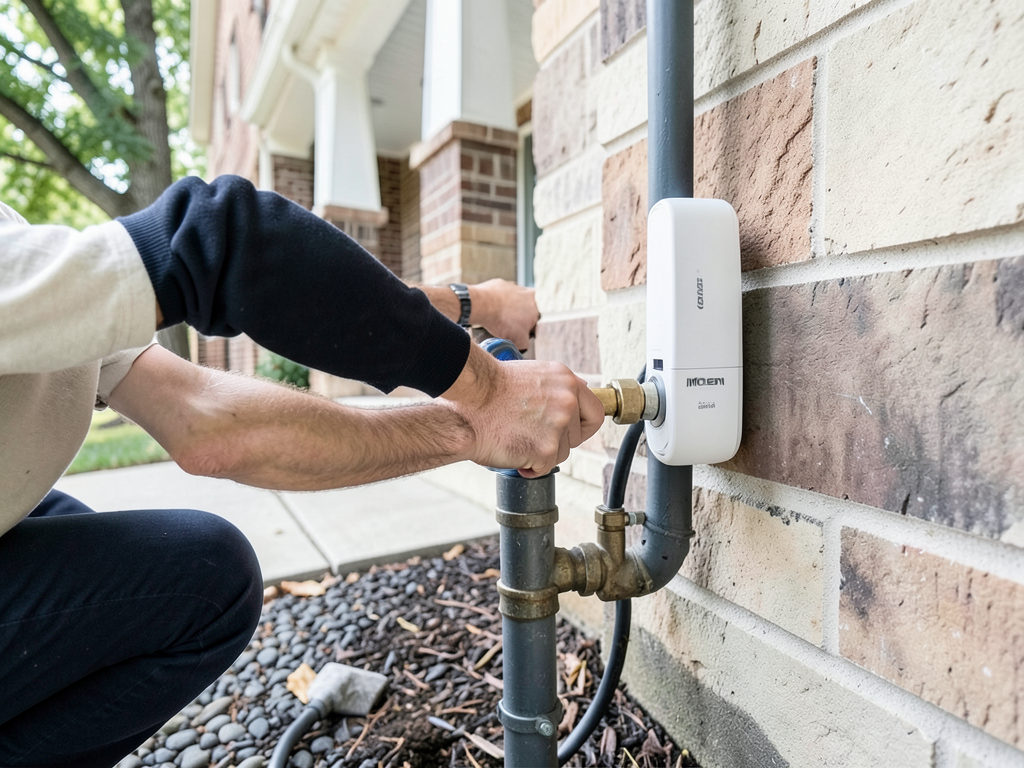
The Best Smart Leak Detectors to Prevent Water Damage in Ballantyne Water damage strikes Ballantyne…
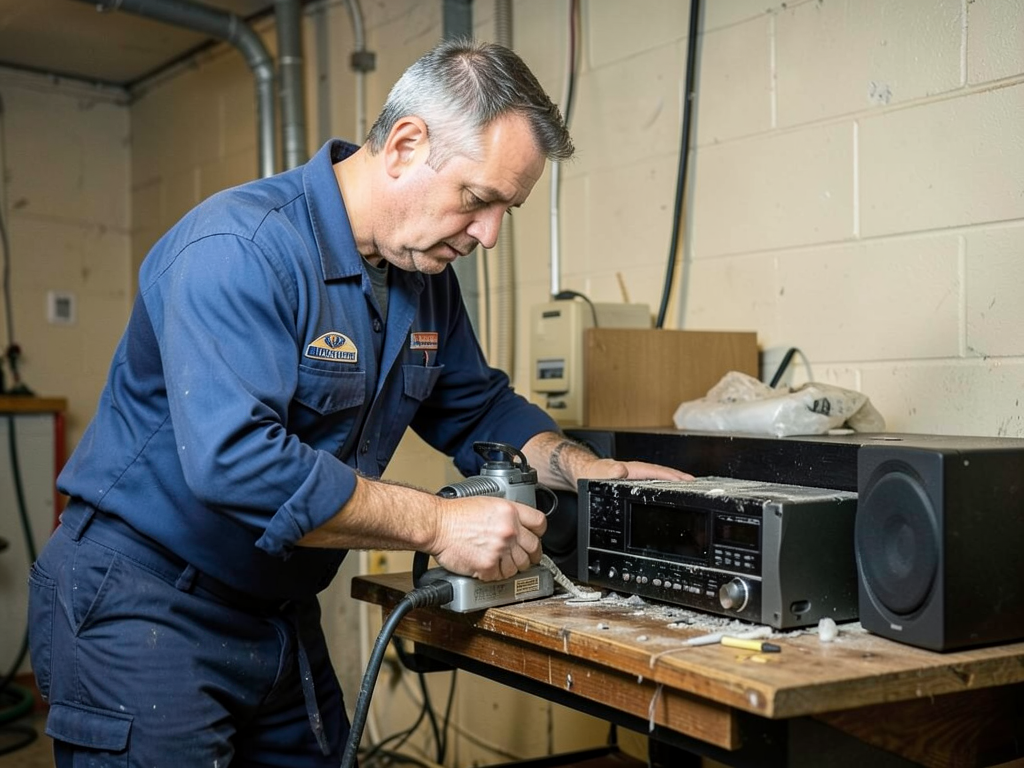
Safeguarding Expensive Home Theater Gear from Water Damage in Myers Park Myers Park’s stately homes…
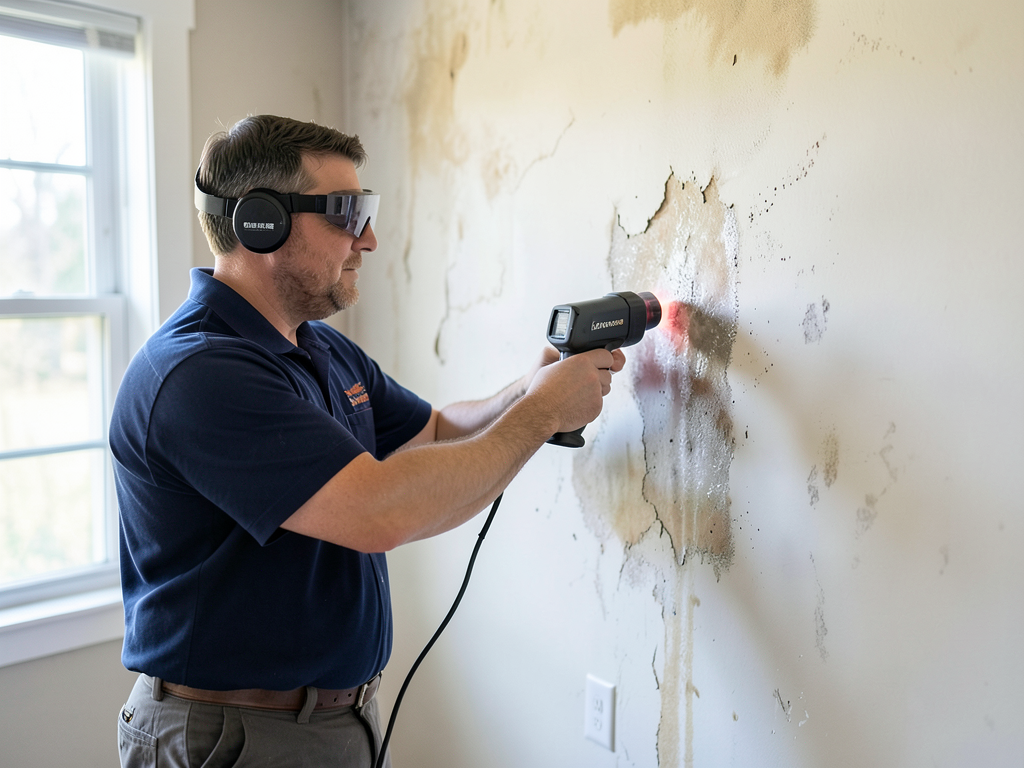
Common Health Symptoms That Might Point to Hidden Water Damage in Your Home Water damage…
Every minute counts when water is damaging your Rock Hill property. Our crews respond within 60 minutes with professional extraction and drying equipment. Call (980) 342-9955 now for immediate dispatch. We are available 24/7 for water damage emergencies throughout York County.