




Mint Hill sits in the transition zone between Charlotte's urban core and Union County's rural expanses, creating specific water damage vulnerabilities most restoration companies overlook. The red clay soil common throughout Mint Hill and neighboring areas like Fairview and Matthews doesn't absorb water efficiently. When heavy rains hit, water pools around foundations rather than draining away, seeping into crawl spaces and basements in neighborhoods like Pleasant Grove and Wilgrove Mint Hill.
The area's aging housing stock compounds the problem. Many homes near Lawyers Road and along Highway 51 were built in the 1970s and 1980s with original plumbing, HVAC systems, and water heaters now reaching failure points. Cast iron drain pipes corrode from the inside out. Polybutylene supply lines become brittle. Water heaters leak without warning.
Mint Hill's humid subtropical climate creates another challenge. Summer humidity regularly exceeds 70 percent, and temperatures swing dramatically between seasons. These conditions accelerate mold growth after water events. Without proper drying and dehumidification within 24 to 48 hours, mold colonizes drywall, insulation, and wooden framing. The same humidity that makes Mint Hill's trees flourish turns water-damaged homes into breeding grounds for microbial growth that threatens structural integrity and indoor air quality.
We built our reputation in Mint Hill by showing up when other companies send you to voicemail. Our dispatch center operates around the clock with technicians staged throughout the Charlotte metro area. When you call at 2 AM because a washing machine hose burst, we answer. When a weekend storm floods your finished basement, we mobilize. Other restoration companies make you wait until Monday morning. We arrive within an hour, any day, any time.
Our technicians carry IICRC certifications in water damage restoration and applied structural drying. These aren't just letters on a website. They represent hundreds of hours of training in moisture detection, psychrometry, and proper drying protocols. We don't guess about moisture levels. We use thermal imaging cameras and moisture meters to find hidden water in wall cavities and under flooring. We calculate the exact number of air movers and dehumidifiers needed based on the affected area's cubic footage and material composition.
Insurance coordination sets us apart from competitors who leave you handling paperwork during a crisis. We document everything with detailed photos, moisture readings, and equipment logs that satisfy adjusters' requirements. We provide estimates in the format your insurance company expects. Most claims we handle in Mint Hill close without dispute because we speak the language insurance companies understand and provide the documentation they require. You get one main contact who manages your entire claim from emergency response through final reconstruction.
We maintain our equipment instead of renting it. Our truck-mounted extraction units remove standing water faster than portable shop vacs. Our commercial-grade dehumidifiers process 150 pints per day, not the 50-pint residential units some companies use. Faster water removal and more aggressive drying mean less secondary damage, lower restoration costs, and quicker return to normal life.

We dispatch crews to Mint Hill water emergencies within one hour, 24 hours a day. Our rapid response stops water from spreading to unaffected areas, reduces structural damage, and prevents mold growth. When minutes matter, we're already on the road while other companies are returning phone calls.

We handle your insurance claim from documentation through settlement. Our staff communicates directly with adjusters, provides required estimates in their preferred format, and manages all paperwork. You won't spend hours on the phone with your insurance company or wonder if your claim will be approved.
Every technician on our crews holds current IICRC certification in water damage restoration and applied structural drying. We follow industry-standard protocols for moisture detection, water extraction, and structural drying. Our work meets the requirements insurance companies and industrial hygienists expect for proper water damage remediation.
We know Mint Hill's soil conditions, housing construction methods, and climate challenges because we work here every day. We understand how water behaves in homes near McEwen Road versus properties in Providence Downs. Local knowledge means faster diagnosis, better solutions, and fewer surprises during restoration.
Water damage requires different responses depending on the source, contamination level, and affected materials. A clean water leak from a supply line demands different protocols than sewage backup in a basement. Cornerstone Water Damage Restoration Charlotte provides the full spectrum of water damage mitigation, structural drying, and reconstruction services Mint Hill properties need.
Our emergency response capabilities include standing water extraction, sewage cleanup, emergency board-up, and temporary roof tarping to stop additional water intrusion. We follow this with controlled structural drying using commercial dehumidifiers, air movers, and specialty equipment like floor drying mats and wall cavity drying systems. Once structures reach proper moisture levels, our reconstruction teams rebuild damaged areas from framing through final finishes.
We handle residential and commercial water damage across all categories. Category 1 clean water damage from supply line breaks receives immediate extraction and drying. Category 2 grey water from washing machines or dishwashers requires antimicrobial treatment in addition to drying. Category 3 black water from sewage backups or flood water demands full contamination protocols including safe removal of porous materials, thorough disinfection, and proper disposal of contaminated debris. Every job receives the appropriate response based on water source and contamination level, not a one-size-fits-all approach that either under-treats dangerous situations or over-treats simple leaks.
When water damage strikes your Mint Hill property, immediate action prevents extensive secondary damage. Our emergency mitigation services include rapid water extraction using truck-mounted pumps, emergency board-up for broken windows or walls, roof tarping for storm damage, and content pack-out to protect salvageable belongings. We contain the affected area to prevent water migration, document all damage for insurance purposes, and stabilize your property within hours of your call. This immediate response is the difference between a manageable restoration and catastrophic loss.
Removing standing water is just the first step. Materials like drywall, insulation, framing lumber, and subfloors absorb moisture that must be removed through controlled drying. We deploy commercial-grade dehumidifiers and air movers strategically positioned based on psychrometric calculations and moisture mapping. Our technicians monitor progress daily with thermal imaging and moisture meters, adjusting equipment placement and airflow patterns to achieve optimal drying. We continue drying until all materials reach acceptable moisture content levels verified by testing, not guesswork.
After drying completes, damaged materials need replacement and your property needs rebuilding. Our reconstruction division handles everything from selective demolition of unsalvageable materials through complete rebuild. We replace drywall, insulation, flooring, baseboards, cabinets, and fixtures. We match existing finishes, paint colors, and architectural details so restored areas blend seamlessly with unaffected spaces. One company manages your entire restoration from water removal through final walk-through, eliminating coordination headaches and ensuring accountability at every phase.
Mint Hill's combination of aging infrastructure, clay soil, and humid climate creates predictable water damage patterns we see throughout the area. Understanding these common problems helps property owners recognize warning signs before minor issues become major disasters. Many water damage events we respond to in neighborhoods from Fairview Road to Providence Downs could have been prevented or minimized with early intervention.
The red clay soil throughout Mint Hill expands when wet and contracts when dry, creating constant pressure on foundations and causing settlement cracks. These cracks allow groundwater infiltration during heavy rains. Poor lot grading around older homes near Lawyers Road sends water toward foundations instead of away. Gutters clog with pine needles and debris, causing overflow that saturates soil near foundations. French drains and sump pumps installed decades ago fail without warning.
Inside Mint Hill homes, original plumbing systems installed in the 1970s and 1980s reach the end of their service life. We respond regularly to supply line failures, water heater leaks, and corroded drain pipes. HVAC condensate drains clog and overflow into ceilings. Washing machine hoses burst. Toilet supply lines crack. These predictable failures happen suddenly but leave evidence homeowners can spot during routine maintenance checks.
Clay soil around Mint Hill foundations swells during wet periods and shrinks during dry spells, creating cracks that allow groundwater seepage. Poor grading and failed drainage systems compound the problem. We extract water from crawl spaces and basements, dry structural elements, and coordinate with foundation specialists when necessary to prevent recurring problems.
Aging copper pipes, corroded galvanized lines, and deteriorating polybutylene plumbing fail without warning in older Mint Hill homes. A pinhole leak behind a wall or under a slab can release hundreds of gallons before detection. Supply line bursts flood rooms within minutes. We respond immediately to extract water and dry hidden moisture in wall cavities and subfloors.
Water heaters in Mint Hill homes typically last 8 to 12 years before internal corrosion causes leaks or catastrophic failures. A failed water heater can release 40 to 50 gallons of water that spreads rapidly across floors and into adjacent rooms. We extract water quickly, remove damaged flooring and drywall, and dry structural components before mold develops.
Summer thunderstorms and occasional hurricanes bring heavy rain and wind to Mint Hill. Damaged shingles, failed flashing, and clogged gutters allow water intrusion that saturates attic insulation and leaks into living spaces. We tarp damaged roofs to stop active leaks, extract standing water, and dry affected structures including attic decking and ceiling assemblies.
Water damage emergencies are stressful. You need clear information about what happens next, realistic timelines, and confidence that the company responding knows what they're doing. When you call Cornerstone Water Damage Restoration Charlotte, you get immediate answers and a structured response process designed to stabilize your property quickly and keep you informed at every step.
Our call center operates 24 hours a day with trained staff who gather essential information about your water damage situation. They dispatch the nearest available crew and provide an estimated arrival time. A project manager contacts you before the crew arrives to answer questions and explain the initial assessment process. When our technicians arrive, they perform a complete inspection with thermal imaging and moisture detection to map the full extent of water migration, including hidden moisture behind walls and under floors.
We explain findings in plain language, not technical jargon designed to confuse. You see the moisture readings and thermal images. We outline required services, estimated timelines, and insurance considerations before starting work. Our estimates detail exactly what we'll do, what equipment we'll use, and how long each phase takes. No surprises. No vague promises. Just clear information about what's required to properly restore your Mint Hill property.
You reach a real person when you call, not an answering service. We dispatch crews immediately and provide estimated arrival times. Your assigned project manager contacts you within minutes to gather additional details and answer initial questions. When technicians arrive, they explain assessment findings using thermal images and moisture readings you can see. We outline required services and timelines before starting work. You know exactly what's happening and why.
Water damage restoration takes days, not hours. We monitor drying progress daily with moisture meters and adjust equipment as needed. Your project manager provides daily updates on moisture levels, drying progress, and anticipated completion. We schedule reconstruction phases around your availability when possible. You're never wondering what's happening or when crews will arrive. Our technicians show up when scheduled and complete promised work on time.
We handle all insurance communication and documentation. Our detailed photo documentation, moisture logs, and equipment records satisfy adjuster requirements. We provide estimates in your insurance company's preferred format and discuss coverage directly with adjusters. Most claims we manage close without disputes because our documentation is thorough and our processes follow industry standards. You won't spend hours arguing with insurance companies or wondering if your claim will be paid.
Every water damage situation is different, but the restoration process follows a proven sequence designed to minimize damage, prevent mold growth, and return your property to pre-loss condition efficiently.
When you call our 24-hour emergency line, we dispatch a crew to your Mint Hill property within 60 minutes. Technicians perform a complete inspection using thermal imaging cameras and moisture meters to map water migration and identify all affected areas including hidden moisture. We document damage with photos and detailed notes for insurance purposes. You receive a clear explanation of required services and a written estimate before we start work.
We extract standing water immediately using truck-mounted pumps and portable extraction units. Technicians position commercial dehumidifiers and air movers based on psychrometric calculations specific to your property's affected area. We monitor moisture levels daily, adjusting equipment placement and settings to achieve optimal drying. Antimicrobial treatments prevent microbial growth on affected surfaces. Drying continues until all materials reach acceptable moisture content verified by testing.
Once drying completes, our reconstruction team removes unsalvageable materials and rebuilds damaged areas. We replace drywall, insulation, flooring, baseboards, and fixtures. Painters match existing colors and finishes. We clean the entire affected area and perform a final walk-through with you to ensure satisfaction. Your property is restored to pre-loss condition, often with upgrades to prevent future water damage.
Professional water damage restoration follows science-based protocols developed by the Institute of Inspection, Cleaning and Restoration Certification. These standards exist because improper drying creates long-term problems that surface months or years after the initial water event. Cornerstone Water Damage Restoration Charlotte follows IICRC S500 standards for water damage restoration and S520 standards for mold remediation when microbial growth is present.
Water damage is classified into three categories based on contamination level. Category 1 clean water comes from broken supply lines, leaking faucets, or rainwater that hasn't contacted contaminants. Category 2 grey water contains some contamination from sources like washing machines, dishwashers, or toilet overflow with urine but no feces. Category 3 black water is highly contaminated from sewage, flooding rivers or streams, or standing water that has begun microbial growth. Each category requires different handling protocols. Black water demands removal of porous materials like drywall, insulation, and carpet that cannot be adequately disinfected.
Affected materials are classified by their porosity and ability to dry. Class 1 damage affects materials with low porosity or minimal absorption like concrete or vinyl flooring. Class 2 involves materials with significant absorption like carpet and pad, drywall up to 24 inches, or structural wood. Class 3 affects highly porous materials or water coming from overhead affecting walls, ceilings, insulation, and subfloors. Class 4 requires specialty drying for materials like hardwood, plaster, and concrete that dry slowly and need advanced techniques.
Proper drying follows psychrometric principles that account for temperature, humidity, and airflow. We don't just set up equipment and hope for the best. We calculate grain depression, which measures the difference between the moisture content of the air and the maximum moisture the air can hold at current temperature. Higher grain depression means faster drying. We manipulate temperature and humidity with dehumidifiers and control airflow with air movers positioned at specific angles to create optimal conditions for moisture evaporation from affected materials.
Drying goals are defined by the IICRC standard. Materials must reach their pre-loss moisture content or industry-standard dry goals. For wood framing, that means 15 to 19 percent moisture content depending on climate and season. For concrete, it means less than 4 percent surface moisture content. We verify drying completion with calibrated moisture meters, not guesswork. Documentation includes daily moisture logs that track progress and prove to insurance adjusters that proper drying procedures were followed.
Water damage is classified by contamination level from Category 1 clean water through Category 3 black water. Affected materials are classified from Class 1 minimal absorption through Class 4 specialty drying. These classifications determine appropriate extraction methods, required antimicrobial treatments, necessary material removal, and drying protocols. Proper classification ensures the right response for each situation.
Restoration costs depend on water category, affected square footage, damaged material types, and drying duration. Black water contamination requires removal of porous materials and extensive disinfection. Hardwood floors and plaster require specialty drying equipment. Larger affected areas need more dehumidifiers and air movers. Most insurance policies cover sudden and accidental water damage including restoration costs and temporary living expenses during repairs.
Standard drying takes three to five days depending on affected materials, weather conditions, and extent of water intrusion. Concrete and hardwood require longer drying periods, sometimes seven to ten days. We monitor moisture daily and continue drying until materials reach acceptable levels verified by testing. Rushed drying leaves moisture trapped in structures, causing mold growth and material deterioration months later.
Insurance companies require detailed documentation including loss photos, moisture readings, equipment logs, and daily progress notes. We provide documentation in industry-standard formats adjusters recognize. Our estimates follow Xactimate pricing that insurance companies use nationwide. Complete documentation and proper classification prevent claim disputes and speed settlement so you receive payment without unnecessary delays or coverage denials.
Cornerstone Water Damage Restoration Charlotte serves the entire Mint Hill area from established neighborhoods along Lawyers Road to newer developments near Providence Downs and everywhere in between. We respond to water emergencies throughout the region including Fairview, Stallings, Matthews, and eastern Charlotte neighborhoods that border Mint Hill.
Our technicians know the distinct characteristics of Mint Hill's different areas. Older homes in the Wilgrove Mint Hill corridor near Highway 51 often face plumbing failures from aging infrastructure installed when these neighborhoods were first developed in the 1970s. Properties in this area sit on lots with mature trees whose roots sometimes infiltrate sewer lines and compromise foundation drainage. We've dried hundreds of crawl spaces and basements in these neighborhoods where clay soil and poor grading create recurring moisture problems.
Newer construction in Providence Downs and developments near Mint Hill Village present different challenges. Modern building techniques and better drainage design reduce some water damage risks, but rapid construction sometimes means improper HVAC installation that leads to condensate drain failures. We see supply line failures in newer homes from improper plumbing installation or defective fixtures. Townhomes and condos in these areas require coordination with HOAs and management companies, which we handle routinely.
The area around Pleasant Grove Road and near McEwen Road includes a mix of property types from modest ranch homes to larger custom builds. Topography varies significantly in this part of Mint Hill, with some properties on hillsides that drain well and others in lower areas where water naturally collects during storms. We account for these site-specific factors when developing water damage mitigation plans and recommending preventive improvements.
Commercial properties along Highway 51 and Lawyers Road present unique restoration challenges. Retail spaces, medical offices, and professional buildings require rapid restoration to minimize business interruption. We schedule work around operating hours when possible and move quickly to return commercial spaces to functionality. Our crews understand that downtime costs business owners money, so we prioritize speed without sacrificing quality.
Whether your property sits in established Mint Hill neighborhoods or newer subdivisions pushing toward the Union County line, we understand the local factors that contribute to water damage and how to address them effectively. Our response times are consistent across the entire Mint Hill area because we stage equipment and crews strategically throughout Charlotte and surrounding communities.
Cornerstone is proud to serve Charlotte and the surrounding areas, providing rapid and reliable water damage restoration services when you need them most. Our commitment extends to ensuring properties across our service region receive expert care. You can find our main office located conveniently, allowing us to quickly dispatch our teams to your location and address your water damage emergencies with efficiency and professionalism. We are always ready to assist you.
Address:
Mint Hill, NC, 28227

Using Thermal Imaging to See Through Walls for Hidden Leaks in Wesley Heights Hidden water leaks can cause thousands of dollars in damage before you ever see a drop. In Wesley Heights, where many homes…
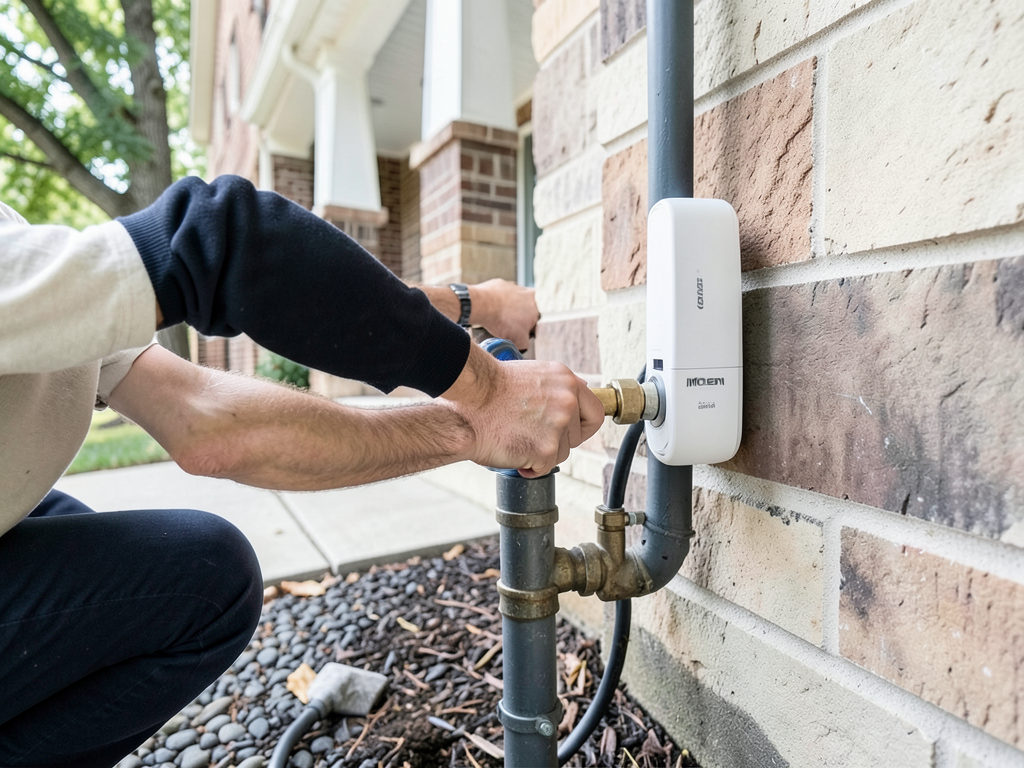
The Best Smart Leak Detectors to Prevent Water Damage in Ballantyne Water damage strikes Ballantyne…
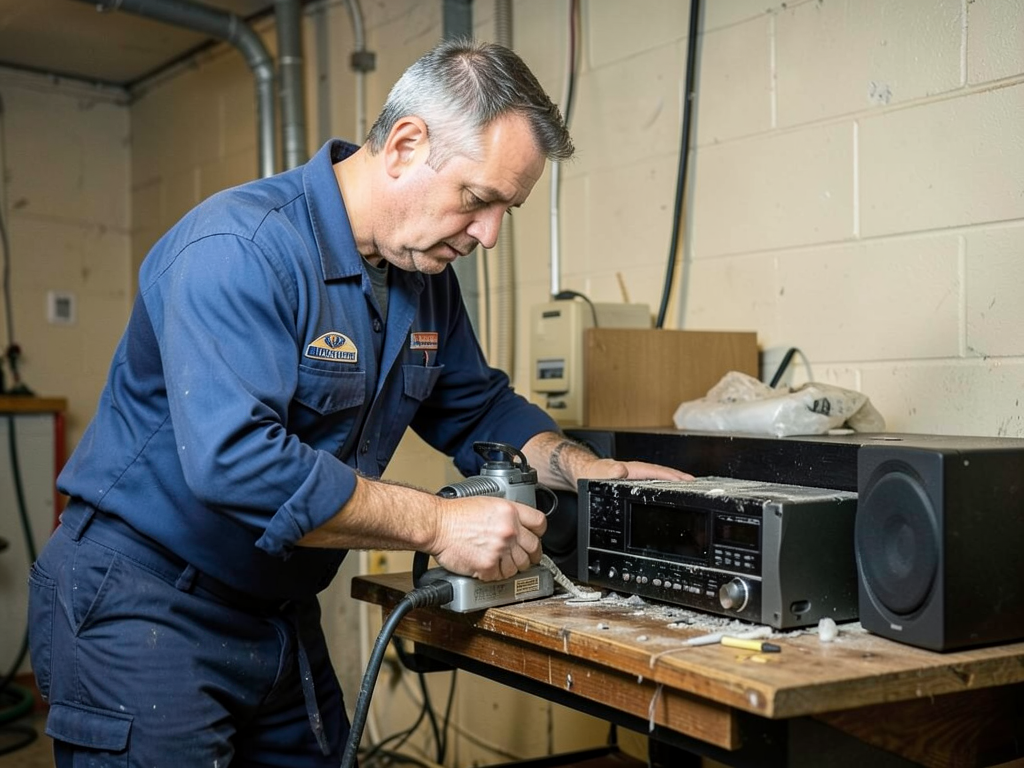
Safeguarding Expensive Home Theater Gear from Water Damage in Myers Park Myers Park’s stately homes…
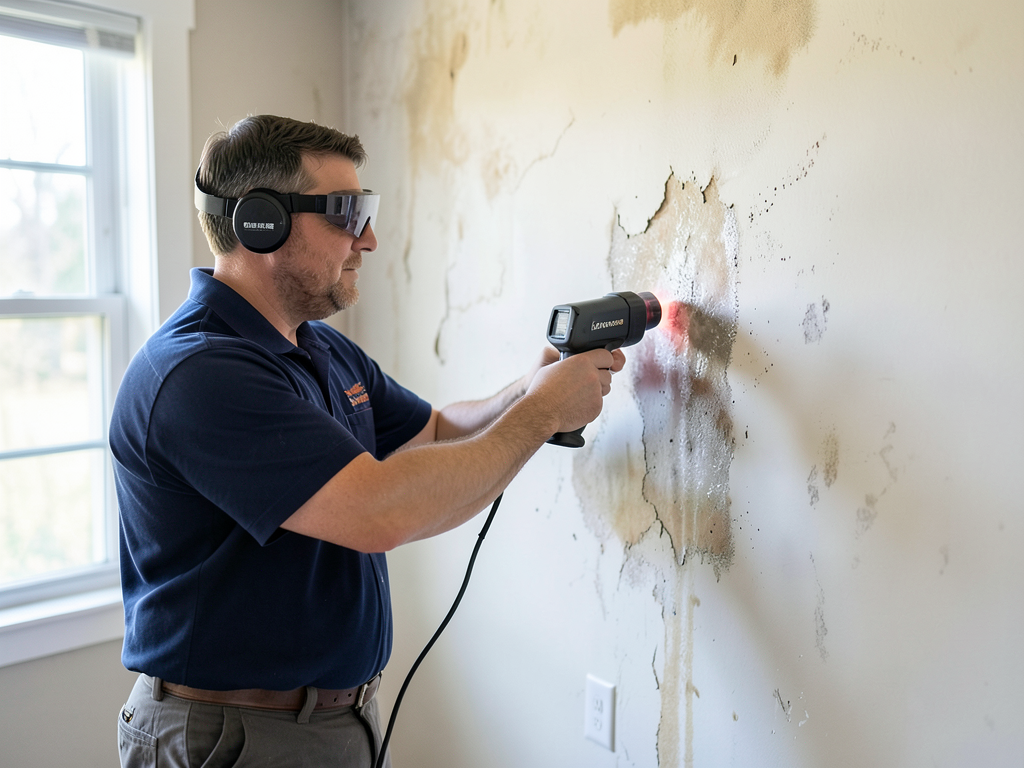
Common Health Symptoms That Might Point to Hidden Water Damage in Your Home Water damage…
Water damage gets worse every hour. Call Cornerstone Water Damage Restoration Charlotte now at (980) 342-9955 for immediate dispatch to your Mint Hill property. Our crews respond 24/7 with the equipment and expertise to stop damage, extract water, and start the drying process. Don't wait. Call now.