




Indian Trail sits in Union County where clay soil creates drainage nightmares. Heavy rains pool against foundations because the dense red clay prevents proper absorption. Water finds cracks, seeps into crawlspaces, and floods basements throughout neighborhoods near Crooked Creek and along Old Monroe Road.
Summer thunderstorms dump inches of rain in minutes. Roof valleys overflow, gutters fail, and water pours into attics. The area's aging HVAC systems in homes built during Indian Trail's 1990s and 2000s growth boom develop condensation line clogs that flood interior walls without warning.
Freezing temperatures hit Indian Trail several times each winter. Pipes in exterior walls and crawlspaces burst when temperatures drop below 28 degrees overnight. Subdivisions near Unionville-Indian Trail Road see repeated freeze damage because builders didn't insulate plumbing for cold snaps.
Lake levels fluctuate at nearby Goose Creek. Spring runoff raises water tables, pushing groundwater through foundation cracks in lower-lying areas around Indian Trail Fairview Road. Sump pumps fail during power outages from summer storms, flooding finished basements in minutes. Indian Trail's combination of clay soil, storm intensity, aging homes, and freeze-thaw cycles creates perfect conditions for water damage events year-round.
Cornerstone Water Damage Restoration Charlotte operates 24 hours a day because water damage doesn't respect business hours. We maintain rapid response teams dedicated to Union County, with equipment staged for immediate deployment to Indian Trail. When you call at 2 AM because a pipe burst or your sump pump failed, our crew arrives in under 90 minutes with truck-mounted extractors, industrial dehumidifiers, and thermal imaging cameras.
We've restored hundreds of Indian Trail properties since establishing our Charlotte metro presence. Our technicians know the clay soil drainage patterns, the common failure points in homes built during different decades, and the insurance claim processes specific to North Carolina carriers. We're not a national franchise reading from scripts. We're water damage specialists who understand why certain neighborhoods flood repeatedly and how to prevent recurrence.
Our insurance coordination eliminates your stress. We document damage with detailed photos, moisture readings, and thermal scans. We communicate directly with adjusters, provide accurate estimates, and advocate for complete coverage. Most Indian Trail homeowners never write a check because we bill insurance directly after securing your approval.
We use IICRC-certified techniques and commercial-grade equipment that consumer rentals can't match. Our truck-mounted extractors remove water faster than shop-vacs. Our desiccant dehumidifiers dry structures in days, not weeks. We verify complete dryness with moisture meters before rebuilding, preventing hidden mold growth that surfaces months later. Indian Trail families trust us because we stop damage fast, restore completely, and eliminate future problems.

Our crews deploy from Charlotte metro staging locations within 90 minutes of your call, any time day or night. We arrive with truck-mounted extraction equipment, commercial dehumidifiers, and moisture detection technology ready to stop water damage immediately. Fast response prevents secondary damage that multiplies restoration costs.

We handle complete insurance coordination from documentation through final payment. Our detailed damage reports include thermal imaging, moisture readings, and photographic evidence that adjusters accept without dispute. Most Indian Trail clients never pay out-of-pocket because we bill carriers directly after securing your approval on scope.
Every technician holds Institute of Inspection, Cleaning and Restoration Certification for water damage restoration. We follow ANSI/IICRC S500 standards for structural drying, use calibrated moisture meters to verify complete dryness, and apply antimicrobial treatments to prevent mold growth. Certified expertise prevents costly mistakes that create future problems.
We've restored Indian Trail homes through every type of water event from burst pipes to storm flooding. Our crews understand local clay soil drainage, common failure points in area construction styles, and North Carolina building codes for reconstruction. Local expertise means faster, more complete restoration tailored to your property's specific challenges.
Cornerstone Water Damage Restoration Charlotte handles every category of water intrusion, from clean water supply line failures to contaminated floodwater events. Our service range covers immediate emergency response through complete reconstruction because water damage requires coordinated expertise across multiple restoration phases.
We provide 24-hour emergency water removal services that stop active damage. Our structural drying protocols eliminate hidden moisture that causes mold growth and wood rot. Our reconstruction teams rebuild what water destroyed, from drywall and flooring to custom cabinetry and trim work.
Indian Trail properties face different water challenges depending on the source, contamination level, and affected materials. A burst washing machine hose requires different treatment than sewage backup or storm flooding. We categorize water damage by industry standards, deploy appropriate equipment and techniques, and restore your property to pre-loss condition regardless of damage severity. Our comprehensive service approach means one company handles your entire restoration from emergency call through final reconstruction.
Our 24-hour emergency crews respond within 90 minutes to extract standing water and stop ongoing damage. We deploy truck-mounted extractors that remove thousands of gallons per hour, far exceeding consumer wet-vacs. Immediate water removal prevents subfloor saturation, wall wicking, and secondary damage that multiplies restoration costs. We relocate furniture to dry areas, remove soaked materials, and begin structural drying protocols the same day you call.
We use industrial dehumidifiers, air movers, and heat systems to eliminate moisture trapped in walls, subfloors, and cavities. Our technicians monitor drying progress with calibrated moisture meters, taking daily readings until materials reach acceptable levels per IICRC standards. We create controlled drying environments that prevent mold growth, wood warping, and structural damage. Complete structural drying takes three to seven days depending on saturation levels and building materials.
After structures dry completely, our reconstruction teams rebuild damaged areas to match existing finishes. We replace drywall, install flooring, rebuild cabinetry, and restore trim work. Our crews match paint colors, replicate textures, and source discontinued materials so repairs blend invisibly with undamaged areas. We handle everything from minor drywall patches to complete room rebuilds, eliminating the need to coordinate multiple contractors during an already stressful situation.
Indian Trail's rapid growth over the past two decades created housing stock with varying construction quality and aging infrastructure. Homes built during the building boom now face plumbing failures, appliance malfunctions, and storm vulnerability. The area's clay soil and storm patterns compound these issues.
We respond to burst pipes every winter when temperatures drop below freezing. Summer storms overwhelm gutters and drainage systems. Failed water heaters flood garages and utility rooms. HVAC condensation lines clog and overflow into walls. These problems occur across Indian Trail, but certain neighborhoods face recurring issues based on construction era, elevation, and proximity to waterways.
Understanding common damage scenarios helps homeowners recognize warning signs before small leaks become major disasters. Our emergency teams respond to these situations daily throughout Union County.
Indian Trail experiences multiple freeze nights each winter. Pipes in exterior walls, crawlspaces, and unheated garages burst when temperatures drop below 28 degrees. Water sprays for hours before homeowners discover the damage, flooding rooms and saturating insulation. We extract water, dry structures, and coordinate plumbing repairs to restore your home completely.
Heavy thunderstorms dump inches of rain in minutes during summer months. Overwhelmed gutters pour water against foundations, basement windows leak, and grading failures direct runoff into crawlspaces. Clay soil prevents drainage, creating standing water that seeps through foundation cracks. We pump out flooded areas, dry structures, and apply antimicrobial treatments to prevent mold growth.
Water heaters last 8 to 12 years before tanks corrode and rupture. Supply lines to washing machines, dishwashers, and refrigerators develop pinhole leaks or burst completely. These failures release 40 to 80 gallons of water that floods utility rooms, kitchens, and adjacent living spaces. We respond immediately to extract water and prevent damage spread throughout your home.
Summer storms knock out power to Indian Trail neighborhoods for hours. Sump pumps stop running while groundwater continues rising, flooding finished basements in subdivisions with high water tables. Battery backup systems fail without maintenance. We extract standing water, dry finished spaces and belongings, and restore basements to pre-flood condition including carpet, drywall, and furniture.
Water emergencies create panic and confusion. You're dealing with flooding, trying to protect belongings, and worried about costs. Our process eliminates uncertainty from the moment you call until we complete final reconstruction.
When you contact Cornerstone Water Damage Restoration Charlotte, you speak immediately with a trained specialist who asks targeted questions about your situation. We dispatch crews while you're still on the phone. Our technicians call when they're 10 minutes away so you can prepare access.
We assess damage thoroughly before starting work, explain what we'll do, and provide cost estimates for insurance purposes. You approve our scope before we begin. Throughout restoration, we communicate progress daily and adjust timelines as conditions change. Our goal is complete transparency so you understand what's happening and why at every phase of your water damage restoration.
Our call center operates 24 hours every day. You speak with a specialist immediately, not an answering service. We gather details about your water damage, provide initial guidance on stopping water flow, and dispatch the nearest crew within minutes. Our technicians call before arrival, wear identified uniforms, and drive clearly marked vehicles. You know who's coming and exactly when they'll arrive at your Indian Trail property.
Our crew chief inspects all affected areas using thermal imaging cameras and moisture meters. We trace water migration paths, identify hidden saturation, and explain damage extent in plain language. You receive a detailed scope of work with estimated timelines before we start restoration. We answer all questions about our process, equipment, and expected outcomes so you make informed decisions about your property.
Our project manager contacts you daily with drying progress reports, moisture readings, and timeline updates. We document conditions with photos and sensor data. If we discover additional damage or encounter delays, you know immediately. We don't surprise you with unexpected charges or timeline extensions. When structures reach acceptable dryness levels, we walk you through final readings before starting reconstruction work.
Water damage restoration follows a systematic progression from emergency response through structural drying to final reconstruction. Each phase requires specific expertise, equipment, and timelines. This standardized approach ensures complete restoration and prevents future problems.
Our crews arrive within 90 minutes equipped with truck-mounted extractors and portable pumps. We remove standing water immediately to prevent further absorption into building materials. Technicians relocate furniture to dry areas, remove soaked contents, and extract water from carpets, padding, and subfloors. We set up initial air movers and dehumidifiers to begin drying. Most extraction work completes within four to six hours depending on water volume.
We position industrial dehumidifiers and air movers to create controlled drying environments. Technicians take moisture readings twice daily using calibrated meters, tracking drying progress in walls, floors, and structural cavities. We adjust equipment placement and settings based on moisture levels. Antimicrobial treatments prevent mold growth during drying. This phase continues until all materials reach acceptable moisture content per IICRC standards, typically three to seven days.
After verifying complete dryness, our reconstruction teams rebuild damaged areas. We replace drywall, install new flooring, rebuild cabinetry, and restore all finishes. Our crews match existing materials and colors so repairs blend invisibly. We coordinate inspections if required and obtain final sign-offs. You walk through completed work before we close your project, ensuring complete satisfaction with every detail of your restored property.
Professional water damage restoration follows industry standards established by the Institute of Inspection, Cleaning and Restoration Certification. The ANSI/IICRC S500 Standard and Reference Guide for Professional Water Damage Restoration defines proper procedures, equipment requirements, and drying verification protocols.
Water damage falls into three categories based on contamination level. Category 1 involves clean water from supply lines or rainwater. Category 2 contains significant contamination from appliances, toilet overflow, or groundwater. Category 3 includes grossly contaminated water from sewage backups or flooding. Each category requires different handling procedures and safety protocols.
Building materials absorb water at different rates and require specific drying techniques. Hardwood floors need slow, controlled drying to prevent cupping and warping. Drywall wicks water vertically, requiring removal of saturated sections. Carpet padding holds water like a sponge and usually requires replacement. Understanding material science prevents damage during restoration.
We use psychrometry to create optimal drying conditions. By controlling temperature, humidity, and airflow, we accelerate evaporation while preventing secondary damage. Our commercial dehumidifiers remove moisture from air, while air movers increase surface evaporation rates. We measure ambient conditions and adjust equipment to maintain proper vapor pressure gradients.
Moisture measurement requires calibrated equipment and trained interpretation. We use both invasive pin meters that penetrate materials and non-invasive scanning meters that detect moisture through surfaces. Thermal imaging cameras identify hidden saturation invisible to visual inspection. We take readings at multiple depths and locations to map moisture extent accurately.
North Carolina doesn't require specific licensing for water damage restoration, but IICRC certification demonstrates professional competency. Our technicians complete rigorous training in water damage science, proper equipment operation, and health and safety protocols. This expertise separates professional restoration from inadequate attempts using consumer equipment.
The ANSI/IICRC S500 standard defines proper water damage restoration procedures including inspection protocols, moisture measurement techniques, equipment requirements, and drying verification methods. Our technicians hold Water Damage Restoration Technician certification demonstrating mastery of these standards. This training ensures we follow proven procedures that restore properties completely while preventing mold growth and structural damage.
Water damage restoration costs depend on water volume, contamination category, affected materials, and drying difficulty. Clean water from supply lines costs less to remediate than contaminated flood water requiring antimicrobial treatment and disposal protocols. Finished basements with multiple rooms require more equipment and labor than single-room events. Insurance typically covers sudden water damage from burst pipes or appliance failures but may exclude gradual leaks or flooding.
Structural drying takes three to seven days for most residential water damage events. Heavily saturated materials or humid conditions extend timelines. We monitor moisture levels twice daily and adjust equipment based on readings. Rushing the drying process by removing equipment prematurely leads to mold growth and structural problems. Complete dryness verified by moisture meters prevents future issues and ensures insurance coverage remains valid.
Mold spores exist everywhere but require moisture to grow. Professional water damage restoration eliminates moisture quickly enough to prevent mold colonization. We apply EPA-registered antimicrobial treatments to affected surfaces, maintain proper drying conditions, and verify complete dryness before reconstruction. Speed and thoroughness during the first 72 hours determines whether water damage becomes a mold problem requiring separate remediation.
Cornerstone Water Damage Restoration Charlotte serves all of Indian Trail and the greater Union County area. Our rapid response teams deploy throughout the region from our Charlotte metro staging locations, reaching any Indian Trail neighborhood within 90 minutes.
We respond regularly to water damage events in the established subdivisions along Unionville-Indian Trail Road, where homes built in the 1990s now face aging plumbing and appliance failures. The Chestnut Bend and Brookwood communities near Old Monroe Road call us for storm water intrusion problems during heavy rains. Their elevation and clay soil create drainage challenges that send water into crawlspaces and against foundations.
Properties in the Sun Valley area and along Indian Trail Fairview Road experience sump pump failures and groundwater intrusion during wet seasons. The lower-lying terrain raises water tables quickly after heavy rain. We've restored dozens of finished basements in these neighborhoods after power outages during storms knocked out sump pumps.
The newer developments near Crooked Creek Golf Club feature modern construction but face different water challenges. HVAC condensation line failures and supply line breaks occur in homes less than 10 years old. We respond to these sudden flooding events with immediate water extraction and structural drying to minimize damage to new finishes and expensive flooring.
Indian Trail's proximity to Matthews and Stallings means we also serve residents in adjacent communities. Our service area extends throughout Union County including Weddington, Wesley Chapel, and Waxhaw. We maintain the same rapid response times and quality standards regardless of your specific location within the region.
We understand the geographic variations across Indian Trail. Homes near Highway 74 face different water damage risks than properties closer to Twelve Mile Creek. Our crews know which neighborhoods flood during storms, where freeze damage occurs most frequently, and how construction styles in different subdivisions affect restoration approaches. This local knowledge speeds our response and improves restoration outcomes for your specific property location.
Cornerstone is proud to serve Charlotte and the surrounding areas, providing rapid and reliable water damage restoration services when you need them most. Our commitment extends to ensuring properties across our service region receive expert care. You can find our main office located conveniently, allowing us to quickly dispatch our teams to your location and address your water damage emergencies with efficiency and professionalism. We are always ready to assist you.
Address:
Indian Trail, NC, 28079

Using Thermal Imaging to See Through Walls for Hidden Leaks in Wesley Heights Hidden water leaks can cause thousands of dollars in damage before you ever see a drop. In Wesley Heights, where many homes…
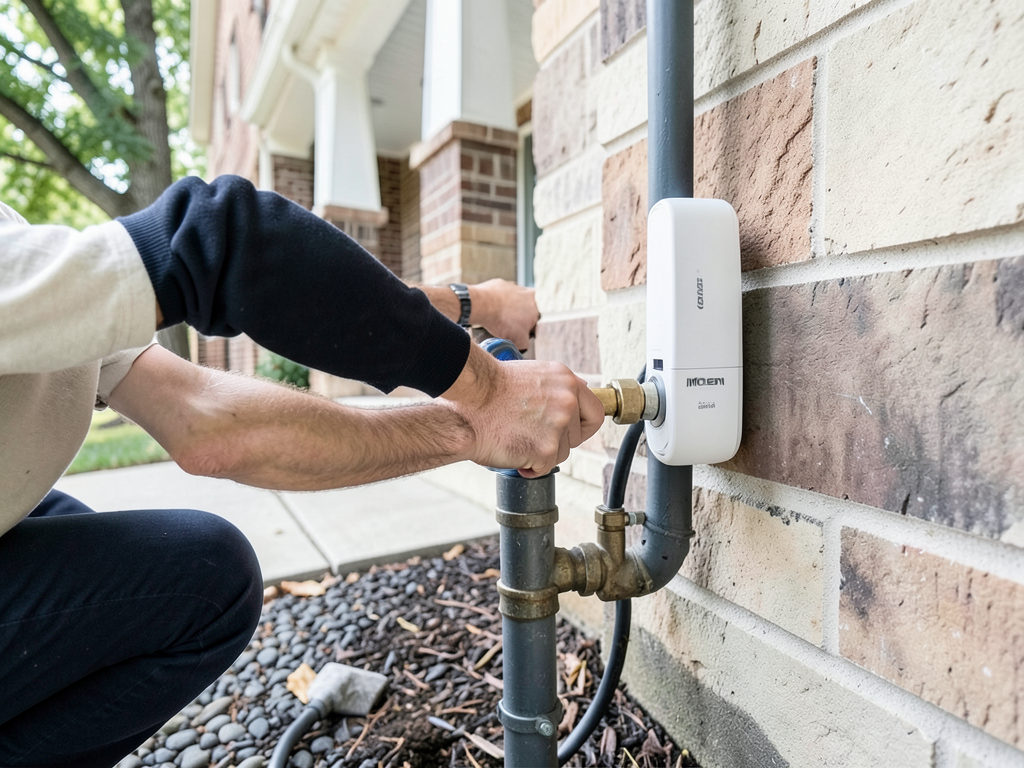
The Best Smart Leak Detectors to Prevent Water Damage in Ballantyne Water damage strikes Ballantyne…
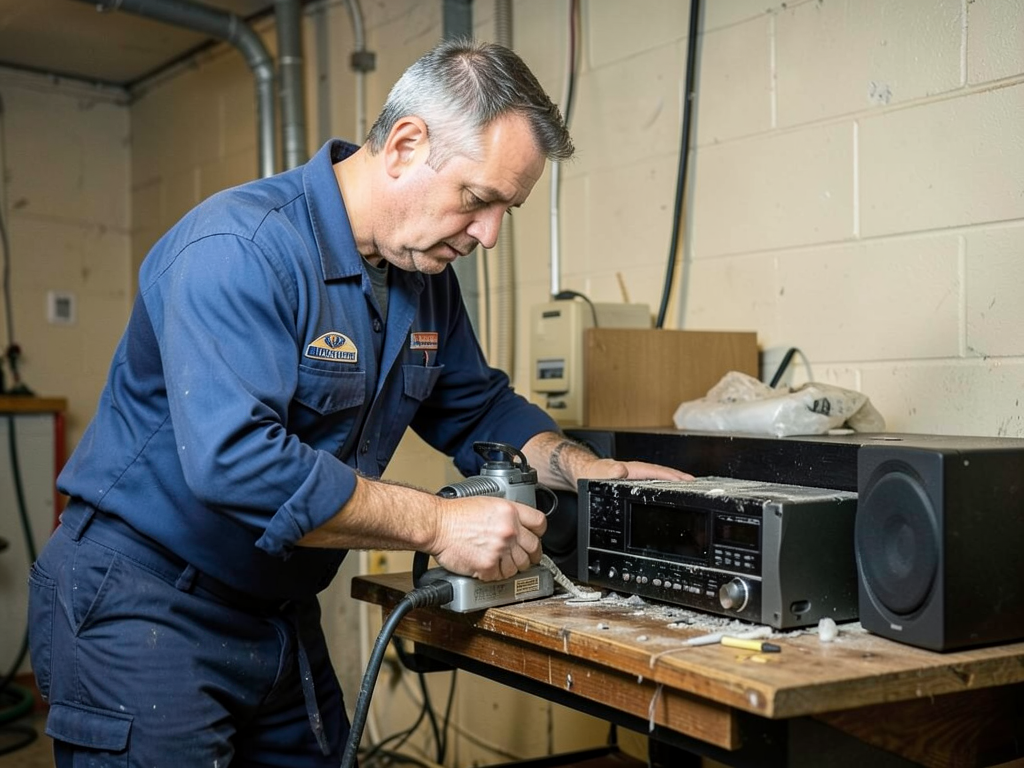
Safeguarding Expensive Home Theater Gear from Water Damage in Myers Park Myers Park’s stately homes…
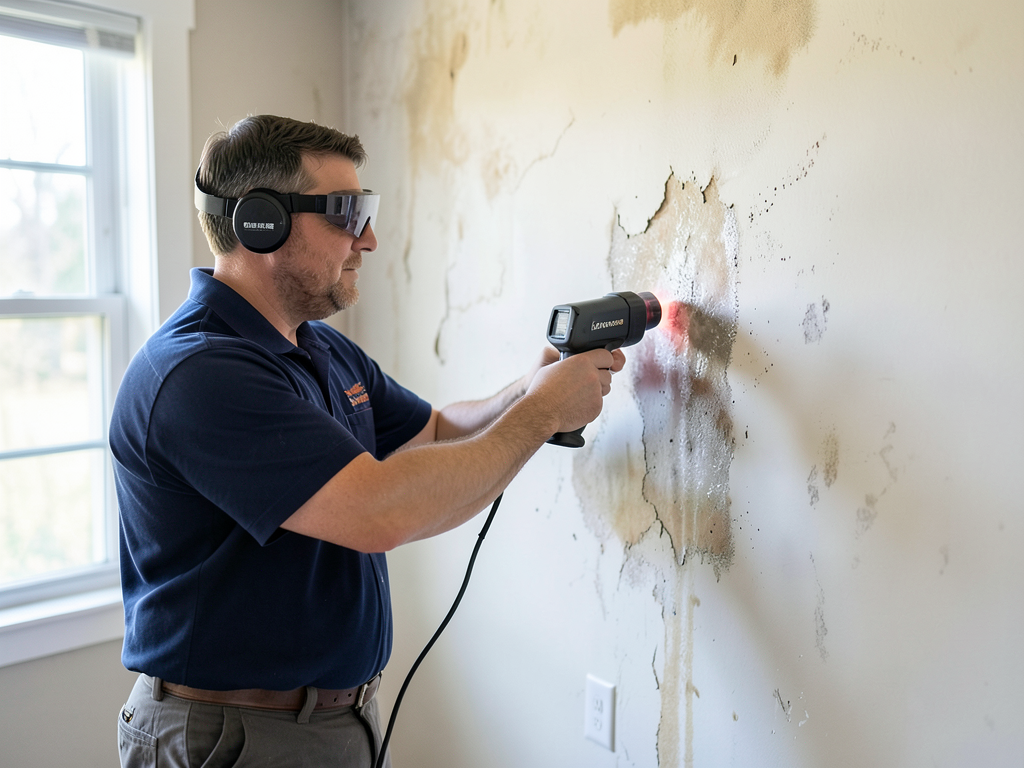
Common Health Symptoms That Might Point to Hidden Water Damage in Your Home Water damage…
Water damage gets worse every minute. Our crews deploy within 90 minutes to stop flooding and start restoration. Call Cornerstone Water Damage Restoration Charlotte now at (980) 342-9955. We answer 24 hours a day, work directly with insurance, and restore your property completely.