




Huntersville sits in the Lake Norman basin where groundwater levels stay high year-round. Homes near Blythe Landing and Ramsey Creek face constant pressure from saturated clay soil that pushes moisture through foundation walls. Summer thunderstorms drop two inches of rain in 30 minutes, overwhelming gutters and flooding crawl spaces in neighborhoods like Vermillion and Gilead Ridge.
The transition between Mecklenburg County and Iredell County creates unique drainage challenges. Properties near Highway 73 and Northcross Center flood when storm systems stall over the lake. Older homes in historic Huntersville lack modern waterproofing, letting water seep through basement walls during heavy rain.
HVAC systems in attics condensate more in our humid climate, causing slow leaks that rot ceiling joists before homeowners notice brown stains. Water heaters in garage installations burst when winter temperatures drop below freezing for three consecutive nights. Washing machine supply lines fail in second-floor laundry rooms, sending 400 gallons through floors before shutoff valves get turned.
These aren't rare events in Huntersville. Water damage happens daily across subdivisions from Wynfield to Oak Hills because our geography, weather patterns, and housing stock create perfect conditions for flooding, leaks, and moisture intrusion. Quick response prevents a wet floor from becoming a gutted house.
We've extracted water from 2,400 Huntersville homes since opening our Lake Norman operation. Our dispatch center runs 24 hours because water damage starts at 2am when pipes burst or storms hit. You call, we roll. Our truck parks in your driveway within an hour, not tomorrow morning.
Cornerstone owns our extraction equipment instead of renting it. That means our crews bring truck-mounted pumps that pull 200 gallons per minute, plus enough air movers and dehumidifiers to dry a 3,000 square foot house completely. We don't wait for rental companies to deliver fans the next day while your hardwood floors buckle.
Our technicians hold IICRC Water Damage Restoration certification and complete ongoing training in moisture detection, structural drying, and antimicrobial treatment. They know how to find hidden water in wall cavities using thermal cameras and moisture meters. They understand vapor barriers, drying times, and when to remove drywall versus when it can be saved.
We coordinate directly with every major insurance carrier servicing Huntersville. Our estimators document damage with detailed photos, moisture readings, and EPA-approved protocols your adjuster needs to approve your claim fast. Most customers pay only their deductible because we handle the paperwork, the follow-up, and the negotiations.
Other companies show up with a shop-vac and a handshake. We show up with commercial equipment, certified training, and a process proven across thousands of Lake Norman water damage calls. That's why property managers, insurance agents, and homeowners call us first when water shows up where it doesn't belong.

Our dispatch sends the closest crew to your Huntersville property within one hour of your call. Every minute water sits on floors increases damage exponentially. We bring truck-mounted extraction equipment and start pulling water immediately, not after a consultation appointment tomorrow. Speed stops small problems from becoming total losses.

We work with your insurance company from first call to final payment. Our team documents every water source, affected material, and moisture reading using protocols adjusters require. Most homeowners pay only their deductible while we handle authorization, documentation, and billing directly with carriers. No surprise bills six weeks later.
Every technician on our crews holds current Water Damage Restoration certification from the Institute of Inspection Cleaning and Restoration. They've completed hands-on training in moisture detection, structural drying, microbial remediation, and safety protocols. Your water emergency gets handled by professionals who understand building science, not general laborers with rented fans.
We've dried homes across every Huntersville neighborhood from Blythe to Gilead. Our crews understand how Lake Norman humidity affects drying times, which subdivisions have high groundwater, and how clay soil impacts basement flooding. Local experience means faster diagnosis, better solutions, and drying protocols matched to your specific property conditions.
Water damage restoration requires three distinct phases executed in sequence. Emergency water removal stops active flooding and extracts standing water within hours. Structural drying uses industrial equipment to pull moisture from materials before mold grows. Restoration rebuilds damaged areas to pre-loss condition after everything dries completely.
Cornerstone handles all three phases in-house. You don't coordinate between an extraction company, a drying company, and a rebuilding contractor. One team manages your entire claim from the first emergency call through final walkthrough. Our project managers track moisture levels daily, communicate progress to your insurance adjuster, and ensure your home returns to normal as fast as physics allows.
We separate services into emergency response, mitigation, and reconstruction because each requires different equipment, expertise, and timelines. Emergency response happens immediately with extraction and source control. Mitigation takes three to seven days using dehumidifiers and air movers. Reconstruction starts after moisture readings confirm complete drying, usually within two weeks of the initial water event.
Burst pipes, sewage backups, and storm flooding require immediate water removal to prevent structural damage. Our crews arrive with truck-mounted pumps pulling 200 gallons per minute, portable extractors for carpets, and submersible pumps for basements. We locate and stop the water source, extract all standing water, remove soaked contents, and pull up wet padding. Emergency extraction happens day or night because water damage compounds every hour it sits untreated.
After extraction, water hides inside walls, under floors, and in ceiling cavities. We use thermal cameras to map wet areas, then position commercial dehumidifiers and air movers to create controlled drying conditions. Daily moisture readings track progress in wood framing, drywall, and subfloors. Structural drying typically runs five to seven days depending on materials affected and humidity levels. Proper drying prevents mold growth and saves materials that would otherwise require replacement.
Once all materials reach acceptable moisture levels, reconstruction begins. Our crews replace drywall, install new flooring, repaint walls, and rebuild any structural components damaged beyond drying. We match existing finishes, textures, and materials so restored areas blend seamlessly. Restoration includes plumbing repairs if pipe failure caused the damage, plus any electrical work required after wall removal. Your home returns to pre-loss condition with all work coordinated under one contract.
Lake Norman's high water table keeps soil saturated year-round. Heavy clay soil common throughout Mecklenburg and Iredell counties doesn't absorb water, it channels it toward foundations. Homes built before 2000 often lack proper foundation waterproofing, allowing groundwater to seep through basement walls during wet seasons.
Huntersville gets 43 inches of annual rainfall, with summer thunderstorms dropping heavy rain in short bursts. Subdivisions near Highway 73 and Northcross flood when storm drains overwhelm. Older neighborhoods around historic Huntersville have undersized drainage systems designed for smaller, less frequent storms.
HVAC systems run constantly during humid summers, creating condensation in attic ductwork and air handlers. Small drips become big problems when pan drains clog. Second-floor laundry rooms have become standard in newer construction, putting washing machine supply lines and drainage above finished living spaces where failures cause maximum damage. These aren't old house problems. New construction in Vermillion and Wynfield faces the same water risks from modern plumbing and HVAC installations.
Homes near Lake Norman and Ramsey Creek battle constant groundwater pressure against foundation walls. Clay soil stays saturated even during dry weather, pushing moisture through concrete. Water appears as dampness, efflorescence, or active seepage during heavy rain. Chronic basement moisture ruins stored belongings and creates mold conditions requiring professional remediation beyond simple drying.
Braided stainless steel supply lines to washing machines, toilets, and water heaters fail without warning. A quarter-inch supply line releases 400 gallons per hour under full pressure. Second-floor failures flood multiple levels before discovery. Insurance claims from supply line failures outnumber all other residential water damage causes in Huntersville because every home has 10 to 15 potential failure points aging simultaneously.
Summer thunderstorms stall over Lake Norman and dump two inches of rain in 30 minutes. Storm drains overflow, sending water into garages and crawl spaces. Properties in low-lying areas near Blythe Landing flood when Catawba River levels rise. Flash flooding introduces contaminated water requiring antimicrobial treatment beyond standard drying protocols. Quick extraction prevents permanent damage to flooring and drywall.
Water emergencies create panic. You're standing in a flooded room wondering if your house is ruined and how much this will cost. Our job starts with stopping that panic and giving you a clear path forward.
When you call our emergency line, a real person answers. They ask about the water source, how much water you're seeing, and what areas are affected. Dispatch sends the closest crew to your location with an estimated arrival time, usually 60 minutes or less. If you need to shut off water or electricity before we arrive, we walk you through it over the phone.
Our crew chief inspects damage, locates the water source, and explains exactly what needs to happen next. You get a clear timeline for extraction, drying, and restoration. We contact your insurance company immediately to start the claims process. Most homeowners feel relief within the first 30 minutes because they understand the plan and know someone competent is handling their emergency.
We update you daily during drying with moisture readings and progress photos. You know when equipment will be removed and when reconstruction starts. No surprises, no ghosting, no wondering what's happening with your home.
You reach a person, not a voicemail, when you call our emergency line. Dispatch sends a crew to your Huntersville address within 60 minutes with an arrival time estimate. Our crew chief explains the situation in plain language, outlines the restoration process, and answers every question before starting work. You receive daily updates with moisture readings, progress photos, and next steps. Communication continues until final walkthrough when your home returns to normal.
We contact your insurance carrier within 24 hours of emergency dispatch. Our estimators document all damage with photos, moisture maps, and detailed scope of work using industry-standard software adjusters recognize. We answer adjuster questions, provide access for inspections, and submit documentation they need for quick approval. Most customers pay only their deductible because we handle direct billing, follow-up, and all insurance coordination from first call through final payment.
Materials must reach acceptable moisture levels before we close walls or install new flooring. We take daily readings using calibrated moisture meters and document progress in writing. Drying equipment stays in place until wood framing, concrete, and drywall meet industry standards for your climate zone. Rushing reconstruction traps moisture that causes mold growth six months later. We dry it right the first time so your restoration lasts.
Water damage restoration follows a proven sequence developed by the IICRC. Each step builds on the previous one. Skip a step and you trap moisture, grow mold, or waste money replacing materials that could have been saved.
Our crew arrives and immediately stops the water source, whether that means shutting off supply lines, tarping roof damage, or stopping sewage backups. We extract all standing water using truck-mounted pumps and portable extractors. Wet contents get moved to dry areas. Soaked carpet padding comes up immediately because it can't be saved. We remove baseboard and drill weep holes in walls if water entered cavities. This phase happens fast because every minute counts.
Commercial dehumidifiers and air movers create controlled drying conditions. We position equipment based on thermal imaging that shows where water traveled inside walls and under floors. Technicians take moisture readings twice daily and adjust equipment placement to maximize drying efficiency. Antimicrobial treatment prevents mold growth on affected surfaces. Drying continues until all materials reach moisture levels appropriate for Huntersville's climate zone, typically five to seven days depending on extent of water intrusion.
After moisture readings confirm complete drying, reconstruction begins. We replace drywall, install new flooring, repaint walls, and rebuild any structural components. Plumbing and electrical repairs happen during this phase. We match existing materials, textures, and finishes so restored areas blend seamlessly. Final walkthrough confirms every detail meets your approval before we close the project. Your home returns to pre-loss condition backed by written warranty.
Water damage restoration isn't just running fans and hoping things dry. It's applied building science using psychrometrics, vapor pressure, and material science to remove moisture efficiently without causing secondary damage.
The Institute of Inspection Cleaning and Restoration Certification establishes industry standards for water damage mitigation. Their S500 standard defines water categories, affected materials classification, and drying protocols based on measured moisture levels rather than guesswork. Category 1 water from supply lines requires different treatment than Category 3 sewage contamination. Class 1 damage affecting minimal absorption materials dries faster than Class 4 damage in hardwood floors and plaster walls.
We follow IICRC protocols because insurance companies and restoration professionals nationwide recognize them as the standard of care. Our technicians use calibrated moisture meters meeting ASTM F2659 standards for moisture measurement in building materials. Thermal imaging cameras detect temperature differentials indicating moisture in wall cavities invisible to naked eye inspection.
Proper structural drying requires controlling four environmental factors: temperature, relative humidity, airflow, and dehumidification. Commercial dehumidifiers remove moisture from air while air movers create circulation across wet surfaces. We calculate grain depression and monitor specific humidity to verify drying progress. Materials dry when vapor pressure equalizes between the material and surrounding air. Create the right conditions and physics does the work.
North Carolina's humid climate complicates drying. Summer outdoor air at 90 degrees and 70 percent relative humidity contains more moisture than we're trying to remove. Running air conditioning while dehumidifying prevents reintroducing moisture from outside air. Drying times in Huntersville run 20 percent longer than identical damage in Denver because we fight ambient humidity.
Understanding building materials matters. Oriented strand board subflooring absorbs water rapidly and dries slowly. Hardwood flooring cups when moisture content exceeds 12 percent. Drywall's paper facing supports mold growth if it stays wet beyond 48 hours. We know acceptable moisture levels for each material and don't stop drying until meters confirm we've reached them.
All water damage restoration follows standards published by the Institute of Inspection Cleaning and Restoration Certification. The S500 standard defines water categories, material classes, and drying procedures based on moisture measurement and building science. Insurance adjusters require IICRC-compliant documentation for claim approval. Our technicians hold current Water Damage Restoration certification and follow S500 protocols on every job.
Restoration costs depend on water category, affected square footage, materials damaged, and drying time required. Clean water from supply lines costs less to remediate than contaminated sewage backups requiring antimicrobial treatment. Hardwood floor drying costs more than carpet extraction. Emergency service rates apply to after-hours calls. Insurance typically covers all restoration costs minus your deductible when water damage results from sudden, accidental failures.
Structural drying takes three to seven days depending on materials affected, extent of saturation, and ambient humidity. Hardwood floors require longer drying than vinyl. Plaster walls dry slower than drywall. Huntersville's humid climate extends drying times compared to arid regions. Equipment stays in place until moisture meters confirm all materials reach acceptable levels. Rushing drying traps moisture and causes mold growth weeks later.
Thermal imaging cameras detect temperature differentials indicating hidden moisture in walls and ceilings. Pin-type and pinless moisture meters measure water content in wood, drywall, and concrete. Hygrometers track relative humidity and calculate vapor pressure for optimal equipment placement. Accurate moisture detection prevents both under-drying that causes mold and over-drying that wastes time and money. Technology guides our process from initial assessment through final clearance.
Cornerstone responds to water emergencies throughout Huntersville and the greater Lake Norman region. Our crews know every neighborhood from historic downtown Huntersville near Gilead Road to new construction in Vermillion off Highway 73. We've dried homes in Wynfield, Blythe, Oak Hills, and Bradford along the lake, plus inland subdivisions like Northstone and Peninsula.
Properties near Blythe Landing and Ramsey Creek face unique challenges from high groundwater and proximity to Lake Norman. Homes in these areas experience basement seepage more frequently than inland properties. Our crews understand local water table levels and drainage patterns affecting these lakefront communities.
The Gilead Ridge and Skybrook areas feature newer construction with second-floor laundry rooms and complex HVAC systems. Supply line failures in these homes cause multi-level flooding requiring extensive extraction and drying. We've handled dozens of washing machine and water heater failures in these subdivisions and know how water travels through their specific floor plans and construction methods.
Older neighborhoods around Main Street and Highway 115 have homes built before modern waterproofing standards. These properties need different restoration approaches because they lack vapor barriers and proper foundation drainage. Our experience across Huntersville's diverse housing stock means we adapt techniques to each property's age, construction type, and specific water damage situation.
We also serve communities beyond Huntersville proper, including Cornelius, Davidson, and the northern Mecklenburg County areas near the Iredell County line. Lake Norman creates a shared geography where water problems cross municipal boundaries. A crew dispatched to Huntersville can reach Northcross Center, Birkdale Village, or Peninsula Club in minutes because we position trucks strategically throughout the Lake Norman basin.
Our service area extends along I-77 from Exit 23 to Exit 36, covering the entire northern growth corridor. Whether your property sits on the lake, in a golf course community, or in a transitional neighborhood, we respond with the same speed and expertise. Local knowledge matters when water emergencies happen because every subdivision has unique characteristics affecting how we extract, dry, and restore your home.
Cornerstone is proud to serve Charlotte and the surrounding areas, providing rapid and reliable water damage restoration services when you need them most. Our commitment extends to ensuring properties across our service region receive expert care. You can find our main office located conveniently, allowing us to quickly dispatch our teams to your location and address your water damage emergencies with efficiency and professionalism. We are always ready to assist you.
Address:
Huntersville, NC, 28078

Using Thermal Imaging to See Through Walls for Hidden Leaks in Wesley Heights Hidden water leaks can cause thousands of dollars in damage before you ever see a drop. In Wesley Heights, where many homes…
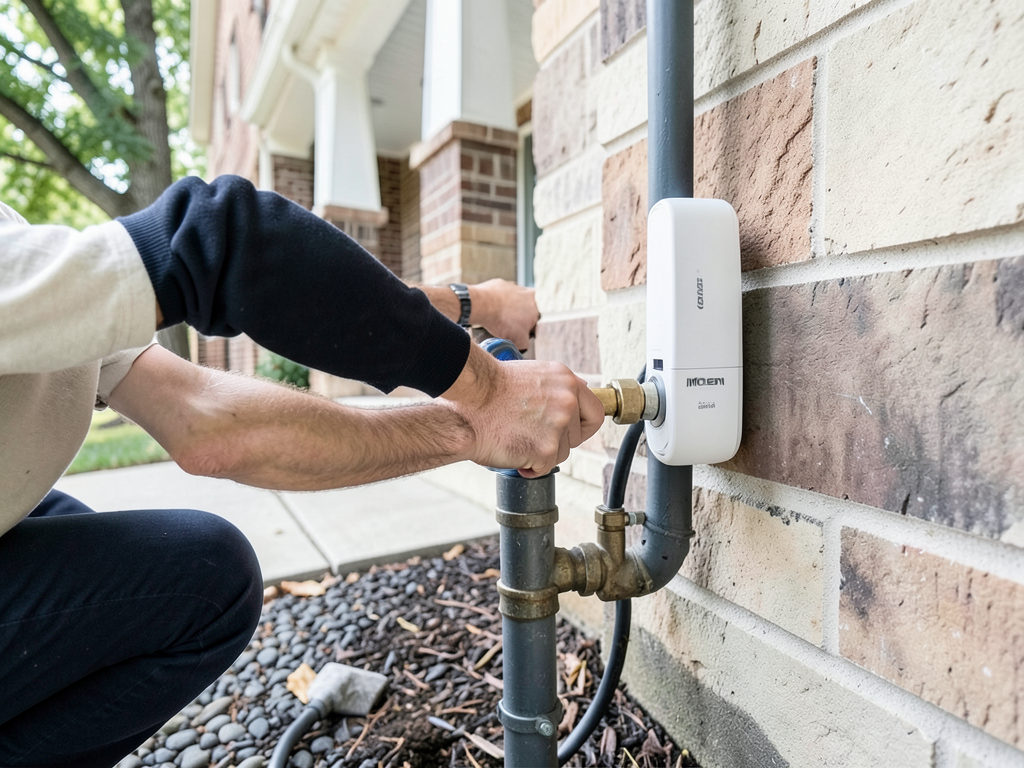
The Best Smart Leak Detectors to Prevent Water Damage in Ballantyne Water damage strikes Ballantyne…
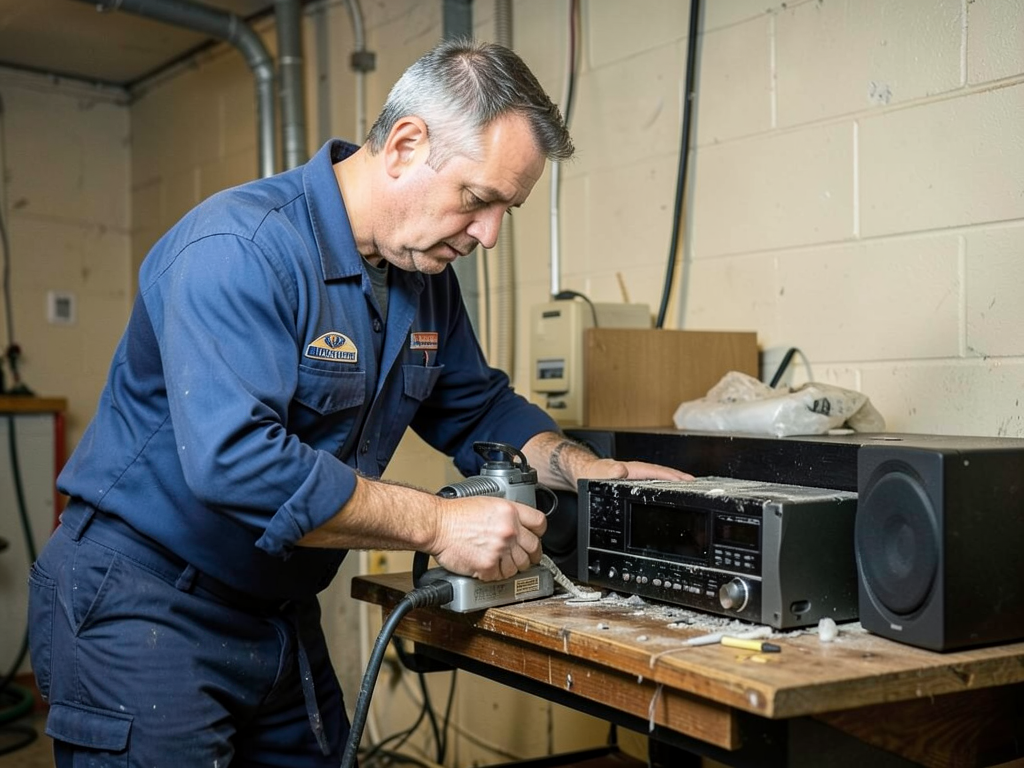
Safeguarding Expensive Home Theater Gear from Water Damage in Myers Park Myers Park’s stately homes…
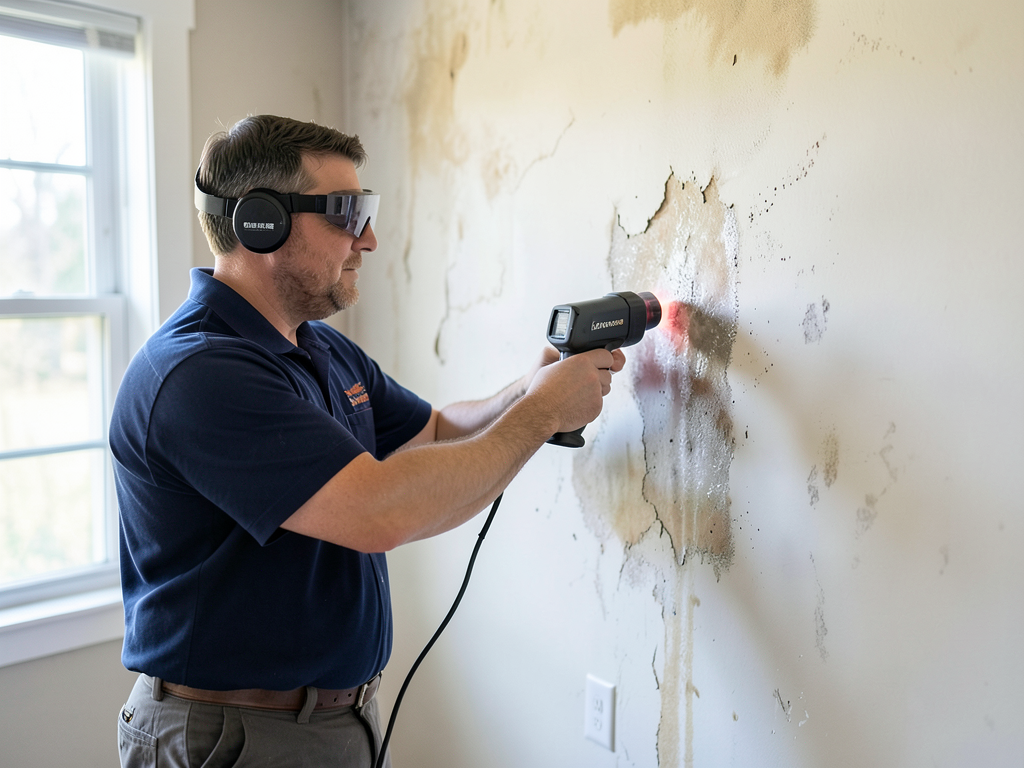
Common Health Symptoms That Might Point to Hidden Water Damage in Your Home Water damage…
Every hour you wait allows water to spread and damage to worsen. Call Cornerstone Water Damage Restoration Charlotte now at (980) 342-9955 for emergency response. Our crews are ready 24/7 to stop water damage before it destroys your Huntersville home.