




Harrisburg sits in Cabarrus County where humidity averages 70 percent year-round. This moisture loads the air even when skies are clear. When water enters a structure through burst pipes, appliance failures, or storm intrusion, the existing humidity slows evaporation and accelerates secondary damage.
Most homes near Rocky River and in neighborhoods like Southwest Harrisburg and areas around Highway 49 use crawlspace foundations. Water pools in these spaces, soaking floor joists and insulation. The trapped moisture creates ideal conditions for mold colonization within 48 hours. Once spores establish in porous materials like drywall and wood framing, removal requires cutting out contaminated sections.
The clay-heavy soil common throughout Cabarrus County compounds drainage problems. Water does not percolate quickly after heavy rain. It sits against foundation walls, finding cracks and penetrating basements. Homes built before 2000 often lack proper waterproofing membranes, making them vulnerable during the intense thunderstorms that roll through Harrisburg between April and September.
Temperature swings between seasons stress plumbing systems. Freezing nights in January followed by 60-degree afternoons cause expansion and contraction in copper pipes. This cycling weakens joints and creates pinhole leaks that spray water inside wall cavities for days before anyone notices. By the time homeowners see ceiling stains or warped floors, structural damage is already extensive.
We operate out of Charlotte with dedicated response vehicles stationed to reach Harrisburg addresses fast. Our dispatch system tracks crew locations in real time. When you call, we send the closest available team with truck-mounted extraction units and industrial air movers already loaded. This eliminates delays while other companies scramble to gather equipment.
Our technicians hold IICRC certifications in Water Damage Restoration and Applied Structural Drying. These are not weekend courses. They require passing rigorous exams on moisture mapping, psychrometrics, and material science. Every crew member understands how water migrates through building assemblies and which drying techniques work for specific materials. We do not guess. We measure moisture content with thermal cameras and penetrating meters, then document findings for your insurance adjuster.
We coordinate directly with every major insurance carrier operating in North Carolina. Our estimates follow Xactimate pricing, which adjusters recognize and accept. This eliminates the back-and-forth negotiations that delay claims. We photograph damage progression, log daily moisture readings, and provide detailed scope documents that satisfy underwriter requirements. You get your claim approved faster, which means repairs start sooner.
Unlike restoration franchises that subcontract work to different crews, we employ our technicians directly. The same team that extracts water returns each day to monitor drying progress. They know your property layout, where moisture is hiding, and what equipment placement works best in your space. This consistency prevents miscommunication and ensures nothing gets overlooked as the project moves from emergency response to final restoration.

Our response vehicles stay positioned throughout Cabarrus County. You call, we roll. Most Harrisburg properties get crews on-site within one hour, even at 2 AM. We start extracting water and setting up drying equipment while other companies are still returning voicemails. Fast response stops damage from spreading through your home and reduces total restoration costs.

Every crew member passed certification exams in water damage restoration and applied structural drying. They understand building science, not just equipment operation. Our teams measure moisture content at multiple depths, track drying progress with calibrated instruments, and adjust strategies based on material response. You get scientifically sound restoration, not fans randomly placed around wet rooms.
We document damage with photos, moisture maps, and detailed loss inventories that adjusters accept without argument. Our estimates use Xactimate pricing, which matches what insurance companies expect to pay. We handle supplement negotiations when hidden damage emerges during tearout. This direct coordination accelerates claim approval and gets your restoration covered without claim denials or payment delays.
We know Cabarrus County construction methods, soil conditions, and seasonal weather patterns that cause water damage in Harrisburg homes. Our crews have worked in neighborhoods from Rocky River crossings to subdivisions off Highway 49. We understand how water behaves in crawlspace foundations and where moisture hides in split-level floor plans common throughout the area.
Water damage restoration involves multiple phases, each requiring different equipment and expertise. Emergency water removal stops active flooding and prevents further saturation. Structural drying eliminates trapped moisture from building materials before rot or mold develop. Final restoration repairs damaged elements and returns your property to pre-loss condition.
We handle all three phases without handing your project between different contractors. The crew that arrives for emergency extraction stays with your property through final repairs. This continuity prevents miscommunication and ensures accountability from start to finish. You deal with one team, one contact person, and one estimate that covers the complete scope.
Our service categories address distinct water damage scenarios common in Harrisburg. Each category requires specialized knowledge about water behavior, material response, and appropriate mitigation techniques. Some situations demand immediate response to prevent total loss. Others allow for scheduled work once the emergency stabilizes. We match our approach to your specific damage type and insurance requirements.
When water is actively flooding your property, speed determines total damage. We dispatch crews with truck-mounted extraction units that remove thousands of gallons per hour. These systems pull water from carpets, pad, and subfloors before saturation reaches structural framing. We extract water from crawlspaces, basements, and between-floor cavities where it pools against framing. Emergency extraction includes moving furniture to dry areas, removing soaked materials that cannot be saved, and setting up initial drying equipment.
After surface water is extracted, moisture remains trapped in drywall, insulation, framing, and subfloors. This hidden dampness causes rot, warping, and mold growth if not properly dried. We use thermal imaging to map moisture locations, then position commercial air movers and dehumidifiers to create controlled evaporation. Daily moisture readings track drying progress at multiple depths. Structural drying typically requires three to five days depending on materials affected and extent of saturation. The process is not complete until materials return to normal moisture levels verified by calibrated instruments.
Once drying is complete, reconstruction begins. This includes replacing removed drywall, installing new flooring where materials were unsalvageable, repainting affected areas, and reinstalling trim and fixtures. We handle complete bathroom and kitchen reconstruction when water damage is extensive. Our crews include licensed plumbers and electricians who repair source failures that caused the original flooding. Water damage reconstruction requires matching existing finishes, which we document with photos before demolition begins. The goal is returning your property to pre-loss condition with no visible signs damage occurred.
Harrisburg properties face specific water damage risks tied to regional climate, construction practices, and aging infrastructure. Summer thunderstorms drop several inches of rain in short periods, overwhelming gutters and finding entry points through roof penetrations. Winter freeze-thaw cycles stress pipes that run through unheated crawlspaces and attics. Many homes were built during rapid development in the 1990s and early 2000s, meaning plumbing systems, water heaters, and appliances are reaching end-of-service life simultaneously.
The combination of high humidity, clay soil with poor drainage, and crawlspace foundations creates conditions where water problems escalate quickly once they start. A small roof leak that might dry out naturally in arid climates keeps materials damp for weeks in Harrisburg. This sustained moisture allows mold colonization and wood rot that require extensive repairs. Understanding these local risk factors helps homeowners recognize warning signs before minor issues become insurance claims.
Copper and PEX supply lines develop pinhole leaks and joint failures as they age. These failures often occur inside walls where small leaks spray water for days before anyone notices. Temperature fluctuations between heated interior spaces and unheated crawlspaces stress connections. A burst supply line can release hundreds of gallons before the main valve gets shut off, flooding multiple rooms and saturating structural framing that requires extensive drying.
Most water heaters last 10 to 12 years before internal corrosion weakens the tank. When these tanks fail, they release 40 to 80 gallons instantly. Water heaters located in interior closets or second-floor mechanical rooms cause damage to multiple levels as water spreads and drains through floor assemblies. The sudden release saturates drywall, insulation, and flooring before anyone can respond, requiring immediate extraction and aggressive structural drying.
Washing machines, dishwashers, and refrigerator ice makers connect to pressurized water lines. The rubber supply hoses on these appliances degrade over time, developing cracks and weak spots. When a supply hose fails during operation, water floods at full line pressure until someone discovers the leak. These failures often happen when families are away, allowing water to run for hours and cause damage throughout the home.
Harrisburg receives intense thunderstorms that test roof integrity. Wind-driven rain finds entry through damaged flashing around chimneys, skylights, and vent penetrations. Clogged gutters overflow and pour water against siding, where it seeps behind exterior cladding. Once water enters the building envelope, it migrates through wall cavities and appears as ceiling stains or wall dampness far from the actual entry point. These hidden intrusion points require thermal imaging to locate.
Water damage creates chaos. Your immediate concern is stopping the damage and protecting belongings. You need clear communication about what happens next, realistic timelines for drying and repairs, and confidence that your insurance claim will be handled properly. We structure our response to address these concerns from the first phone call.
When you contact us, you speak with a real person who understands water damage emergencies, not an answering service reading from a script. We ask specific questions about your situation to dispatch the right equipment and crew size. You receive an estimated arrival time based on current crew locations, not vague promises about "getting there soon." Once our team arrives, they explain findings, outline the restoration plan, and answer questions before starting work. You stay informed throughout the process with daily updates and photo documentation of progress.
You call our emergency line at (980) 342-9955 and reach a knowledgeable team member who gathers details about your water damage situation. We ask about the water source, affected areas, and how long water has been present. This information helps us dispatch appropriate equipment and crew size. You receive an estimated arrival time and the crew leader's direct contact number. Most Harrisburg properties get technicians on-site within 60 minutes. We call if delays occur and keep you updated on crew location.
When crews arrive, they conduct a complete property assessment using thermal cameras and moisture meters. We document damage with photos and detailed notes that support your insurance claim. The crew leader explains findings in clear terms, shows you moisture readings, and outlines the recommended restoration plan. You receive a written scope of work and estimated timeline before equipment gets placed. We identify materials that can be saved versus items requiring replacement. This transparency eliminates surprises and helps you make informed decisions about your property.
We take daily moisture readings and photograph drying progress. You receive updates via text or email showing exactly how your property is responding to our mitigation efforts. We coordinate directly with your insurance adjuster, providing documentation they need to process your claim quickly. Our estimates use industry-standard pricing that adjusters recognize and approve without lengthy negotiations. When the insurance company requests additional information or inspects the property, we handle those interactions so you do not have to manage multiple conversations about technical restoration details.
Water damage restoration follows a scientific sequence. Each phase must be completed properly before the next phase begins. Rushing the process or skipping steps leads to failed drying, mold growth, and structural problems that emerge months after the initial damage.
Crews arrive with truck-mounted extraction units and portable pumps to remove standing water. We extract from carpets, pad, and hard surfaces. Water in crawlspaces, basements, and between-floor cavities gets removed with submersible pumps. We relocate furniture to dry areas and remove unsalvageable materials like soaked carpet pad and damaged drywall. Initial air movers and dehumidifiers get positioned to begin drying. The goal is stopping additional water absorption and creating conditions for effective evaporation.
Once surface water is extracted, structural drying removes moisture trapped in building materials. We use thermal imaging to identify all affected areas, including hidden moisture in wall cavities and subfloors. Commercial air movers create airflow across wet surfaces while dehumidifiers remove moisture from the air. We take daily readings with penetrating moisture meters, tracking progress at multiple material depths. Drying equipment gets repositioned as needed to target stubborn moisture pockets. This phase continues until materials return to normal moisture content verified by instrument readings.
After materials reach acceptable dryness, reconstruction begins. We replace drywall that was removed for drying access, install new flooring where materials were unsalvageable, and repaint affected areas. Trim, fixtures, and appliances get reinstalled. Our crews match existing finishes using photos taken during initial assessment. Final walkthrough ensures all repairs meet quality standards and your property returns to pre-loss condition. We provide documentation showing completed work for insurance closeout and future property records.
Proper water damage restoration follows scientific principles defined by the Institute of Inspection, Cleaning and Restoration Certification. These standards govern moisture measurement, material drying, and contamination protocols. North Carolina does not license water damage restoration contractors at the state level, which means homeowners must verify technician qualifications independently.
IICRC certification requires passing comprehensive exams on building science, psychrometrics, and material behavior under moisture exposure. Certified technicians understand that different materials require different drying approaches. Hardwood flooring responds differently than engineered wood. Drywall on exterior walls retains moisture longer than interior partition walls due to temperature differentials. These variables affect equipment placement, drying time, and whether materials can be saved or require replacement.
Water damage is classified by contamination level. Category 1 water comes from sanitary sources like supply lines and poses no health risk. Category 2 water contains contaminants from appliances, toilet overflow, or groundwater seepage. Category 3 water is grossly contaminated from sewage backups or flood water. Each category requires different handling protocols. Category 3 contamination demands removal of porous materials that cannot be adequately sanitized, including drywall, insulation, and carpet.
Structural drying follows specific atmospheric conditions. We maintain relative humidity between 30 and 50 percent in affected areas while maximizing airflow across wet surfaces. Temperature affects evaporation rates. Warmer air holds more moisture, so we sometimes use heat to accelerate drying in cold weather scenarios. We measure grains per pound to track how much moisture the air contains versus how much it can hold at current temperature. This psychrometric data guides equipment adjustments throughout the drying process.
North Carolina's high humidity complicates structural drying compared to arid climates. Outdoor air often contains as much moisture as indoor air we are trying to dry. This forces reliance on refrigerant dehumidifiers that cool air below its dew point, condensing water vapor into collection tanks. We monitor both indoor and outdoor conditions, adjusting strategies when weather affects drying efficiency. This scientific approach ensures complete moisture removal even in challenging environmental conditions common to Harrisburg and surrounding Cabarrus County areas.
The Institute of Inspection, Cleaning and Restoration Certification sets industry standards for water damage restoration. Technicians must complete approved coursework and pass exams covering moisture science, material behavior, and proper drying techniques. Our crews maintain current certifications in Water Damage Restoration and Applied Structural Drying. These credentials ensure work meets insurance company requirements and follows scientifically validated methods for moisture removal and contamination control.
Water damage restoration costs depend on affected area size, water contamination category, materials requiring replacement, and drying time needed. Category 1 clean water costs less to remediate than Category 3 sewage contamination. Hardwood floors that can be dried cost less than floors requiring replacement. Structural damage to framing increases costs beyond surface repairs. Insurance typically covers sudden and accidental water damage but excludes long-term seepage from deferred maintenance. We provide detailed estimates that break down costs by phase and material.
Structural drying typically requires three to five days for most residential water damage. Complex situations with extensive saturation or difficult-to-dry materials may extend to seven days. Timeline depends on initial moisture levels, material types affected, and environmental conditions. We take daily moisture readings that show objective progress. Drying is complete when materials return to normal moisture content ranges, not after an arbitrary number of days. Proper drying prevents mold growth and structural damage that emerge when restoration is rushed.
North Carolina does not require state licensing for water damage restoration contractors. This makes verification of qualifications important when selecting a company. We carry comprehensive general liability insurance and workers compensation coverage for all employees. Our insurance protects your property if additional damage occurs during restoration. We provide certificate of insurance to your mortgage company or property manager when required. IICRC certification provides third-party verification of technician knowledge and competence.
Cornerstone Water Damage Restoration Charlotte maintains rapid response capability throughout Harrisburg and the greater Cabarrus County area. Our service territory extends from Rocky River Nature Park on the western edge through downtown Harrisburg along Highway 49 and east toward the Cabarrus-Stanly county line. We regularly respond to properties in Southwest Harrisburg, where many established neighborhoods feature split-level homes built in the 1990s with crawlspace foundations vulnerable to moisture intrusion.
The residential areas near Harrisburg Road and Poplar Tent Road contain a mix of older properties with aging plumbing systems and newer construction with modern materials that respond differently to water exposure. Our crews understand how water behaves in both construction eras. Original homes near the historic downtown district often feature pier-and-beam foundations where water pools in unventilated crawlspaces. Newer subdivisions off Roberta Road typically use treated lumber and vapor barriers that slow moisture penetration but require specialized drying techniques when water breaches the envelope.
Properties near Rocky River and Little Buffalo Creek face elevated flood risk during severe weather. These areas require particular attention to Category 3 water contamination protocols when floodwater enters structures. We coordinate with Cabarrus County building inspection when structural damage requires permits for repairs. Our familiarity with local inspection requirements streamlines the permitting process and prevents delays in restoration timeline.
The growth corridor along Highway 49 between Harrisburg and Concord contains commercial properties, retail centers, and mixed-use developments. We handle water damage in these commercial spaces, where business interruption makes rapid restoration critical. Our equipment fleet includes trailer-mounted generators and high-capacity extraction units needed for large commercial losses. Response to commercial properties often requires after-hours access coordination and specialized drying approaches that minimize disruption to adjacent tenants.
Harrisburg's position between Charlotte and Concord means residents have easy access to our Charlotte-based operations while benefiting from our knowledge of Cabarrus County construction practices and regional weather patterns. We maintain GPS tracking on service vehicles to optimize dispatch to any Harrisburg address. Whether you are dealing with a burst pipe in Southwest Harrisburg, storm damage near Rocky River, or appliance failure in a Highway 49 property, our crews understand your local area and respond fast with proper equipment for your specific water damage scenario.
Cornerstone is proud to serve Charlotte and the surrounding areas, providing rapid and reliable water damage restoration services when you need them most. Our commitment extends to ensuring properties across our service region receive expert care. You can find our main office located conveniently, allowing us to quickly dispatch our teams to your location and address your water damage emergencies with efficiency and professionalism. We are always ready to assist you.
Address:
Harrisburg, NC, 28075

Using Thermal Imaging to See Through Walls for Hidden Leaks in Wesley Heights Hidden water leaks can cause thousands of dollars in damage before you ever see a drop. In Wesley Heights, where many homes…
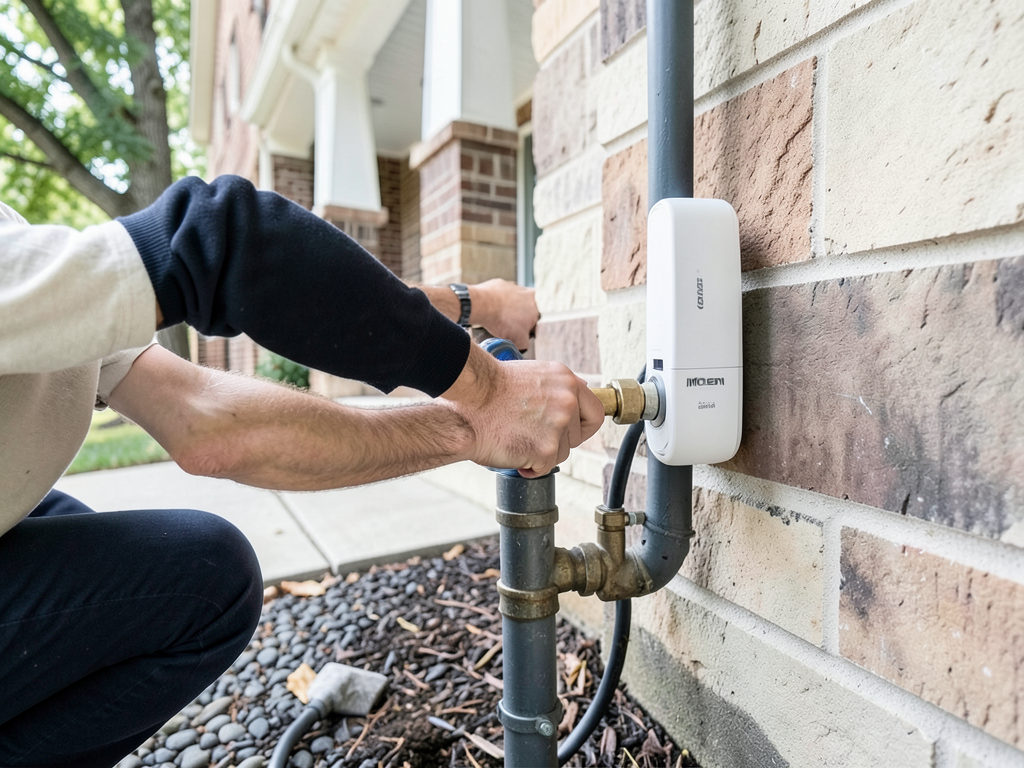
The Best Smart Leak Detectors to Prevent Water Damage in Ballantyne Water damage strikes Ballantyne…
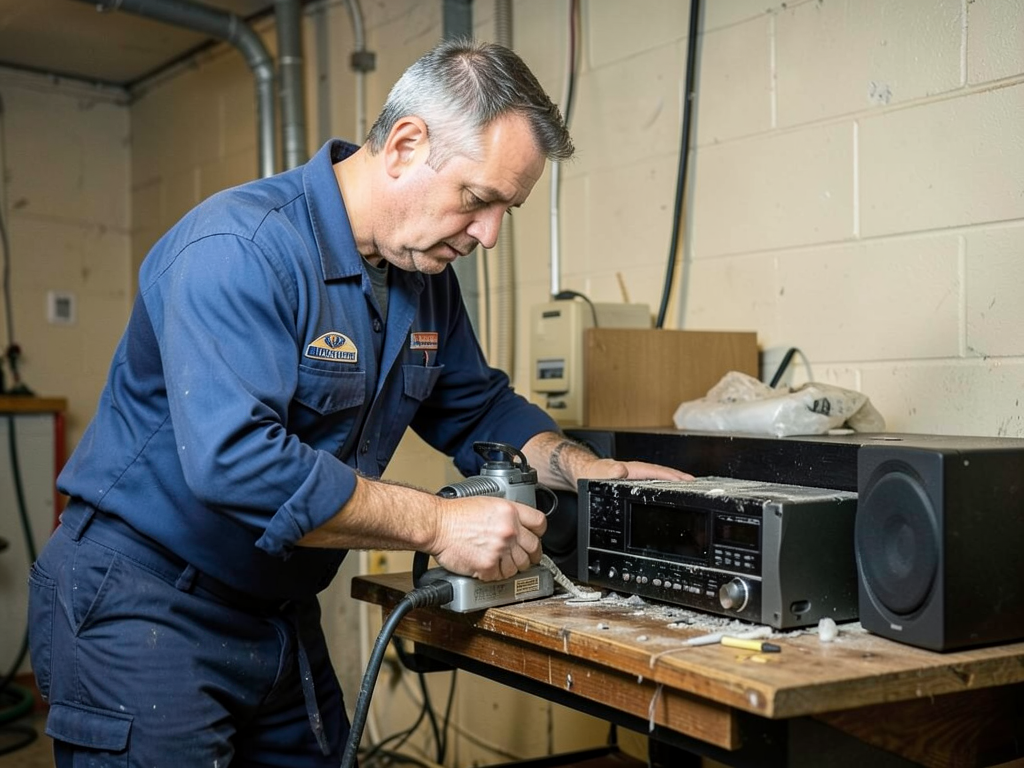
Safeguarding Expensive Home Theater Gear from Water Damage in Myers Park Myers Park’s stately homes…
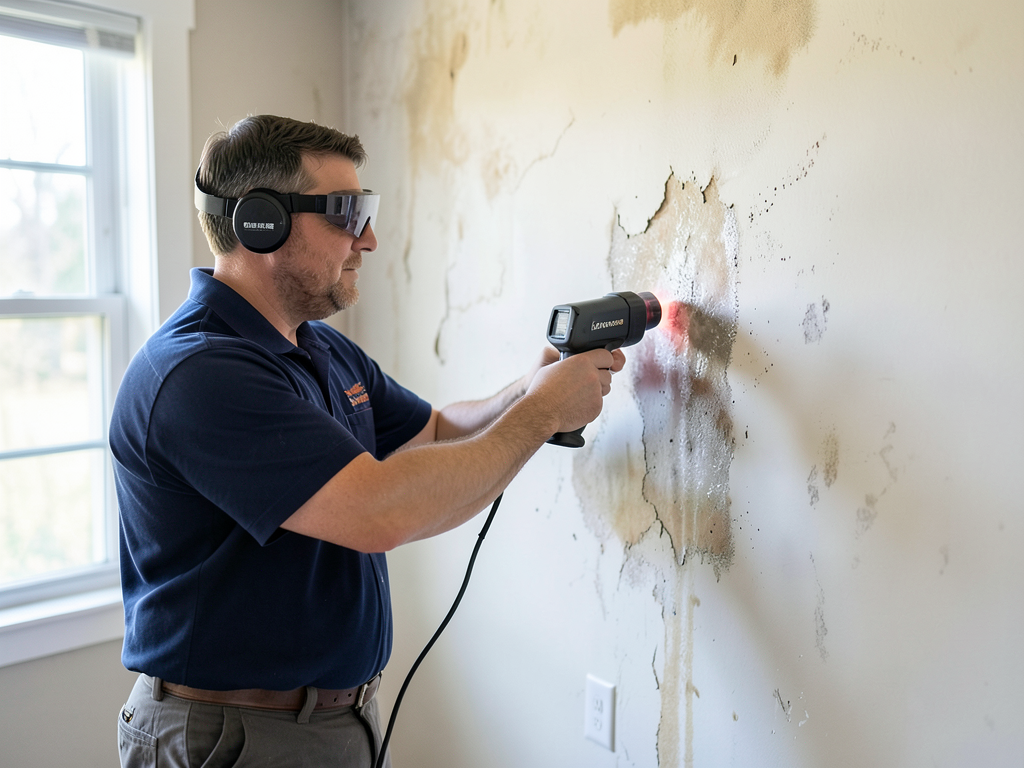
Common Health Symptoms That Might Point to Hidden Water Damage in Your Home Water damage…
Every minute counts when water is flooding your property. Call Cornerstone Water Damage Restoration Charlotte right now at (980) 342-9955. Our crews dispatch immediately to Harrisburg addresses. We extract water, dry your structure, and coordinate insurance claims. Stop the damage now.