




Fort Mill sits in a transition zone where Piedmont clay soils meet the Carolina coastal plain, creating drainage challenges that most homeowners don't see coming. The clay-heavy soil common throughout downtown Fort Mill and older neighborhoods near Springfield Parkway doesn't absorb water well. When heavy rain hits, water pools against foundations instead of draining away. This creates hydrostatic pressure that forces groundwater through basement walls and cracks in slab foundations.
The Catawba River basin influences local weather patterns, bringing intense thunderstorms that dump several inches of rain in under an hour during spring and summer months. Neighborhoods near the South Carolina border, including areas around Riverwalk and Baxter Village, see flash flooding when tributary creeks overflow. These sudden water events overwhelm older storm drains and send water straight into crawl spaces and lower levels.
Fort Mill's rapid growth means new construction often sits on filled land that hasn't fully settled. Homes in developments built after 2010 sometimes experience grading issues where water flows toward the house instead of away. Add in aging infrastructure in established neighborhoods around Tom Hall Street and Academy Street, and you have a perfect storm for water intrusion. When winter temperatures drop below freezing for several days, exposed pipes in crawl spaces and attics burst, flooding homes before anyone notices.
We've been pulling water out of Fort Mill homes and businesses since before the town's population boom, back when everyone knew their neighbors and Main Street was the center of everything. That history matters because we understand how older homes near downtown are built differently than the new construction spreading south toward the state line. We know which neighborhoods flood first, which crawl spaces stay damp, and which insurance adjusters actually return calls.
Our crews live in York County and Lancaster County. When you call at 2 a.m. because a pipe burst, the technician who answers grew up 10 minutes from your house. He knows the back roads when Highway 160 is jammed, and he's seen what happens when water sits too long in Fort Mill's humid climate. That local knowledge cuts response time in half and prevents the mold growth that starts within 24 hours of water exposure.
We don't subcontract anything. The same technicians who extract water from your carpet will monitor moisture levels for the next five days to confirm everything is bone dry. Our equipment inventory includes truck-mounted extractors powerful enough to pull water from pad and concrete, thermal cameras that spot moisture inside walls without cutting drywall, and commercial dehumidifiers that work in Fort Mill's muggy summer air. We own this equipment outright, which means we don't wait for rental companies to deliver what we need.
Insurance companies know us by name. We document everything with photos, moisture readings, and detailed scope reports that adjusters accept without pushback. While you're on the phone with your insurance company, we're already emailing them our findings and starting the drying process. Most Fort Mill homeowners get their claim approved while we're still on site day one.

We dispatch from Fort Mill, not Charlotte. Our crews reach properties in Baxter Village, downtown Fort Mill, and areas near Springfield Parkway in under an hour, even during storms. Fast response stops water from spreading into subfloors, insulation, and wall cavities where real damage happens. Every minute water sits increases restoration costs by hundreds of dollars.

We bill your insurance company directly so you don't pay upfront and wait for reimbursement. Our estimators use Xactimate software that insurance adjusters trust, and we include all the details they need to approve claims fast. You pay your deductible, we handle the rest. No surprise bills six weeks later.
Water hides behind baseboards, under vinyl flooring, and inside wall cavities. Our FLIR thermal cameras detect temperature differences that reveal moisture without demolition. We find every wet spot before it turns into mold, and we prove everything is dry before we leave. No guessing, no callbacks, no mold claims three months later.
We know the difference between houses built in old Fort Mill near Tom Hall Street and new developments south of Highway 160. Older homes have pier and beam foundations that flood differently than modern slab construction. We adjust our approach based on your home's age, foundation type, and specific location. Local knowledge prevents mistakes that cost time and money.
Water damage isn't one problem with one solution. A sewage backup in your basement requires different equipment and safety protocols than a burst water heater in your garage. Storm flooding that brings mud and debris into your crawl space needs a different approach than a slow leak under your kitchen sink that's been dripping for weeks. We handle every type of water intrusion Fort Mill properties face, from emergency extraction in the middle of the night to planned restoration work that takes several days.
Our service range covers the full spectrum of water removal, structural drying, and property restoration. We start with emergency response to stop active water intrusion, then move into thorough extraction and drying to prevent secondary damage. The final phase addresses repairs to drywall, flooring, baseboards, and any building materials that couldn't be saved. Some jobs need all three phases, others just need fast extraction and monitoring. We break down our services into clear categories so you understand exactly what your property needs and why.
When water floods your property, immediate extraction prevents it from soaking into subfloors, drywall, and insulation. We arrive with truck-mounted extractors and portable pumps that remove standing water in minutes, not hours. Our crews pull up wet carpet, extract water from padding, and use weighted extraction tools to force water out of hardwood and laminate flooring. We handle everything from burst pipes and water heater failures to appliance leaks and storm flooding. The faster we extract, the more we save.
Removing standing water is step one. Drying the structure completely is what prevents mold and structural damage. We place industrial dehumidifiers and air movers throughout affected areas to create controlled airflow that pulls moisture from building materials. Our technicians monitor humidity levels and moisture readings daily, adjusting equipment placement until everything reads dry on our meters. We dry crawl spaces, attics, wall cavities, and concrete slabs using proven techniques that work in Fort Mill's humid climate. Thorough drying takes three to five days depending on materials affected.
Once everything is dry, we rebuild and restore your property to pre-loss condition. Our crews replace drywall, install new flooring, repaint walls, and reinstall baseboards and trim. We handle everything from minor repairs like replacing a section of ceiling to full room reconstruction after major flooding. Having one company handle extraction, drying, and restoration keeps your project moving fast without coordinating multiple contractors. We work from the insurance scope to make sure every damaged item gets replaced or repaired according to your claim.
Fort Mill's location in the Carolina Piedmont creates specific water problems that repeat across different neighborhoods and property types. The clay soil that defines this region drains poorly, keeping moisture close to foundations long after rain stops. Older homes built before modern grading requirements often sit lower than the surrounding land, turning yards into funnels that direct water straight to the house. Add in the Catawba River basin's weather patterns and you get intense rainfall that overwhelms gutters, floods crawl spaces, and finds every crack in your foundation.
Water damage here isn't random. The same problems show up repeatedly because of how properties were built, where they're located, and what weather patterns affect the area. Understanding these common issues helps property owners spot early warning signs before minor problems turn into major restoration projects. These are the water damage situations we handle most often in Fort Mill homes and businesses.
Heavy clay soil around Fort Mill doesn't absorb water, it pools. When thunderstorms dump rain fast, water collects around foundations and seeps through cracks into basements and crawl spaces. Properties in low areas near Steele Creek and older neighborhoods downtown flood first. Standing water in crawl spaces creates humidity that rots floor joists and grows mold within days. We pump water out, dry the structure, and identify the entry points.
Fort Mill's winter temperatures drop below freezing just long enough to burst pipes in unheated crawl spaces, attics, and exterior walls. When pipes thaw, water floods through ceilings and walls before homeowners realize what happened. Homes built in the 1980s and 1990s near Academy Street often have exposed plumbing in crawl spaces that freeze during cold snaps. A single burst pipe can release hundreds of gallons before someone shuts off the main.
Intense thunderstorms from the Catawba River basin bring sudden downpours that turn yards into ponds and overwhelm drainage systems. Neighborhoods near the South Carolina border and areas around Riverwalk see flash flooding when tributary creeks overflow. Water comes in through foundation vents, under garage doors, and up through floor drains. Storm water carries mud and debris that makes cleanup more complex than clean water from plumbing failures.
Water heaters fail without warning, releasing 40 to 80 gallons across garage or basement floors. Washing machine supply lines crack and spray water for hours before anyone notices. Dishwashers leak under cabinets, soaking subfloors and spreading into adjacent rooms. These failures happen in every Fort Mill neighborhood regardless of home age. The key is catching them fast and extracting water before it migrates into wall cavities and under flooring.
Water damage creates panic. You're watching water spread across your floor or drip through your ceiling, and you need help now, not tomorrow. When you call us, you talk to someone who answers emergency calls from Fort Mill properties every week. We get your address, ask about the water source, and dispatch a crew immediately. You'll receive a text with your technician's name, photo, and estimated arrival time within five minutes of hanging up.
Our response is built around speed and transparency. We tell you what to expect before we arrive, what equipment we'll use, and how long the process takes. There's no mystery about costs because we walk you through the insurance claim process and explain what your deductible covers. You'll know exactly what's happening at each stage, from initial extraction through final drying verification. This is what working with us looks like from your first call to project completion.
When you call our emergency line, we dispatch the closest crew to your Fort Mill property immediately. You'll receive a text message with your technician's name, photo, and estimated arrival time. Our crews carry all extraction equipment in their trucks, so there's no delay waiting for equipment delivery. Within an hour of your call, we're pulling water out of your property and stopping damage from spreading. We start the insurance documentation process on site so your claim moves forward while we work.
Water damage restoration takes several days because materials need time to dry completely. We don't disappear after initial extraction. Our technicians visit your property daily to check moisture readings, adjust equipment, and document progress. You receive a text or call every afternoon with updated moisture levels and timeline adjustments if needed. We explain what the readings mean and why we're making changes to equipment placement. You'll always know where the project stands and when we expect to finish.
We don't remove drying equipment based on timelines or estimates. We use moisture meters and thermal imaging to verify every affected material reads dry according to industry standards. Wood framing, drywall, concrete, and insulation all have specific moisture thresholds that must be met before we call the job complete. You receive a final moisture report showing all readings in the acceptable range. This verification prevents mold growth and gives your insurance company proof that restoration was done correctly.
Water damage restoration follows a proven sequence that stops damage, removes all moisture, and restores your property. Skipping steps or rushing the process leads to mold growth and structural problems. We follow industry standards because they work.
We arrive within 60 minutes to assess damage and stop water intrusion. Our crews identify the water source, shut off supply lines if needed, and begin immediate extraction using truck-mounted pumps and portable extractors. We remove standing water, pull up wet carpet and padding, and extract water trapped in flooring materials. Our thermal cameras identify moisture in walls and ceilings that isn't visible to the eye. We document everything with photos and moisture readings for your insurance claim.
After extraction, we place commercial dehumidifiers and air movers to create controlled drying conditions. Our equipment runs 24 hours a day while technicians monitor moisture levels in affected materials. We check readings daily and adjust equipment placement to ensure even drying. This phase takes three to five days depending on materials affected and humidity levels. We don't remove equipment until moisture meters confirm everything meets dry standards.
Once everything is verified dry, we begin restoration work. Our crews replace damaged drywall, install new flooring, repaint walls, and reinstall baseboards and trim. We handle both minor repairs and full room reconstruction. Having one company manage the entire process from extraction to finished repairs keeps your project moving fast without coordinating multiple contractors. We work from your insurance estimate to complete all approved repairs.
Professional water damage restoration follows specific industry standards established by the Institute of Inspection, Cleaning and Restoration Certification. These standards define water categories, drying goals, and safety protocols that protect both property and occupants. Category 1 water comes from clean sources like supply lines and doesn't pose health risks. Category 2 water contains contaminants from appliances, toilets, or groundwater and requires antimicrobial treatment. Category 3 water comes from sewage backups or floodwater and requires full contamination protocols including disposal of porous materials.
Drying standards are based on moisture content readings, not time estimates. Wood framing should read below 15 percent moisture content, drywall below 12 percent, and concrete below 4 percent on a moisture meter. These thresholds prevent microbial growth and structural damage. Fort Mill's humid climate makes achieving these numbers harder than in dry regions, which is why we use commercial dehumidifiers rated for high humidity environments.
North Carolina doesn't require licensing for water damage restoration contractors, which means property owners need to verify company credentials and insurance coverage. We maintain IICRC certification for our lead technicians and carry full liability insurance plus workers compensation. Our equipment meets manufacturers' specifications for airflow and dehumidification capacity, and we follow OSHA guidelines for containment and safety when handling Category 2 or Category 3 water.
Insurance claims for water damage in North Carolina follow the principle of sudden and accidental loss. Policies typically cover burst pipes, appliance failures, and storm damage but exclude flooding from external sources unless you carry separate flood insurance. Understanding coverage before filing claims prevents disputes during restoration. We document everything to support your claim and work directly with adjusters who know our reputation for accurate estimates and thorough work.
The Institute of Inspection, Cleaning and Restoration Certification establishes industry standards for water damage restoration. Our lead technicians maintain IICRC Water Restoration Technician certification, which requires training in psychrometry, moisture detection, and drying science. We follow IICRC S500 standards for all restoration work, ensuring proper equipment placement, monitoring frequency, and verification before calling jobs complete. Certification matters because insurance companies recognize IICRC protocols.
Restoration costs depend on water category, affected materials, and square footage. Category 3 sewage contamination costs more because it requires disposal of porous materials and antimicrobial treatment. Hardwood floors cost more to dry than carpet because they need specialty drying mats and longer equipment runtime. Wall cavities require controlled demolition to access wet insulation. Most Fort Mill properties see restoration costs between insurance deductibles and a few thousand dollars depending on damage extent.
Complete drying takes three to five days for most water damage situations in Fort Mill. Concrete slabs and thick insulation take longer because moisture moves slowly through dense materials. We monitor daily and adjust equipment as materials release moisture. Rushing the timeline by removing equipment early causes mold growth within weeks. Fort Mill's humidity extends drying times compared to dry climates, which is why we use commercial dehumidifiers throughout the process.
North Carolina homeowner policies cover sudden and accidental water damage but not flooding from external sources. Insurance companies require documentation of damage extent, moisture readings, and detailed repair estimates. We provide all required documentation in formats insurance adjusters accept, including Xactimate estimates that match industry pricing databases. Proper documentation prevents claim disputes and speeds approval so restoration work proceeds without payment delays.
Fort Mill's growth has created distinct neighborhoods with different water damage challenges. Downtown Fort Mill near Main Street and Tom Hall Street features homes built between the 1920s and 1980s, many with pier and beam foundations and crawl spaces that flood during heavy rain. These older properties sit on lots graded before modern drainage requirements, which means water often flows toward foundations instead of away. We've extracted water from dozens of crawl spaces in this area, and we know which streets flood first when storms hit.
Baxter Village, one of Fort Mill's largest planned communities, features newer construction built after 2000 on formerly agricultural land. The homes here typically have slab foundations, but the rapid development sometimes created grading issues where lots drain poorly. We respond frequently to water heater failures and appliance leaks in Baxter Village because many homes are reaching the age where original equipment starts failing. The neighborhood's proximity to Highway 160 makes us easy to reach during emergencies.
Riverwalk and the communities near the Catawba River deal with storm water intrusion more than other Fort Mill areas. These neighborhoods sit in low-lying areas where tributary creeks overflow during intense rainfall. Flash flooding brings Category 3 water contaminated with mud and debris, requiring full contamination protocols. We've dried out basements and first floors throughout Riverwalk after major storm events, and we understand the unique challenges of properties built near waterways.
The corridor along Springfield Parkway includes both established neighborhoods and new developments spreading south toward the South Carolina border. This area experiences the full range of water damage situations from burst pipes in older homes to foundation seepage in new construction built on fill dirt that hasn't fully compacted. We serve properties from the town center all the way to the state line, including businesses along Highway 21 and residential areas between Gold Hill Road and Pleasant Road.
Properties near Fort Mill High School and the neighborhoods surrounding Nation Ford Road tend to be 1980s and 1990s construction with a mix of basement and crawl space foundations. Winter pipe bursts are common here because many homes have exposed plumbing in unheated crawl spaces. We've responded to dozens of frozen pipe emergencies in this area, usually arriving before the homeowner even realizes their pipes have burst.
Our service area extends throughout York County including the communities around Tega Cay, Indian Land, and the growth corridor toward Lancaster County. Water damage doesn't respect town boundaries, and neither do we. If you're within 30 minutes of Fort Mill, we respond with the same speed and equipment capacity as in-town calls.
Cornerstone is proud to serve Charlotte and the surrounding areas, providing rapid and reliable water damage restoration services when you need them most. Our commitment extends to ensuring properties across our service region receive expert care. You can find our main office located conveniently, allowing us to quickly dispatch our teams to your location and address your water damage emergencies with efficiency and professionalism. We are always ready to assist you.
Address:
Fort Mill, NC, 29715

Using Thermal Imaging to See Through Walls for Hidden Leaks in Wesley Heights Hidden water leaks can cause thousands of dollars in damage before you ever see a drop. In Wesley Heights, where many homes…
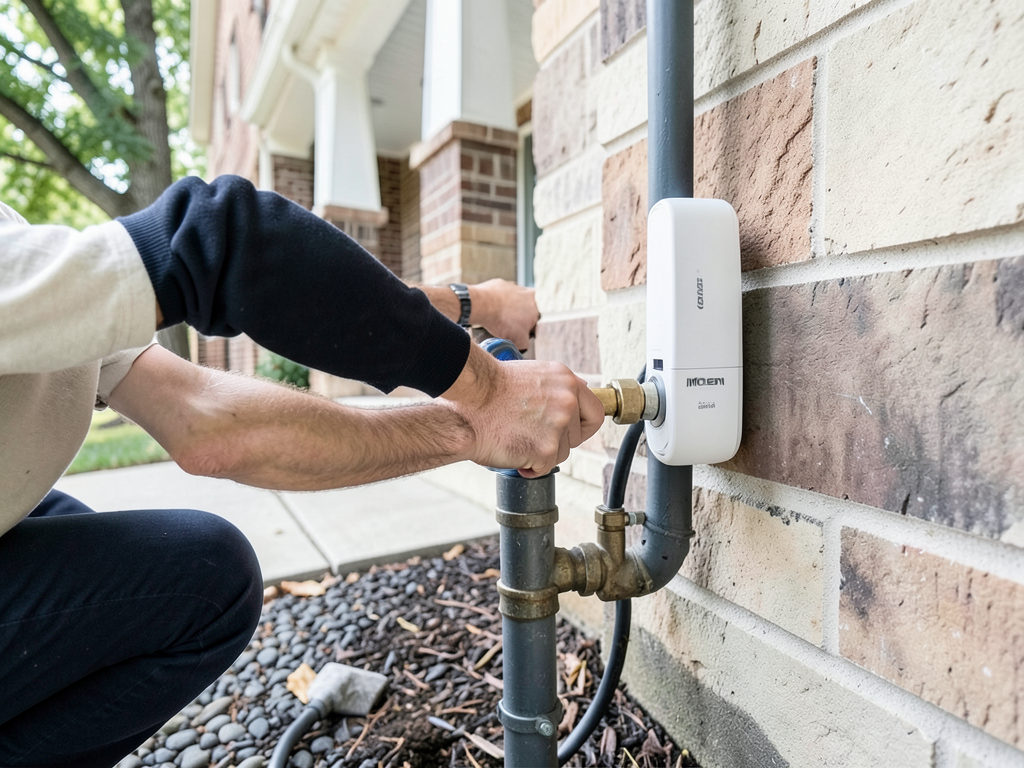
The Best Smart Leak Detectors to Prevent Water Damage in Ballantyne Water damage strikes Ballantyne…

Safeguarding Expensive Home Theater Gear from Water Damage in Myers Park Myers Park’s stately homes…
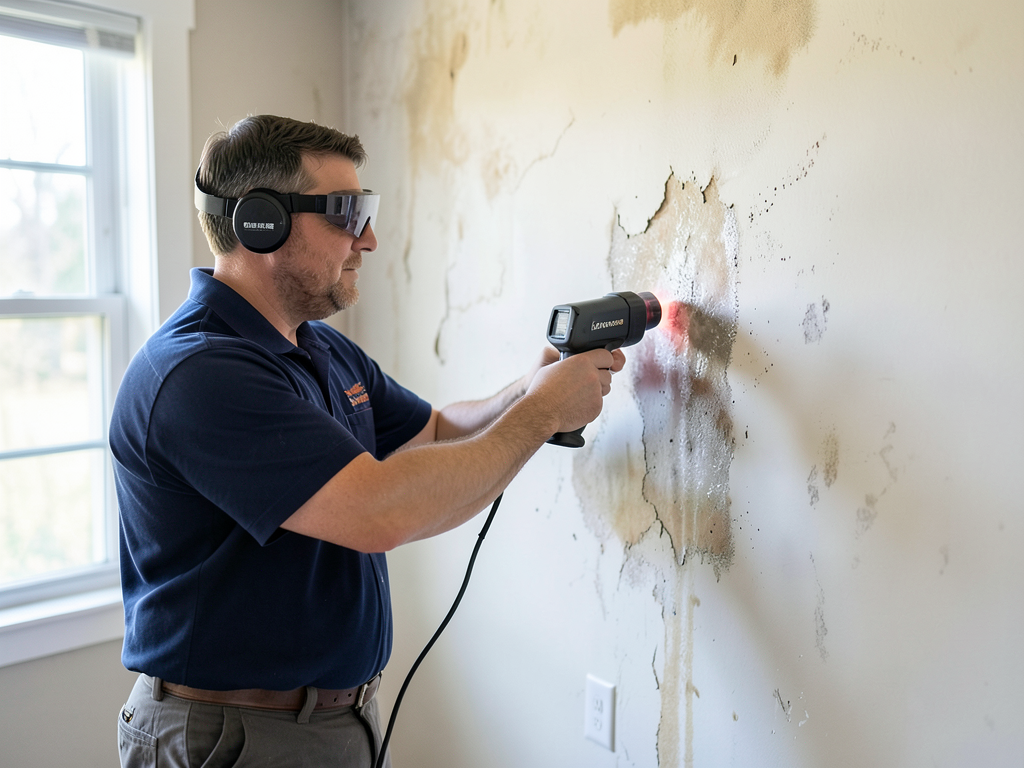
Common Health Symptoms That Might Point to Hidden Water Damage in Your Home Water damage…
Water damage gets worse every minute you wait. Our crews are ready to respond 24 hours a day, 7 days a week. Call Cornerstone Water Damage Restoration Charlotte now at (980) 342-9955 for immediate dispatch to your Fort Mill property. We'll stop the damage, dry everything completely, and handle your insurance claim from start to finish.