




Belmont sits along the Catawba River in Gaston County, where seasonal storms and river flooding create serious water damage risks. The clay-heavy soil common throughout the Belmont area retains moisture and drains slowly, forcing water toward foundations instead of away from structures. This soil composition makes basement flooding and crawl space water intrusion persistent problems, especially in neighborhoods near Lake Wylie and along the river corridor.
Heavy summer thunderstorms dump intense rainfall in short periods, overwhelming gutters and causing rapid runoff. Older homes in historic downtown Belmont often have dated plumbing systems prone to burst pipes and slab leaks. The region's humidity accelerates mold growth after water events, creating health hazards within 24 to 48 hours if moisture isn't removed properly.
Winter freeze-thaw cycles stress pipes throughout Belmont. When temperatures drop below freezing, water inside pipes expands and cracks joints. Once temperatures rise, these compromised pipes burst and flood homes. Properties near Dutchman Creek and tributaries feeding the Catawba face additional flood exposure during spring runoff. Understanding these local water damage patterns helps property owners respond faster and minimize destruction when flooding occurs.
When water invades your property, you need a team that responds immediately and handles every step of restoration. Cornerstone Water Damage Restoration Charlotte serves Belmont with rapid emergency dispatch, advanced moisture detection equipment, and direct insurance coordination that removes the paperwork burden from property owners.
We understand how Belmont's geography creates specific water damage patterns. Our technicians know which neighborhoods flood during heavy rain, which areas have problematic clay soil drainage, and how local construction methods affect drying strategies. This local knowledge means faster diagnosis and more effective remediation.
Our team arrives with commercial-grade water extractors, industrial dehumidifiers, and thermal imaging cameras that detect hidden moisture in walls and subfloors. We don't just dry what you can see. We find moisture trapped in structural cavities before it causes permanent damage or mold growth.
Insurance claims frustrate property owners. We document everything with photos, moisture readings, and detailed reports that satisfy insurance requirements. We work directly with adjusters, explain the scope of damage, and advocate for complete repairs. Many Belmont clients never speak to their insurance company because we handle communication from start to finish.
Our restoration process prevents secondary damage. Fast water extraction stops wood rot. Proper drying prevents mold colonies. Antimicrobial treatment protects your family's health. We monitor moisture levels daily until materials return to dry standards, then verify everything with final testing before we close your project.

We dispatch crews to Belmont properties within hours of your call. Our 24/7 availability means water extraction starts fast, limiting damage spread and reducing repair costs. Quick response prevents catastrophic losses that occur when water sits overnight or through weekends. We arrive ready to work immediately.

We handle all insurance communication and documentation. Our detailed damage reports, moisture readings, and photo evidence satisfy adjuster requirements. We explain the restoration scope, justify necessary work, and advocate for complete repairs. Most Belmont clients never contact their carrier because we manage the entire claims process.
Thermal imaging cameras and moisture meters find hidden water in wall cavities, subfloors, and structural materials. We don't guess where moisture hides. We measure it, map it, and eliminate it with targeted drying. This technology prevents mold growth and structural rot that standard methods miss completely.
We know which Belmont areas flood during storms, how clay soil affects drainage, and where older homes have plumbing vulnerabilities. This local expertise speeds diagnosis and creates more effective restoration plans. We understand the construction methods common to your neighborhood and adjust drying strategies accordingly.
Water damage requires different responses depending on the source and severity. A burst pipe floods differently than a backed-up sewer. Storm water carries contaminants that clean water leaks don't. Cornerstone Water Damage Restoration Charlotte provides complete water damage restoration services matched to your specific emergency.
Our emergency water extraction removes standing water before it saturates structural materials. Structural drying eliminates moisture from walls, floors, and framing. Mold remediation addresses contamination that develops after water events. We handle everything from initial water removal through final repairs and restoration.
Each service category uses specialized equipment and follows strict protocols. Water extraction requires powerful pumps and vacuums. Structural drying needs industrial dehumidifiers and air movers positioned strategically. Mold remediation demands containment barriers and antimicrobial treatments. Our crews train on proper techniques for each service type and follow industry standards throughout every project.
Belmont properties need water damage services that address both immediate flooding and long-term moisture problems. We provide emergency response when disaster strikes and planned remediation for chronic issues like crawl space dampness or basement seepage. Our comprehensive approach stops active damage and prevents future water intrusion.
Burst pipes, appliance failures, and storm flooding require immediate water extraction. Our crews arrive with truck-mounted pumps and portable extractors that remove thousands of gallons quickly. We clear standing water from all surfaces, extract moisture from carpets and padding, and begin structural drying within hours. Fast extraction prevents water from migrating into walls, destroying cabinets, and saturating subfloors. This emergency response limits damage spread and reduces total restoration costs significantly.
After water extraction, structural materials remain saturated. Wood framing, drywall, insulation, and subfloors hold moisture that causes rot and mold. We deploy industrial dehumidifiers and air movers that pull moisture from structural cavities. Thermal imaging guides equipment placement. We monitor moisture levels daily and adjust drying strategy as materials progress toward dry standards. Complete structural drying typically takes three to five days depending on saturation levels and affected materials.
Mold grows within 24 to 48 hours after water damage. We contain affected areas with plastic barriers and negative air pressure. HEPA filtration captures airborne spores during removal. We remove contaminated materials, treat surfaces with antimicrobial solutions, and verify air quality with post-remediation testing. Proper mold remediation protects your family from respiratory hazards and prevents colony regrowth. We follow strict protocols that meet industry standards for safe mold removal.
Belmont's location along the Catawba River and Lake Wylie creates flooding vulnerability during heavy storms. The area's clay soil composition prevents proper drainage, forcing water toward foundations and into crawl spaces. Older neighborhoods feature aging plumbing systems that fail without warning. Understanding these common water damage scenarios helps property owners recognize problems early and respond appropriately.
Storm flooding overwhelms properties near Dutchman Creek and river tributaries. Basement water intrusion plagues homes in low-lying areas. Burst pipes destroy interiors during winter freezes. Appliance failures leak for hours before anyone notices. Sewer backups contaminate finished spaces. Each scenario requires specific response protocols and different restoration approaches.
Homeowners often underestimate moisture's destructive power. Water wicks through porous materials, travels along wall cavities, and saturates insulation hidden from view. What appears to be minor surface water often indicates serious structural saturation. Professional assessment with moisture meters and thermal imaging reveals the true damage extent and guides proper remediation strategy.
Clay soil throughout Belmont drains poorly and directs groundwater toward foundations. Heavy rain overwhelms perimeter drainage systems and floods basements. Crawl spaces fill with standing water that saturates floor joists and creates ideal mold conditions. Proper water extraction, structural drying, and drainage improvements prevent recurring problems in these vulnerable below-grade spaces.
Winter freezes crack pipes throughout Belmont homes. When temperatures rise, compromised joints burst and release hundreds of gallons into living spaces. Water floods multiple rooms, saturates drywall, and destroys flooring within minutes. Immediate shutoff and emergency extraction prevent catastrophic losses. Old plumbing systems in historic downtown properties face higher burst risk during temperature swings.
Summer thunderstorms dump intense rainfall that overwhelms gutters and grades. Water pools against foundations and seeps through cracks into basements. Properties near Lake Wylie and river corridors face additional flood exposure during spring runoff. Storm water carries contaminants requiring category 2 restoration protocols. Fast extraction and antimicrobial treatment protect occupant health.
Slow leaks behind walls, under slabs, or above ceilings cause extensive damage before detection. Water saturates insulation, rots framing, and feeds mold colonies hidden from view. Thermal imaging and moisture meters locate these concealed problems. What appears to be minor staining often indicates serious structural moisture requiring comprehensive drying and possible material removal.
Water damage creates panic. Your property floods, possessions get ruined, and you don't know where to start. Cornerstone Water Damage Restoration Charlotte removes that confusion with clear communication and systematic restoration. From your first call through project completion, we explain every step and keep you informed about progress.
Our process starts with rapid response. We answer calls 24/7 and dispatch crews immediately. A technician contacts you within minutes to discuss the emergency and provide an estimated arrival time. Once on site, we assess damage severity, explain necessary work, and begin water extraction without delay.
Throughout restoration, we communicate daily. You receive updates about drying progress, moisture readings, and timeline adjustments. We explain what we're doing and why it matters. Insurance coordination happens behind the scenes so you can focus on returning to normal instead of fighting with adjusters.
Quality matters more than speed alone. We don't rush drying or skip moisture verification. Industrial equipment runs until materials reach dry standards confirmed by testing. Antimicrobial treatment protects against mold. Final inspection ensures complete restoration before we close your project.
We answer emergency calls 24 hours a day, seven days a week. A live person discusses your situation, provides initial guidance, and dispatches a crew to your Belmont property. Most clients receive on-site response within two to four hours of calling. We arrive with extraction equipment, moisture meters, and everything needed to stop damage progression. Water removal begins immediately after assessment, preventing further saturation and destruction.
Daily updates keep you informed about drying progress and moisture levels. We explain equipment placement, discuss timeline expectations, and answer questions as they arise. You receive photos documenting our work and moisture readings showing structural materials returning to dry standards. Insurance communication happens directly between our team and adjusters. We advocate for complete repairs and justify necessary work with detailed documentation.
We don't end projects based on timelines. Restoration finishes when moisture meters confirm all materials have reached dry standards. Final thermal imaging scans verify no hidden moisture remains in wall cavities or subfloors. We document final readings and provide written certification that your property meets industry drying standards. This thorough completion prevents mold growth and structural problems after we leave.
Water damage restoration follows strict protocols that ensure complete moisture removal and prevent secondary damage. Our three-phase process addresses immediate flooding, structural drying, and final restoration.
We arrive at your Belmont property within hours and immediately assess damage severity. Moisture meters and thermal imaging identify saturation extent. We classify water category, document everything for insurance, and begin extraction. Truck-mounted pumps remove standing water. Portable extractors pull moisture from carpets and padding. We move furniture to unaffected areas and remove unsalvageable materials. This emergency phase stops damage progression and prepares for structural drying.
Industrial dehumidifiers and air movers create conditions that pull moisture from structural materials. We position equipment based on thermal imaging that shows hidden saturation. Dehumidifiers process thousands of cubic feet per hour, extracting water vapor from the air. Air movers increase evaporation rates across wet surfaces. Daily moisture readings track drying progress. We adjust equipment placement as needed and add capacity in stubborn areas.
Once moisture meters show materials reaching dry standards, we perform final verification with thermal imaging. All structural components must meet industry moisture standards before equipment removal. We apply antimicrobial treatment to prevent mold growth. Final documentation includes moisture readings, photos, and certification of complete drying. If reconstruction is needed, we coordinate repairs or work with your chosen contractor to restore your property completely.
Proper water damage restoration follows standards established by the Institute of Inspection, Cleaning and Restoration Certification. These protocols define water categories, guide equipment selection, and establish drying goals that prevent mold growth and structural damage. Understanding restoration science helps property owners recognize quality work and avoid contractors who take shortcuts.
Water divides into three categories based on contamination level. Category 1 comes from clean sources like supply lines. Category 2 contains contaminants from appliances or toilet overflow. Category 3 includes sewage and floodwater requiring extensive antimicrobial treatment. Each category demands specific handling protocols and safety equipment. Treating category 3 water with category 1 methods creates serious health hazards.
Structural drying requires precise moisture measurement and environmental control. Wood framing should reach 15 percent moisture content or lower. Drywall must drop below 1 percent on moisture meter scales. Concrete slabs need extended drying time because water penetrates deep and evaporates slowly. Professional-grade moisture meters provide accurate readings that guide equipment operation and verify complete drying.
Dehumidification capacity must match the affected area's cubic footage and saturation level. Undersized equipment extends drying time and allows mold growth. Oversized capacity wastes energy without improving results. Professional restorers calculate precise dehumidifier requirements based on psychrometric principles that predict moisture behavior under various temperature and humidity conditions.
Air movement accelerates evaporation by replacing humid air with drier air across wet surfaces. Strategic air mover placement creates laminar airflow that maximizes drying efficiency. Random fan placement often circulates moisture without removing it. Proper air movement combined with dehumidification creates optimal drying conditions that return materials to pre-loss moisture content within three to five days for most residential projects.
Water category determines restoration approach and safety requirements. Clean water from supply lines needs basic extraction and drying. Gray water from appliances requires antimicrobial treatment. Black water from sewage or flooding demands protective equipment, extensive disinfection, and possible material removal. Proper category identification protects occupant health and prevents contamination spread.
Professional moisture meters measure material saturation accurately. Wood should reach 15 percent moisture or lower. Drywall must drop below 1 percent on meter scales. Concrete requires extended monitoring because water penetrates deep. Daily readings track drying progress and verify when materials reach acceptable levels. Guessing moisture content leads to incomplete drying and mold growth.
Dehumidifier capacity must match affected area cubic footage and saturation severity. Undersized equipment extends drying time beyond safe limits. Professional calculation considers room volume, temperature, humidity, and material types. Typical residential projects need multiple commercial dehumidifiers processing 200 to 400 pints daily. Air movers complement dehumidification by increasing evaporation rates across saturated surfaces.
EPA-registered antimicrobials prevent mold growth on dried materials. Application happens after water extraction but before final drying completion. Products must match water category and surface types. Category 2 and 3 water requires more aggressive treatment than clean water events. Proper antimicrobial use protects occupant health and prevents contamination that develops after restoration crews leave.
Cornerstone Water Damage Restoration Charlotte serves all Belmont neighborhoods and surrounding Gaston County areas. Our central location allows rapid response throughout the region, from historic downtown Belmont to newer developments near Lake Wylie. We understand how local geography affects water damage patterns and adjust our restoration approach for each area's unique challenges.
Downtown Belmont features older homes with historic charm and aging infrastructure. Properties along Main Street and surrounding blocks often have original plumbing systems prone to failure. We respond quickly to burst pipe emergencies in these historic structures, where water damage threatens irreplaceable architectural features. Careful restoration preserves character while upgrading moisture protection.
Neighborhoods south toward the Catawba River face elevated flood risk during heavy storms. Areas near Riverside Park and along the river corridor see water intrusion when rainfall overwhelms natural drainage. Properties in Woodlawn and Belmont Heights experience similar challenges where clay soil prevents proper water absorption. We provide emergency extraction and basement waterproofing recommendations that address recurring moisture problems.
North Belmont residential areas between Highway 273 and I-85 include newer construction with modern building codes. These properties typically have better drainage but still face risks from appliance failures and plumbing malfunctions. We serve subdivisions throughout this corridor with fast emergency response and comprehensive restoration.
Communities near Lake Wylie enjoy waterfront living but face unique moisture challenges. Lakeside properties near Daniel Stowe Botanical Garden and surrounding areas deal with elevated humidity and seasonal water level changes. Crawl space moisture and condensation issues require specialized drying strategies and humidity control solutions.
Armstrong community and areas extending toward Mount Holly also receive our comprehensive water damage services. We understand how terrain variations throughout greater Belmont affect drainage patterns and foundation water intrusion. Local knowledge helps us diagnose problems faster and create more effective restoration plans for every neighborhood we serve.
Cornerstone is proud to serve Charlotte and the surrounding areas, providing rapid and reliable water damage restoration services when you need them most. Our commitment extends to ensuring properties across our service region receive expert care. You can find our main office located conveniently, allowing us to quickly dispatch our teams to your location and address your water damage emergencies with efficiency and professionalism. We are always ready to assist you.
Address:
Belmont, NC, 28012

Using Thermal Imaging to See Through Walls for Hidden Leaks in Wesley Heights Hidden water leaks can cause thousands of dollars in damage before you ever see a drop. In Wesley Heights, where many homes…
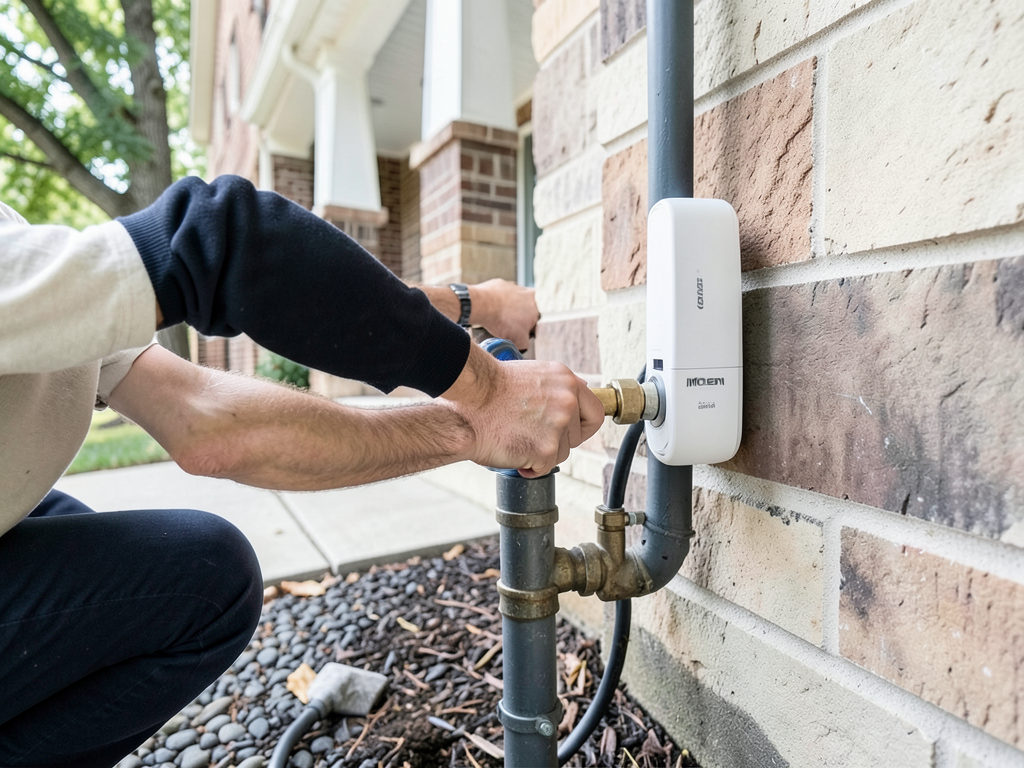
The Best Smart Leak Detectors to Prevent Water Damage in Ballantyne Water damage strikes Ballantyne…
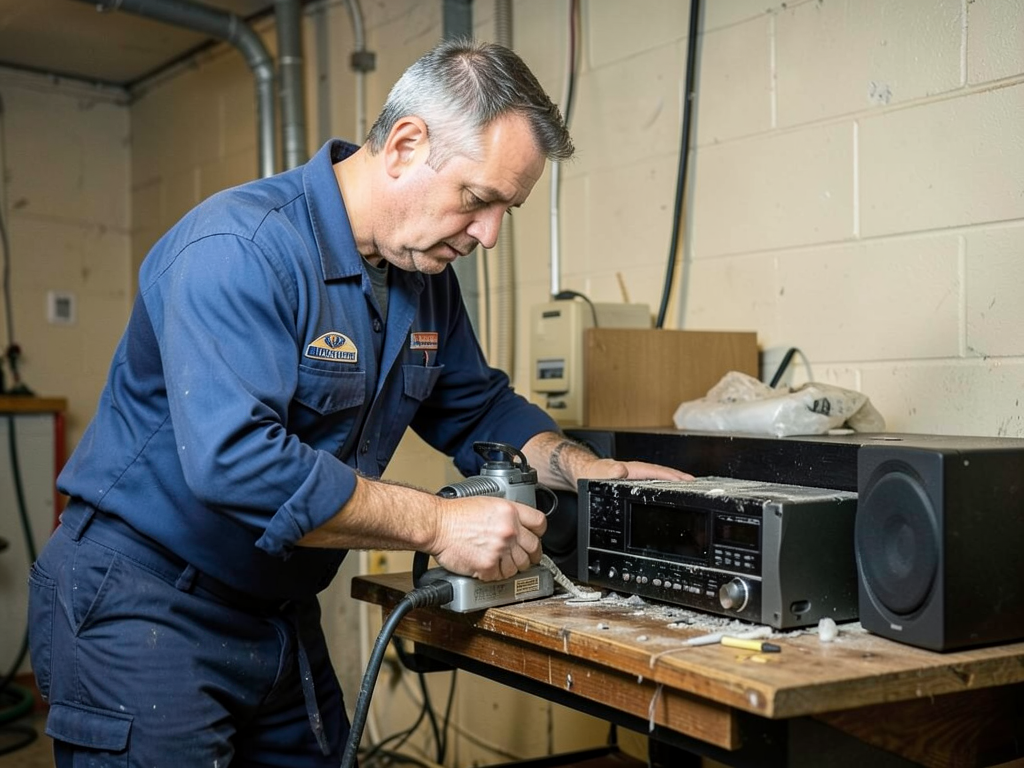
Safeguarding Expensive Home Theater Gear from Water Damage in Myers Park Myers Park’s stately homes…
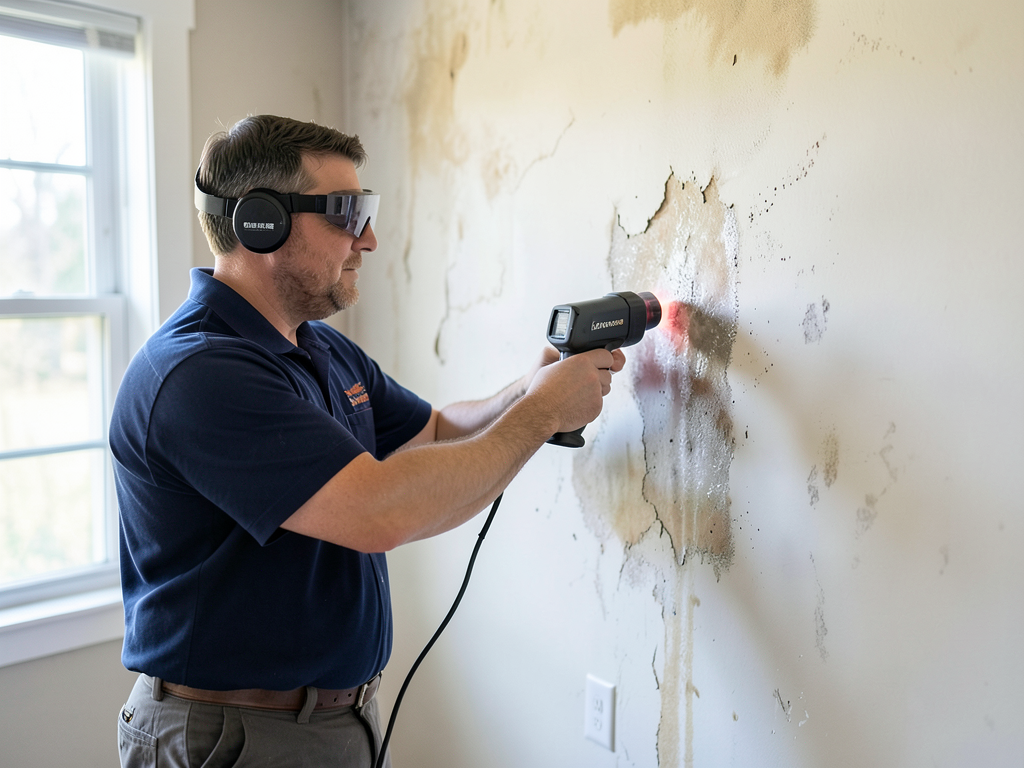
Common Health Symptoms That Might Point to Hidden Water Damage in Your Home Water damage…
Water damage spreads every minute. Stop the destruction and start restoration now. Call Cornerstone Water Damage Restoration Charlotte at (980) 342-9955 for immediate dispatch to your Belmont property. We answer 24/7 and arrive ready to extract water, dry your structure, and coordinate with insurance.