




Menu

Water Bug & Pest Infestations in Charlotte – Expert Moisture Source Elimination to Stop the Breeding Cycle

We Don't Just Spray Chemicals. Cornerstone Water Damage Restoration Charlotte Identifies and Eliminates the Hidden Water Sources That Attract Oriental Cockroaches, Silverfish, and Sewer Roaches to Your Home or Business.

Slider Image 1
Slider Image 2
Slider Image 3
Slider Image 4
Slider Image 5
Slider Image 7
Slider Image 8
Slider Image 9
Slider Image 10
Slider Image 11

Why Charlotte Homes Become Pest Magnets After Water Damage

You fixed the leak. You mopped the floor. So why are you still seeing roaches crawling out of the baseboards at night?

Charlotte's humid subtropical climate creates a perfect storm for moisture-related pest infestations. Our average 43 inches of annual rainfall, combined with clay soil that traps water around foundations, means your crawl space or basement is likely sitting at 70 percent humidity or higher. Oriental cockroaches thrive in this exact environment. They need moisture to survive, and they will travel through sewer lines, floor drains, and foundation cracks to find it.

Water damage roaches are not random. They are a symptom of a deeper problem. A slow leak behind your dishwasher. Condensation pooling under your HVAC ducts. A pinhole leak in a supply line buried in your crawl space. These damp environment insects are biological indicators. If you see them, you have standing water or elevated moisture somewhere in your structure.

Silverfish cluster near wet cardboard in basements. Sewer roach infestations explode when floor drains dry out and break the water seal. Centipedes hunt other bugs in damp corners. These are not pest control problems. These are water intrusion problems.

The mistake most homeowners make is calling an exterminator first. They spray. The bugs come back two weeks later. The cycle repeats because no one addressed the water source. You are treating the symptom, not the cause.

We fix the cause.

Why Charlotte Homes Become Pest Magnets After Water Damage
How We Eliminate the Moisture That Feeds the Infestation

How We Eliminate the Moisture That Feeds the Infestation

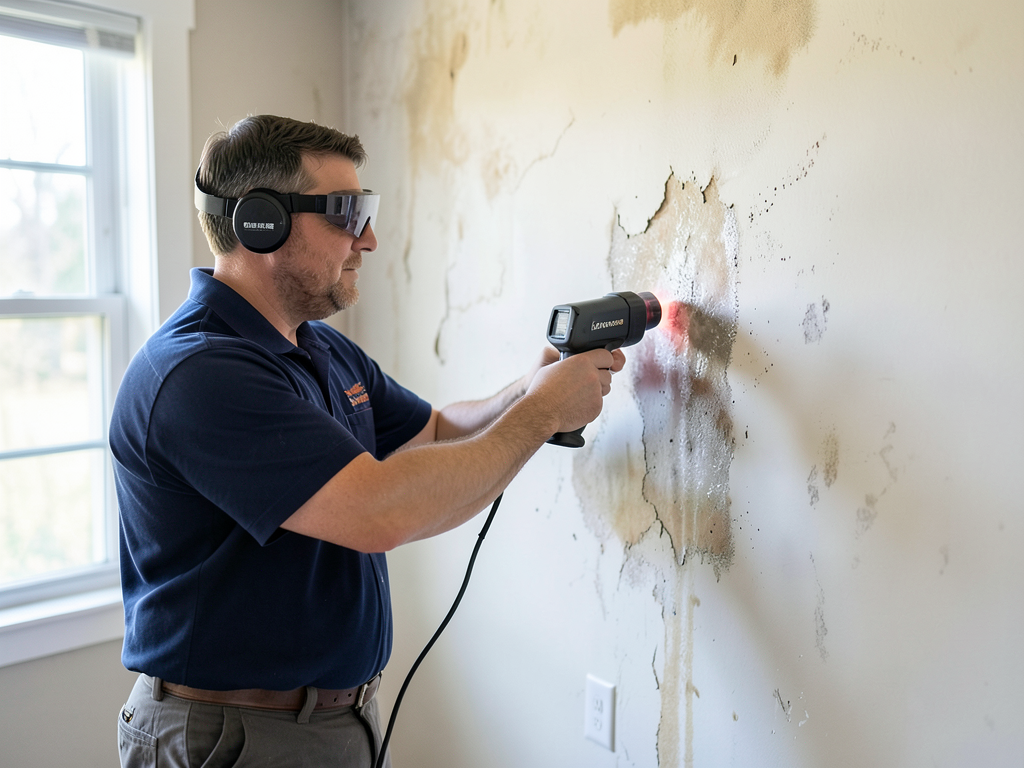
Cornerstone Water Damage Restoration Charlotte uses thermal imaging cameras and moisture meters to find hidden water intrusion that standard inspections miss. We do not guess. We measure.

We start with a full-structure moisture mapping. This includes your crawl space, basement, wall cavities, and HVAC system. We check for condensation on cold water lines, failed vapor barriers, and drainage issues around your foundation. We test humidity levels in every room. We inspect floor drains, sump pits, and sewer line access points.

Once we locate the moisture source, we address it at the structural level. If your crawl space vapor barrier is torn or missing, we install a new 12-mil reinforced barrier and seal it to the foundation walls. If your sump pump is failing, we replace it and install a battery backup system. If you have foundation cracks allowing groundwater seepage, we coordinate with a structural specialist to repair them correctly.

We then dry the affected areas using commercial dehumidifiers and air movers. We do not stop at surface drying. We bring wall cavities, subfloors, and insulation down to 15 percent moisture content or lower. This is the threshold where oriental cockroach problems and other damp environment insects can no longer survive.

After drying, we treat any remaining mold or bacterial growth with antimicrobial solutions. We remove contaminated insulation. We replace damaged drywall and baseboards. We restore your space to a dry, stable environment where pests cannot establish a colony.

This is not pest control. This is environmental control. You remove the habitat, and the pests leave on their own.

What Happens When You Call Us About a Pest Infestation

Water Bug & Pest Infestations in Charlotte – Expert Moisture Source Elimination to Stop the Breeding Cycle
01

Moisture Source Detection

We arrive with thermal imaging equipment and moisture meters to scan your property. We check crawl spaces, basements, behind appliances, and inside wall cavities. We identify every area with elevated moisture content, including hidden leaks you did not know existed. We map the exact locations where pests are entering and nesting. This diagnostic phase takes 60 to 90 minutes and gives us a complete picture of the problem.
02

Water Intrusion Repair

We stop the water at its source. This can involve repairing plumbing leaks, sealing foundation cracks, installing new vapor barriers, or correcting drainage grading around your home. We use industrial dehumidifiers to dry structural materials to safe moisture levels. We remove wet insulation, treat mold growth, and ensure your crawl space or basement reaches a stable humidity level below 50 percent. This phase eliminates the conditions that support water damage roaches and other moisture-dependent pests.
03

Environmental Stabilization

Once we achieve structural dryness, we install long-term moisture control solutions. This includes encapsulation systems for crawl spaces, sump pump installations, or dehumidifier systems to maintain safe humidity levels year-round. We seal entry points and restore damaged finishes. We provide you with humidity monitoring tools so you can confirm the environment stays dry. This prevents sewer roach infestations and other moisture-related pest infestations from returning. Your home becomes uninhabitable for pests.

Why Moisture Control Works When Pest Treatments Fail

Pest control companies spray pesticides. They set bait traps. They charge you monthly for repeated visits. But if your crawl space is sitting at 80 percent humidity, the bugs will keep coming back. You are fighting biology with chemicals, and biology always wins.

Charlotte homes built on clay soil face unique challenges. Clay expands when wet and contracts when dry. This constant movement creates foundation cracks. Water seeps in. Your crawl space becomes a swamp. Oriental cockroaches, which cannot survive without moisture, move in and establish colonies. Silverfish breed in wet cardboard boxes. Centipedes hunt in damp corners.

Traditional pest control does not address these structural conditions. We do. Cornerstone Water Damage Restoration Charlotte has worked in Charlotte long enough to know the common failure points. Homes in Dilworth and Myers Park with old brick foundations. Ranch homes in Ballantyne with undersized crawl space vents. Split-level homes in University City with basement seepage. We have seen every moisture intrusion scenario this region can produce.

We also understand local building codes. Charlotte requires proper drainage and moisture barriers for new construction, but older homes were built before these standards existed. If your home was built before 1990, you likely have inadequate crawl space ventilation, no vapor barrier, and poor foundation drainage. These are the conditions that create sewer roach infestations and other water damage roaches.

We fix the structure. The pests leave. That is the difference between treating symptoms and solving problems. You do not need monthly pest visits. You need a dry building.

What to Expect When You Work With Us

Response Time

We schedule moisture inspections within 24 hours of your call. If you have an active leak or flooding that is creating an immediate pest problem, we can dispatch a crew the same day. Our goal is to stop water intrusion quickly before it worsens the infestation. We understand that seeing roaches or silverfish in your living space is distressing. We treat it with urgency. Most moisture assessments take 60 to 90 minutes. We provide a written report with moisture readings, photos, and a detailed remediation plan before we leave your property.

Diagnostic Process

We use FLIR thermal imaging cameras to detect temperature differentials that indicate hidden moisture. We use pin-type and pinless moisture meters to test wood framing, drywall, insulation, and concrete. We inspect all plumbing fixtures, drain lines, and HVAC condensate lines. We check your attic for roof leaks and your crawl space for groundwater intrusion. We document everything. You receive a full report with moisture maps, photos, and specific repair recommendations. We explain exactly why pests are present and what it will take to eliminate the conditions they need to survive.

The Final Result

You get a structurally dry home with controlled humidity levels. We bring all affected materials down to safe moisture content. We seal crawl spaces with vapor barriers. We repair drainage issues. We remove contaminated insulation and treat mold growth. Your space becomes inhospitable to oriental cockroaches, silverfish, and other moisture-dependent pests. The result is not temporary. Once the water source is eliminated and the structure is dried, the pests cannot return. You eliminate the monthly exterminator bills because you eliminated the problem that was attracting them in the first place.

Post-Remediation Monitoring

We provide you with a hygrometer so you can monitor indoor humidity levels after we complete the work. We recommend keeping humidity between 30 and 50 percent to prevent future moisture-related pest infestations. If we installed a crawl space encapsulation system or dehumidifier, we offer annual inspections to ensure the equipment is functioning correctly. We also provide guidance on maintaining proper drainage around your foundation. If you experience any moisture issues within the first year after remediation, we return to assess the situation at no charge. Our goal is long-term environmental stability.

Frequently Asked Questions

You Have Questions,
We Have Answers

How to get rid of a waterbug infestation? +

Eliminate water bugs by removing their food and moisture sources. Fix leaking pipes under sinks and around water heaters. Seal cracks in baseboards, door sweeps, and around plumbing entry points. Remove standing water in basements and crawl spaces, which is common in Charlotte homes due to high humidity and clay soil drainage issues. Clean up food debris and store pantry items in sealed containers. Apply boric acid powder in dry areas behind appliances and along baseboards. For heavy infestations in older Dilworth or Myers Park homes, professional treatment with residual insecticides and growth regulators provides the most effective control.

What causes water bugs in your house? +

Water bugs enter Charlotte homes searching for moisture and food. Leaking pipes, dripping faucets, and condensation from HVAC systems create ideal conditions. Poor drainage around foundations, especially in clay-heavy soil areas, drives them inside during heavy rain. Gaps around doors, windows, utility penetrations, and foundation cracks provide entry points. Outdoor lights attract them at night. Clogged gutters and downspouts create moisture pockets near your foundation. Overgrown vegetation touching your home provides a bridge for entry. In older Charlotte neighborhoods, aging plumbing and foundation settling increase vulnerability. They also follow sewer lines into homes through floor drains and toilet bases.

How do you know if you have a waterbug infestation? +

You will notice large, dark brown or black insects around bathrooms, kitchens, and basements. Water bugs leave droppings that look like black pepper or coffee grounds near baseboards and in cabinets. You might find shed exoskeletons in dark corners or under sinks. A musty, oily odor indicates a heavy infestation. Check for egg casings, which are dark brown and oval-shaped, behind appliances. Water bugs are nocturnal, so turning on lights at night reveals activity. In Charlotte homes with crawl spaces, you may see them near floor vents or plumbing access points. Dead bugs near drains or in bathtubs also signal an infestation.

What is the hardest bug infestation to get rid of? +

Bed bugs rank as the hardest infestation to eliminate. They hide in microscopic cracks, reproduce quickly, and resist many common pesticides. German cockroaches come in second due to rapid breeding cycles and pesticide resistance. Termites require extensive treatment and monitoring because colonies can number in the millions. Carpenter ants establish multiple satellite colonies that complicate eradication. Fleas reproduce explosively and their eggs resist treatment. Water bugs are moderately difficult but not the worst. Professional treatment works well when combined with moisture control. In Charlotte, the high humidity makes all moisture-loving pests more persistent, requiring integrated pest management approaches for complete control.

What kills waterbugs instantly? +

Boric acid kills water bugs within hours by damaging their exoskeleton and digestive system. Diatomaceous earth works similarly by causing dehydration through physical abrasion. Insecticidal sprays containing pyrethroids or cyfluthrin provide quick knockdown on contact. Soapy water sprayed directly on bugs suffocates them immediately. Gel baits with fipronil or hydramethylnon kill within days after ingestion. For Charlotte homeowners, the challenge is not just killing visible bugs but eliminating the colony. Quick-kill products work on individual bugs, but professional treatments with residual insecticides and insect growth regulators prevent reproduction and provide lasting control in moisture-prone areas common to our region.

Does pouring bleach down the drain get rid of roaches? +

Bleach does not effectively eliminate roaches or water bugs. Pouring bleach down drains might kill a few bugs on contact, but it does not reach nesting areas or eliminate the colony. Bleach evaporates quickly and leaves no residual protection. Water bugs and roaches hide in pipe crevices and wall voids where bleach cannot reach. In Charlotte homes with older plumbing, drain treatments prove especially ineffective. The bugs simply retreat deeper into the system. Instead, use drain gels specifically formulated for insect control, fix leaking pipes that attract pests, and seal gaps around plumbing penetrations. Professional treatment targeting harborage areas provides better results than drain chemicals.

What time of year are water bugs most active? +

Water bugs are most active in Charlotte from late spring through early fall, peaking in July and August when heat and humidity reach their highest levels. Warm temperatures accelerate their breeding cycle and metabolism. Summer thunderstorms drive them indoors seeking dry shelter. You will see increased activity after heavy rains when outdoor habitats flood. In Charlotte, our humid subtropical climate means water bugs remain active longer than in northern regions. Mild winters allow some activity year-round, especially in heated basements and near water heaters. Indoor infestations can occur any month, but outdoor populations explode in summer, increasing the chances of home invasion through foundation cracks and door gaps.

What smell do water bugs hate? +

Water bugs hate strong scents like peppermint oil, cedarwood, eucalyptus, and citrus. These oils disrupt their sensory receptors and deter entry. Bay leaves repel them when placed in cabinets. Catnip contains nepetalactone, which bugs avoid. Lavender and tea tree oil also work as deterrents. However, scent-based repellents only discourage bugs temporarily and do not eliminate infestations. In Charlotte homes, relying solely on essential oils fails because high humidity dilutes the scent quickly. For effective control, combine deterrents with moisture reduction, sealing entry points, and removing food sources. Professional treatment remains the most reliable solution for established infestations in humid climates like ours.

Are water bugs as bad as roaches? +

Water bugs and roaches are equally problematic but differ in behavior. Both contaminate food, trigger allergies, and spread bacteria. American cockroaches, often called water bugs in Charlotte, prefer moist areas and grow larger than German roaches. German roaches infest kitchens more aggressively and reproduce faster. Oriental cockroaches, another water bug species, emit stronger odors and prefer basements. All species carry pathogens like salmonella and E. coli on their bodies. Water bugs bite occasionally when threatened, unlike most roaches. In Charlotte homes, both types exploit our humid climate and aging infrastructure. Neither pest is acceptable. Both require professional treatment for complete elimination and prevention.

Where do water bugs hide during the day? +

Water bugs hide in dark, moist areas during daylight hours. Check behind refrigerators, dishwashers, and washing machines where condensation accumulates. They shelter in gaps between cabinets and walls, inside cardboard boxes, and behind baseboards. Crawl spaces and basement floor drains provide ideal harborage in Charlotte homes. Look under sinks where plumbing leaks create moisture. They inhabit wall voids near bathrooms and kitchens. Water heater closets offer warmth and humidity. Outside, they hide under mulch, in gutters, beneath deck boards, and inside meter boxes. In older Charlotte neighborhoods like Plaza Midwood, they exploit foundation cracks and aging sewer connections for protected daytime shelter.

How Charlotte's Clay Soil and Humidity Create Year-Round Pest Pressure

Charlotte sits on Piedmont clay soil, which has extremely low permeability. When it rains, water does not absorb into the ground. It pools around foundations and seeps into crawl spaces through cracks and gaps. Combined with our 75 percent average annual humidity, this creates a continuous moisture supply for damp environment insects. Homes in older neighborhoods like Cotswold, Plaza Midwood, and NoDa are particularly vulnerable because they lack modern vapor barriers and foundation waterproofing. Oriental cockroach problems spike in late spring and early fall when rainfall increases and temperatures stay warm enough for breeding.

Cornerstone Water Damage Restoration Charlotte has worked with hundreds of homeowners across Mecklenburg County to solve moisture-driven pest issues. We understand the unique construction challenges in this region. We know that crawl space encapsulation is not optional in Charlotte. It is a necessity. We are familiar with the drainage requirements outlined in the North Carolina Residential Code and ensure all moisture control work meets or exceeds those standards. When you hire a local team, you get expertise that understands how Charlotte's environment affects your home. We do not use generic solutions. We apply proven methods tailored to the conditions we see every day.
Water Damage Restoration Services in The Charlotte Area

Cornerstone is proud to serve Charlotte and the surrounding areas, providing rapid and reliable water damage restoration services when you need them most. Our commitment extends to ensuring properties across our service region receive expert care. You can find our main office located conveniently, allowing us to quickly dispatch our teams to your location and address your water damage emergencies with efficiency and professionalism. We are always ready to assist you.

Address:
Cornerstone Water Damage Restoration Charlotte, 222 Baldwin Ave, Charlotte, NC, 28204

Additional Services We Offer

Our news updates

Latest Articles & News from The Blogs

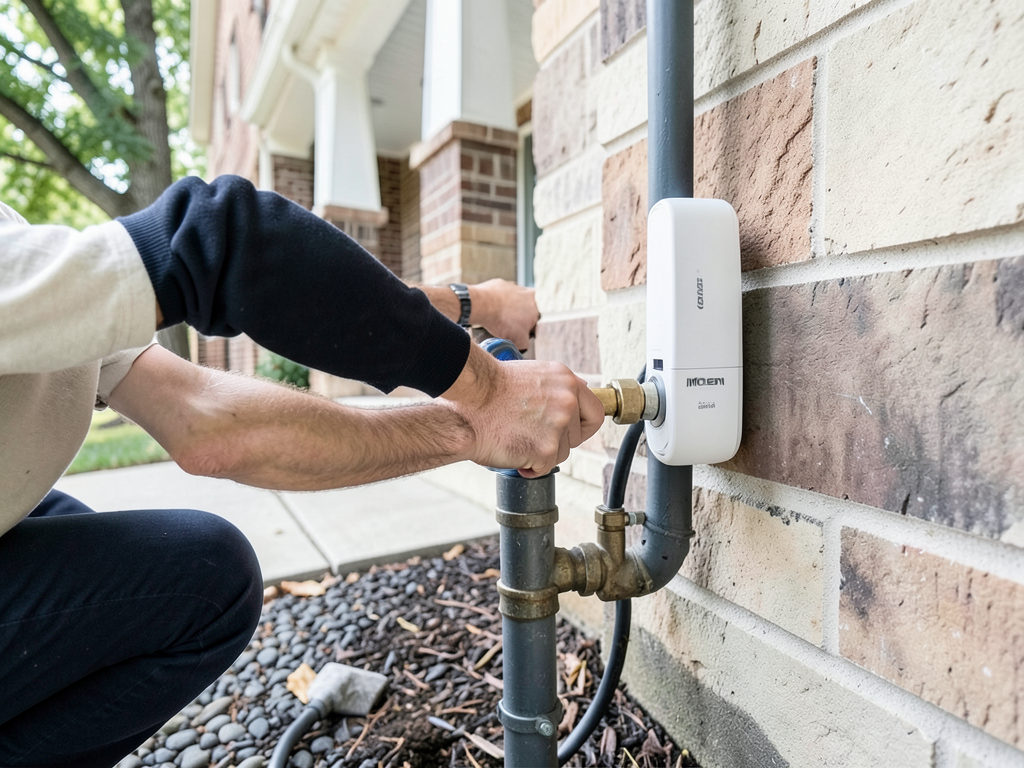
The Best Smart Leak Detectors to Prevent Water Damage in Ballantyne Water damage strikes Ballantyne homes every day from burst…

The Best Smart Leak Detectors to Prevent Water Damage in Ballantyne

The Best Smart Leak Detectors to Prevent Water Damage in Ballantyne Water damage strikes Ballantyne homes every day from burst…

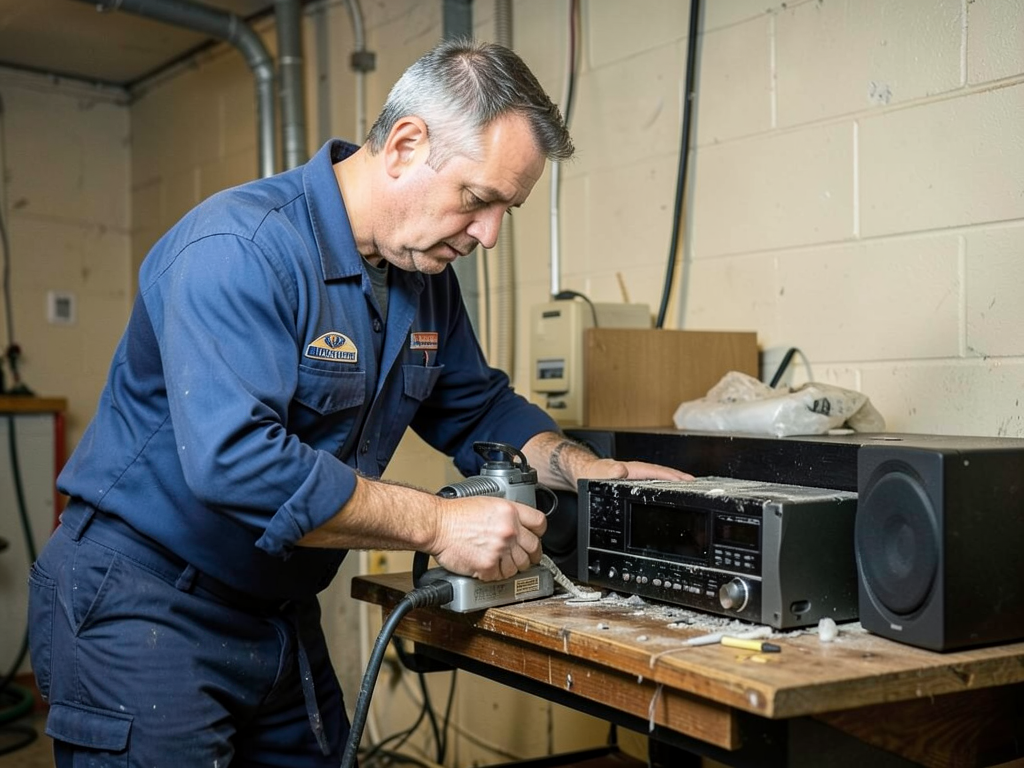
Safeguarding Expensive Home Theater Gear from Water Damage in Myers Park

Safeguarding Expensive Home Theater Gear from Water Damage in Myers Park Myers Park’s stately homes and finished basements create the…

Common Health Symptoms That Might Point to Hidden Water Damage in Your Home

Common Health Symptoms That Might Point to Hidden Water Damage in Your Home Water damage in your Charlotte home often…

Contact Us

If you are seeing roaches, silverfish, or other pests in your home, you have a moisture problem. Call Cornerstone Water Damage Restoration Charlotte at (980) 342-9955. We will find the water source, eliminate it, and restore your home to a dry, pest-free environment. No guessing. No monthly treatments. Just results.