



Menu

24/7 Washing Machine Overflow Cleanup in Charlotte – On-Site in 60 Minutes

When your washer floods, you need immediate washing machine overflow cleanup. We deploy emergency crews around the clock, extract standing water, dry subfloors, and stop mold before it starts in Charlotte homes.

Slider Image 1
Slider Image 2
Slider Image 3
Slider Image 4
Slider Image 5
Slider Image 7
Slider Image 8
Slider Image 9
Slider Image 10
Slider Image 11

Your Washing Machine Just Flooded Your Laundry Room. What Happens Next?

You hear the gush. You see water spreading across tile, seeping into baseboards, darkening hardwood in the hallway. A washing machine overflow can dump 30 gallons in minutes. That water does not stop at the laundry room. It migrates under cabinets, soaks drywall, and spreads into adjacent rooms. In Charlotte, where humidity averages 70 percent year-round, wet materials become mold breeding grounds in 24 to 48 hours.

Charlotte's clay-heavy soil makes foundation settlement common. Homes built on shifting clay often develop hairline cracks in slab foundations. When a washing machine overflows, water follows those cracks into crawl spaces and beneath flooring systems. You may see surface water disappear, but the real damage is happening where you cannot see it. Subfloor rot, insulation saturation, and microbial growth start fast.

Washing machine flood cleanup services are not about mopping up visible water. Professional washer water damage restoration involves moisture mapping with thermal imaging, removing saturated materials, drying structural cavities, and verifying dryness with hygrometers. Laundry machine overflow water removal requires truck-mounted extractors, not shop vacs. Every minute you wait, the damage spreads. Emergency washer flood remediation stops that progression.

You need a crew that understands how water behaves in Charlotte homes. You need technicians who know the difference between surface drying and structural drying. You need washing machine leak water extraction done right, the first time, before your insurance adjuster arrives.

Your Washing Machine Just Flooded Your Laundry Room. What Happens Next?
How We Stop Water Damage Before It Spreads

How We Stop Water Damage Before It Spreads

We do not show up with a mop and a fan. Cornerstone Water Damage Restoration Charlotte deploys IICRC-trained technicians with truck-mounted extraction units, infrared moisture detection, and commercial dehumidification systems. Our washing machine overflow cleanup process follows a damage containment protocol designed to prevent secondary damage.

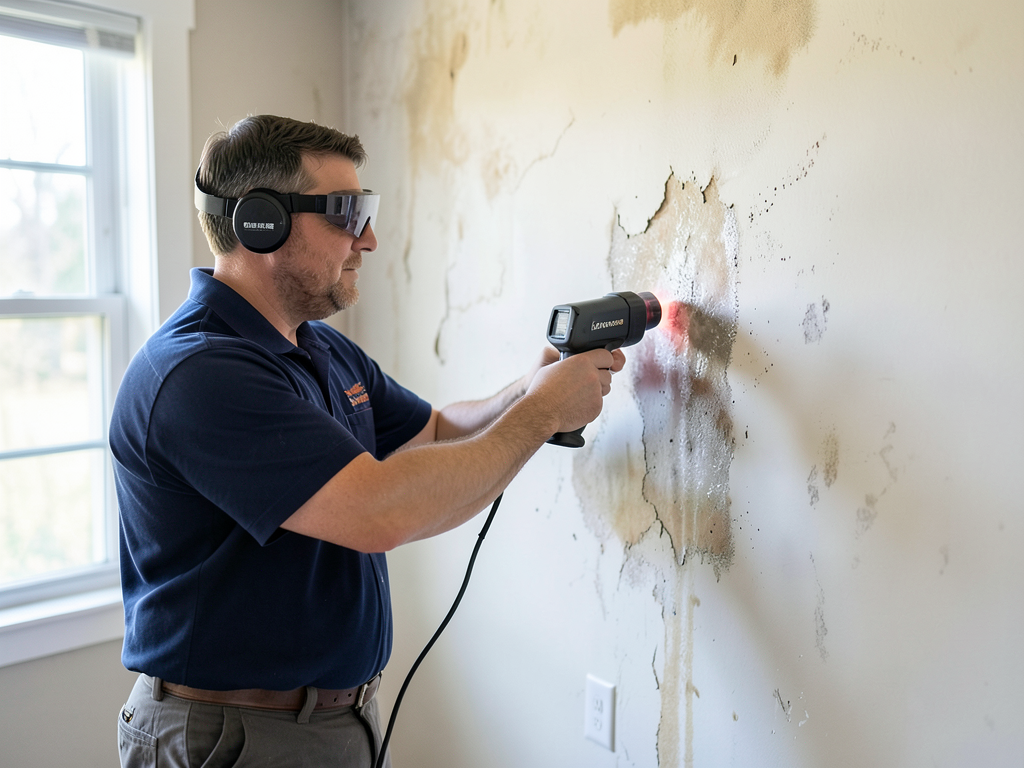
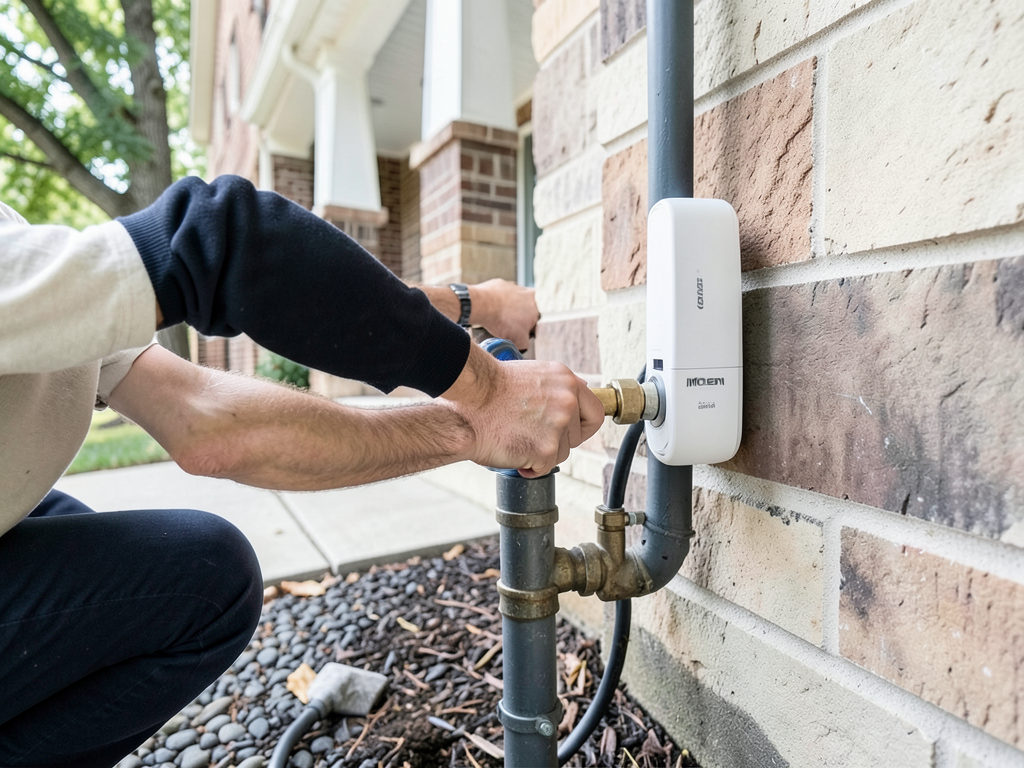
First, we isolate the water source. If the washer hose failed, we shut off the supply valve. If the pump seal cracked, we contain the leak. Second, we map the moisture footprint using thermal imaging cameras. Water migrates through wall cavities, under baseboards, and into subfloor layers. We measure moisture content in wood, drywall, and concrete to establish a drying baseline.

Next, we extract standing water with truck-mounted pumps capable of removing hundreds of gallons per hour. Surface extraction is just the start. We pull baseboards, drill weep holes in drywall, and insert air movers into wall cavities. We position axial fans to create airflow across wet surfaces and low-grain refrigerant dehumidifiers to pull moisture from the air. This accelerates evaporation and prevents mold spores from colonizing damp materials.

We monitor drying progress daily using moisture meters. When readings drop to normal levels, we verify with a final thermal scan. Only then do we begin controlled demolition of unsalvageable materials like saturated drywall or buckled hardwood. We document every phase with photos and moisture logs for your insurance claim. Washer water damage restoration is about controlling the environment, not just cleaning up water. That is the difference between surface drying and structural drying.

What Happens When You Call for Emergency Washer Flood Remediation

24/7 Washing Machine Overflow Cleanup in Charlotte – On-Site in 60 Minutes
01

Dispatch and Water Extraction

We answer your call 24/7, dispatch a crew within 30 minutes, and arrive on-site in under an hour. Our technicians bring truck-mounted extractors, portable pumps, and moisture detection equipment. We remove standing water immediately, pull saturated rugs and pads, and begin moisture mapping. Speed matters. The faster we extract, the less drywall and flooring we have to replace.
02

Drying and Dehumidification

We position high-velocity air movers to create airflow across floors, walls, and subfloor cavities. Commercial dehumidifiers pull moisture from the air, lowering relative humidity below 50 percent. We monitor drying daily with moisture meters and thermal imaging. This phase typically takes three to five days, depending on material saturation and humidity levels. We adjust equipment placement as readings drop.
03

Restoration and Verification

Once moisture readings hit acceptable levels, we remove equipment and begin controlled demolition of unsalvageable materials. We treat affected areas with antimicrobial solutions, replace baseboards, and prep surfaces for reconstruction. We provide a final moisture report with before-and-after readings, thermal images, and documentation for your insurance carrier. Your home is dry, safe, and ready for repairs.

Why Charlotte Homeowners Trust Us for Washing Machine Leak Water Extraction

Cornerstone Water Damage Restoration Charlotte understands how water behaves in homes built on Carolina clay. We know the difference between crawl space flooding and slab foundation seepage. We know that Charlotte's high humidity makes drying times longer and mold risk higher. We adjust our drying protocols for local conditions.

We work directly with insurance carriers. We know what your adjuster needs to see. We document moisture levels before extraction, during drying, and after restoration. We provide detailed estimates that match insurance line items. We handle the paperwork so you can focus on getting your home back to normal.

Our technicians are IICRC-certified in water damage restoration and applied structural drying. That means they understand psychrometrics, vapor pressure, and material-specific drying times. They do not guess when a floor is dry. They measure it with calibrated hygrometers. They do not assume a wall cavity is dry because the surface feels dry. They verify it with thermal imaging.

We use commercial-grade equipment, not homeowner gear. Our truck-mounted extractors pull more water in 10 minutes than a shop vac can remove in an hour. Our low-grain refrigerant dehumidifiers can drop relative humidity to 30 percent, creating an aggressive drying environment that prevents microbial growth.

Charlotte homeowners call us because we answer the phone at 2 a.m. We show up when we say we will. We dry what can be saved and remove what cannot. We do not drag out the process to inflate the invoice. We do washing machine overflow cleanup the right way, the first time.

What to Expect During Laundry Machine Overflow Water Removal

Immediate Response and Availability

We dispatch crews 24/7, 365 days a year. When you call, you speak to a live person, not a voicemail. We ask about the extent of flooding, the type of flooring affected, and whether water is still actively leaking. We send a two-person crew with extraction equipment within 30 minutes. Most Charlotte-area homes are reached in under 60 minutes. We begin water removal immediately upon arrival. Speed reduces damage, lowers drying time, and minimizes replacement costs. You do not wait until morning. You get help now.

Moisture Assessment and Damage Mapping

We use FLIR thermal imaging cameras to locate hidden moisture in walls, subfloors, and ceiling cavities. Moisture meters measure exact water content in wood, drywall, and concrete. We map the damage footprint and classify the water intrusion category (clean water from supply lines, gray water from drain overflows, or black water from sewer backups). We document baseline readings before extraction and create a drying plan tailored to the materials affected. You receive a written moisture report with photos and thermal images for your insurance claim.

Structural Drying and Final Verification

We deploy axial fans, centrifugal air movers, and commercial dehumidifiers to create controlled drying conditions. We monitor progress daily, adjusting equipment as moisture levels drop. Drying is complete when moisture readings return to normal ranges, verified by thermal imaging. We do not rely on touch or appearance. We measure with calibrated instruments. You receive a final moisture report showing before-and-after readings, demonstrating that structural drying is complete. Your home is dry, not just surface dry.

Post-Remediation and Preventive Guidance

After drying is complete, we treat affected areas with EPA-registered antimicrobial solutions to prevent mold colonization. We remove unsalvageable materials and prep surfaces for reconstruction. We provide guidance on preventing future washer overflows, including supply line replacement intervals, drain maintenance, and overflow pan installation. We do not offer warranties on drying services because moisture intrusion is an environmental event, not a manufactured product. But we guarantee our drying process meets IICRC S500 standards. You get professional-grade remediation, not a quick fix.

Frequently Asked Questions

You Have Questions,
We Have Answers

How to clean a washing machine overflow pipe? +

Turn off your washing machine and locate the overflow pipe, typically a small plastic tube near the detergent dispenser or drum. Remove any visible debris or lint by hand. Mix warm water with white vinegar and use a pipe brush or bottlebrush to scrub the interior. For stubborn buildup, pour vinegar through the pipe and let it sit for 30 minutes before flushing with hot water. In Charlotte's humid climate, overflow pipes clog faster due to mold and detergent residue. If the pipe remains blocked or you've experienced overflow damage, call a professional immediately to prevent hidden water damage in your walls or flooring.

How do you remove black mold from a washing machine rubber seal? +

Black mold on rubber seals thrives in Charlotte's high humidity. Mix equal parts white vinegar and water in a spray bottle. Spray the seal thoroughly and let it sit for 10 minutes. Scrub with a stiff brush or old toothbrush, focusing on the folds. For stubborn mold, make a paste with baking soda and water, apply it, and scrub again. Wipe clean with a damp cloth. After each wash, leave the door open to air out moisture. If mold has spread beyond the seal or caused health concerns, contact a water damage restoration specialist to inspect for hidden mold growth behind the machine.

Why are my clothes sopping wet after spin cycle? +

Sopping wet clothes after the spin cycle signal a mechanical or drainage problem. Check for a clogged drain pump filter, kinked drain hose, or faulty pump motor. Overloading the drum prevents proper spinning. An unbalanced load triggers safety sensors that stop the spin cycle early. In Charlotte homes with older plumbing, slow drainage can also cause this issue. Inspect the drain hose for blockages and ensure it's positioned correctly. If the problem persists, you may have a failing pump or motor. Stop using the machine immediately to prevent overflow and water damage. Call a technician or restoration specialist if water has already leaked.

How to clean up a washing machine flood? +

Act fast. Turn off the washing machine and shut off the water supply valves behind the unit. Remove standing water with a wet vacuum or towels. Pull the machine away from the wall to check for water damage underneath and behind. Use fans and dehumidifiers to dry the area within 24 hours to prevent mold growth, which spreads quickly in Charlotte's humid environment. Check nearby walls and flooring for moisture intrusion. If water has seeped into subflooring, drywall, or affected multiple rooms, call a water damage restoration company immediately. Hidden moisture creates mold and structural damage you cannot see.

Can I pour bleach down a washing machine drain pipe? +

Pouring bleach down a washing machine drain pipe can damage your plumbing system. Bleach reacts with standing water, grease, and detergent residue in pipes, potentially creating toxic fumes or corroding metal components. It does not effectively clear clogs. Instead, use a plumbing snake or enzyme drain cleaner designed for washing machine drains. If you suspect a clog or slow drain, flush the system with hot water. Charlotte's clay soil can shift pipes over time, causing drainage issues bleach cannot fix. For persistent clogs or backup overflow, contact a plumber or water damage specialist to inspect your drainage system before serious flooding occurs.

How do you clean the overflow pipe? +

Disconnect the overflow pipe from your washing machine. Use a pipe brush or bottlebrush to scrub the interior walls, removing lint, detergent buildup, and mold. Flush the pipe with a solution of hot water and white vinegar to dissolve residue. For severe clogs, use a plumbing snake to break up blockages. Rinse thoroughly with clean water. Charlotte's high humidity accelerates mold and mildew growth inside overflow pipes, so clean them every three months. Reattach the pipe securely and test the machine. If overflow damage has already occurred or the pipe shows cracks, call a restoration professional to assess water intrusion in your laundry room.

What is the black gunk in a rubber seal washing machine? +

The black gunk is a mix of mold, mildew, detergent residue, fabric softener buildup, and lint. Front-load washers trap moisture in the rubber seal folds, creating the perfect environment for mold growth, especially in Charlotte's humid climate. Using too much detergent or low-temperature washes worsens the problem. The gunk smells musty and can transfer to your clothes. Clean the seal regularly with vinegar or a mold-killing solution. Wipe the seal dry after each load and leave the door open to air out. If the smell persists or you see mold spreading beyond the seal, contact a mold remediation specialist immediately.

What kills mold better, bleach or vinegar? +

Bleach kills mold faster on non-porous surfaces, but vinegar works better for washing machine seals because it penetrates porous rubber without damaging the material. Bleach can degrade rubber over time and creates toxic fumes when mixed with other cleaners. Vinegar's acidity kills mold spores and prevents regrowth. For heavy mold infestations in Charlotte homes, where humidity fuels mold, vinegar is safer for regular maintenance. However, if mold has spread beyond the seal into walls or flooring from washing machine overflow, neither product is enough. You need professional mold remediation to remove hidden colonies and prevent health risks.

Can vinegar damage the washing machine seal? +

Vinegar does not damage washing machine seals when used correctly. White vinegar is acidic but safe for rubber and silicone materials. Use it diluted with equal parts water for regular cleaning. Avoid using vinegar excessively or in concentrated form, which can dry out rubber over time. Charlotte's humidity requires frequent seal cleaning to prevent mold, making vinegar the safest option for repeated use. After cleaning, wipe the seal dry and leave the door open. If your seal shows cracks, tears, or persistent mold despite cleaning, it may need replacement. Consult a technician to prevent leaks and water damage from developing.

Why is my washing machine not spinning all the water out of clothes? +

Your washing machine may not spin water out due to a faulty lid switch, broken drive belt, clogged drain pump, or failing motor. Overloading prevents the drum from reaching full spin speed. An unbalanced load triggers safety features that stop the spin cycle. Check for a kinked or clogged drain hose. In Charlotte homes, aging machines combined with hard water deposits can damage internal components. Inspect the drain filter for lint and debris. If the machine makes unusual noises or stops mid-cycle, turn it off immediately. Continued use risks overflow and water damage. Call a repair technician or restoration specialist if flooding has already started.

Why Charlotte's Humidity Makes Washing Machine Overflow Cleanup Time-Sensitive

Charlotte's average relative humidity stays above 70 percent for most of the year. When a washing machine overflows, that ambient moisture slows evaporation and accelerates mold growth. Materials stay wet longer. Mold spores, which are always present in the air, colonize damp drywall, insulation, and wood within 24 to 48 hours. The longer water sits, the more likely you are to face a mold remediation project on top of water damage restoration. Homes with crawl spaces, common in older Charlotte neighborhoods, face additional risk. Water migrates through floor joists into crawl spaces, where poor ventilation and high humidity create ideal mold conditions. Emergency washer flood remediation is not optional. It is a race against the clock.

Cornerstone Water Damage Restoration Charlotte has worked with local insurance adjusters, property managers, and homeowners across Mecklenburg County for years. We understand how local building practices affect water migration. We know the difference between pier-and-beam foundations common in older Dilworth homes and concrete slabs in newer subdivisions. We know that Charlotte's clay soil causes foundation settlement, which creates entry points for water intrusion. We know local adjusters expect IICRC documentation and moisture logs. When you hire us for washing machine leak water extraction, you get a team that speaks the language of Charlotte contractors, adjusters, and code inspectors. That local expertise translates into faster claims, better outcomes, and less hassle for you.
Water Damage Restoration Services in The Charlotte Area

Cornerstone is proud to serve Charlotte and the surrounding areas, providing rapid and reliable water damage restoration services when you need them most. Our commitment extends to ensuring properties across our service region receive expert care. You can find our main office located conveniently, allowing us to quickly dispatch our teams to your location and address your water damage emergencies with efficiency and professionalism. We are always ready to assist you.

Address:
Cornerstone Water Damage Restoration Charlotte, 222 Baldwin Ave, Charlotte, NC, 28204

Additional Services We Offer

Our news updates

Latest Articles & News from The Blogs

The Best Smart Leak Detectors to Prevent Water Damage in Ballantyne Water damage strikes Ballantyne homes every day from burst…

The Best Smart Leak Detectors to Prevent Water Damage in Ballantyne

The Best Smart Leak Detectors to Prevent Water Damage in Ballantyne Water damage strikes Ballantyne homes every day from burst…

Safeguarding Expensive Home Theater Gear from Water Damage in Myers Park

Safeguarding Expensive Home Theater Gear from Water Damage in Myers Park Myers Park’s stately homes and finished basements create the…

Common Health Symptoms That Might Point to Hidden Water Damage in Your Home

Common Health Symptoms That Might Point to Hidden Water Damage in Your Home Water damage in your Charlotte home often…

Contact Us

Water is spreading while you read this. Call Cornerstone Water Damage Restoration Charlotte at (980) 342-9955. We answer 24/7, dispatch immediately, and arrive ready to extract, dry, and restore. Do not wait. Do not hope it dries on its own. Get professional help now.