


Menu

Warehouse Flood Restoration in Charlotte | Industrial-Grade Solutions That Minimize Downtime

We deploy rapid extraction equipment, thermal drying systems, and contamination protocols designed for large-scale industrial facilities, so your warehouse returns to full operation without extended closures or inventory loss.

Slider Image 1
Slider Image 2
Slider Image 3
Slider Image 4
Slider Image 5
Slider Image 7
Slider Image 8
Slider Image 9
Slider Image 10
Slider Image 11

Why Charlotte Warehouses Face Unique Flood Risks

Charlotte's position in the Piedmont region creates specific vulnerabilities for industrial facilities. Summer thunderstorms produce intense rainfall that overwhelms drainage systems, particularly in older warehouse districts near Little Sugar Creek and Briar Creek. These low-lying areas flood quickly, and water enters through loading docks, floor drains, and foundation cracks.

Your warehouse sits on clay-heavy soil that shifts during wet periods. This soil movement creates foundation stress, cracks slab floors, and breaks underground plumbing. When a sprinkler line ruptures or a roof drain backs up during a storm, thousands of gallons flood your facility before your team even notices.

The humid climate compounds the problem. Once water enters, moisture spreads through inventory, seeps into pallet racking, and saturates drywall. Mold colonizes within 48 hours. If you store electronics, pharmaceuticals, or food products, contamination creates regulatory compliance issues and liability exposure.

Commercial flood remediation requires different equipment than residential jobs. You cannot dry 50,000 square feet with portable dehumidifiers. Industrial water damage cleanup demands truck-mounted extractors, desiccant dehumidifiers, and infrared scanning to locate hidden moisture in concrete slabs and wall cavities.

Delayed response converts a manageable incident into a total loss. Water wicks through cardboard packaging, damages HVAC ductwork, and corrodes electrical panels. Your operations halt. Revenue stops. Employees get sent home.

Distribution center water removal is not about saving carpets. It is about protecting capital assets, maintaining supply chain continuity, and avoiding six-figure business interruption losses.

Why Charlotte Warehouses Face Unique Flood Risks
How Industrial Flood Recovery Actually Works

How Industrial Flood Recovery Actually Works

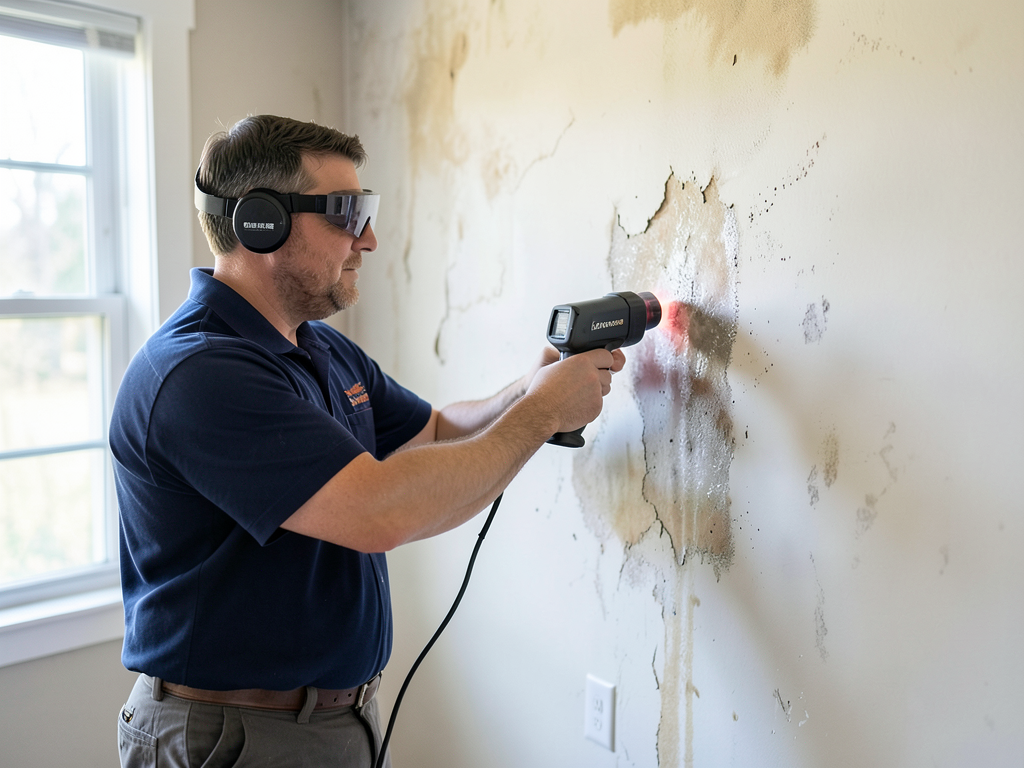
Warehouse water mitigation starts with containment. We isolate affected zones to keep operations running in unaffected areas. Our team maps the flood extent using moisture meters and thermal imaging cameras to identify saturation in concrete, wall assemblies, and insulation. This diagnostic phase prevents guesswork.

We extract standing water using truck-mounted pumps that move 200 gallons per minute. Floor drains get cleared, sump pumps get tested, and we verify that drainage infrastructure functions properly before drying begins. If your floor has expansion joints or control joints, we inspect those areas for subsurface water migration.

Drying happens in stages. We position commercial air movers to create laminar airflow across wet surfaces. Desiccant dehumidifiers remove moisture from the air at a rate far exceeding residential equipment. For concrete slab drying, we may inject warm, dry air beneath the surface using specialized mats. This process prevents efflorescence and adhesive failure if you plan to refinish floors.

We monitor drying progress daily using calibrated hygrometers. Concrete slabs must reach below 4.5 pH and 75% relative humidity before you can resume normal loading operations or install new flooring. Rushing this phase creates long-term problems.

Contamination control matters in industrial settings. If the flood involved sewage, chemical spills, or river water, we follow IICRC S500 standards for category 3 water. This requires antimicrobial treatment, disposal of porous materials, and air scrubbing with HEPA filtration.

Cornerstone Water Damage Restoration Charlotte coordinates with your insurance adjuster, provides detailed photo documentation, and delivers moisture logs that satisfy both underwriters and risk management teams. You get transparency, not surprises.

What Happens During Your Warehouse Restoration

Warehouse Flood Restoration in Charlotte | Industrial-Grade Solutions That Minimize Downtime
01

Emergency Assessment and Containment

We arrive on-site within hours, not days. Our team conducts a facility walk-through to identify water sources, assess structural damage, and determine contamination levels. We establish containment barriers using plastic sheeting and negative air pressure to isolate wet zones from active operations. You receive a written scope of work before any equipment gets deployed.
02

Water Extraction and Structural Drying

High-capacity pumps remove standing water from floors, loading bays, and storage areas. We extract moisture from walls, insulation, and HVAC plenums using injection drying techniques. Industrial dehumidifiers run continuously, monitored by technicians who adjust equipment based on real-time humidity readings. Thermal imaging confirms drying progress in hidden structural cavities that standard methods miss.
03

Verification and Facility Clearance

Before we leave, every affected area gets tested to verify moisture levels meet industry standards for your specific use case. We provide a certificate of completion with documentation showing your facility is safe for inventory restocking, equipment reinstallation, and normal operations. If repairs are needed, we coordinate with commercial contractors who understand industrial schedules and code compliance requirements.

Why Charlotte Warehouses Choose Cornerstone for Industrial Water Damage Cleanup

You need a restoration partner who understands commercial timelines, not residential service schedules. We maintain industrial-grade equipment specifically for large-scale projects. Our inventory includes trailer-mounted desiccant units, diesel-powered generators for facilities without power, and enough air movers to dry 100,000 square feet simultaneously.

We know Charlotte's commercial building stock. Warehouses in the Arrowood Industrial Park were built in the 1980s with different roof systems than newer facilities near Charlotte Douglas International Airport. Older buildings have flat roofs with membrane systems prone to ponding and leak points around HVAC curbs. Newer facilities have TPO roofing but often inadequate drainage for the intense rainfall events now common in this region.

Our team works with local commercial insurance adjusters regularly. We know what documentation your carrier requires, how to navigate business interruption claims, and what cost segregation matters for tax purposes if you replace damaged assets. This experience speeds up claims processing and reduces your administrative burden.

Compliance matters in industrial settings. If your warehouse handles food products, you face FDA regulations. Pharmaceutical distribution requires USP standards. We follow IICRC S500 protocols and provide documentation that satisfies third-party auditors and regulatory inspectors.

Charlotte sits in a growing logistics corridor. Your warehouse supports just-in-time inventory systems where even 24 hours of downtime creates supply chain disruptions. We prioritize speed without sacrificing quality. Our crews work around your schedule, including nights and weekends, to restore access to critical zones first.

Cornerstone Water Damage Restoration Charlotte is not a franchise operation using subcontractors. You get our trained employees, our equipment, and our accountability from start to finish.

What to Expect When You Call for Warehouse Flood Restoration

Response Time and Mobilization

We dispatch crews immediately after your call. For large-scale warehouse floods, we arrive with multiple technicians and equipment trailers to begin extraction within hours. Our goal is stopping damage progression before it compounds. You will speak with a project manager who coordinates directly with your facilities team, not a call center operator reading a script. We provide a preliminary timeline during the first site visit, adjusted as conditions become clear during initial assessment.

Site Assessment and Damage Mapping

We document affected areas using calibrated moisture detection tools, thermal imaging, and photographic evidence. This assessment identifies hidden damage in wall cavities, beneath flooring, and within structural elements that superficial inspections miss. You receive a detailed report showing moisture levels, contamination classification, and required remediation steps. This documentation supports insurance claims and provides transparency about scope and costs. We test for asbestos and lead if your facility was built before 1980.

Restoration Quality and Final Verification

Your facility is not restored when equipment gets removed. It is restored when moisture readings meet documented standards for your specific building materials and intended use. We provide final moisture reports showing compliance with IICRC standards, along with thermal images confirming uniform drying. If structural repairs are needed, we coordinate with commercial contractors who understand industrial building codes. You receive a completion certificate that satisfies insurance requirements and provides liability protection.

Post-Restoration Monitoring and Prevention

We offer follow-up inspections to verify that moisture levels remain stable and no secondary damage develops. For chronic flooding issues, we provide facility assessments identifying drainage problems, roof vulnerabilities, and plumbing risks that create repeat incidents. Many warehouse operators implement our recommendations for sump pump upgrades, floor drain maintenance, and roof inspection protocols. These preventive measures reduce future incidents and lower insurance premiums by demonstrating active risk management.

Frequently Asked Questions

You Have Questions,
We Have Answers

What is the average cost of remediation? +

Warehouse flood restoration costs vary based on water category, square footage, and structural damage. Clean water extraction from a broken pipe costs less than contaminated floodwater remediation. Large-scale commercial projects in Charlotte typically involve extensive equipment deployment, antimicrobial treatment, and dehumidification across thousands of square feet. Your total expense depends on inventory loss, wall cavity drying, concrete slab moisture issues common in regional construction, and business interruption duration. Most restoration companies provide detailed line-item estimates after initial inspection. Cost factors include water source elimination, structural drying time, mold prevention protocols, and code compliance requirements specific to Charlotte commercial buildings.

What's the difference between restoration and remediation? +

Restoration returns your warehouse to pre-loss condition through drying, cleaning, and rebuilding. Remediation addresses contamination hazards like mold growth, sewage, or chemical exposure. A warehouse flood may require both. Restoration focuses on structural repairs, equipment salvage, and operational readiness. Remediation involves containment barriers, HEPA filtration, antimicrobial application, and safe disposal of contaminated materials. Charlotte warehouses often need remediation when high humidity accelerates mold colonization within 48 hours post-flooding. The scope depends on water category, exposure duration, and affected building materials. Your facility may need restoration alone or combined remediation protocols.

How do restoration companies get paid? +

Restoration companies work directly with your commercial insurance carrier or through direct billing. Most Charlotte warehouse owners file claims immediately, and the restoration firm coordinates with adjusters to document loss, provide estimates, and secure approval. Payment structures include insurance assignment where the company bills your carrier directly, or you pay upfront and seek reimbursement. For uninsured losses, companies offer financing or payment plans. Emergency mitigation often begins before insurance approval to prevent secondary damage. The company invoices for equipment usage, labor, antimicrobial treatments, and disposal. Documentation is critical for Charlotte commercial property claims.

Is water damage restoration worth it? +

Water damage restoration protects your warehouse asset value and prevents catastrophic secondary losses. Charlotte's humidity accelerates mold growth, structural deterioration, and inventory contamination within days. Unaddressed water damage voids insurance coverage, violates lease terms, and creates liability exposure if employees or customers encounter hazardous conditions. Restoration costs are typically recoverable through insurance. Delayed action increases expenses exponentially as moisture migrates through concrete slabs, insulation, and wall cavities. Professional restoration minimizes downtime, preserves operational continuity, and maintains code compliance. The ROI includes avoided business interruption, preserved tenant relationships, and maintained property marketability.

Does insurance pay for water restoration? +

Commercial property insurance typically covers sudden and accidental water damage, including burst pipes, roof leaks, and storm flooding. Charlotte warehouse policies vary in coverage limits, deductibles, and exclusions. Standard policies cover extraction, drying, and structural repairs. Flood insurance through NFIP or private carriers is separate and required for certain flood zones. Your policy may exclude gradual damage, maintenance issues, or groundwater seepage. Carriers require prompt notification and professional mitigation to honor claims. Business interruption coverage offsets lost revenue during restoration. Review your policy's water damage provisions, coverage caps, and required documentation protocols before filing.

What are the three types of remediation? +

The three remediation types address contamination severity. Environmental remediation removes hazardous substances like chemicals, petroleum, or industrial pollutants from warehouse sites. Mold remediation eliminates fungal growth through containment, HEPA filtration, and material removal. Sewage remediation handles Category 3 water containing pathogens and toxins. Charlotte warehouses face all three scenarios depending on operations and flood source. Environmental remediation follows EPA protocols. Mold remediation requires containment barriers to prevent cross-contamination. Sewage remediation demands full PPE, antimicrobial treatments, and proper disposal. Each type involves specific safety protocols, certifications, and documentation requirements for regulatory compliance.

What does restoration include? +

Warehouse restoration includes water extraction, structural drying, cleaning, repairs, and reconstruction. The process starts with emergency water removal using truck-mounted extractors and submersible pumps. Industrial dehumidifiers and air movers dry building materials over days or weeks. Technicians monitor moisture levels in concrete, drywall, and insulation. Restoration includes antimicrobial application, odor control, and HVAC system cleaning. Structural repairs address damaged walls, flooring, electrical systems, and loading docks. Charlotte projects often involve roof repairs given storm exposure. Full restoration returns your facility to operational status with documentation for insurance and code compliance.

What are the 3 R's of recovery? +

The three Rs of recovery are Response, Remediation, and Restoration. Response involves immediate water extraction and damage assessment within hours of warehouse flooding. Speed prevents secondary damage in Charlotte's humid climate. Remediation addresses contamination through antimicrobial treatment, mold removal, and hazard elimination. This phase protects employee health and regulatory compliance. Restoration rebuilds your facility to pre-loss condition with structural repairs, equipment replacement, and operational readiness. Each phase requires specific expertise, equipment, and documentation. Effective recovery minimizes business interruption, preserves asset value, and ensures code compliance throughout the Charlotte commercial restoration process.

What are some successful remediation examples? +

Successful warehouse remediation examples include a Charlotte distribution center with 50,000 square feet flooded by sprinkler failure. The company extracted 200,000 gallons within 12 hours, deployed 80 dehumidifiers, and restored operations in nine days with zero inventory loss. Another case involved storm flooding with Category 2 water requiring full antimicrobial treatment and selective demolition. The team contained affected zones, maintained partial operations, and completed restoration in three weeks. A third example addressed hidden moisture in concrete slabs using thermal imaging and injection drying technology. These cases demonstrate rapid response, strategic containment, and business continuity focus.

What license does a restoration company need? +

Charlotte restoration companies need a North Carolina General Contractor license for structural repairs and reconstruction work. The North Carolina Licensing Board for General Contractors regulates this credential. Many firms hold IICRC certifications in Water Damage Restoration, Applied Structural Drying, and Mold Remediation. These industry certifications demonstrate technical competency. Companies handling hazardous materials need EPA certifications. Contractors must carry general liability insurance and workers compensation coverage. Some specialized work requires plumbing or electrical licenses. Verify your restoration company holds appropriate North Carolina licensure, maintains insurance, and employs IICRC-certified technicians before authorizing warehouse flood work.

How Charlotte's Flash Flooding Patterns Impact Warehouse Operations

Charlotte experiences intense summer thunderstorms that drop several inches of rain in under an hour, overwhelming drainage systems designed for slower, sustained rainfall. Warehouses in flood-prone areas near Irwin Creek, McMullen Creek, and Toby Creek face repeated inundation during these events. The city's rapid development has increased impervious surfaces, which accelerates runoff into industrial zones. Older warehouse districts were built before current stormwater regulations, leaving facilities vulnerable to street flooding that enters through loading docks and floor drains. Understanding these local hydrology patterns is critical for effective industrial flood recovery.

Charlotte enforces specific commercial building codes through Mecklenburg County inspections, particularly for flood mitigation in designated Special Flood Hazard Areas. Restoration work must meet these standards to pass final inspection and maintain occupancy permits. We work regularly with local building inspectors and understand the documentation requirements for commercial flood remediation projects. Our familiarity with Charlotte's regulatory environment prevents delays, failed inspections, and compliance issues that can extend your downtime and create liability exposure.
Water Damage Restoration Services in The Charlotte Area

Cornerstone is proud to serve Charlotte and the surrounding areas, providing rapid and reliable water damage restoration services when you need them most. Our commitment extends to ensuring properties across our service region receive expert care. You can find our main office located conveniently, allowing us to quickly dispatch our teams to your location and address your water damage emergencies with efficiency and professionalism. We are always ready to assist you.

Address:
Cornerstone Water Damage Restoration Charlotte, 222 Baldwin Ave, Charlotte, NC, 28204

Additional Services We Offer

Our news updates

Latest Articles & News from The Blogs

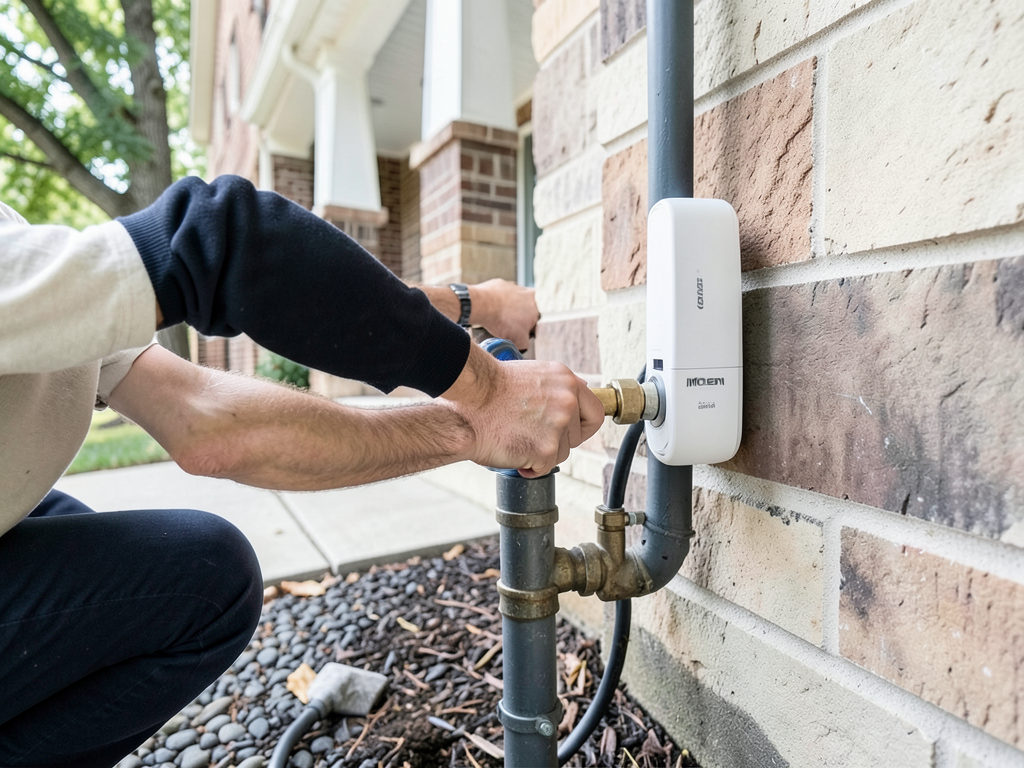
The Best Smart Leak Detectors to Prevent Water Damage in Ballantyne Water damage strikes Ballantyne homes every day from burst…

The Best Smart Leak Detectors to Prevent Water Damage in Ballantyne

The Best Smart Leak Detectors to Prevent Water Damage in Ballantyne Water damage strikes Ballantyne homes every day from burst…

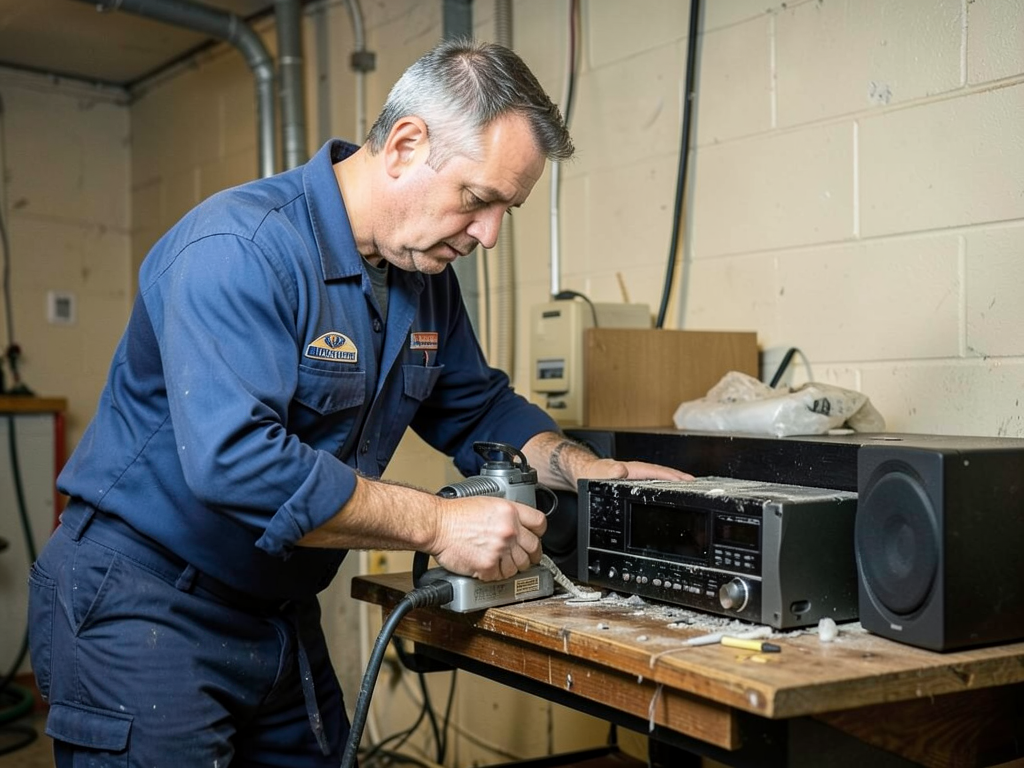
Safeguarding Expensive Home Theater Gear from Water Damage in Myers Park

Safeguarding Expensive Home Theater Gear from Water Damage in Myers Park Myers Park’s stately homes and finished basements create the…

Common Health Symptoms That Might Point to Hidden Water Damage in Your Home

Common Health Symptoms That Might Point to Hidden Water Damage in Your Home Water damage in your Charlotte home often…

Contact Us

Call (980) 342-9955 now for immediate dispatch. Our industrial water damage cleanup crews are ready to mobilize with the equipment your facility needs. Every hour of delay increases damage severity and extends your downtime.