




Menu

Visible Mold Growth on Walls in Charlotte – Expert Diagnosis and Safe Removal Without Guesswork

When you spot black mold patches on sheetrock or fungal growth spreading across your walls, you need accurate identification and complete containment to protect your home and health, not temporary cover-ups that let the problem spread.

Slider Image 1
Slider Image 2
Slider Image 3
Slider Image 4
Slider Image 5
Slider Image 7
Slider Image 8
Slider Image 9
Slider Image 10
Slider Image 11

Why Charlotte Homes Battle Wall Mold Year-Round

Charlotte sits at the intersection of heat, humidity, and unpredictable weather patterns. Summer humidity regularly pushes above 70 percent, creating ideal conditions for mold spores to colonize drywall, especially in poorly ventilated bathrooms, basements, and exterior-facing walls. Winter brings freeze-thaw cycles that crack exterior cladding and allow moisture intrusion behind the wall cavity. Spring storms dump several inches of rain in hours, overwhelming gutters and driving water through window frames and foundation cracks.

The clay-heavy soil throughout Mecklenburg County shifts with moisture changes, putting stress on foundation walls and creating hairline cracks that wick groundwater into your basement. Once moisture penetrates drywall or sheetrock, black mold spots appear within 48 hours. What starts as small fungal growth on wall surfaces quickly spreads into full wall mold infestations that compromise indoor air quality and structural integrity.

You notice the musty smell first. Then you see the discoloration. Visible mildew on painted walls often signals a larger problem hiding inside the wall cavity. The mold you see on the surface represents only a fraction of the total colony. Mold patches on sheetrock mean the paper backing has become a food source for active fungal growth, and spores are circulating through your HVAC system into every room.

Charlotte homeowners often discover mold after a plumbing leak, roof damage, or simply from chronic condensation in poorly insulated spaces. The longer you wait, the more aggressive the remediation process becomes.

Why Charlotte Homes Battle Wall Mold Year-Round
How Professional Mold Remediation Works

How Professional Mold Remediation Works

Effective mold remediation requires containment, removal, and source correction. Spraying bleach on visible mildew on painted walls does not kill subsurface colonies and actually adds moisture that feeds the problem. Professional remediation follows IICRC S520 standards to ensure complete removal without cross-contaminating clean areas of your home.

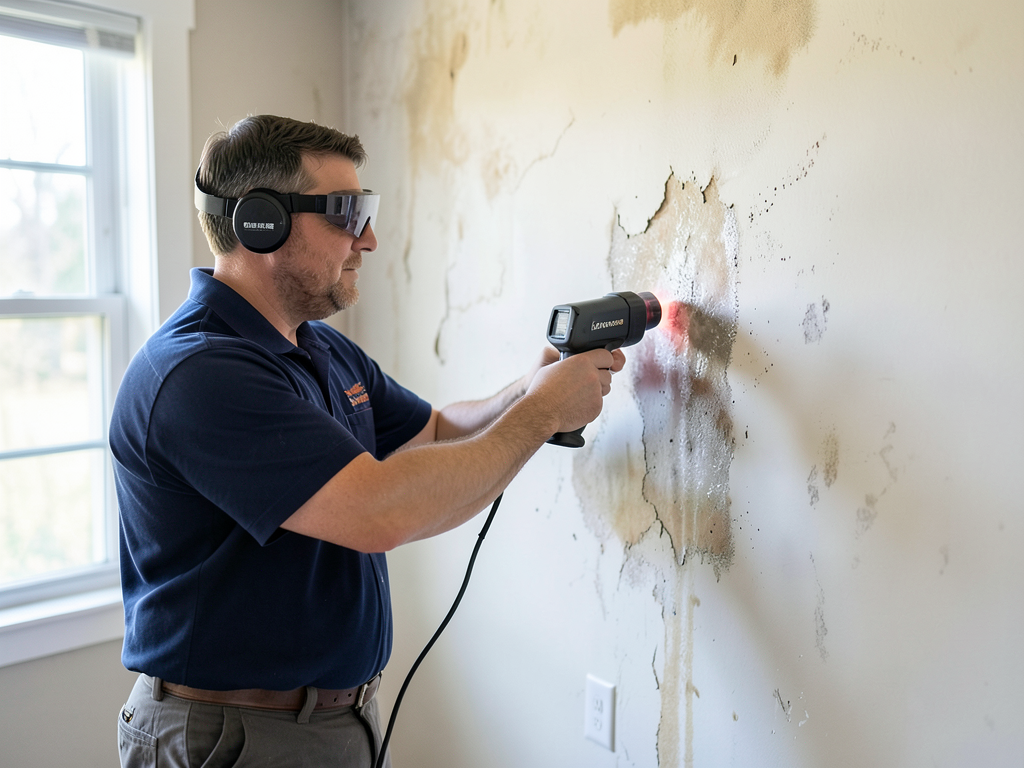
Cornerstone Water Damage Restoration Charlotte begins with moisture mapping using thermal imaging cameras and pin-type moisture meters. We identify the moisture source, whether it is a hidden pipe leak, condensation from poor ventilation, or bulk water intrusion from exterior envelope failure. You cannot remediate mold without stopping the water source.

Next, we establish negative air containment using polyethylene barriers and HEPA-filtered air scrubbers. This prevents airborne spores from spreading during demolition. Moldy drywall, insulation, and baseboards get removed and bagged in six-mil polyethylene before leaving the containment zone. We do not attempt to clean heavily contaminated porous materials like drywall because the mold penetrates too deeply.

After removing all contaminated materials, we treat the framing lumber with antimicrobial solutions and verify moisture content below 16 percent using a calibrated moisture meter. Structural cavities get HEPA-vacuumed to remove residual spore deposits. We then run air scrubbers for 72 hours to capture airborne particulates before clearance testing.

The final step involves third-party air quality testing to verify spore counts have returned to baseline levels. Only after passing clearance do we rebuild with mold-resistant drywall, ensure proper vapor barriers, and address the ventilation or drainage issues that caused the original problem. Remediation without source correction guarantees recurrence.

What Happens During Your Mold Inspection

Visible Mold Growth on Walls in Charlotte – Expert Diagnosis and Safe Removal Without Guesswork
01

Visual Assessment and Moisture Mapping

We inspect all visible mold growth and use thermal imaging to locate hidden moisture in wall cavities, ceilings, and flooring. Moisture meters measure exact water content in building materials to map the full extent of water damage. We trace the moisture back to its source, whether it is plumbing, roofing, or foundation intrusion. You get a written scope documenting all affected areas.
02

Containment and Safe Removal

We seal off the contaminated area with polyethylene sheeting and establish negative air pressure using HEPA air scrubbers. This prevents cross-contamination during demolition. All mold-infested materials get removed, bagged, and disposed of according to EPA guidelines. Structural surfaces get treated with antimicrobials and HEPA-vacuumed. We do not stop until moisture readings confirm the structure is dry and safe.
03

Clearance Testing and Prevention

After remediation, we perform post-remediation verification using air sampling and surface testing. A third-party lab analyzes spore counts to confirm successful remediation. We provide documentation for insurance claims and future property transactions. Before reconstruction begins, we address the underlying cause, whether it requires improved ventilation, foundation waterproofing, or plumbing repairs. You get a mold-free space designed to stay that way.

Why Charlotte Property Owners Choose Local Expertise

Mold remediation requires understanding local building science. Charlotte homes built before 1980 often lack vapor barriers in crawl spaces, allowing ground moisture to migrate through block foundations. Homes in neighborhoods like Myers Park, Dilworth, and Plaza Midwood feature brick veneer over wood framing with no drainage plane, a recipe for trapped moisture and hidden mold growth. Newer construction in areas like Ballantyne and Southpark may have spray foam insulation that traps moisture if exterior water intrusion occurs.

Cornerstone Water Damage Restoration Charlotte has remediated mold in every housing type across Mecklenburg County. We know how Charlotte's humid subtropical climate interacts with different construction methods. We understand local building codes and work with insurance adjusters familiar with regional claim patterns. When we identify the moisture source, we recommend solutions appropriate for Charlotte's weather and soil conditions.

National franchise companies follow generic checklists that miss local nuances. They may not recognize that Charlotte's clay soil causes differential foundation settlement that cracks exterior brick veneer, or that summer dew points above 70 degrees create condensation on cold air conditioning ducts in unconditioned attics. Local expertise means faster, more accurate diagnosis and repairs that actually prevent recurrence.

You also get faster response times. We operate exclusively in the Charlotte metro area, which means we arrive quickly when you call, not three days later when mold has spread further. Our teams know the quickest routes to every neighborhood. We maintain relationships with local contractors, inspectors, and suppliers, which speeds up the entire process from containment to reconstruction. Local matters when mold threatens your home and health.

What You Can Expect From Start to Finish

Response Time and Availability

We respond to mold inspection requests within 24 hours, with same-day availability for urgent situations. Active mold growth requires fast action to prevent further spread and health exposure. After the initial assessment, we provide a detailed remediation plan and timeline. Most residential mold jobs move into containment and removal within 48 hours of approval. We work around your schedule and keep you updated daily on progress. Emergency situations get priority dispatch regardless of the time or day.

Inspection and Scope Documentation

The initial inspection takes 60 to 90 minutes depending on property size and complexity. We use thermal imaging, moisture meters, and visual assessment to identify all affected areas. You receive a written scope detailing every location with mold growth, moisture readings, and the recommended remediation approach. We include photo documentation for insurance purposes. If lab testing is needed to identify mold species, we collect samples and coordinate with certified laboratories. You know exactly what needs to be done before any work begins.

Final Outcome and Air Quality

Successful remediation means you pass third-party clearance testing. Spore counts return to normal background levels found in outdoor air. All contaminated materials are removed and disposed of properly. Structural components are dry, treated, and verified with moisture readings below 16 percent. You receive a certificate of completion and lab reports documenting air quality results. The space is safe for reconstruction and reoccupation. We coordinate with your contractor or insurance company to transition seamlessly into rebuilding.

Follow-Up and Prevention Guidance

After remediation, we provide detailed recommendations to prevent recurrence. This may include improving ventilation, installing dehumidifiers, repairing drainage issues, or upgrading insulation to prevent condensation. We identify building envelope deficiencies that allowed moisture intrusion and suggest permanent solutions. You get a written prevention plan specific to your property. We also offer follow-up inspections at six-month intervals to verify conditions remain stable. Our goal is permanent resolution, not repeat business from the same problem.

Frequently Asked Questions

You Have Questions,
We Have Answers

What to do if I see mold on my wall? +

Stop the spread first. Do not touch or disturb the mold. Turn off your HVAC to prevent spores from circulating. Open a window if weather permits, but Charlotte's high humidity can make this tricky. Take photos for insurance documentation. If the affected area is larger than 10 square feet, you need professional remediation. Small patches on non-porous surfaces can be wiped with detergent, but wall mold often indicates hidden moisture issues behind drywall. Address the water source immediately, whether it's a roof leak, plumbing failure, or condensation from poor ventilation.

Can mold make a baby cough? +

Yes. Babies have developing respiratory systems that react strongly to mold spores. You may notice persistent coughing, wheezing, or congestion that worsens at home. Charlotte's humid climate creates ideal conditions for mold growth, especially in older homes with poor ventilation. If your baby coughs more indoors than outdoors, investigate your walls, ceiling corners, and crawl spaces. Remove the child from the space and consult your pediatrician. Do not attempt DIY removal if mold is widespread. Professional testing identifies the mold type and concentration, helping doctors determine if mold exposure is the cause.

Can mold cause twitching? +

Certain mold species produce mycotoxins that affect your nervous system, potentially causing muscle twitching or tremors. Black mold (Stachybotrys chartarum) is the most common neurotoxin producer found on water-damaged walls in Charlotte homes. Twitching paired with headaches, dizziness, or brain fog warrants immediate medical attention. Leave the affected area and document your symptoms. Professional mold testing determines if toxic species are present. Charlotte's humid summers create conditions where mold grows rapidly behind walls, especially after water damage. Do not ignore neurological symptoms. They indicate serious exposure requiring both medical intervention and professional remediation.

What does toxic mold look like on walls? +

Toxic black mold appears dark green or black with a slimy, wet texture. It grows in patches or clusters on drywall, often near water sources or areas with condensation. The surface may look fuzzy or powdery when dry. Toxic mold thrives in Charlotte homes after flooding, roof leaks, or HVAC condensation issues. You may smell a strong musty, earthy odor before you see growth. Color alone does not confirm toxicity. Black mold requires lab testing to identify Stachybotrys or other harmful species. If you see dark mold covering more than a few square feet, professional assessment is critical.

What kills mold permanently on walls? +

Nothing kills mold permanently if you ignore the moisture source. Bleach only removes surface mold and does not penetrate porous materials like drywall or wood studs. Professional remediation uses antimicrobial agents, HEPA filtration, and complete removal of contaminated materials. In Charlotte, mold returns quickly due to high humidity and seasonal rain. You must fix the leak, improve ventilation, and control indoor humidity below 50 percent. Encapsulation products seal surfaces after remediation, but moisture control is the only permanent solution. Without addressing the water problem, mold will return within weeks.

Will mold go away if it dries out? +

No. Dormant mold remains alive and reactivates when moisture returns. Charlotte's climate swings between humid summers and damp winters, creating repeated mold growth cycles. Dried mold still releases spores that trigger allergies and respiratory problems. The root structure penetrates drywall and wood, waiting for the next moisture event. Even if visible growth disappears, hidden colonies remain inside wall cavities. Professional remediation removes contaminated materials entirely. Drying out a moldy wall stops active growth temporarily but does not eliminate the health risk or structural damage. Complete removal is the only safe solution.

What are the first signs of mold sickness? +

Persistent congestion, sneezing, and watery eyes that improve when you leave home are early warning signs. You may experience headaches, fatigue, or skin rashes. Charlotte residents often mistake mold sickness for seasonal allergies due to high pollen counts. Pay attention to symptoms that worsen in specific rooms or after rain events. Respiratory irritation, throat scratchiness, and coughing without other illness are red flags. If multiple household members feel sick simultaneously, inspect walls for visible growth or musty odors. Early detection prevents serious health complications. Consult a doctor and arrange professional mold testing immediately.

How do I tell if mold is in my lungs? +

You cannot self-diagnose lung mold. Persistent cough, shortness of breath, chest tightness, or wheezing that does not respond to typical treatments may indicate fungal infection. Aspergillosis is the most common mold-related lung condition. Your doctor will order chest X-rays, CT scans, or sputum cultures to detect fungal growth. Blood tests measure immune response to mold exposure. If you have asthma or a compromised immune system, Charlotte's humid environment increases your risk. Do not wait for severe symptoms. Schedule a medical evaluation if you have chronic respiratory issues and visible mold in your home.

Can I clean up mold myself? +

Only if the area is smaller than 10 square feet, on non-porous surfaces, and you have no health conditions. Use detergent and water, not bleach, which releases harmful fumes. Wear an N95 mask and gloves. Charlotte's high humidity means wall mold often indicates hidden growth inside cavities. If mold returns after cleaning, you have a moisture problem requiring professional diagnosis. Do not disturb large mold colonies. You will spread spores throughout your home. Toxic mold species demand professional containment and HEPA filtration. Insurance may cover remediation costs, making DIY cleanup financially unwise.

What are the mental symptoms of mold poisoning? +

Mold mycotoxins affect brain function, causing anxiety, depression, brain fog, and memory problems. You may experience irritability, mood swings, or difficulty concentrating. Charlotte homeowners often dismiss these symptoms as stress, not realizing mold exposure is the cause. Neurological effects worsen with prolonged exposure, especially to black mold. Some people report confusion, disorientation, or sudden personality changes. Mental symptoms paired with physical signs like headaches or respiratory issues strongly suggest mold toxicity. Document your symptoms and their timing. Leave the contaminated space. Consult a healthcare provider familiar with environmental illness and arrange professional mold testing immediately.

How Charlotte's Humidity and Clay Soil Create Perfect Mold Conditions

Charlotte averages 43 inches of rain annually, with summer humidity regularly exceeding 70 percent. This combination keeps building materials at elevated moisture levels, especially in crawl spaces, basements, and poorly ventilated bathrooms. The clay-heavy soil throughout Mecklenburg County absorbs water slowly, causing it to pool against foundations during heavy rain. Expansive clay also shrinks during dry periods, creating foundation cracks that allow water intrusion. Homes near McDowell Creek, Little Sugar Creek, and other waterways face additional risk from seasonal flooding and high water tables. Charlotte's building stock includes thousands of older homes without modern vapor barriers or drainage systems, making them especially vulnerable to black mold spots on drywall and fungal growth on wall surfaces after even minor water events.

Mold remediation in Charlotte requires understanding regional construction practices and environmental challenges. Cornerstone Water Damage Restoration Charlotte has worked throughout the greater Charlotte metro, from historic homes in Dilworth to new construction in Ballantyne. We know how local building codes have evolved and where common vulnerabilities exist in different housing types. Our technicians receive ongoing training in IICRC standards and maintain certifications in water damage restoration and applied microbial remediation. When you choose a local provider, you get teams who understand Charlotte's climate, soil conditions, and architectural styles. We work with local insurance adjusters who recognize legitimate claims and move approvals quickly. Local expertise means accurate diagnosis, appropriate solutions, and fewer surprises during remediation.

Water Damage Restoration Services in The Charlotte Area

Cornerstone is proud to serve Charlotte and the surrounding areas, providing rapid and reliable water damage restoration services when you need them most. Our commitment extends to ensuring properties across our service region receive expert care. You can find our main office located conveniently, allowing us to quickly dispatch our teams to your location and address your water damage emergencies with efficiency and professionalism. We are always ready to assist you.

Address:
Cornerstone Water Damage Restoration Charlotte, 222 Baldwin Ave, Charlotte, NC, 28204

Additional Services We Offer

Our news updates

Latest Articles & News from The Blogs

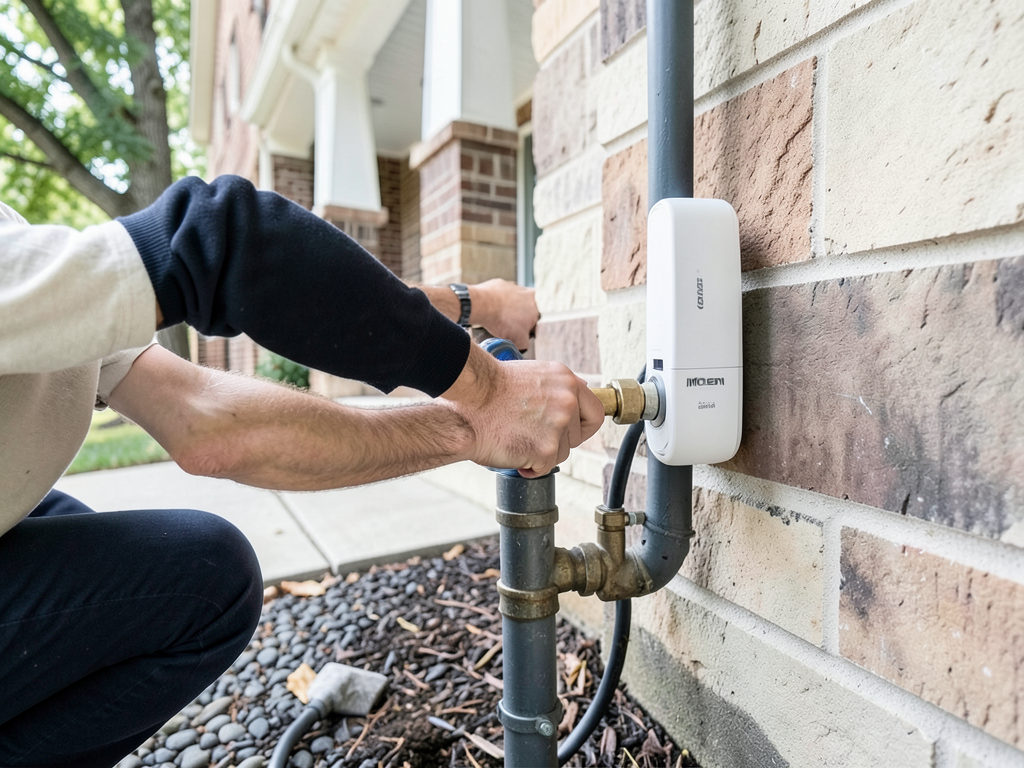
The Best Smart Leak Detectors to Prevent Water Damage in Ballantyne Water damage strikes Ballantyne homes every day from burst…

The Best Smart Leak Detectors to Prevent Water Damage in Ballantyne

The Best Smart Leak Detectors to Prevent Water Damage in Ballantyne Water damage strikes Ballantyne homes every day from burst…

Safeguarding Expensive Home Theater Gear from Water Damage in Myers Park

Safeguarding Expensive Home Theater Gear from Water Damage in Myers Park Myers Park’s stately homes and finished basements create the…

Common Health Symptoms That Might Point to Hidden Water Damage in Your Home

Common Health Symptoms That Might Point to Hidden Water Damage in Your Home Water damage in your Charlotte home often…

Contact Us

Do not let visible mold growth compromise your home and health. Call Cornerstone Water Damage Restoration Charlotte at (980) 342-9955 for a thorough inspection and honest assessment. We provide written scopes, work directly with insurance, and guarantee complete remediation backed by third-party clearance testing.