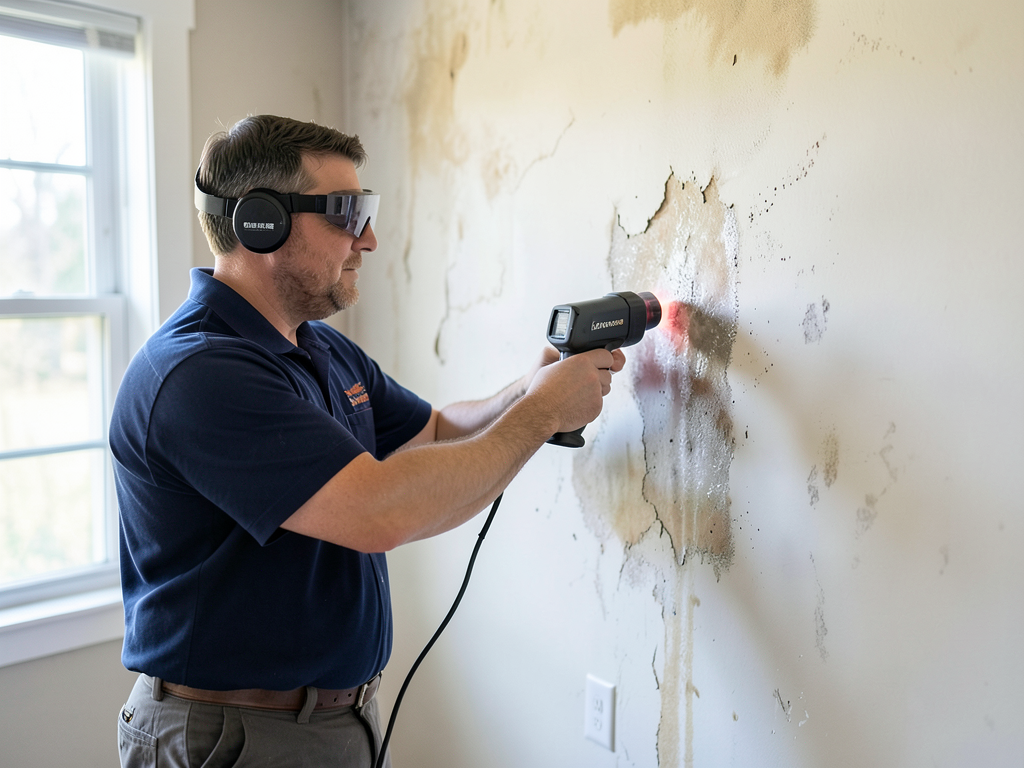





Charlotte sits on expansive clay soil that swells when wet and shrinks when dry. This constant movement stresses residential plumbing, particularly waste lines and toilet flanges. When a wax seal fails or a waste line cracks, sewage does not just pool on the surface. It soaks into subflooring fast. Add Charlotte's average 70 percent humidity, and you have ideal conditions for rapid microbial growth. Mold spores colonize within 24 hours. What starts as a simple overflow turns into a full mold remediation job if not handled immediately. The local climate does not forgive delays in toilet flood restoration.
Mecklenburg County enforces strict health and safety codes for sewage cleanup, especially in occupied residences. Improper remediation can result in failed inspections, disclosure requirements, and liability issues if contamination spreads to neighboring units in multi-family buildings. Local adjusters and inspectors expect IICRC-compliant work, documented moisture readings, and proper disposal of biohazardous materials. Choosing a local Charlotte team that understands these requirements protects you legally and financially. We know what the county expects, and we document every step to prove compliance.