The Important Differences Between Water Mitigation and Full Reconstruction
Water damage in Charlotte homes and businesses follows a two-phase recovery process that many property owners do not understand until they face an insurance claim. The first phase stops the damage from spreading while the second phase rebuilds what was destroyed. Understanding this distinction affects everything from your insurance coverage to how long you will be displaced from your property. Specialized Water Damage Restoration for Historic Homes in Dilworth.
When water invades your property you need both emergency response and structural repair. The Charlotte area’s high humidity and clay soil create unique challenges that make this two-phase approach essential for complete restoration. Rapid Water Extraction and Drying for Properties Near Lake Norman.
Phase 1: Water Mitigation (The Emergency Response)
Water mitigation is the immediate process of preventing further damage after water intrusion. This emergency phase focuses on stopping the water source removing standing water and creating conditions that prevent secondary damage like mold growth. The goal is to stabilize the property and protect what remains intact. Steps to Take After a Flood.
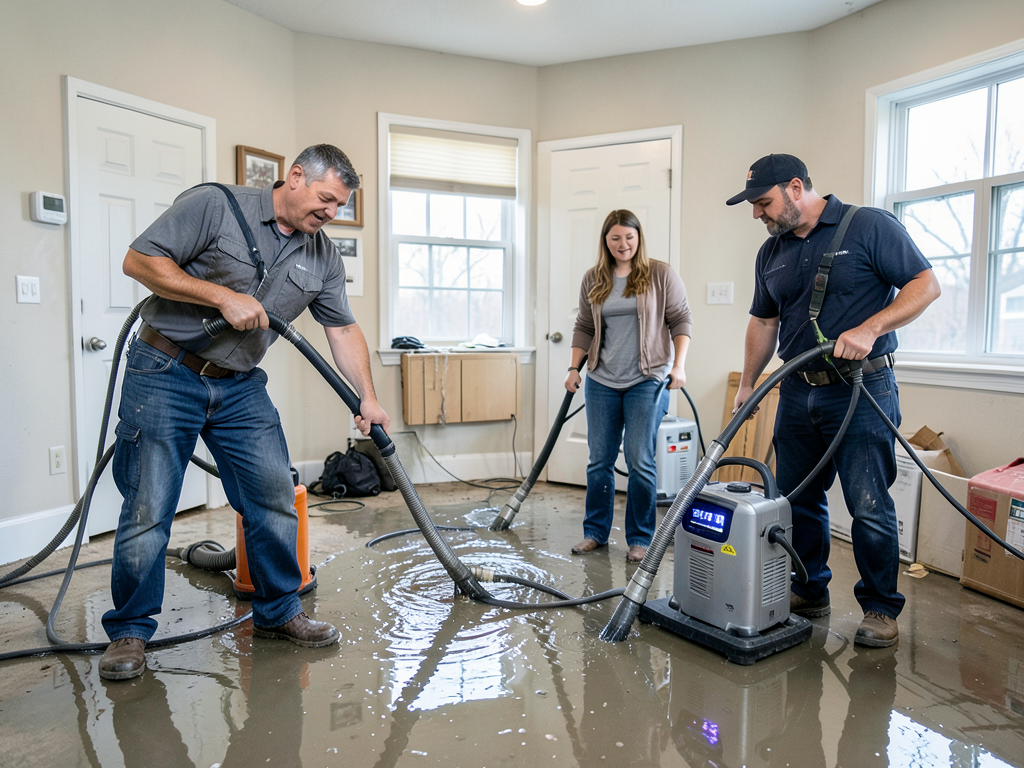
Professional mitigation technicians arrive within hours to begin emergency services. They use industrial-grade equipment to extract water from carpets flooring and cavities. High-powered air movers and commercial dehumidifiers then remove moisture from the air and materials. The process continues until the property reaches the dry standard – the moisture content level typical for unaffected materials in your specific environment.. Read more about Managing Water Intrusion and Repairs for Detached Guest Houses in Chantilly.
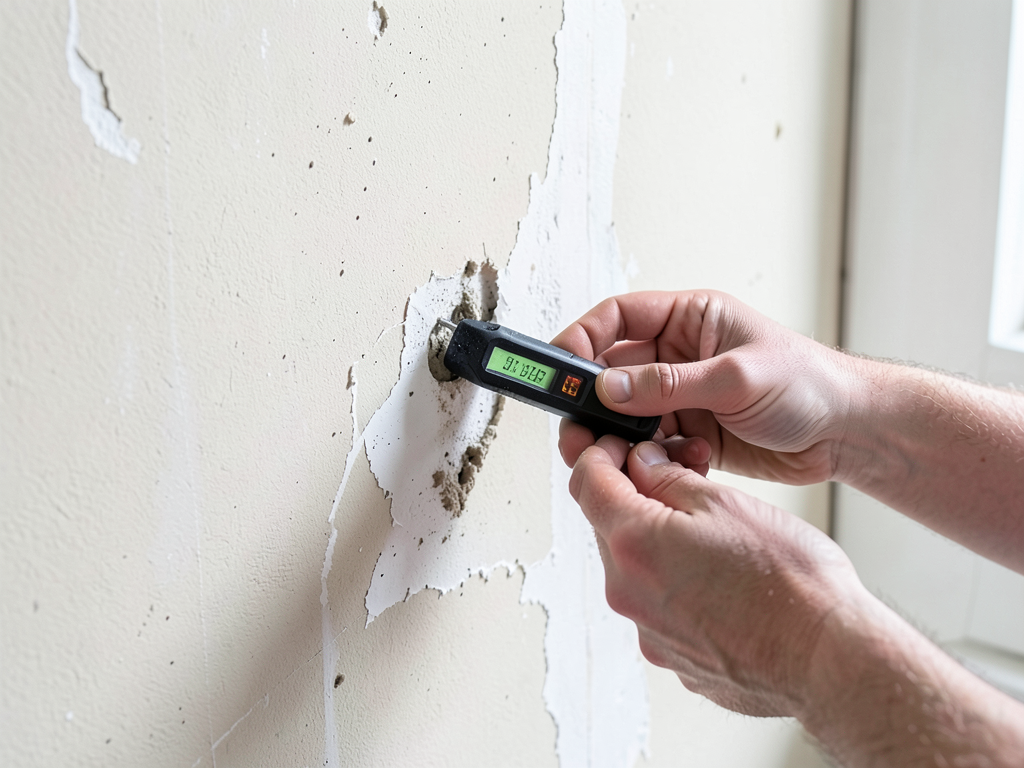
During mitigation technicians monitor progress using moisture meters and thermal imaging cameras. They document all findings for insurance purposes and may apply antimicrobial treatments to prevent mold growth. This phase typically lasts 3-5 days for residential properties though severe flooding can extend this timeline. Storm Flooding Emergency Service.
Charlotte’s climate creates specific mitigation challenges. Summer humidity often exceeds 70% which means dehumidifiers must work harder to remove moisture from the air. The red clay soil common in Mecklenburg County also retains water potentially causing hydrostatic pressure against foundation walls that complicates the drying process. Mecklenburg County Development Services.
Phase 2: Water Reconstruction (The Restoration)
Water reconstruction is the structural repair phase that follows successful mitigation. Once materials are dry and stable reconstruction teams replace damaged building components and restore the property to its pre-loss condition. This phase transforms a dried-out shell into a livable or workable space again.
Reconstruction work includes removing and replacing drywall installing new flooring painting walls and repairing or replacing cabinets and fixtures. Electrical systems plumbing and HVAC components damaged by water require professional evaluation and replacement when necessary. The scope depends on the severity of the original damage and the materials affected.
Charlotte building permits are required for most reconstruction work especially when structural elements are involved. Mecklenburg County requires permits for electrical plumbing and mechanical modifications. Reconstruction projects must comply with the North Carolina Residential Building Code and local amendments specific to the Charlotte area. North Carolina Department of Insurance.
The reconstruction timeline varies significantly based on project complexity. A typical residential rebuild might take 2-6 weeks while commercial properties or extensive damage can extend this to several months. Material availability permit approvals and coordination with multiple trades all affect the schedule.
Comparison Table: Mitigation vs. Reconstruction
| Aspect | Water Mitigation | Water Reconstruction |
|---|---|---|
| Primary Goal | Prevent further damage | Restore structure |
| Average Duration | 3-5 days | 2-6 weeks |
| Equipment Used | Extractors air movers dehumidifiers | Carpentry tools painting equipment |
| Insurance Status | Emergency services coverage | Replacement cost coverage |
| Permits Required | None required | Building permits needed |
| Moisture Testing | Continuous monitoring | Final verification only |
Why You Need Both for a Successful Recovery
Skipping mitigation leads to exponential damage. Water that remains in materials continues to destroy structural integrity creates ideal conditions for mold growth and can cause electrical hazards. The cost of proper mitigation is always less than the cost of repairing damage that spreads unchecked for days or weeks.
Skipping reconstruction leaves you with a dried-out but unusable property. Walls stripped to studs missing flooring and exposed wiring create safety hazards and prevent you from returning to normal life. Insurance policies typically cover both phases but only if both are completed professionally.
The transition between phases requires careful coordination. Reconstruction cannot begin until moisture content reaches safe levels typically below 16% for wood framing and below 12% for drywall. Starting too early traps moisture in walls leading to mold growth and structural failure within months. Sump Pump Failure Cleanup and Repair in the Elizabeth Neighborhood.
Charlotte properties face specific challenges during this transition. The area’s high humidity means materials may feel dry to the touch but still contain excessive moisture internally. Professional moisture meters detect this hidden water that would otherwise cause reconstruction failures.
Navigating the Insurance Process in North Carolina
North Carolina insurance policies typically cover both mitigation and reconstruction but the claim process treats them differently. Mitigation services are considered emergency response and often have coverage limits. Reconstruction falls under replacement cost coverage which pays to restore your property to its original condition.
Charlotte insurance adjusters expect detailed documentation from both phases. Mitigation reports should include moisture maps showing affected areas and progress readings. Reconstruction estimates need to comply with local building codes and include all necessary permits and inspections.
The dry standard plays a crucial role in insurance claims. Adjusters look for documentation showing when materials reached acceptable moisture levels before reconstruction began. Without this verification they may question whether damage was fully addressed or if secondary issues will develop later.
Time is critical in the insurance process. Most policies require mitigation to begin within 24-48 hours of discovery to prevent coverage disputes over secondary damage. Reconstruction timelines depend on permit approvals and material availability but delays can affect business interruption coverage for commercial properties.
Common Scenarios Requiring Both Services
Burst pipes during winter freeze events often require both phases. The initial water damage affects walls flooring and sometimes ceilings. After mitigation removes the water and prevents mold reconstruction replaces damaged materials and restores the affected areas.
Hurricane and tropical storm flooding in Charlotte typically involves contaminated water that requires extensive mitigation before any reconstruction can begin. The Category 3 water from these events often destroys materials that cannot be safely dried and must be replaced.
Appliance failures particularly water heaters and washing machines create scenarios where quick mitigation prevents damage from spreading to adjacent rooms. Reconstruction then addresses the directly affected areas with new materials and finishes.
Foundation leaks in older Charlotte homes with crawl spaces require specialized mitigation to address moisture in confined spaces. Reconstruction may involve installing vapor barriers improving drainage or even structural repairs to prevent future water intrusion.. Read more about Why Your Myers Park Home Needs Specialized Care for Hand Painted Wallpaper Damage.
Cost Factors and Insurance Considerations
Mitigation costs typically range from $1,000 to $4,000 for residential properties depending on the extent of water damage and the equipment required. Reconstruction costs vary dramatically based on materials square footage and whether structural elements need replacement.
Insurance policies in North Carolina often have separate coverage limits for emergency services versus replacement costs. Understanding these limits before damage occurs helps you prepare financially and know what to expect during the claims process.
Additional living expenses (ALE) coverage becomes important when reconstruction makes your home uninhabitable. This coverage pays for temporary housing and other increased living costs while your property is being restored.
Commercial properties face additional considerations. Business interruption insurance covers lost income during both mitigation and reconstruction phases. The longer reconstruction takes the more important this coverage becomes for maintaining financial stability.
Choosing the Right Restoration Partner
Look for companies that handle both mitigation and reconstruction in-house. This coordination eliminates gaps between phases and ensures accountability throughout the entire restoration process. Companies experienced in both areas understand the critical transition points and timing requirements.
Verify certifications and licensing before hiring any restoration company. IICRC certification for water damage restoration indicates proper training in mitigation techniques. General contractor licenses are required for reconstruction work in North Carolina.
Local experience matters significantly in Charlotte. Companies familiar with Mecklenburg County building codes permit requirements and the specific challenges of our climate can complete projects more efficiently and with fewer complications.
Emergency response capability is crucial. Water damage requires immediate action so choose a company with 24/7 availability and the equipment to begin mitigation within hours of your call.
Frequently Asked Questions
How long does the entire water damage restoration process take?
The complete process typically takes 2-8 weeks depending on damage severity. Mitigation requires 3-5 days while reconstruction can take 2-6 weeks or longer for complex projects.
Can I skip mitigation and go straight to reconstruction?
No. Skipping mitigation traps moisture in materials leading to mold growth structural failure and insurance claim denials. Proper drying is essential before any reconstruction begins.
Does homeowners insurance cover both mitigation and reconstruction?
Most policies cover both phases but with different limits and requirements. Emergency services have coverage caps while reconstruction falls under replacement cost coverage with specific documentation requirements.
How do I know when mitigation is complete?
Mitigation ends when moisture content reaches the dry standard for your specific materials and environment. Professional moisture testing verifies this condition before reconstruction begins.
What permits are required for reconstruction in Charlotte?
Mecklenburg County requires permits for electrical plumbing and structural modifications. Your reconstruction contractor should handle permit applications and coordinate required inspections.
Take Action Now to Protect Your Property
Water damage does not wait and neither should you. Whether you face an active emergency or plan for potential future events understanding the difference between mitigation and reconstruction helps you make informed decisions about your property’s recovery.
Do not let confusion about these two phases delay your response or compromise your insurance claim. Professional restoration companies handle both services seamlessly ensuring your property receives complete care from emergency response through final reconstruction.
Call (980) 342-9955 today to schedule your inspection. Our certified technicians are ready to respond 24/7 to protect your Charlotte property from water damage and guide you through the complete restoration process.
Pick up the phone and call (980) 342-9955 before the next storm hits. Every hour counts when water threatens your home or business and we are here to provide the immediate response and complete restoration you need. For more information, visit International Code Council.
You may also find this helpful. Cleaning and Restoring Wet HVAC Ductwork in Older Plaza Midwood Homes.
{
“@context”: “https://schema.org”,
“@type”: “BlogPosting”,
“headline”: “The Important Differences Between Water Mitigation and Full Reconstruction”,
“description”: “Learn the key differences between water mitigation and reconstruction in Charlotte. Understand the two-phase restoration process to protect your property and insurance claim.”,
“wordCount”: 1699,
“datePublished”: “2026-05-11T12:52:00.000Z”,
“dateModified”: “2026-05-11T12:52:00.000Z”,
“inLanguage”: “en-US”,
“mainEntityOfPage”: {
“@type”: “WebPage”,
“@id”: “https://cornerstonewaterdamagerestorationcharlotte.com”
},
“publisher”: {
“@type”: “LocalBusiness”,
“name”: “Cornerstone Water Damage Restoration Charlotte”,
“url”: “https://cornerstonewaterdamagerestorationcharlotte.com”
},
“author”: {
“@type”: “Organization”,
“name”: “Cornerstone Water Damage Restoration Charlotte”,
“url”: “https://cornerstonewaterdamagerestorationcharlotte.com”
},
“image”: {
“@type”: “ImageObject”,
“url”: “https://cornerstonewaterdamagerestorationcharlotte.com/wp-content/uploads/2026/03/the-important-differences-between-water-mitigation-1.png”
}
}
{
“@context”: “https://schema.org”,
“@type”: “LocalBusiness”,
“name”: “Cornerstone Water Damage Restoration Charlotte”,
“url”: “https://cornerstonewaterdamagerestorationcharlotte.com”,
“address”: {
“@type”: “PostalAddress”,
“addressLocality”: “Charlotte”
},
“areaServed”: {
“@type”: “City”,
“name”: “Charlotte”
}
}
{
“@context”: “https://schema.org”,
“@type”: “FAQPage”,
“mainEntity”: [
{
“@type”: “Question”,
“name”: “How long does the entire water damage restoration process take?”,
“acceptedAnswer”: {
“@type”: “Answer”,
“text”: “The complete process typically takes 2-8 weeks depending on damage severity. Mitigation requires 3-5 days while reconstruction can take 2-6 weeks or longer for complex projects.”
}
},
{
“@type”: “Question”,
“name”: “Can I skip mitigation and go straight to reconstruction?”,
“acceptedAnswer”: {
“@type”: “Answer”,
“text”: “No. Skipping mitigation traps moisture in materials leading to mold growth structural failure and insurance claim denials. Proper drying is essential before any reconstruction begins.”
}
},
{
“@type”: “Question”,
“name”: “Does homeowners insurance cover both mitigation and reconstruction?”,
“acceptedAnswer”: {
“@type”: “Answer”,
“text”: “Most policies cover both phases but with different limits and requirements. Emergency services have coverage caps while reconstruction falls under replacement cost coverage with specific documentation requirements.”
}
},
{
“@type”: “Question”,
“name”: “How do I know when mitigation is complete?”,
“acceptedAnswer”: {
“@type”: “Answer”,
“text”: “Mitigation ends when moisture content reaches the dry standard for your specific materials and environment. Professional moisture testing verifies this condition before reconstruction begins.”
}
},
{
“@type”: “Question”,
“name”: “What permits are required for reconstruction in Charlotte?”,
“acceptedAnswer”: {
“@type”: “Answer”,
“text”: “Mecklenburg County requires permits for electrical plumbing and structural modifications. Your reconstruction contractor should handle permit applications and coordinate required inspections.”
}
}
]
}
{
“@context”: “https://schema.org”,
“@type”: “BreadcrumbList”,
“itemListElement”: [
{
“@type”: “ListItem”,
“position”: 1,
“name”: “Home”,
“item”: “https://cornerstonewaterdamagerestorationcharlotte.com”
},
{
“@type”: “ListItem”,
“position”: 2,
“name”: “Blog”,
“item”: “https://cornerstonewaterdamagerestorationcharlotte.com/blog”
},
{
“@type”: “ListItem”,
“position”: 3,
“name”: “The Important Differences Between Water Mitigation and Full Reconstruction”
}
]
}
{
“@context”: “https://schema.org”,
“@type”: “Service”,
“serviceType”: “Water Damage Restoration”,
“provider”: {
“@type”: “LocalBusiness”,
“name”: “Cornerstone Water Damage Restoration Charlotte”,
“url”: “https://cornerstonewaterdamagerestorationcharlotte.com”
},
“areaServed”: {
“@type”: “City”,
“name”: “Charlotte”
},
“description”: “Learn the key differences between water mitigation and reconstruction in Charlotte. Understand the two-phase restoration process to protect your property and insurance claim.”
}