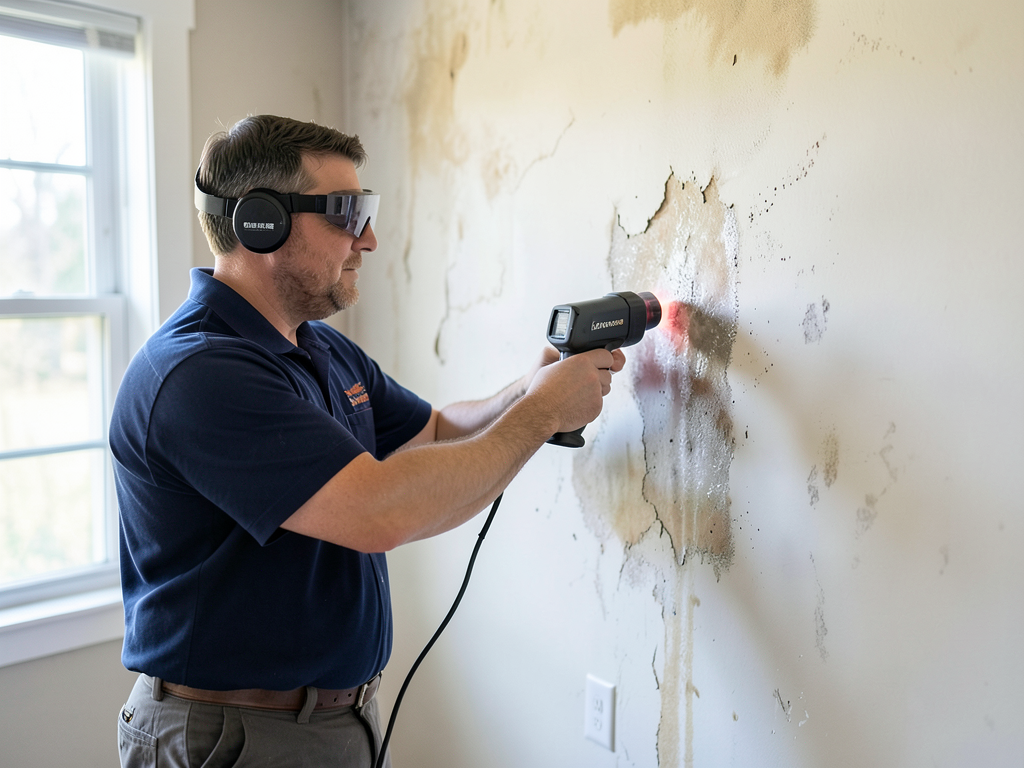







Charlotte's average relative humidity hovers around 70 percent year-round, creating conditions where wet building materials never dry through natural evaporation. When your walls absorb floodwater, the surrounding air is already saturated with moisture, preventing evaporation and trapping water inside structural cavities. The brick veneer construction popular throughout Charlotte neighborhoods compounds this problem because brick acts as a moisture reservoir, continuously releasing water vapor back into wall cavities even after you remove standing water. Without professional structural dehumidification services using low-grain refrigerant dehumidifiers, your framing remains wet for months, guaranteeing mold growth and wood rot.
Charlotte's mix of historic balloon-framed homes and modern platform-framed construction requires technicians who understand how different building systems respond to water intrusion. We know that homes in Eastover and Cotswold built before 1950 often lack vapor barriers, making them extremely vulnerable to moisture migration. We know that modern townhomes in South End use engineered lumber that swells rapidly when wet and requires aggressive drying to prevent permanent damage. Our technicians train specifically on Charlotte construction methods and adjust drying protocols based on your property's age, framing type, and foundation design. This local expertise prevents the cookie-cutter approaches that leave moisture trapped in hidden cavities.