




Menu

Storm Flooding Emergency Service in Charlotte – 24/7 Rapid Response Teams Deployed Within 60 Minutes

When storm flooding hits your Charlotte property, every minute counts. Our emergency extraction crews are on standby around the clock, equipped with commercial-grade pumps and moisture detection technology to stop water damage before it becomes catastrophic.

Slider Image 1
Slider Image 2
Slider Image 3
Slider Image 4
Slider Image 5
Slider Image 7
Slider Image 8
Slider Image 9
Slider Image 10
Slider Image 11

Why Storm Flooding Hits Charlotte Properties Harder Than You Think

Charlotte sits in the Carolina Piedmont, where sudden summer thunderstorms dump inches of rain in minutes. When you combine that with our region's dense clay soil, which prevents rapid drainage, you get a perfect recipe for flash flooding that overwhelms basements, crawl spaces, and ground-level commercial spaces.

The problem accelerates fast. Storm water carries contaminants from streets, sewage systems, and debris. Within hours, Category 3 floodwater starts breeding bacteria and mold spores. Within 24 hours, drywall begins wicking moisture upward. Within 48 hours, structural wood starts warping. By day three, you are looking at potential mold colonization and permanent damage to flooring, baseboards, and electrical systems.

Charlotte's older neighborhoods near Plaza Midwood and Dilworth face additional risk because of aging infrastructure. Combined sewer systems can back up during heavy rain events, sending contaminated water into your property through floor drains. Newer developments in areas like Ballantyne are not immune either. Rapid construction sometimes means inadequate grading, and storm water pools against foundations.

You cannot wait for the water to recede on its own. Emergency storm damage restoration requires immediate action. Professional rapid storm water extraction prevents secondary damage. Every hour you delay costs you exponentially more in repairs, lost inventory, or irreversible structural compromise. When storm flooding strikes, you need urgent flood cleanup services that understand Charlotte's unique drainage challenges and can mobilize a full extraction team immediately.

Why Storm Flooding Hits Charlotte Properties Harder Than You Think
How Professional Storm Water Extraction Stops Damage in Its Tracks

How Professional Storm Water Extraction Stops Damage in Its Tracks

Generic cleanup crews show up with shop vacs and box fans. That approach fails with storm flooding. You need industrial-grade extraction and controlled drying protocols to prevent hidden moisture from destroying your property weeks later.

Our 24/7 flood water removal process starts with truck-mounted extraction units that pull thousands of gallons per hour. We are not pushing water around with squeegees. We are using weighted wands and rover extraction tools that pull water directly from carpet padding, subfloors, and concrete slabs. For commercial spaces with tile or sealed concrete, we deploy ride-on extractors that cover large areas fast.

Once standing water is removed, we map moisture levels using thermal imaging cameras and penetrating moisture meters. This reveals trapped water inside wall cavities, under cabinets, and beneath flooring that you cannot see. We document everything because insurance companies require proof of moisture levels before and after mitigation.

Next comes controlled drying. We position axial air movers to create airflow patterns that drive moisture toward commercial dehumidifiers. We do not just blow air randomly. We calculate grain depression and vapor pressure to optimize drying time. In Charlotte's humid climate, you cannot rely on ambient air. You need refrigerant or desiccant dehumidifiers that actively pull moisture from the air and building materials.

For contaminated storm water, we apply antimicrobial treatments to affected surfaces after extraction. This prevents bacterial growth while materials dry. We also set up negative air machines with HEPA filtration in contained areas to prevent cross-contamination to unaffected spaces. Our emergency flood repair company approach focuses on saving what can be saved and removing only what is truly compromised.

What Happens When You Call for Storm Flooding Emergency Service

Storm Flooding Emergency Service in Charlotte – 24/7 Rapid Response Teams Deployed Within 60 Minutes
01

Immediate Dispatch and Assessment

You call our emergency line, and we dispatch a crew immediately. No waiting until morning. No callbacks. Our technicians arrive with truck-mounted extraction equipment and moisture detection tools. We perform a rapid damage assessment, identify the water category, locate the source if it is still active, and begin extraction within minutes of arrival. Speed matters because storm water wicks into porous materials fast.
02

Complete Water Extraction

Our crew removes all standing water using high-capacity extractors, then goes after trapped moisture in carpets, padding, and subfloors. We pull baseboards to check wall cavities and use thermal imaging to find hidden water. We document moisture readings throughout the property and photograph all affected areas for your insurance claim. Our goal is complete extraction, not surface-level cleanup that leaves moisture behind to cause problems later.
03

Controlled Drying and Monitoring

We position industrial air movers and dehumidifiers in a calculated drying pattern based on your property layout and moisture readings. We do not leave and hope for the best. Our technicians return daily to take new moisture readings, adjust equipment placement, and monitor drying progress. We continue until all materials reach acceptable moisture levels. Only then do we remove equipment and clear your property for repairs or reconstruction.

Why Charlotte Property Owners Trust Cornerstone for Storm Flooding Emergencies

When storm water is rising in your basement at 2 AM, you need a company that answers the phone and shows up fast. Cornerstone Water Damage Restoration Charlotte keeps fully stocked response vehicles and trained technicians on call 24/7. We do not use answering services or dispatch from out of state. Our crews live and work in the Charlotte metro area.

We know this region. We know that properties near Little Sugar Creek flood during heavy rain. We know that older homes in Myers Park have crawl spaces prone to pooling water. We know that commercial properties along South Boulevard face storm water runoff issues because of impervious surface coverage. That local knowledge means we anticipate problems before they escalate.

Our technicians hold IICRC certifications in water damage restoration and applied structural drying. That is not marketing language. It means they understand psychrometry, material science, and proper drying protocols. They know how to read moisture meters, interpret thermal images, and calculate drying time based on ambient conditions. When your insurance adjuster shows up, our documentation stands up to scrutiny.

We also coordinate directly with your insurance company. Storm flooding claims can get complicated, especially when it comes to coverage disputes over gradual vs. sudden water intrusion. We provide detailed moisture maps, photo documentation, and equipment logs that support your claim. We have worked with every major carrier that operates in North Carolina, and we understand what they need to process claims quickly.

You get honest assessments from us. If materials can be saved, we save them. If they need to go, we tell you why. We do not upsell unnecessary demolition, and we do not leave salvageable materials to rot because it is easier to replace everything. Our job is to restore your property correctly, not rack up the biggest invoice possible.

What to Expect When You Call for Emergency Storm Flooding Service

Response Time and Availability

We commit to 60-minute response times for emergency storm flooding calls in Charlotte and the surrounding metro area. That means a crew is on your property within one hour of your call, not a callback or a next-day appointment. Our emergency line (980) 342-9955 is staffed 24/7, every day of the year. Storm flooding does not wait for business hours, and neither do we. Our trucks carry enough extraction equipment, air movers, and dehumidifiers to handle most residential and small commercial jobs immediately. For large-scale flooding, we can mobilize additional crews and equipment within hours.

Initial Assessment and Moisture Mapping

When our crew arrives, we perform a complete moisture assessment using thermal imaging cameras and penetrating moisture meters. We document moisture levels in floors, walls, ceilings, and any structural components. We photograph all affected areas and create a written assessment that outlines the scope of damage, the water category, and our recommended mitigation plan. This documentation is formatted for insurance claims. We explain what we found, what needs to happen next, and what the timeline looks like. You get a clear picture before we start any work.

Drying Process and Final Results

Our drying process continues until all building materials reach acceptable moisture levels, typically 10-14% for wood and 1-3% for concrete, depending on material type and baseline readings. We take daily moisture readings and adjust equipment placement as needed. You do not pay for equipment to sit idle. We maximize airflow and dehumidification efficiency to reduce drying time. Once materials are dry, we remove all equipment, perform a final moisture check, and provide a completion certificate. Your property is ready for repairs, reconstruction, or normal use.

Insurance Coordination and Documentation

We work directly with your insurance carrier to streamline the claims process. Our documentation includes detailed moisture maps, equipment logs, photo evidence, and daily progress notes. We provide this directly to your adjuster, so you do not have to act as a middleman. If your insurance company requires an estimate or additional documentation, we provide it promptly. We also offer direct billing options for approved claims, which means you do not have to pay upfront and wait for reimbursement. Our goal is to remove the administrative burden so you can focus on getting your property back to normal.

Frequently Asked Questions

You Have Questions,
We Have Answers

Do you call 911 if your house is flooding? +

Call 911 only if the flooding creates an immediate life-threatening emergency, such as rising water trapping you inside, electrical hazards, or injuries. For non-life-threatening home flooding in Charlotte, shut off electricity at the breaker panel if safe to do so, stop the water source if possible, and call a 24/7 emergency water damage restoration company immediately. They deploy crews within the hour to extract water, prevent structural damage, and start drying before mold takes hold. Charlotte's humid climate accelerates mold growth within 24 to 48 hours, making speed critical.

How to apply for FEMA $750? +

FEMA's $750 is Serious Needs Assistance, not a general flood payout. You must first apply at DisasterAssistance.gov or call 1-800-621-3362 after a federally declared disaster in your area. Provide photos, damage descriptions, and insurance details. FEMA reviews eligibility based on unmet needs. The $750 goes directly to immediate necessities like food, water, or temporary shelter. This is separate from home repair grants or SBA loans. Charlotte residents should document all storm damage immediately, as application windows close fast. FEMA assistance does not replace flood insurance claims.

What are the emergency procedures for a flood? +

First, evacuate to higher ground if water rises or authorities issue warnings. Charlotte flash floods from tropical storms can escalate rapidly. If trapped inside, move to the highest floor, not the attic, unless you have roof access. Avoid floodwater contact due to sewage and contaminants. Once safe, document damage with photos for insurance. Shut off electricity and gas if accessible without entering water. Call a certified water damage restoration company to begin emergency mitigation. Do not wait for water to recede. Humidity in Charlotte accelerates structural damage and mold colonization within 24 hours.

Who to call if you have a flood? +

Call a certified 24/7 emergency water damage restoration company immediately. They extract standing water, remove saturated materials, and deploy industrial dehumidifiers to prevent mold growth. In Charlotte, high humidity speeds up secondary damage, making fast response critical. Contact your insurance carrier next to file a claim, but do not wait for adjuster approval before starting mitigation work. Most policies require you to prevent further damage. If flooding came from a burst pipe or appliance failure, shut off the water supply. If storm-related, check for structural hazards before re-entering your home.

Who to contact when there is a flood? +

Contact a 24/7 emergency water damage restoration company first to stop the damage. Charlotte's humidity makes every hour count. Next, notify your homeowners insurance provider to file a claim. Take photos and document all damage before cleanup begins. If the flood came from a municipal water main or storm drain backup, contact Charlotte Water immediately. For federally declared disasters, register with FEMA at DisasterAssistance.gov. If sewage is involved, contact a biohazard remediation specialist. Do not enter contaminated floodwater without protective gear. Act fast to protect your home and your claim.

What to do immediately after a flood? +

Do not re-enter your home until authorities confirm it is safe. Shut off electricity at the breaker if water contacted outlets or appliances. Document all damage with photos and video before moving anything. Call a certified water damage restoration company to extract water and begin drying within 24 hours. Charlotte's heat and humidity create ideal mold conditions fast. Contact your insurance company immediately. Remove soaked belongings to a dry area. Do not use fans or dehumidifiers until a professional assesses electrical safety. Avoid contact with floodwater, which carries sewage, chemicals, and bacteria.

What is the average FEMA flood payout? +

FEMA grants vary widely based on damage severity, unmet needs, and insurance coverage. The average Individual Assistance grant is between $5,000 and $10,000, not $750. The $750 is upfront Serious Needs Assistance only. FEMA does not pay for flood damage if you live in a flood zone and lack flood insurance. Most homeowners insurance policies exclude flooding. Charlotte residents near creeks or low-lying areas should carry separate National Flood Insurance Program policies. FEMA assistance supplements losses, it does not replace full replacement costs. SBA disaster loans may also be available.

Does FEMA give money for flood damage? +

Yes, but only after a federally declared disaster and if you have unmet needs not covered by insurance. FEMA Individual Assistance provides grants for temporary housing, home repairs, and personal property losses. However, FEMA does not cover flood damage if you were required to carry flood insurance and did not. Most homeowners policies exclude flooding. Charlotte residents in flood-prone areas must purchase National Flood Insurance Program coverage separately. FEMA assistance is a safety net, not a replacement for insurance. Apply immediately after a disaster declaration, as deadlines are strict and funding is capped.

Who can help me with money urgently? +

For immediate flood damage costs, contact your insurance company first to access claim advances or emergency living expense coverage. Many policies pay for temporary housing during repairs. FEMA provides upfront Serious Needs Assistance after declared disasters. Local nonprofits like the American Red Cross or Salvation Army may offer emergency funds for displaced Charlotte families. Credit unions and banks offer disaster relief loans. Avoid predatory lenders. If you need urgent restoration to prevent further damage, many certified water damage companies work directly with insurance carriers, billing them directly so you pay only your deductible.

What to do if your house is flooding? +

Shut off electricity at the breaker panel immediately if safe to access without entering water. Stop the water source if possible, like a burst pipe or overflowing appliance. Move to higher ground and call a 24/7 emergency water damage restoration company. Charlotte's humid climate accelerates mold growth and structural damage within 24 hours. Do not wait. Move valuables upstairs and document damage with photos. Contact your insurance company. Do not enter standing water due to electrical shock risk and contamination. Professional crews extract water, dry structures, and prevent mold using industrial equipment you cannot rent.

How Charlotte's Clay Soil and Flash Flooding Make Storm Water Extraction Urgent

Charlotte sits on dense Piedmont clay soil that drains poorly. When summer thunderstorms drop two inches of rain in 30 minutes, that water has nowhere to go. It pools against foundations, floods crawl spaces, and overwhelms sump pumps. Unlike sandy coastal soils that absorb water quickly, our clay soil creates surface runoff that funnels toward low-lying properties. Older neighborhoods with mature tree canopies face additional problems when root systems crack foundations and create entry points for storm water. This is not a minor inconvenience. It is a structural threat that requires immediate 24/7 flood water removal to prevent foundation damage and mold growth.

Cornerstone Water Damage Restoration Charlotte understands these regional challenges because we live and work here. We have responded to storm flooding events in every Charlotte neighborhood, from historic Dilworth bungalows to new construction in Ballantyne. We know which areas flood first during severe weather, and we know how local building codes impact restoration work. Our crews are trained in North Carolina-specific moisture standards and insurance requirements. When you call a national franchise, you get a generic response. When you call us, you get a team that knows Charlotte's soil, drainage patterns, and building stock. That local expertise translates to faster, smarter emergency storm damage restoration.
Water Damage Restoration Services in The Charlotte Area

Cornerstone is proud to serve Charlotte and the surrounding areas, providing rapid and reliable water damage restoration services when you need them most. Our commitment extends to ensuring properties across our service region receive expert care. You can find our main office located conveniently, allowing us to quickly dispatch our teams to your location and address your water damage emergencies with efficiency and professionalism. We are always ready to assist you.

Address:
Cornerstone Water Damage Restoration Charlotte, 222 Baldwin Ave, Charlotte, NC, 28204

Additional Services We Offer

Our news updates

Latest Articles & News from The Blogs

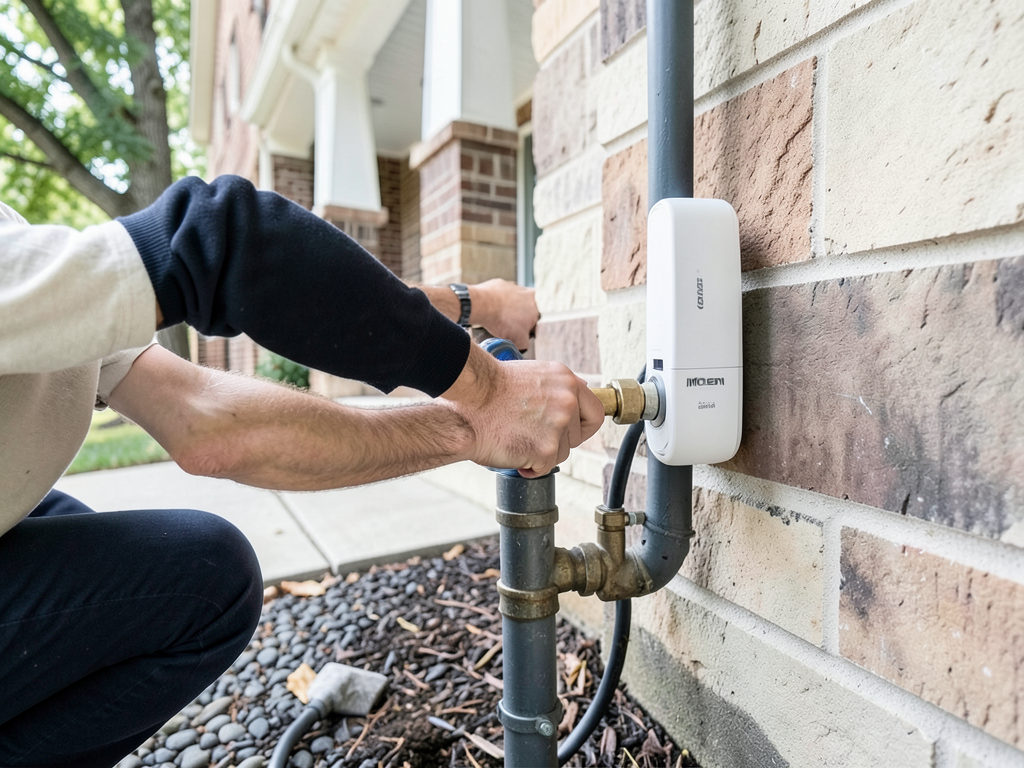
The Best Smart Leak Detectors to Prevent Water Damage in Ballantyne Water damage strikes Ballantyne homes every day from burst…

The Best Smart Leak Detectors to Prevent Water Damage in Ballantyne

The Best Smart Leak Detectors to Prevent Water Damage in Ballantyne Water damage strikes Ballantyne homes every day from burst…

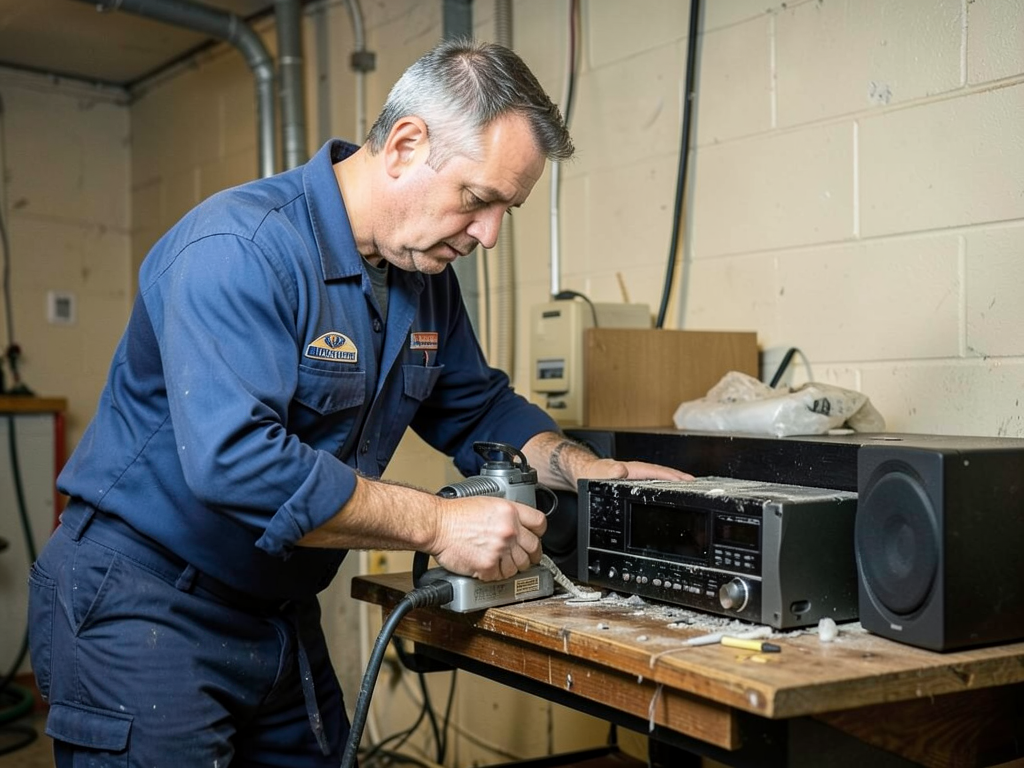
Safeguarding Expensive Home Theater Gear from Water Damage in Myers Park

Safeguarding Expensive Home Theater Gear from Water Damage in Myers Park Myers Park’s stately homes and finished basements create the…

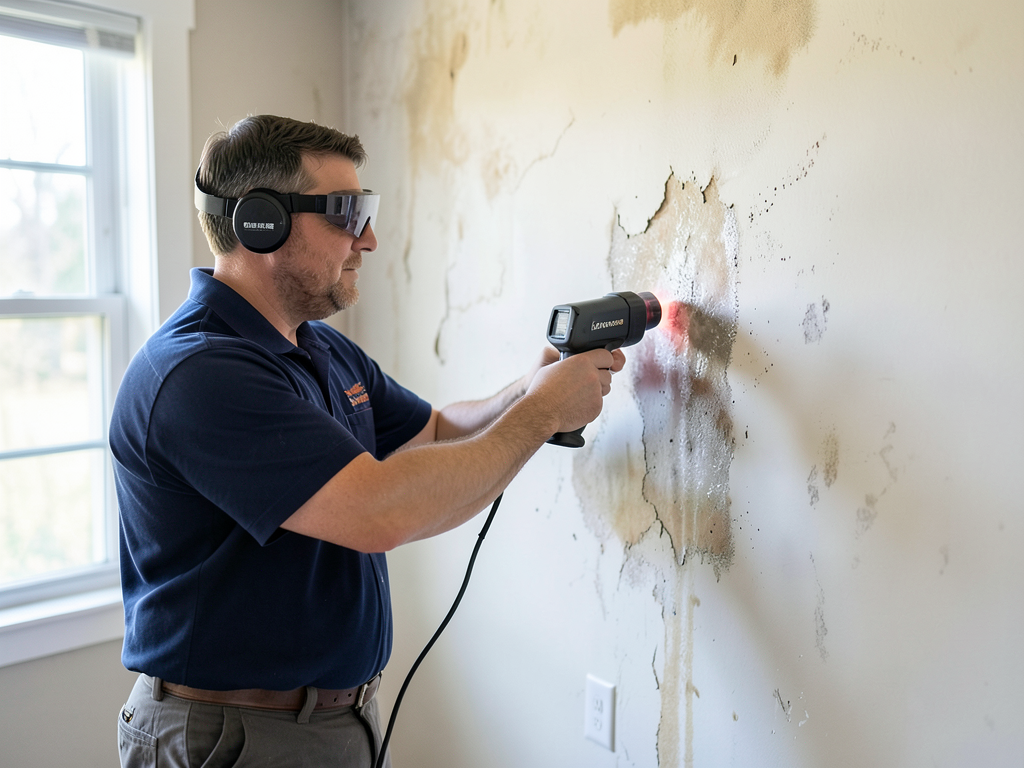
Common Health Symptoms That Might Point to Hidden Water Damage in Your Home

Common Health Symptoms That Might Point to Hidden Water Damage in Your Home Water damage in your Charlotte home often…

Contact Us

Every minute of delay increases damage and repair costs. Our emergency crews are standing by right now with extraction equipment and drying systems. Call Cornerstone Water Damage Restoration Charlotte at (980) 342-9955. We answer 24/7, and we are on-site within 60 minutes. Stop the damage before it becomes permanent.