




Menu

Storm Damage Mitigation in Charlotte – Comprehensive Protection Before, During, and After the Storm

From emergency tarping and water extraction to structural drying and debris removal, our storm damage mitigation services protect your property value and prevent secondary damage across the greater Charlotte metro area.

Slider Image 1
Slider Image 2
Slider Image 3
Slider Image 4
Slider Image 5
Slider Image 7
Slider Image 8
Slider Image 9
Slider Image 10
Slider Image 11

Charlotte's Storm Patterns Create Unique Property Threats

Charlotte sits in a transitional climate zone where warm, humid air from the coast collides with cooler Piedmont air masses. This creates intense summer thunderstorms with damaging straight-line winds and heavy rainfall that overwhelms drainage systems. Your property faces threats most homeowners underestimate.

When storms dump two inches of rain in 30 minutes, Charlotte's red clay soil cannot absorb water fast enough. Runoff pools against foundations, seeps into crawl spaces, and saturates basements. Wind gusts regularly exceed 60 mph during severe weather, tearing shingles, puncturing siding, and sending branches through windows. Each breach creates an entry point for water infiltration.

The aftermath is where real damage accelerates. Within 48 hours of water intrusion, mold colonies establish in drywall, insulation, and subflooring. Wood framing absorbs moisture and begins to warp. What started as roof damage becomes a structural integrity issue.

Storm damage mitigation addresses both immediate threats and cascading consequences. Emergency storm damage services begin the moment weather clears. We secure breaches, extract standing water, and establish drying protocols before secondary damage compounds your loss. Storm damage restoration requires an integrated approach because Charlotte weather does not deliver single, isolated problems. You get wind damage plus water intrusion plus humidity saturation.

Residents in Dilworth, Myers Park, and Plaza Midwood know summer storm seasons bring repeated threats. One severe weather event can trigger insurance claims that stretch for months. Proper storm damage cleanup begins in the first hours, not days later when adjusters arrive.

Charlotte's Storm Patterns Create Unique Property Threats
How Professional Storm Damage Mitigation Works

How Professional Storm Damage Mitigation Works

Storm damage mitigation is not cleanup. It is active intervention to halt ongoing damage and document loss for insurance purposes. We arrive with moisture detection equipment, not just tarps and shop vacuums.

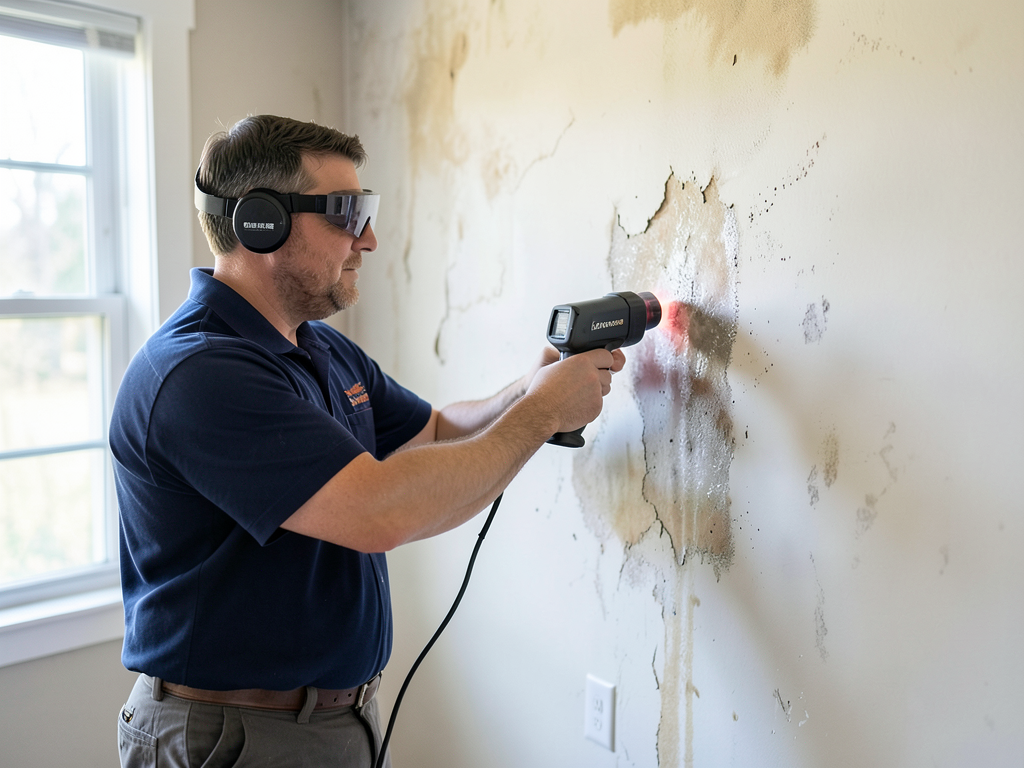
Our technicians use thermal imaging cameras to identify hidden water migration behind walls and under flooring. Infrared detection reveals moisture you cannot see but that will destroy materials if left untreated. We map the extent of saturation using moisture meters calibrated for wood, drywall, and concrete. This data establishes your loss baseline for insurance documentation.

Emergency tarping and board-up services secure your property perimeter. We use reinforced polyethylene tarps fastened with battens, not staples that tear out in wind. For window breaches, we install plywood secured to framing members, creating a weatherproof seal until glass replacement occurs.

Water extraction uses truck-mounted pumps capable of removing hundreds of gallons per hour from flooded spaces. Portable extractors pull water from carpeting and pad. We then position commercial dehumidifiers and air movers to create controlled drying environments. This is not comfort cooling. We are manipulating vapor pressure and air exchange rates to pull moisture from structural cavities.

Storm damage repair addresses structural components compromised by wind or water. Roof decking damaged by fallen trees gets replaced before new shingles go down. Wall studs showing rot get sister-jointed or fully replaced. We do not hide problems behind new finishes.

Storm damage remediation includes antimicrobial treatment of affected surfaces. Floodwater carries contaminants. We treat with EPA-registered disinfectants, then verify microbial clearance before reconstruction begins. Cornerstone Water Damage Restoration Charlotte follows IICRC S500 standards for water damage restoration, ensuring your property meets industry protocols for safe occupancy.

What Happens When You Call for Storm Damage Mitigation

Storm Damage Mitigation in Charlotte – Comprehensive Protection Before, During, and After the Storm
01

Emergency Response Deployment

We dispatch technicians within 90 minutes of your call, arriving with emergency tarping materials, water extraction equipment, and moisture detection tools. Our first priority is stopping active water intrusion and securing your property perimeter. We document all visible damage with photos and video for your insurance claim while establishing immediate loss mitigation protocols to prevent further deterioration.
02

Assessment and Drying Protocol

Using thermal imaging and moisture mapping, we identify all affected areas including hidden water migration. We establish drying chambers with commercial dehumidifiers and air movers, monitoring moisture levels every 24 hours. Psychrometric calculations guide our equipment placement to achieve optimal drying rates. We track progress with daily moisture readings documented in your project file for insurance review and approval.
03

Restoration and Rebuild

Once moisture levels return to normal ranges, we begin structural repairs and reconstruction. Damaged roof decking, wall framing, insulation, and finishes get replaced to pre-loss condition. We coordinate with your insurance adjuster throughout restoration, providing detailed scope documentation and progress updates. Final walkthrough includes verification that all repairs meet building code requirements and your property is safe for occupancy.

Why Charlotte Property Owners Choose Local Storm Damage Experts

Storm damage restoration requires knowledge of local building practices and climate challenges. Charlotte homes built before 1980 often lack proper vapor barriers in crawl spaces, making them vulnerable to moisture intrusion during heavy rain. Newer construction in areas like Ballantyne and Southpark uses engineered lumber that swells differently than traditional framing when saturated. We understand these differences because we work in these neighborhoods year-round.

Mecklenburg County requires permits for structural repairs exceeding minimal thresholds. We pull permits, schedule inspections, and ensure your repairs meet code requirements. Out-of-town restoration companies often skip this step, leaving you with unpermitted work that creates problems during property sales or refinancing.

Charlotte's frequent summer storms mean we maintain relationships with local insurance adjusters and understand their documentation requirements. We provide the moisture readings, thermal images, and scope details they need to process your claim efficiently. This speeds approval and gets restoration moving faster.

Our equipment inventory stays in Charlotte, not three states away. When severe weather hits, we do not wait for equipment to arrive from regional hubs. Our truck-mounted extractors, commercial dehumidifiers, and air filtration devices deploy immediately from our local facility.

Cornerstone Water Damage Restoration Charlotte has restored properties through multiple severe weather events, from the 2020 tornado outbreak to the remnants of tropical systems that stall over the Piedmont. We understand how Charlotte-area storms behave and what damage patterns to expect.

You need a restoration partner familiar with Charlotte's red clay soil drainage issues, the vulnerability of older neighborhoods with mature tree canopies, and the insurance claim process specific to North Carolina policies. Local expertise translates to faster response, proper repairs, and claims that close without disputes.

What to Expect During Storm Damage Mitigation

Rapid Emergency Response

We maintain 24/7 dispatch and aim for 90-minute response times across the Charlotte metro area. Storm damage accelerates quickly, and mitigation effectiveness depends on how fast we intervene. Our technicians arrive with emergency supplies and equipment to immediately address water intrusion, secure structural breaches, and begin extraction. You do not wait until business hours or the next day. We deploy during active weather when conditions safely allow, positioning us to start mitigation the moment storms pass.

Detailed Damage Assessment

Our assessment uses thermal imaging, moisture meters, and visual inspection to map all damage, including hidden issues. We document findings with photos, moisture readings, and written descriptions that meet insurance carrier requirements. You receive a detailed scope of loss that identifies structural damage, water intrusion extent, and materials requiring replacement. This assessment forms the foundation of your insurance claim and guides our restoration plan. We explain findings in plain language, showing you exactly what happened and why specific repairs are necessary.

Complete Property Restoration

Storm damage restoration returns your property to pre-loss condition through structural repairs, moisture remediation, and reconstruction. We replace damaged roof decking, repair compromised framing, install new insulation, and restore finishes. All work meets North Carolina building codes and manufacturer specifications. You get a property that is structurally sound and safe for occupancy, not cosmetic fixes over hidden problems. Final inspection verifies moisture levels have returned to normal ranges and all repairs meet quality standards.

Insurance Coordination and Documentation

We work directly with your insurance carrier, providing detailed documentation that supports your claim. Our moisture logs, thermal images, and repair scopes give adjusters the technical data they need for claim approval. We participate in adjuster inspections, explaining findings and answering questions about necessary repairs. This coordination reduces claim disputes and speeds approval. You receive copies of all documentation for your records. Our goal is a smooth claim process that gets you fair compensation for legitimate storm damage losses.

Frequently Asked Questions

You Have Questions,
We Have Answers

How to mitigate a storm? +

Storm mitigation involves actions you take before, during, and after severe weather to reduce damage. Before a storm hits Charlotte, secure loose outdoor items, trim dead tree branches, and inspect your roof for weak spots. During the event, stay inside and away from windows. After the storm passes, document all visible damage with photos, turn off utilities if you suspect leaks or electrical issues, and contact a restoration professional immediately. Quick action prevents secondary damage like mold growth or structural deterioration, especially in Charlotte's humid climate where moisture escalates fast.

How could we mitigate the storm? +

You mitigate storms through preparation and rapid response. In Charlotte, inspect your property's vulnerable points: roof flashing, gutters, window seals, and foundation drainage. Install storm shutters or impact-resistant materials if you live in areas prone to high winds. After a storm, extract standing water within 24 hours to prevent mold colonization. Tarp damaged roofs to stop rain intrusion. Remove wet drywall and insulation promptly. Charlotte's clay soil shifts during heavy rain, so check your foundation for new cracks. Professional assessment catches hidden damage that worsens over time.

What to do if your house is damaged by a storm? +

If your house sustains storm damage, prioritize safety first. Evacuate if structural integrity is compromised. Document everything with photos and videos for your insurance claim. Contact your insurance carrier immediately to report the loss. Stop additional damage by tarping openings, shutting off water if pipes burst, and cutting power if electrical systems are wet. Contact a licensed restoration company experienced with Charlotte's building codes and insurance processes. Do not attempt major repairs yourself. Improper mitigation voids insurance coverage and creates safety hazards.

What are the mitigation strategies for thunderstorms? +

Thunderstorm mitigation strategies include proactive reinforcement and emergency protocols. Secure your roof with proper fastening systems rated for Charlotte's wind loads. Install surge protectors to guard electronics from lightning strikes. Clear drainage systems so heavy rain does not flood your property. During active storms, unplug sensitive equipment and avoid plumbing fixtures. After the storm, inspect attics and crawl spaces for roof leaks or water intrusion. Charlotte experiences intense summer thunderstorms with damaging hail and wind gusts. Early detection of compromised building envelope prevents catastrophic water damage.

What are the four steps of mitigation? +

The four steps of mitigation are prevention, preparation, response, and recovery. Prevention involves hardening your property against foreseeable threats like upgrading roof systems or sealing foundation cracks. Preparation means having an emergency plan, maintaining insurance coverage, and knowing who to call. Response is immediate action after damage occurs: stopping water intrusion, documenting losses, and contacting professionals. Recovery involves full restoration to pre-loss condition through structural repairs, mold remediation, and content restoration. In Charlotte, effective mitigation accounts for our specific weather patterns and construction vulnerabilities common to the region.

What are examples of mitigation? +

Examples of mitigation include installing impact-resistant roofing materials, reinforcing garage doors against wind pressure, elevating HVAC systems in flood-prone areas, and adding backflow valves to prevent sewer backup. In Charlotte, mitigation also means trimming oak and pine trees that overhang structures, sealing crawl space vents before heavy rain, and maintaining gutters to handle our intense downpours. Post-storm mitigation includes emergency board-up services, water extraction, structural drying, and antimicrobial treatments. Each action reduces financial loss and shortens recovery time after severe weather events strike your property.

What are the 5 mitigation strategies? +

The five mitigation strategies are avoidance, reduction, transfer, acceptance, and preparedness. Avoidance means not building in high-risk flood zones. Reduction involves strengthening your property through upgrades like hurricane straps or waterproof barriers. Transfer shifts financial risk through adequate insurance coverage. Acceptance acknowledges residual risk you cannot eliminate. Preparedness ensures you respond effectively when storms hit Charlotte. This includes maintaining emergency supplies, documenting your property condition, and establishing relationships with qualified restoration contractors before disaster strikes. Combining these strategies minimizes both physical damage and financial exposure during severe weather.

What is storm mitigation? +

Storm mitigation is the process of reducing potential damage before severe weather occurs and minimizing losses immediately after impact. It includes structural improvements like reinforced roofing, proper drainage systems, and wind-resistant construction methods. Post-storm mitigation involves rapid water extraction, emergency tarping, structural stabilization, and moisture control to prevent secondary damage. In Charlotte, effective mitigation addresses our unique challenges: summer thunderstorms with damaging hail, tropical systems bringing heavy rain, and winter ice storms. Professional mitigation services protect your investment and accelerate insurance claim processing through proper documentation and code-compliant repairs.

How to deal with storm damage? +

Deal with storm damage by acting fast. First, ensure your family's safety and evacuate if necessary. Document all damage thoroughly with time-stamped photos. Contact your insurance company within 24 hours to initiate your claim. Hire a licensed restoration company to assess structural integrity, extract water, and dry affected areas. In Charlotte's humid environment, moisture spreads quickly through building materials and creates mold within 48 hours. Remove wet contents, disinfect contaminated surfaces, and dehumidify spaces aggressively. Save all receipts for temporary repairs. Professional restoration ensures proper mitigation and maximizes your insurance recovery.

Will insurance cover damage from a storm? +

Insurance typically covers sudden storm damage like wind, hail, lightning, and falling trees. Your homeowners policy should pay for roof repairs, water damage from rain entering through storm-created openings, and structural repairs. However, flood damage requires separate flood insurance. In Charlotte, review your policy limits and deductibles annually. Document your property's pre-loss condition with photos. After a storm, report claims promptly and maintain detailed records of all damage. Insurance may deny claims for deferred maintenance or pre-existing conditions. Professional restoration companies navigate the claims process and provide documentation insurers require for full payment.

How Charlotte's Clay Soil and Summer Storms Intensify Water Damage Risk

Charlotte sits on dense red clay soil with extremely low permeability rates. When summer thunderstorms dump two or three inches of rain in under an hour, this clay cannot absorb water fast enough. Runoff pools against foundations, floods window wells, and overwhelms perimeter drains. Properties in older neighborhoods like Cotswold and Eastover face additional risk from mature trees whose root systems have compromised underground drainage. The combination of impermeable soil and intense rainfall creates basement flooding and crawl space saturation that requires professional water extraction and structural drying protocols.

Storm damage mitigation in Charlotte requires understanding local construction methods and climate patterns that out-of-town contractors miss. We know which neighborhoods flood during heavy rain, how Charlotte's building codes have evolved over decades, and what documentation Mecklenburg County inspectors require. Our relationships with local insurance adjusters speed claim processing because they trust our assessment methods and repair scopes. When you choose a Charlotte-based restoration company, you get technicians who understand your property's specific vulnerabilities and have the local knowledge to address them correctly the first time.
Water Damage Restoration Services in The Charlotte Area

Cornerstone is proud to serve Charlotte and the surrounding areas, providing rapid and reliable water damage restoration services when you need them most. Our commitment extends to ensuring properties across our service region receive expert care. You can find our main office located conveniently, allowing us to quickly dispatch our teams to your location and address your water damage emergencies with efficiency and professionalism. We are always ready to assist you.

Address:
Cornerstone Water Damage Restoration Charlotte, 222 Baldwin Ave, Charlotte, NC, 28204

Additional Services We Offer

Our news updates

Latest Articles & News from The Blogs

Lorem ipsum dolor sit amet. Aut expedita quaerat quo eligendi numquam et laudantium perspiciatis qui minima expedita rem consequatur ducimus.…

Test Blog 4

Lorem ipsum dolor sit amet. Aut expedita quaerat quo eligendi numquam et laudantium perspiciatis qui minima expedita rem consequatur ducimus.…

Test Blog 3

Lorem ipsum dolor sit amet. Aut expedita quaerat quo eligendi numquam et laudantium perspiciatis qui minima expedita rem consequatur ducimus.…

Test Blog 2

Lorem ipsum dolor sit amet. Aut expedita quaerat quo eligendi numquam et laudantium perspiciatis qui minima expedita rem consequatur ducimus.…

Contact Us

Storm damage gets worse every hour you wait. Call (980) 342-9955 for immediate dispatch and emergency mitigation services. Our technicians are ready 24/7 to secure your property and stop ongoing damage.