




Menu

Soggy Insulation in Charlotte – Get Expert Water Damage Diagnosis and Proper Repair Before Mold Takes Hold

Wet insulation creates hidden health hazards and energy waste in your Charlotte home. We diagnose the source, remove saturated materials safely, and prevent recurring moisture problems that lead to mold and structural damage.

Slider Image 1
Slider Image 2
Slider Image 3
Slider Image 4
Slider Image 5
Slider Image 7
Slider Image 8
Slider Image 9
Slider Image 10
Slider Image 11

Why Charlotte Homes Struggle with Soggy Insulation Year-Round

You walk into your attic and see it. Dark, wet patches spreading across your insulation. The material sags under its own weight, dripping water onto the ceiling joists below. This is not a cosmetic issue. Soggy insulation means something is very wrong.

Charlotte's climate creates perfect conditions for this problem. We average 43 inches of rain per year, concentrated in heavy summer thunderstorms. When your roof flashing fails or your gutters overflow, that water finds the fastest path down. Your attic insulation absorbs it like a sponge. The saturated insulation then holds moisture against your wood framing for days or weeks.

Our humid summers make it worse. Even small leaks create damp insulation that never fully dries. The temperature swings between your air-conditioned home and the 120-degree attic create condensation on cold surfaces. That condensation drips onto insulation below. The material stays wet. Mold starts growing within 48 hours.

Water damaged insulation loses all thermal value. Your HVAC system runs longer to maintain temperature. Your energy bills climb 20 to 30 percent. The weight of soaked insulation can pull away from ceiling joists, creating gaps that waste even more energy.

The real danger is what you cannot see. Wet insulation creates ideal conditions for mold colonies to spread through your attic. Those spores travel through your ductwork into living spaces. You start noticing musty smells, respiratory irritation, and allergy symptoms that won't quit. By the time you spot the soggy insulation, the damage has already spread to your roof decking and framing.

Charlotte's clay soil adds another layer of complexity. Ground settlement and foundation movement can crack plumbing lines hidden in your walls and ceilings. A slow leak saturates your wall cavity insulation for months before you notice ceiling stains below.

Why Charlotte Homes Struggle with Soggy Insulation Year-Round
How We Fix Soggy Insulation the Right Way

How We Fix Soggy Insulation the Right Way

Most homeowners make the same mistake. They see wet insulation and think the fix is simple. Pull out the soggy material, throw in new batts, and call it done. That approach guarantees the problem returns within months.

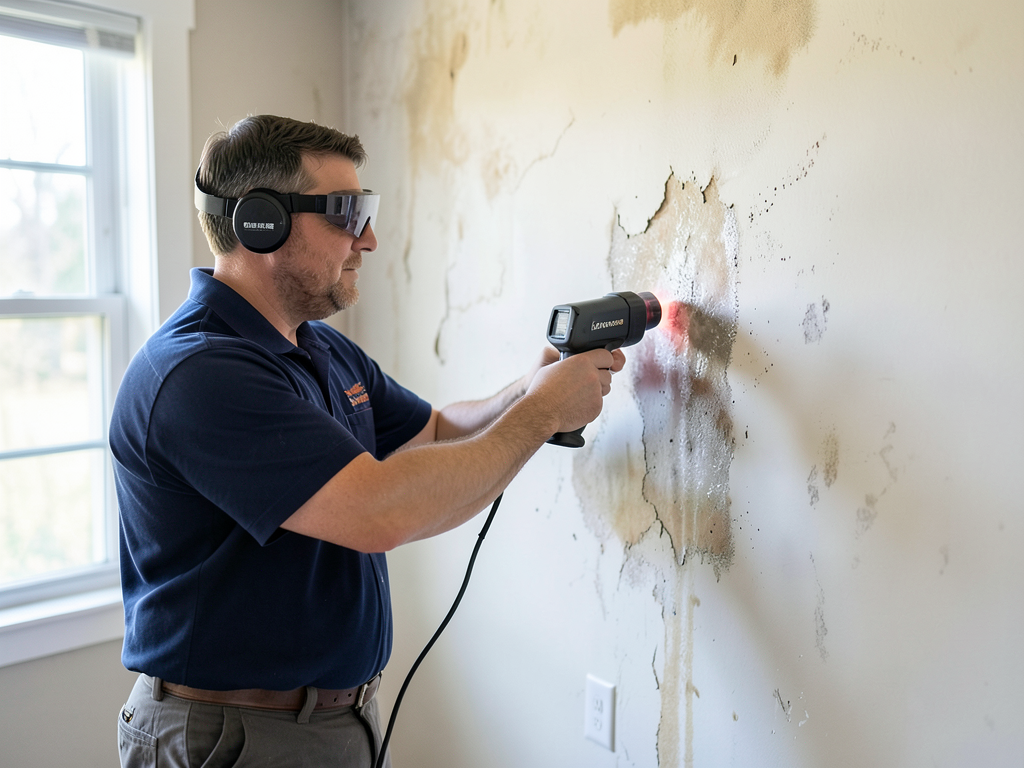
We start with moisture mapping using thermal imaging cameras and moisture meters. We scan your entire attic space, wall cavities, and crawlspace to identify every wet zone. This technology shows us moisture you cannot see with your eyes. We document moisture content percentages in your framing, decking, and insulation. Anything above 19 percent moisture content requires intervention.

Next, we trace the water source. Soggy insulation is a symptom, not a disease. We inspect your roof penetrations, valleys, and flashing. We check your plumbing runs and HVAC drain lines. We examine your attic ventilation to identify condensation problems. We find the entry point.

Removal of saturated insulation requires containment. Wet insulation is heavy and messy. It tears apart as you handle it. If mold is present, disturbing the material releases millions of spores into your air. We seal off the work area with plastic sheeting and negative air pressure. Our technicians wear respirators and protective suits. The soaked insulation goes into sealed bags for disposal.

We then address the framing and decking. Damp wood must dry to below 15 percent moisture content before we install new insulation. We use commercial dehumidifiers and air movers to accelerate drying. This process takes days, not hours. Rushing it traps moisture and creates future mold growth.

Once dry, we treat affected wood with antimicrobial solutions to eliminate any remaining mold spores. We repair or replace damaged roof decking. We fix the leak source. Only then do we install new insulation, properly sized for Charlotte's climate zone.

What Happens During Your Soggy Insulation Repair

Soggy Insulation in Charlotte – Get Expert Water Damage Diagnosis and Proper Repair Before Mold Takes Hold
01

Moisture Assessment and Source Tracing

We arrive with thermal imaging equipment and penetrating moisture meters. Our technicians scan your attic, wall cavities, and roof structure to map every wet area. We document moisture percentages in your framing and decking. We then trace the water backwards to its entry point, whether that's failed flashing, a plumbing leak, or condensation from poor ventilation. This diagnostic phase typically takes 45 to 90 minutes and determines the entire scope of work.
02

Containment and Safe Removal

We seal the affected area with plastic barriers and set up negative air machines to prevent contamination of your living spaces. Our crew wears full respiratory protection during removal. Saturated insulation is heavy and tears easily. We bag the material immediately to contain moisture and potential mold spores. Removal proceeds in sections to maintain containment integrity. The work area stays isolated until structural drying is complete and air quality testing confirms safety.
03

Structural Drying and Restoration

After removal, we place commercial dehumidifiers and air movers to dry your framing and roof decking. We monitor moisture levels daily until readings drop below 15 percent. We treat affected wood with antimicrobial solutions. We repair the leak source and any damaged decking or framing. Once everything is dry and sanitized, we install new insulation appropriate for Charlotte's climate. We verify proper attic ventilation to prevent future condensation issues.

Why Charlotte Homeowners Trust Us with Water Damaged Insulation

Cornerstone Water Damage Restoration Charlotte has seen every variation of this problem. We have pulled soggy insulation from 1920s bungalows in Dilworth and modern builds in Ballantyne. The material changes, but the physics stay the same. Water always wins unless you address the source.

We understand Charlotte construction. Many homes built before 1990 have inadequate attic ventilation by modern standards. The ratio of intake vents to exhaust vents creates negative pressure that pulls conditioned air into the attic through ceiling penetrations. That air carries moisture. It condenses on cold surfaces during winter. The insulation below absorbs it. We fix the ventilation system as part of the repair.

Charlotte's building codes have evolved significantly over the past two decades. Current energy code requires higher R-values than older homes have. When we replace water damaged insulation, we bring your home up to current R-38 standards for attic spaces. This not only prevents future moisture problems but cuts your cooling costs substantially. The investment pays back in 18 to 24 months through lower utility bills.

We also navigate insurance claims efficiently. Most homeowners policies cover sudden water damage from burst pipes or storm events. They exclude gradual leaks and maintenance issues. We document everything with photos, moisture readings, and detailed reports. We identify the cause and timeline of the damage. This documentation helps your adjuster approve legitimate claims and avoid disputes.

Our familiarity with local restoration contractors, roofers, and HVAC technicians means we coordinate repairs seamlessly. If your soggy insulation resulted from a roof leak, we connect you with qualified roofers who understand Charlotte's weather exposure. If a failed drain line caused the problem, we work with plumbers who can reroute lines properly. You get one point of contact instead of juggling multiple trades.

What to Expect When You Call Us About Wet Insulation

Response Time and Availability

We dispatch a technician to your Charlotte property within two to four hours of your call during business hours. Evening and weekend calls receive next-morning response unless you have active water intrusion, which gets immediate emergency dispatch. Our initial assessment takes 45 to 90 minutes. We provide a written scope of work and timeline before we start any removal. Most soggy insulation projects require three to five days from assessment through final installation, depending on drying time needed for your framing and decking.

Initial Assessment Process

Our technician arrives with moisture detection equipment and safety gear. We inspect your attic, crawlspace, or wall cavities to map the extent of saturation. We use thermal imaging to identify temperature differentials that indicate moisture. We take moisture content readings in multiple locations across your framing and insulation. We document everything with photos and detailed notes. You receive a comprehensive report explaining what we found, what caused it, and what needs to happen to fix it permanently. We answer your questions and explain the repair process in clear terms.

Quality of Final Results

We do not cut corners on drying time. Your framing must reach equilibrium moisture content before we install new insulation. We verify this with calibrated meters, not guesswork. The new insulation meets or exceeds current energy code for Charlotte. We install it at the proper density to prevent settling and maintain R-value over time. We verify your attic ventilation provides adequate airflow to prevent future condensation. We conduct final air quality testing if mold was present during removal. You receive documentation of all moisture readings, materials used, and work performed.

Follow-Up and Prevention

We provide you with a detailed maintenance checklist to prevent recurrence. This includes gutter cleaning schedules, roof inspection intervals, and signs to watch for that indicate new leaks. We offer annual attic inspections to catch problems before they create saturated insulation again. If we identified ventilation issues during your repair, we explain upgrade options that improve long-term performance. We stay available for questions after project completion. Most importantly, we document the source of your water intrusion and explain what monitoring steps prevent it from happening again.

Frequently Asked Questions

You Have Questions,
We Have Answers

Will wet insulation ever dry out? +

Some insulation types can dry out, but most do not recover their original performance. Closed-cell spray foam may dry and retain R-value. Fiberglass and cellulose typically remain compressed and lose thermal efficiency even after drying. In Charlotte's high humidity climate, wet insulation rarely dries completely without professional intervention. Moisture trapped in insulation creates ideal conditions for mold growth within 24 to 48 hours. If your insulation got wet from a roof leak or plumbing failure, you need immediate assessment. Do not assume it will air dry on its own, especially in attics or crawl spaces.

What to do if insulation is wet? +

Stop the water source immediately. If you have a roof leak or burst pipe, turn off water or cover the breach. Remove wet insulation as soon as possible to prevent mold contamination. Fiberglass and cellulose must come out. Document the damage with photos for insurance claims. Run dehumidifiers and fans to dry the cavity, but do not reinstall insulation until the framing is completely dry. Charlotte's humidity slows natural drying. A moisture meter reading below 15 percent confirms the area is ready for new insulation. You may need professional extraction and drying equipment for widespread saturation.

Will mold grow in wet insulation? +

Yes. Mold grows rapidly on wet insulation because it provides organic material and moisture. Cellulose and fiberglass batts are especially vulnerable. Charlotte's warm, humid climate accelerates mold colonization. Once mold takes hold, it spreads through airborne spores and contaminates your entire HVAC system. You cannot clean moldy insulation. It must be removed and discarded in sealed bags. Mold growth also indicates ongoing moisture problems in your attic, crawl space, or wall cavities. Address the source of water intrusion before replacing insulation, or the problem will repeat itself within months.

How long does it take for mold to grow on wet insulation? +

Mold can begin growing on wet insulation within 24 to 48 hours under the right conditions. Charlotte's average humidity levels above 60 percent create ideal environments for rapid colonization. Temperature between 60 and 80 degrees accelerates growth. Cellulose insulation, made from recycled paper, supports mold faster than fiberglass. Spray foam resists mold but traps moisture behind it if water infiltrates. If your insulation got wet from a storm or plumbing leak, you have a narrow window to act. Waiting more than two days significantly increases the risk of permanent contamination.

Does insulation need to be replaced after water damage? +

In most cases, yes. Fiberglass batts lose their loft and R-value permanently after water exposure. Cellulose absorbs water like a sponge and becomes a mold risk. Even if it dries, compressed insulation does not insulate properly. Closed-cell spray foam may survive if it dries quickly, but open-cell spray foam absorbs water and requires removal. Charlotte homeowners dealing with storm damage or roof leaks should expect full insulation replacement in affected areas. Your insurance may cover replacement costs if water damage resulted from a covered peril. Document everything before removal.

Does it matter if insulation gets wet during build? +

Yes, it matters. Wet insulation installed during construction will not dry properly before the building envelope closes. Moisture trapped inside walls or attics leads to mold, wood rot, and structural damage. Charlotte's humid spring and summer weather compounds the problem. Builders must protect insulation from rain during framing and roofing. If batts or blown insulation get soaked before drywall installation, they must be removed and replaced. Spray foam applied to wet framing can trap moisture and cause long-term problems. Always ensure sheathing and framing are dry before insulation installation.

Can mold grow under spray foam insulation? +

Yes, but the mold grows on surfaces adjacent to the foam, not within it. Closed-cell spray foam is moisture-resistant, but if water infiltrates behind it from roof leaks or condensation, mold colonizes the wooden framing or sheathing. The foam seals moisture inside, preventing evaporation. Charlotte attics with spray foam and hidden roof leaks create mold farms behind the insulation. You may not see the problem until it spreads. Open-cell spray foam absorbs water and supports mold growth directly. If you suspect hidden moisture, you need thermal imaging or invasive inspection.

What type of insulation must always be removed when it gets wet? +

Cellulose and fiberglass batts must always be removed when wet. Cellulose is made from treated paper and absorbs water rapidly. It becomes a mold incubator within 48 hours. Fiberglass batts lose structural integrity and insulating value after saturation. Even if they dry, they remain compressed and ineffective. Mineral wool also requires removal after soaking. Only closed-cell spray foam has a chance of survival if dried quickly. Charlotte homeowners facing water damage should assume full removal and replacement for traditional insulation types. Do not leave wet insulation in place hoping it will recover.

Why is it hard to sell a house with spray foam insulation? +

Spray foam complicates home inspections and mortgage approvals. Lenders often require proof of proper installation and ventilation. Improperly installed foam can trap moisture, cause roof deck rot, and void manufacturer warranties. Charlotte's real estate market sees appraisal issues when spray foam was applied directly to roof sheathing without ventilation channels. Buyers fear hidden moisture problems and expensive remediation. Some insurance companies raise premiums or deny coverage for homes with certain foam applications. If you plan to sell, document professional installation and ensure your attic meets current building codes for Charlotte.

What kills mold on insulation? +

Nothing kills mold on insulation effectively. You cannot clean it. Mold penetrates porous materials like fiberglass and cellulose completely. Bleach, antimicrobial sprays, and biocides only address surface growth. Spores embedded deep in the material remain viable and regrow when conditions allow. The only solution is complete removal and disposal. Charlotte's humidity ensures mold returns unless you eliminate the moisture source. After removing contaminated insulation, treat exposed framing with antimicrobial solutions, dry the cavity completely, and fix the water intrusion problem. Install new insulation only after moisture levels drop below 15 percent.

How Charlotte's Summer Humidity Accelerates Insulation Water Damage

Charlotte sits in a humid subtropical climate zone where summer dew points regularly hit 70 degrees. When your air conditioner cools your home to 72 degrees, your attic temperature can reach 130 degrees on sunny afternoons. This creates massive temperature gradients across your ceiling assembly. Any air leakage from your conditioned space into the attic carries moisture that immediately condenses on cooler surfaces. That condensation drips onto insulation below. A small roof leak that would dry out in Arizona stays wet for weeks in Charlotte. The constant humidity prevents evaporation. Your damp insulation becomes a breeding ground for mold within 48 hours. This is why Charlotte homes require aggressive attic ventilation and meticulous air sealing between living spaces and unconditioned attics.

Charlotte's rapid growth has created a mix of construction quality across neighborhoods. Homes built during the 1990s and early 2000s building boom often have marginal attic ventilation that meets minimum code but provides inadequate airflow for our climate. Meanwhile, older homes in established neighborhoods like Myers Park and Eastover were built before modern insulation standards existed. These homes need comprehensive upgrades when water damage occurs. Local building inspectors now require ventilation calculations based on attic square footage, not just visual inspection. When we restore your soggy insulation, we ensure your ventilation meets current best practices, not just minimum code. This local knowledge prevents callbacks and protects your investment long-term.
Water Damage Restoration Services in The Charlotte Area

Cornerstone is proud to serve Charlotte and the surrounding areas, providing rapid and reliable water damage restoration services when you need them most. Our commitment extends to ensuring properties across our service region receive expert care. You can find our main office located conveniently, allowing us to quickly dispatch our teams to your location and address your water damage emergencies with efficiency and professionalism. We are always ready to assist you.

Address:
Cornerstone Water Damage Restoration Charlotte, 222 Baldwin Ave, Charlotte, NC, 28204

Additional Services We Offer

Our news updates

Latest Articles & News from The Blogs

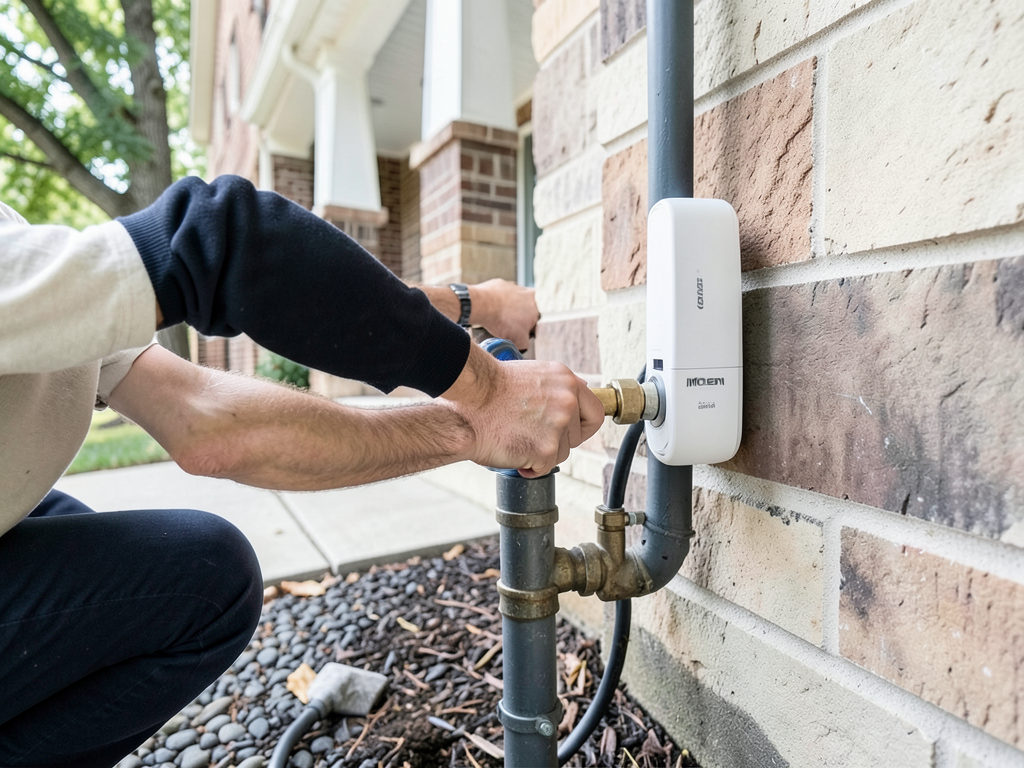
The Best Smart Leak Detectors to Prevent Water Damage in Ballantyne Water damage strikes Ballantyne homes every day from burst…

The Best Smart Leak Detectors to Prevent Water Damage in Ballantyne

The Best Smart Leak Detectors to Prevent Water Damage in Ballantyne Water damage strikes Ballantyne homes every day from burst…

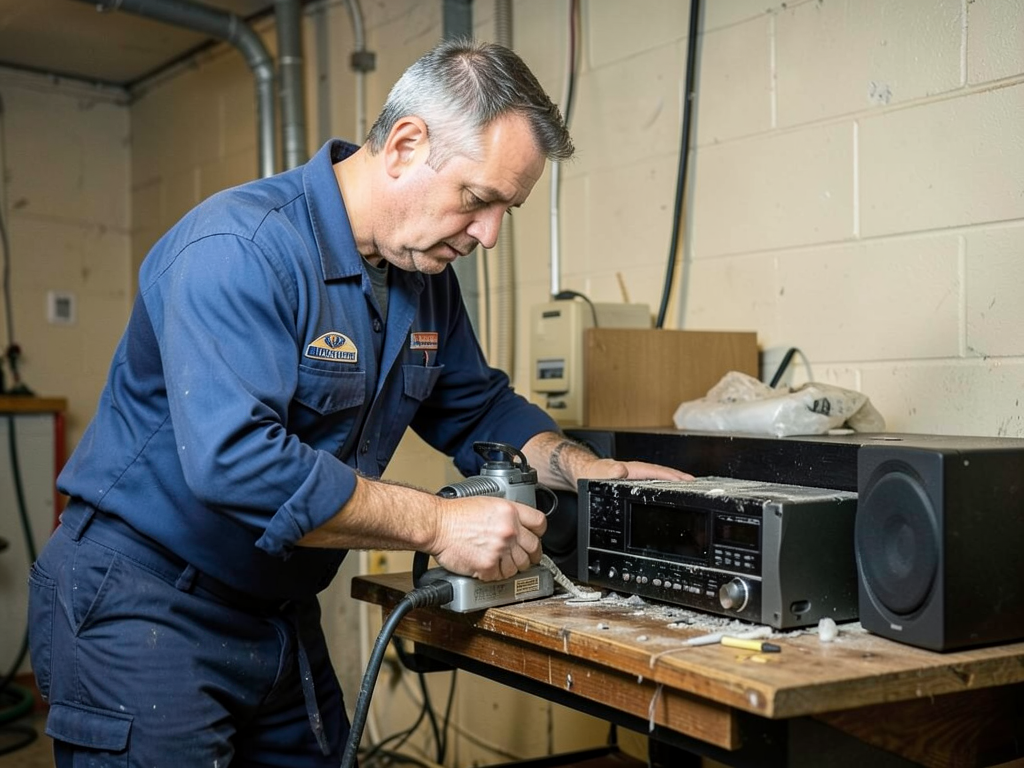
Safeguarding Expensive Home Theater Gear from Water Damage in Myers Park

Safeguarding Expensive Home Theater Gear from Water Damage in Myers Park Myers Park’s stately homes and finished basements create the…

Common Health Symptoms That Might Point to Hidden Water Damage in Your Home

Common Health Symptoms That Might Point to Hidden Water Damage in Your Home Water damage in your Charlotte home often…

Contact Us

Soggy insulation gets worse every day you wait. Call Cornerstone Water Damage Restoration Charlotte at (980) 342-9955 right now. We will dispatch a technician to assess your damage, find the source, and give you a clear plan to fix it permanently.