




Menu

Signs of Hidden Mold in Charlotte – Expert Detection Guide to Protect Your Home and Health

Learn to identify symptoms of concealed mold before it spreads. Our comprehensive resource helps Charlotte homeowners understand indicators of invisible mold and when professional assessment becomes critical for indoor air quality and structural integrity.

Slider Image 1
Slider Image 2
Slider Image 3
Slider Image 4
Slider Image 5
Slider Image 7
Slider Image 8
Slider Image 9
Slider Image 10
Slider Image 11

Why Charlotte Homes Create Perfect Conditions for Hidden Mold Growth

Charlotte's humid subtropical climate creates ideal breeding grounds for mold. Summer humidity routinely exceeds 70%, and the city receives nearly 43 inches of rain annually. When you combine this moisture with temperature swings between 33°F winters and 90°F summers, you create condensation inside wall cavities, attics, and crawl spaces.

Most Charlotte homes sit on expansive clay soil that shifts with moisture changes. This movement creates foundation cracks and gaps where water seeps in unnoticed. The problem intensifies in neighborhoods like Dilworth and Myers Park, where older homes feature pier-and-beam construction with poorly ventilated crawl spaces.

Evidence of unseen mold often appears months after the initial water intrusion. A slow pipe leak behind drywall. Condensation on AC ducts in a poorly insulated attic. Groundwater seepage through a hairline foundation crack during heavy storms. By the time you notice a musty smell or see discoloration, the colony has already established itself.

The symptoms of concealed mold vary by location. Bathroom mold hides behind tile and under vanities. Kitchen mold grows inside cabinet kickboards where dishwasher leaks go unnoticed. Attic mold spreads across roof sheathing when ridge vents fail to exhaust moisture. Basement mold thrives in corners where dehumidifiers never reach.

Understanding indicators of invisible mold protects your investment and your health. Respiratory issues, headaches, and allergic reactions often signal a hidden problem. Detecting hidden mold early prevents thousands in remediation costs and structural repairs. The key is knowing where to look and what warning signs demand immediate attention.

Why Charlotte Homes Create Perfect Conditions for Hidden Mold Growth
How to Identify Signs of Mold Behind Walls and Concealed Areas

How to Identify Signs of Mold Behind Walls and Concealed Areas

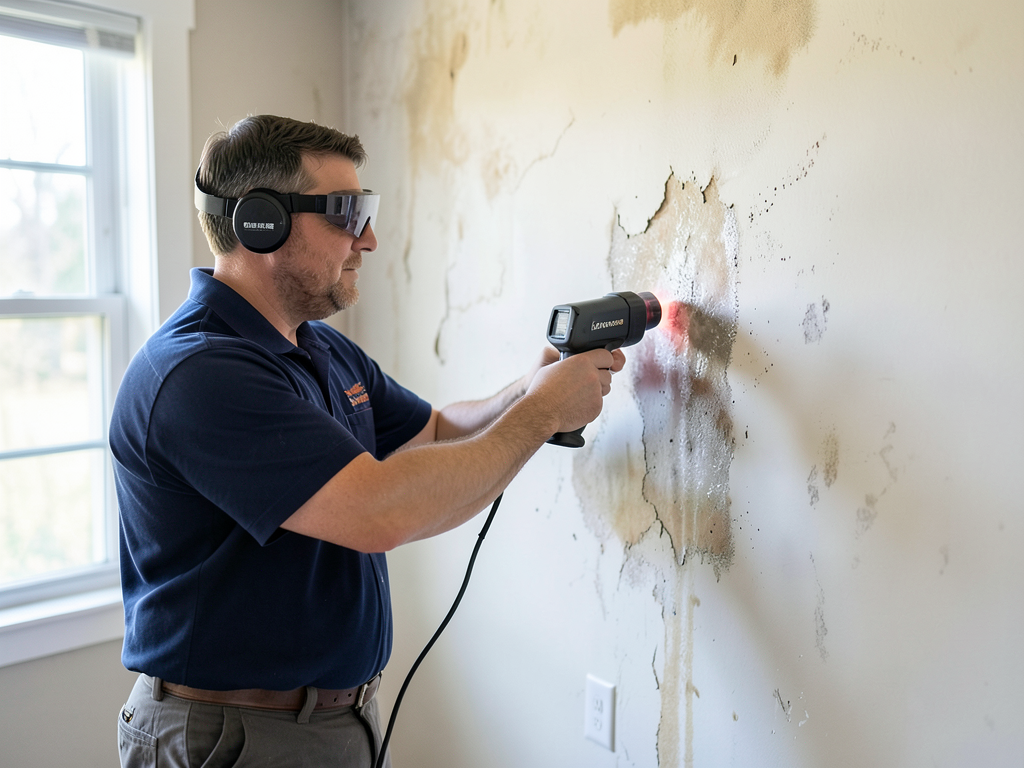
Professional mold detection uses a combination of visual inspection, moisture mapping, and air quality testing. The process starts with thermal imaging cameras that reveal temperature differentials indicating moisture accumulation. Cool spots on interior walls during summer often signal water intrusion and potential mold growth.

Moisture meters measure exact humidity levels inside building materials. Readings above 16% in wood or 1% in drywall create environments where mold spores colonize within 24 to 48 hours. Professionals probe wall cavities through small access points, checking insulation and sheathing without creating unnecessary damage.

Air sampling captures spore counts in different rooms. Elevated levels of Stachybotrys, Aspergillus, or Penicillium species indicate active growth somewhere in the structure. Surface sampling from HVAC vents, baseboards, and attic spaces confirms species type and contamination severity.

Visible warning signs require no equipment. Discoloration on walls or ceilings appears as yellow, brown, or black patches. Paint that bubbles, peels, or cracks suggests moisture problems underneath. Warped baseboards pull away from walls when water damage causes swelling. Buckling hardwood floors indicate subfloor moisture and potential mold underneath.

Your nose provides reliable detection. Mold produces microbial volatile organic compounds that smell musty, earthy, or like rotting wood. If you smell it but cannot see it, the colony is growing inside a wall cavity, under flooring, or above ceiling drywall.

Health symptoms in occupants confirm airborne spore exposure. Persistent coughing, sneezing, eye irritation, and sinus congestion that improve when you leave the building point to indoor air quality issues. Cornerstone Water Damage Restoration Charlotte uses this diagnostic approach to locate hidden contamination other companies miss.

What Happens During a Professional Mold Inspection

Signs of Hidden Mold in Charlotte – Expert Detection Guide to Protect Your Home and Health
01

Initial Assessment and Moisture Mapping

Technicians inspect your entire property with thermal cameras and moisture meters, documenting water intrusion points and humidity levels. This step identifies active leaks, past water damage, and building materials with elevated moisture content. You receive a detailed moisture map showing exactly where problems exist, including areas invisible to the naked eye. The assessment takes 60 to 90 minutes for average-sized homes.
02

Air and Surface Sample Collection

Certified samplers collect air samples from multiple rooms and surface swabs from suspected contamination areas. Samples go to an accredited laboratory for species identification and spore quantification. This data confirms whether mold is present, identifies the specific species, and measures contamination levels against outdoor baseline readings. Lab results typically return within 48 to 72 hours, providing the evidence needed for remediation planning and insurance claims.
03

Written Report and Remediation Plan

You receive a comprehensive report detailing all findings, including photos, moisture readings, lab results, and affected square footage. The remediation plan outlines containment procedures, removal methods, antimicrobial treatments, and reconstruction requirements. This document gives you a clear roadmap for restoration and provides the documentation insurance adjusters need. Most Charlotte homeowners use this report to make informed decisions about next steps without pressure or confusion.

Why Charlotte Homeowners Trust Local Mold Detection Expertise

Mold behavior changes based on local climate and construction methods. A technician trained in Arizona does not understand how Charlotte's humidity interacts with crawl space vapor barriers or how freeze-thaw cycles affect exterior wall assemblies. Local knowledge matters when detecting hidden mold because you need someone who knows where Charlotte homes fail.

Cornerstone Water Damage Restoration Charlotte has inspected thousands of properties across Mecklenburg County. We know that homes in flood-prone areas near McDowell Creek and Briar Creek experience different moisture challenges than elevated properties in South Charlotte. We understand that homes built before 1980 lack proper vapor barriers and often have galvanized pipes prone to pinhole leaks.

Our technicians recognize construction patterns specific to Charlotte builders. We know which subdivisions used defective exterior sheathing in the 1990s. We know which HVAC installations create condensation problems in bonus rooms. We know how poorly sealed crawl space vents allow humid summer air to condense on cool floor joists, creating perfect conditions for fungal growth.

This expertise accelerates detection and improves accuracy. We check the right places first, reducing inspection time and minimizing invasive probing. We differentiate between surface mildew that wipes clean and structural contamination requiring remediation. We understand Mecklenburg County building codes and can verify whether previous remediation work met legal standards.

Insurance claims move faster when documentation meets adjuster expectations. We provide the detailed reports, photographic evidence, and lab results insurance companies require. Many Charlotte adjusters recognize our name and trust our findings, which reduces claim disputes and speeds approval timelines.

Choosing local means accountability. We live in this community. Our reputation depends on accurate assessments and honest recommendations. We do not exaggerate problems to inflate invoices, and we do not miss contamination because we rushed the inspection.

What to Expect from Professional Mold Detection Services

Fast Response and Flexible Scheduling

Mold spreads quickly once conditions allow colonization. We schedule inspections within 24 to 48 hours of your call, including weekend and evening appointments for working homeowners. Emergency inspections happen same-day when health symptoms are severe or when real estate transactions require immediate answers. The inspection itself takes 60 to 90 minutes for typical single-family homes, and we provide preliminary findings before leaving your property. You do not wait weeks for answers.

Thorough Multi-Point Assessment Process

Our inspections cover every potential contamination zone. We check attics, crawl spaces, wall cavities, HVAC systems, basements, and plumbing chases. Thermal imaging reveals hidden moisture. Hygrometers measure relative humidity in each room. Moisture meters probe suspect areas without creating unnecessary holes. Air sampling captures spore counts in living spaces and comparison samples from outdoors. Surface sampling confirms species on visible growth. You receive a complete picture of your indoor air quality and hidden moisture problems, not just a cursory walkthrough.

Clear Documentation You Can Understand

Technical jargon does not help you make decisions. Our reports translate findings into plain language with annotated photos showing exactly what we found and where. Lab results include species identification, spore counts, and health risk assessments. The remediation plan breaks down required work by area, explaining why each step matters and what happens if you delay treatment. You get a document you can share with contractors, insurance adjusters, or real estate agents without confusion or misinterpretation.

Post-Remediation Verification Testing

Remediation companies often skip post-treatment testing because it holds them accountable. We recommend clearance testing after any mold removal project to verify the work succeeded. New air samples confirm spore counts returned to normal levels. Visual inspection ensures containment barriers prevented cross-contamination. Moisture readings verify the source problem was fixed, not just the symptom. This final verification protects your investment and gives you confidence the problem is truly resolved. Many Charlotte homeowners use our independent testing to validate contractor work before final payment.

Frequently Asked Questions

You Have Questions,
We Have Answers

What are signs of mold sickness? +

Mold sickness symptoms include persistent coughing, sneezing, watery eyes, and throat irritation. You may experience headaches, fatigue, or difficulty concentrating. Skin rashes and respiratory issues like wheezing are common. In Charlotte's humid climate, mold exposure happens year-round, especially in poorly ventilated bathrooms and basements. Some people develop more severe reactions, including sinus infections or asthma flare-ups. If you notice these symptoms worsen at home but improve when you leave, hidden mold could be the culprit. Children, elderly individuals, and those with compromised immune systems face higher risks. A professional mold inspection can identify hidden growth before health problems escalate.

Can mold make a baby cough? +

Yes, mold exposure can trigger coughing in babies and young children. Their developing respiratory systems are vulnerable to airborne spores. You may notice your baby coughing more at night or after naps, especially in rooms with poor ventilation. Charlotte's high humidity creates ideal conditions for mold growth in nurseries, particularly around windows and in closets. Watch for other signs like wheezing, congestion, or skin rashes. Babies cannot tell you they feel unwell, so persistent coughing without a clear cold or flu cause warrants investigation. If the cough continues despite treatment, inspect your home for water damage, musty odors, or visible growth.

Can mold cause twitching? +

Mold exposure can affect your nervous system and potentially cause muscle twitching in sensitive individuals. Mycotoxins produced by certain mold species may trigger neurological symptoms, including involuntary muscle movements, tremors, or spasms. However, twitching has many causes, and mold is not the most common one. If you experience unexplained twitching alongside other symptoms like headaches, brain fog, or respiratory issues, and you suspect mold in your Charlotte home, get a professional assessment. Moisture problems in crawl spaces and attics are common here due to humidity. A medical evaluation should come first to rule out other conditions before attributing symptoms solely to mold.

Can black mold cause croup? +

Black mold does not directly cause croup, which is a viral infection affecting the upper airway. However, mold exposure can irritate airways and worsen respiratory symptoms in children who already have croup or other conditions. The inflammation from mold spores can make breathing difficulties more severe. In Charlotte, where humidity stays high year-round, mold growth in HVAC systems can circulate spores throughout your home. If your child has recurrent croup or prolonged respiratory symptoms, inspect areas prone to moisture accumulation. Bathrooms, basements, and areas around leaky windows are prime spots. Eliminating mold reduces airway irritation and may help prevent future respiratory complications.

What kills mold permanently? +

Nothing kills mold permanently if moisture remains. You must fix the water source first. For hard surfaces, mix one cup bleach per gallon of water and scrub thoroughly. Vinegar works on porous materials where bleach cannot penetrate. Antimicrobial solutions designed for mold remediation provide longer-lasting protection. In Charlotte's climate, controlling indoor humidity below 50 percent is critical. Use dehumidifiers in basements and crawl spaces. Replace porous materials like drywall or insulation if mold penetrates deep. Professional remediation uses HEPA filtration and containment to prevent spore spread. Without addressing the root cause, like roof leaks or foundation cracks, mold will return regardless of cleaning methods.

Can air purifiers remove mold spores? +

Air purifiers with HEPA filters can capture airborne mold spores but cannot eliminate mold growth on surfaces. They reduce spore concentration in the air, which helps limit exposure and respiratory irritation. However, air purifiers are not a solution for active mold infestations. You must remove the source. In Charlotte homes, mold often hides in wall cavities, crawl spaces, or behind appliances where air purifiers cannot reach. Use air purifiers as a supplementary tool during remediation or in high-risk areas like basements. Change filters regularly. For effective mold control, combine air purification with moisture management, proper ventilation, and professional inspection if you suspect hidden growth.

How do I tell if mold is in my lungs? +

You cannot self-diagnose mold in your lungs. Symptoms like persistent cough, shortness of breath, chest tightness, or wheezing may indicate mold-related lung issues. Conditions like allergic bronchopulmonary aspergillosis or hypersensitivity pneumonitis require medical testing. Your doctor may order chest X-rays, CT scans, or sputum cultures to detect fungal presence. Blood tests can identify antibodies your immune system produces in response to mold. If you suspect lung involvement, see a pulmonologist immediately. Charlotte's humid environment increases mold exposure risk, especially in older homes with ventilation problems. Do not wait for symptoms to worsen. Early detection prevents long-term respiratory damage.

How to test your home for mold? +

Start by inspecting areas prone to moisture. Check under sinks, around windows, in basements, and attics for visible growth or water stains. Sniff for musty odors, which signal hidden mold. DIY test kits from hardware stores provide basic screening but lack accuracy. For reliable results, hire a professional mold inspector who uses moisture meters, thermal imaging, and air sampling. Charlotte's climate makes crawl spaces and HVAC systems common problem areas. Professionals identify mold species and spore concentrations, giving you actionable data. If you recently experienced water damage or notice unexplained health symptoms, testing confirms whether remediation is necessary before problems escalate.

Can mold inside walls make you sick? +

Yes, mold inside walls can make you sick even when you cannot see it. Spores and mycotoxins travel through air currents and HVAC systems, causing respiratory irritation, headaches, and fatigue. Wall cavities trap moisture from leaks, condensation, or Charlotte's high humidity, creating perfect mold conditions. You may notice musty smells, peeling paint, or discolored drywall. Health effects depend on exposure duration and mold type. Individuals with asthma or allergies face heightened risks. If you suspect hidden mold, a professional inspection using moisture meters and thermal imaging locates problem areas without destructive testing. Ignoring hidden mold allows contamination to spread and health symptoms to worsen.

Can an MRI detect mold? +

No, MRI scans cannot detect mold in your body. MRI imaging shows soft tissue structures, tumors, or injuries but does not identify fungal organisms or mycotoxins. Doctors diagnose mold-related illness through symptom evaluation, blood tests for antibodies, sputum cultures, or biopsies in severe cases. If you suspect mold exposure caused health problems, consult a physician trained in environmental medicine. They can order appropriate tests based on your symptoms. Charlotte residents experiencing unexplained respiratory or neurological symptoms should also inspect their homes for mold. Medical imaging helps rule out other conditions but does not confirm or exclude mold exposure. Proper diagnosis requires targeted lab work and environmental assessment.

How Charlotte's Seasonal Humidity Swings Trigger Hidden Mold Growth

Charlotte experiences dramatic humidity shifts between winter and summer months. Winter indoor heating dries air to 30% relative humidity, while summer peaks reach 75% to 85% outdoors. When hot, humid air infiltrates cool wall cavities through gaps in building envelopes, condensation forms on cold surfaces. This cycle repeats daily throughout June, July, and August. Homes without proper vapor barriers or continuous insulation experience the worst condensation problems. The indicators of invisible mold often appear first in north-facing walls that receive less solar drying and in second-story rooms where HVAC ductwork sweats inside unconditioned attic spaces.

Mecklenburg County building codes have evolved significantly over the past 30 years. Homes built before 1990 often lack the crawl space encapsulation, proper attic ventilation, and moisture-resistant materials required today. This means older neighborhoods like Plaza Midwood, NoDa, and Elizabeth contain higher concentrations of properties vulnerable to hidden mold. Local restoration companies familiar with these construction differences know where to look first. Cornerstone Water Damage Restoration Charlotte maintains relationships with Charlotte building inspectors, insurance adjusters, and environmental testing laboratories, which streamlines the detection and remediation process compared to national franchise operations learning the market.

Water Damage Restoration Services in The Charlotte Area

Cornerstone is proud to serve Charlotte and the surrounding areas, providing rapid and reliable water damage restoration services when you need them most. Our commitment extends to ensuring properties across our service region receive expert care. You can find our main office located conveniently, allowing us to quickly dispatch our teams to your location and address your water damage emergencies with efficiency and professionalism. We are always ready to assist you.

Address:
Cornerstone Water Damage Restoration Charlotte, 222 Baldwin Ave, Charlotte, NC, 28204

Additional Services We Offer

Our news updates

Latest Articles & News from The Blogs

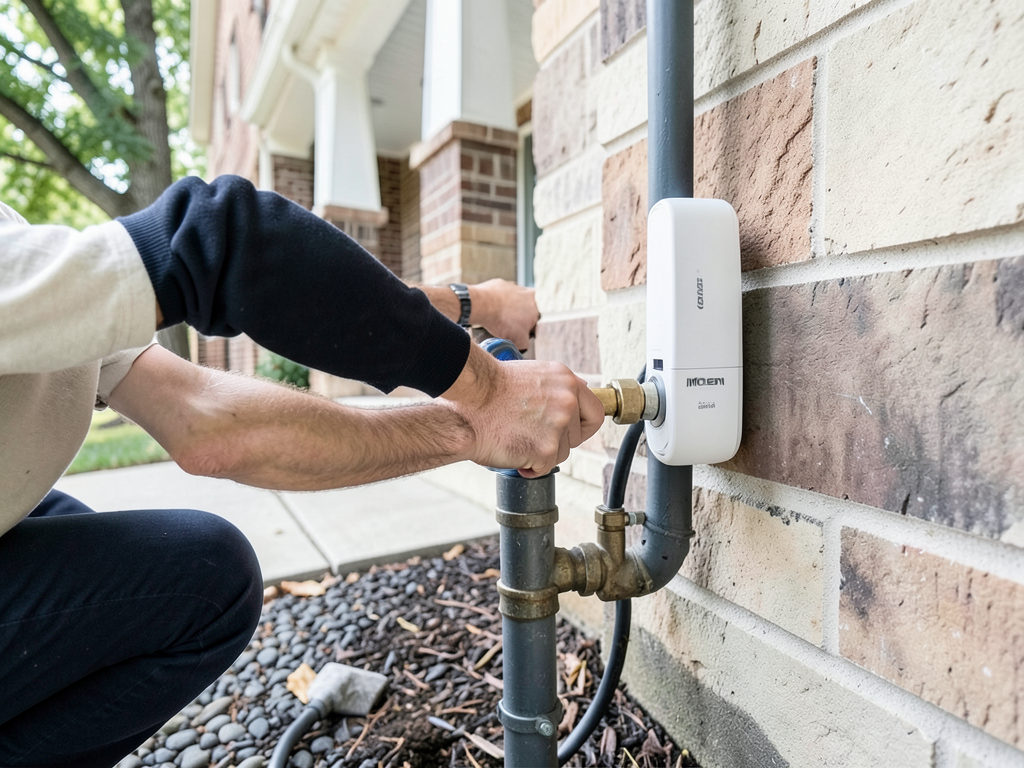
The Best Smart Leak Detectors to Prevent Water Damage in Ballantyne Water damage strikes Ballantyne homes every day from burst…

The Best Smart Leak Detectors to Prevent Water Damage in Ballantyne

The Best Smart Leak Detectors to Prevent Water Damage in Ballantyne Water damage strikes Ballantyne homes every day from burst…

Safeguarding Expensive Home Theater Gear from Water Damage in Myers Park

Safeguarding Expensive Home Theater Gear from Water Damage in Myers Park Myers Park’s stately homes and finished basements create the…

Common Health Symptoms That Might Point to Hidden Water Damage in Your Home

Common Health Symptoms That Might Point to Hidden Water Damage in Your Home Water damage in your Charlotte home often…

Contact Us

Hidden mold never improves on its own. Every day of growth increases remediation costs and health risks. Call Cornerstone Water Damage Restoration Charlotte at (980) 342-9955 for same-day inspection scheduling. We provide the answers you need to protect your home and your family.