




Menu

Server Room Water Damage in Charlotte – Minimize Downtime with 24/7 Commercial IT Room Water Mitigation

When water invades your data center or server room, every minute offline costs revenue and erodes client trust. We deploy specialized computer room water extraction protocols that protect critical infrastructure and restore operations fast.

Slider Image 1
Slider Image 2
Slider Image 3
Slider Image 4
Slider Image 5
Slider Image 7
Slider Image 8
Slider Image 9
Slider Image 10
Slider Image 11

Why Charlotte Server Rooms Face Elevated Water Damage Risk

Charlotte sits in a humid subtropical climate zone where summer dew points regularly exceed 70 degrees. This persistent moisture combines with aging HVAC systems in commercial buildings along the I-277 loop and South End to create condensation on cold water pipes running through server rooms. A single failed condensate drain line in a computer room can dump gallons of water directly onto raised flooring systems housing network infrastructure.

The city's rapid commercial growth means many data centers occupy retrofitted warehouse spaces in neighborhoods like NoDa and Plaza Midwood. These conversions often lack proper vapor barriers or climate separation between warehouse zones and climate-controlled IT rooms. When roof drains clog during Charlotte's intense thunderstorm season, water tracks along structural beams and drops into ceiling-mounted cable trays.

Charlotte's clay-heavy soil shifts during wet-dry cycles, causing foundation cracks in commercial buildings throughout Mecklenburg County. Groundwater seepage through these fissures migrates to below-grade server rooms common in medical office buildings and financial services facilities near Uptown. You may not see standing water, but elevated humidity from concealed leaks corrodes server components and triggers premature hardware failure.

The concentration of financial services firms, healthcare networks, and manufacturing operations in Charlotte's Metro means server room water damage directly threatens business continuity. A flooded IT room does not just mean wet carpet. It means halted transactions, inaccessible patient records, and stalled production lines. Data center water damage restoration requires specialized protocols that protect energized equipment while extracting water from raised floor plenums and cable management systems.

Why Charlotte Server Rooms Face Elevated Water Damage Risk
Our Commercial IT Room Water Mitigation Protocol

Our Commercial IT Room Water Mitigation Protocol

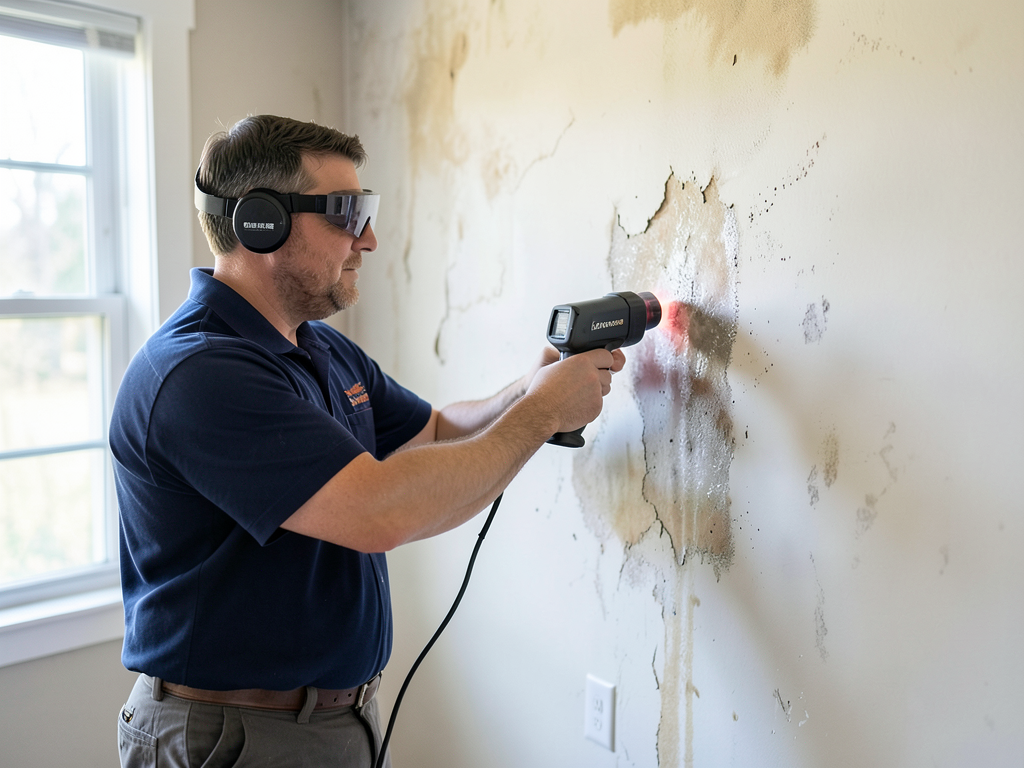
Server room flood cleanup demands a methodical approach that prioritizes equipment protection over speed. We do not enter an active IT room without first verifying electrical safety and documenting pre-loss conditions with thermal imaging. Our technicians use non-conductive extraction wands to remove standing water from raised floor voids without contacting energized components or disrupting network connections.

Computer room water extraction differs from standard commercial water removal because moisture hides in cable trays, under modular flooring panels, and inside HVAC plenums. We deploy low-grain refrigerant dehumidifiers, not standard air movers, because high-velocity airflow spreads contamination and creates static discharge risks near sensitive electronics. Our equipment operates at sound levels below 65 decibels to allow continued operations in adjacent spaces.

We coordinate directly with your IT staff or managed service provider to establish safe work zones and define equipment access protocols. Server room water removal services require documentation at every phase because insurance carriers scrutinize claims involving high-value technology assets. We photograph moisture readings at server rack locations, document affected serial numbers, and provide chain-of-custody records for any equipment requiring off-site evaluation.

Cornerstone Water Damage Restoration Charlotte maintains relationships with forensic data recovery specialists and industrial hygienists who can assess contamination risks if the water source involved sewage or chemical exposure. Our water mitigation approach accounts for uptime requirements. If you need 24/7 operations maintained, we schedule extraction and drying in phases that protect critical systems first. We understand that a data center supporting hospital operations or financial trading cannot simply shut down for three days of drying time.

How We Restore Your Server Room to Full Operation

Server Room Water Damage in Charlotte – Minimize Downtime with 24/7 Commercial IT Room Water Mitigation
01

Immediate Threat Assessment

We dispatch a two-person team trained in electrical safety protocols for energized environments. They verify power status with your facilities manager, establish containment barriers to prevent water migration into adjacent zones, and use moisture meters to map the extent of saturation beneath raised flooring. You receive a preliminary loss scope within 90 minutes of our arrival, outlining affected systems and estimated recovery time.
02

Controlled Water Extraction

Using truck-mounted extractors with extended non-conductive hoses, we remove standing water from floor voids and surface areas without disrupting rack-mounted equipment. We extract from perimeter areas first, working inward to prevent water from spreading toward critical infrastructure. Our team documents moisture levels at each server rack location and establishes drying zones based on equipment density and airflow capacity within your existing HVAC system.
03

Verification and System Validation

We do not consider a server room dry when surface moisture disappears. Our protocol requires sub-surface readings below 12 percent moisture content in all building materials and relative humidity stabilized below 50 percent. We provide written certification of dry conditions, thermal imaging documentation, and air quality verification if biological growth was detected. Your IT team receives a detailed timeline of our work for compliance reporting and insurance documentation.

Why Charlotte Businesses Trust Local Server Room Water Damage Specialists

Charlotte's commercial real estate market includes everything from historic tobacco warehouses converted to tech incubators to purpose-built data centers in University Research Park. We understand the infrastructure differences between these facility types because we work in them regularly. A server room in a 1920s textile building on North Davidson Street has different vulnerabilities than a ground-up data center in Ballantyne Corporate Park.

Our familiarity with Charlotte's commercial building stock means we recognize common failure points. We know that buildings constructed before 2000 often lack proper drainage for modern HVAC condensate loads. We understand that facilities in the South End and Uptown districts face higher risk during construction booms when contractor crews accidentally breach water mains or storm drains. This local knowledge allows us to diagnose water intrusion sources faster than national franchise operations reading from generic checklists.

Cornerstone Water Damage Restoration Charlotte maintains response protocols with commercial property managers throughout Mecklenburg County. We coordinate with building engineers to access shutoff valves, electrical panels, and HVAC controls without waiting for third-party contractors. This direct access reduces your downtime because we do not spend two hours waiting for a facilities vendor to arrive and unlock mechanical rooms.

We document our work to satisfy both insurance carriers and your internal compliance requirements. If you operate in a regulated industry like healthcare or finance, you need proof that water damage remediation met industry standards for contamination control and equipment protection. Our reports include photographic evidence, moisture readings logged by equipment serial number, and third-party verification of microbial testing if required by your risk management team.

What Your Business Can Expect During Server Room Water Damage Recovery

Rapid Commercial Response Times

We maintain 24/7 dispatch for commercial water damage emergencies throughout Charlotte and surrounding Mecklenburg County. Our average response time to Uptown facilities is under 60 minutes. For clients with time-sensitive operations, we offer priority response agreements that guarantee technician arrival within 90 minutes regardless of time or day. You receive direct mobile contact with the responding crew leader, eliminating the communication delays common with call center dispatchers. We understand that every hour of server downtime translates to lost revenue and diminished client confidence.

Comprehensive Loss Documentation

Our initial assessment includes thermal imaging of walls, subfloor areas, and ceiling plenums to identify hidden moisture migration paths. We document all affected equipment by serial number and photograph pre-existing conditions to establish baseline states for insurance claims. You receive a preliminary scope of work within two hours of our arrival, outlining affected areas, required drying time, and recommendations for equipment evaluation. This documentation satisfies insurance carrier requirements and provides the evidence your CFO needs to justify business interruption claims. We coordinate directly with your insurance adjuster to streamline the claims process.

Certified Dry Conditions

We do not rely on visual inspections to determine when a server room is dry. Our technicians use calibrated moisture meters to verify that all building materials have returned to normal moisture content levels. You receive written certification that includes moisture readings, thermal images showing temperature uniformity, and air quality test results if biological contamination was a concern. This certification protects you if equipment failures occur months later and insurance carriers question whether the initial water damage was fully remediated. Our documentation meets IICRC S500 standards for water damage restoration in commercial environments.

Ongoing Monitoring and Prevention Planning

After completing initial remediation, we offer follow-up moisture monitoring to verify that concealed areas remain dry as your HVAC system returns to normal operation. Many server room water damage incidents result from systemic issues like undersized condensate drains or failed humidity controls. We provide a written assessment of contributing factors and recommend corrective measures to prevent recurrence. For clients managing multiple facilities, we offer quarterly inspections of high-risk areas like raised floor plenums and ceiling-mounted cooling units. This proactive approach reduces the likelihood of future water damage incidents that disrupt operations.

Frequently Asked Questions

You Have Questions,
We Have Answers

Can electronics recover from water damage? +

Recovery depends on exposure time and water type. Electronics shut down immediately before water contact may survive if professionally dried and decontaminated within 24-48 hours. Servers exposed to clean water have better recovery odds than those hit by contaminated sources. Charlotte's high humidity complicates drying, requiring controlled environment chambers and desiccant systems. Corrosion starts fast on circuit boards and contacts. Your IT team should disconnect power, document damage for insurance, and contact commercial water damage specialists with electronics restoration capabilities. Most businesses cannot afford downtime waiting to see if equipment recovers. Plan for replacement while pursuing recovery.

What is the cost of water leak detection system for server room? +

Commercial-grade leak detection systems for Charlotte server rooms range from basic point sensors at a few hundred dollars to enterprise-level monitored systems with multiple zones, automatic shutoffs, and integration with building management systems. Installation costs vary based on room size, cable runs, and integration complexity. Many Charlotte commercial properties require systems that meet insurance carrier specifications for business continuity coverage. Factor in ongoing monitoring fees if choosing cloud-connected systems. The investment is minor compared to one server room flood causing six-figure losses plus business interruption. Request quotes specific to your facility's footprint and redundancy requirements.

How to dehumidify a server room? +

Server rooms demand precision dehumidification. Portable commercial dehumidifiers work for minor incidents, but serious water intrusion requires industrial refrigerant or desiccant units sized to room volume and moisture load. Charlotte's humid subtropical climate means ambient moisture infiltrates constantly. Your target is 40-50% relative humidity. Position units to create airflow without directing moisture toward active equipment. Monitor constantly using hygrometers at multiple heights since moisture stratifies. If servers remain operational during drying, avoid temperature swings that cause condensation. Professional water damage teams use psychrometric calculations to determine equipment needs and drying timelines. Improper dehumidification risks condensation on cold components or inadequate moisture removal.

What are the risks of server rooms? +

Server rooms face fire risks from electrical loads, cooling system failures causing overheating, unauthorized access to critical infrastructure, and water damage from HVAC leaks, roof failures, or plumbing above the space. Charlotte buildings face additional risks from summer thunderstorms causing roof penetrations and winter freeze events rupturing pipes in unconditioned spaces above server rooms. Poor environmental controls allow humidity and temperature fluctuations that degrade hardware. Inadequate physical security exposes you to theft and sabotage. Many Charlotte commercial properties have server rooms in basement or ground-floor locations vulnerable to storm water intrusion. Each risk threatens business continuity and creates liability exposure.

How long does it take for water to dry out of electronics? +

Drying time varies by component type, water exposure duration, and environmental controls. Surface moisture on casings may evaporate in hours. Internal moisture in circuit boards, connectors, and drive mechanisms requires 48-72 hours minimum in controlled conditions. Hard drives need specialized recovery. Charlotte's humidity extends natural drying times significantly. Professionals use low-heat drying chambers with forced air circulation and desiccants to prevent corrosion while moisture wicks out. Powering on wet electronics causes shorts and permanent failure. The business decision is not just about drying time but downtime cost. Most companies need replacement equipment operational immediately while attempting recovery as secondary priority.

Is a computer ruined if it gets wet? +

Not always, but assume yes for business continuity planning. Outcome depends on water type, power status during exposure, and response speed. A powered-off laptop hit by clean water may survive with immediate professional drying. A running desktop shorted by contaminated water is likely destroyed. Corrosion begins within hours on circuit boards. Charlotte's humidity accelerates oxidation. The financial question for businesses is replacement cost versus recovery attempt cost plus extended downtime. Insurance typically covers replacement. Your priority is restoring operations and securing data. Attempting DIY recovery on critical business computers risks permanent data loss. Professional assessment within 24 hours determines viability and supports insurance documentation.

Is leak detection covered by insurance? +

Coverage depends on your commercial property policy and cause of loss. Most policies cover sudden and accidental water damage, making leak detection system installation and repair potentially covered if the leak itself is covered. The detection system cost may fall under equipment coverage. However, gradual leaks from poor maintenance are typically excluded. Charlotte businesses should review policy endorsements specific to water damage and equipment breakdown coverage. Many insurers offer premium discounts for monitored leak detection systems because they reduce claim severity. Document all system specifications and maintenance records. Your agent can clarify whether installation qualifies as loss prevention equipment.

How much to charge for leak detection? +

Professional leak detection for commercial server rooms in Charlotte typically involves diagnostic fees plus hourly rates or flat project pricing. Expect diagnostic assessments starting around several hundred dollars, with full surveys of complex mechanical systems running higher based on building size and system complexity. Thermal imaging, acoustic detection, and invasive investigation add costs. The business case is straightforward. Finding a hidden leak before it destroys servers saves thousands in equipment loss and business interruption. Many commercial water damage restoration companies include leak source identification in emergency response at no separate diagnostic charge when you proceed with mitigation. Focus on qualifications and equipment capabilities rather than cheapest hourly rate.

Can I detect a leak myself? +

You can detect obvious leaks yourself. Check visible pipes, HVAC drip pans, ceiling tiles for stains, and areas around roof penetrations after Charlotte storms. Basic moisture meters detect elevated readings in walls and floors. However, identifying hidden leaks in walls, under raised floors, or in complex mechanical systems requires professional equipment like thermal cameras, acoustic sensors, and moisture mapping tools. Charlotte commercial buildings often have leaks in inaccessible chases or above drop ceilings where damage occurs long before you notice. For server room protection, invest in automatic detection systems that alert you immediately rather than depending on visual inspections that happen too late.

Can mold grow in 40% humidity? +

Mold growth is possible at 40% humidity, though less likely than at higher levels. Mold needs moisture, organic material, and temperatures above 40 degrees. While 40% relative humidity alone rarely supports active growth, localized conditions matter more than room average. Water-damaged materials retain moisture creating micro-environments where mold thrives even when ambient humidity reads acceptable. Charlotte server rooms with previous water damage may have mold in wall cavities, under flooring, or in HVAC systems despite controlled room conditions. The 40-50% target for server rooms balances equipment protection with mold prevention. Any water intrusion requires immediate drying and inspection regardless of humidity readings post-incident.

How Charlotte's Humid Climate and Aging Infrastructure Intensify Server Room Water Risks

Charlotte averages 43 inches of rainfall annually, with intense summer thunderstorms dumping two inches per hour during peak convective events. This precipitation combines with average summer humidity levels exceeding 70 percent to create constant condensation risks on cold water pipes and HVAC components in server rooms. Many commercial buildings constructed during Charlotte's 1980s and 1990s growth phases now operate aging roof drainage systems that cannot handle modern storm intensities. When roof drains overflow during heavy rain events, water migrates through ceiling plenums and cable penetrations directly into climate-controlled IT spaces. The city's clay soil retains moisture for extended periods after rain events, increasing hydrostatic pressure on below-grade walls common in financial district buildings.

Charlotte's position as a major financial services hub means server room water damage carries consequences beyond equipment replacement costs. Banks, insurance carriers, and healthcare networks operating in the metro area face regulatory reporting requirements when water damage affects systems housing protected data. Cornerstone Water Damage Restoration Charlotte understands these compliance obligations because we regularly work with risk management teams at Charlotte-based corporations. We maintain documentation protocols that satisfy both insurance carriers and internal audit requirements. Our familiarity with local building officials and permitting processes in Mecklenburg County expedites any required inspections or code compliance verifications after major water damage incidents.
Water Damage Restoration Services in The Charlotte Area

Cornerstone is proud to serve Charlotte and the surrounding areas, providing rapid and reliable water damage restoration services when you need them most. Our commitment extends to ensuring properties across our service region receive expert care. You can find our main office located conveniently, allowing us to quickly dispatch our teams to your location and address your water damage emergencies with efficiency and professionalism. We are always ready to assist you.

Address:
Cornerstone Water Damage Restoration Charlotte, 222 Baldwin Ave, Charlotte, NC, 28204

Additional Services We Offer

Our news updates

Latest Articles & News from The Blogs

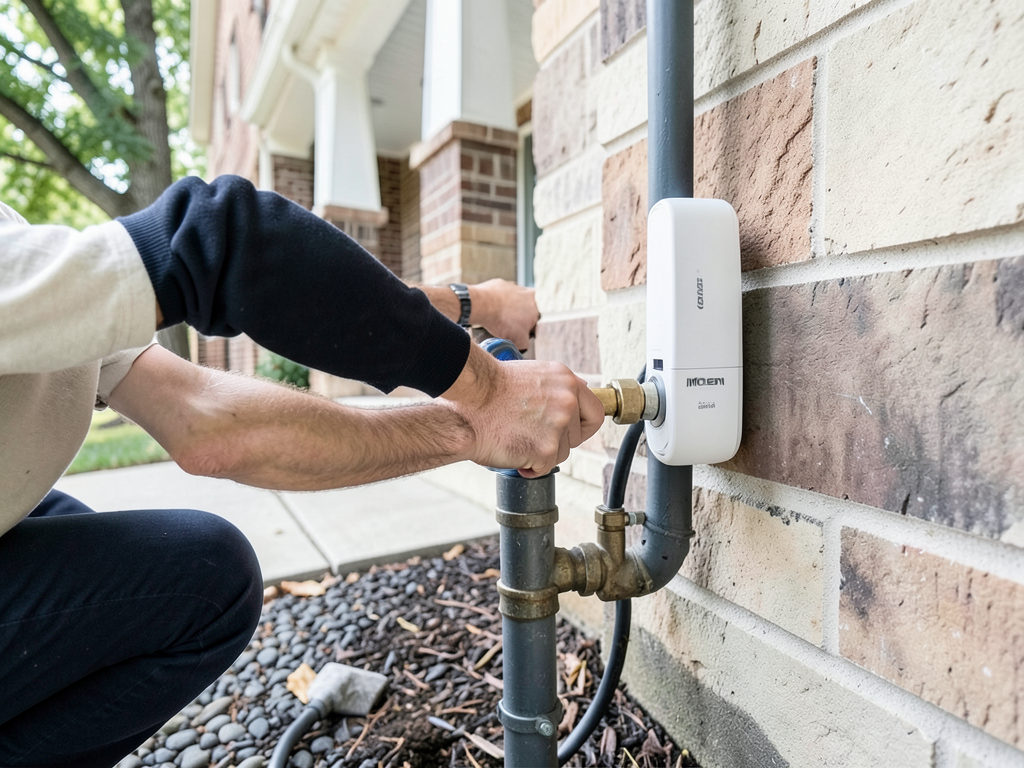
The Best Smart Leak Detectors to Prevent Water Damage in Ballantyne Water damage strikes Ballantyne homes every day from burst…

The Best Smart Leak Detectors to Prevent Water Damage in Ballantyne

The Best Smart Leak Detectors to Prevent Water Damage in Ballantyne Water damage strikes Ballantyne homes every day from burst…

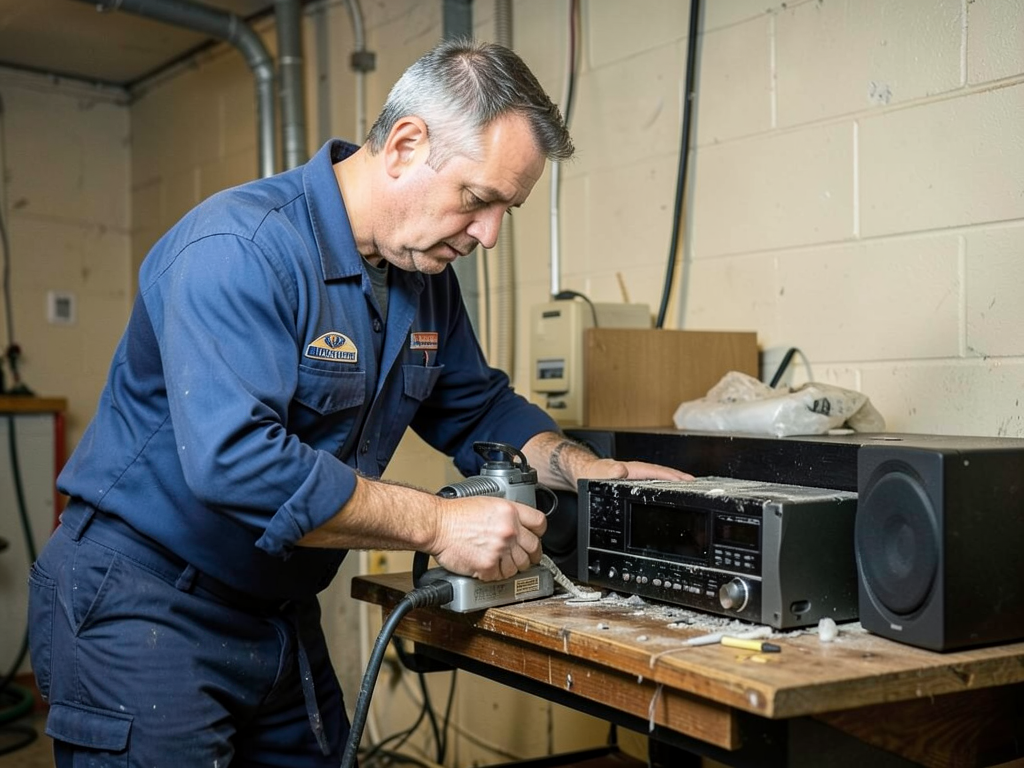
Safeguarding Expensive Home Theater Gear from Water Damage in Myers Park

Safeguarding Expensive Home Theater Gear from Water Damage in Myers Park Myers Park’s stately homes and finished basements create the…

Common Health Symptoms That Might Point to Hidden Water Damage in Your Home

Common Health Symptoms That Might Point to Hidden Water Damage in Your Home Water damage in your Charlotte home often…

Contact Us

Server downtime costs your business revenue with every passing hour. Our commercial water damage specialists deploy to Charlotte facilities 24/7. Call (980) 342-9955 now for immediate dispatch. We arrive prepared to protect your critical infrastructure and minimize business interruption.