When floodwater strikes a First Ward law office the damage extends far beyond soaked carpets. Vital legal documents client files and archived court records can be destroyed in minutes by contaminated water. Quick action makes the difference between permanent loss and successful recovery. This guide walks you through the immediate steps to stabilize documents and explains when to call professionals who use specialized freeze-drying equipment to restore irreplaceable paper. Specialized Water Damage Restoration for Historic Homes in Dilworth.
Immediate Triage Steps for Wet Legal Documents
- Stop the Water Source
Shut off the main water valve or contain the flooding before touching any documents. This prevents additional damage and reduces contamination spread. Rapid Water Extraction and Drying for Properties Near Lake Norman.
- Prioritize by Category
Separate documents into vital records (contracts wills deeds) important but replaceable items and low-priority materials. This helps focus salvage efforts where they matter most. EPA Flood Recovery Guidelines.
- Freeze Critical Documents Immediately
Place wet but salvageable documents in plastic bags and freeze them within 48 hours. Freezing stops mold growth and buys time for professional restoration.
- Handle with Care
Wear nitrile gloves when touching wet documents. Contaminated floodwater can carry bacteria and chemicals that damage both paper and human health. Water Damage Restoration Indian Trail.
Professional Document Recovery vs DIY Salvage
Many First Ward law offices discover that professional restoration offers success rates far above home methods. The key difference lies in equipment and controlled environments. DIY air drying works for a few damp pages but fails when dealing with hundreds of legal documents or books.
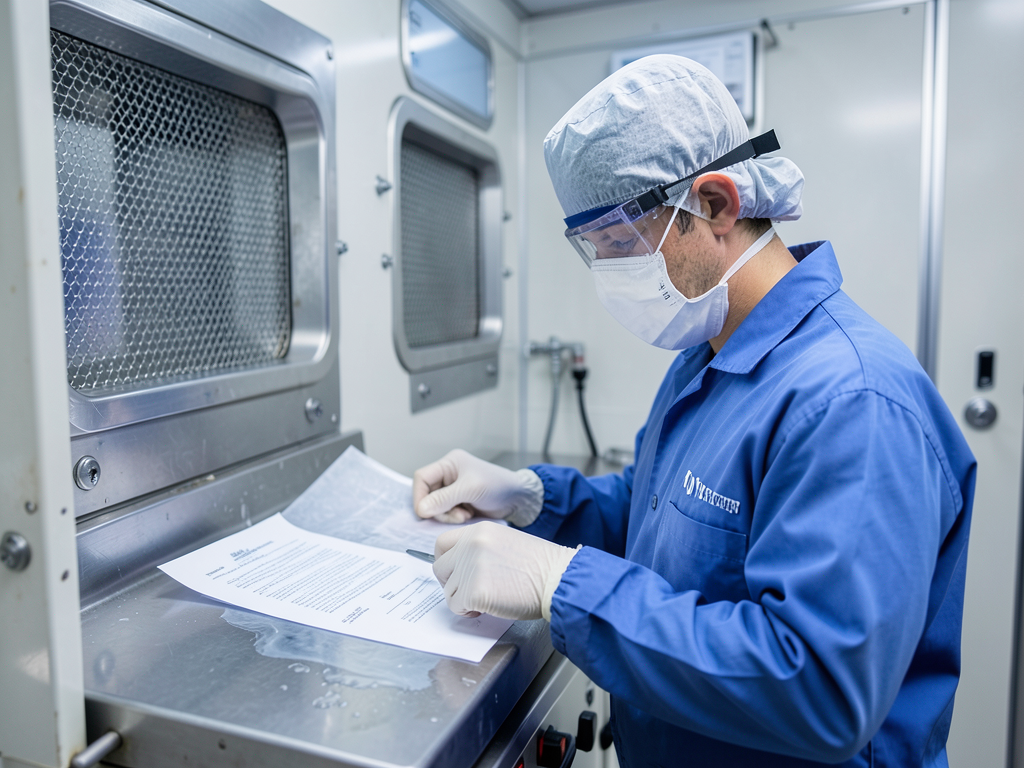
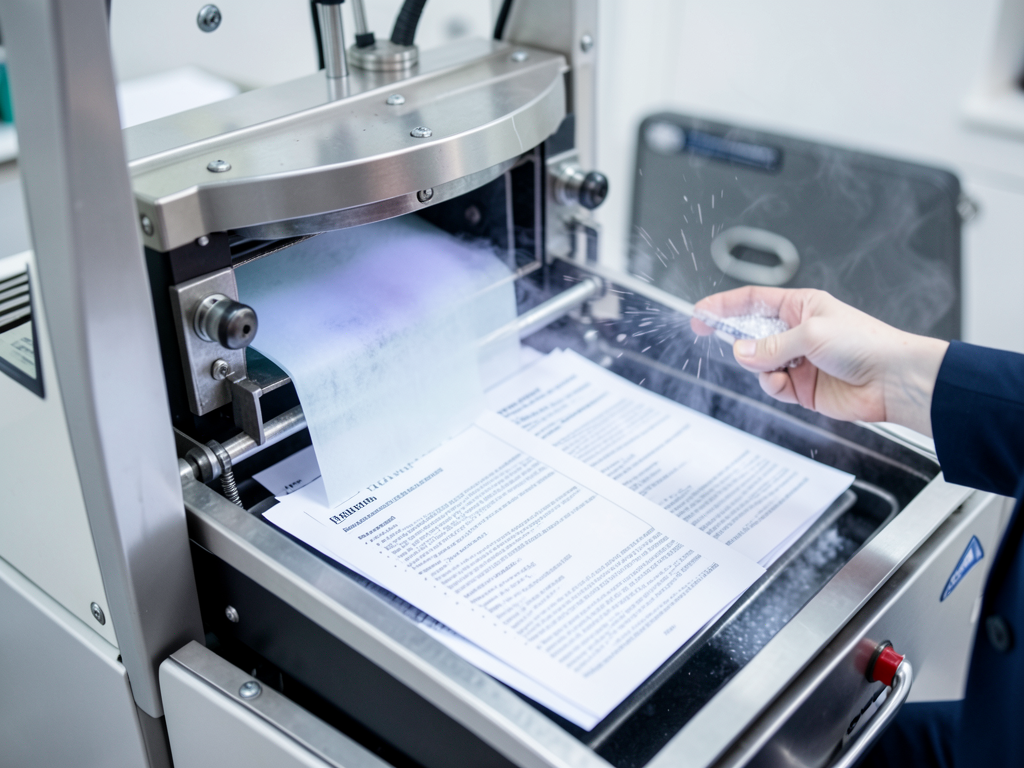
Professional services use vacuum freeze-drying chambers that remove moisture through sublimation. This process turns ice directly into vapor without passing through the liquid stage preventing ink bleed and paper distortion. The Library of Congress recommends this method for valuable archival materials. Library of Congress Document Preservation.
Consider calling professionals when you have more than fifty wet pages when documents show signs of contamination or when you need recovery within 24 hours to maintain business operations. The EPA classifies most floodwater as Category 3 black water requiring specialized handling to prevent health hazards.. Read more about Why Your Myers Park Home Needs Specialized Care for Hand Painted Wallpaper Damage.
The Science Behind Vacuum Freeze Drying
Vacuum freeze drying relies on manipulating pressure and temperature to remove water without damaging paper fibers. The process begins by freezing documents to below zero degrees Fahrenheit. This locks water in place preventing further damage.
Once frozen the chamber reduces atmospheric pressure to below 4 millimeters of mercury. At this pressure water cannot exist as a liquid. When the temperature rises slightly ice transitions directly to water vapor which gets captured by desiccant materials or vacuum pumps.
This method preserves document integrity because paper fibers do not swell or warp. Ink remains in place and pages do not stick together. The entire process typically takes three to seven days depending on document thickness and initial water saturation.
Charlotte’s high summer humidity makes professional drying even more critical. Relative humidity above sixty percent accelerates mold growth on wet paper. Professional facilities maintain controlled environments below forty percent humidity during restoration.
Handling Different Document Types
Not all paper responds the same way to water damage. Understanding material differences helps prioritize salvage efforts and choose appropriate recovery methods.
Glossy coated papers used for exhibits and marketing materials require special handling. The clay coating absorbs water differently than standard paper causing pages to stick together permanently if not separated quickly. Professionals use specialized interleaving techniques with silicone release paper.
Books and bound volumes need different treatment than loose documents. The pressure from swollen pages can break book spines. Restoration experts often freeze entire books then carefully separate pages using controlled humidity chambers.
Photographs and microfilm present unique challenges. Water causes emulsion layers to separate from film bases. These items require immediate professional attention as DIY methods almost always result in permanent image loss.
Digital media stored near flood areas also needs assessment. Hard drives and servers exposed to water require specialized data recovery services. The combination of water damage and potential mold makes DIY recovery attempts risky.
Health and Safety Considerations
Floodwater in First Ward law offices often contains hazardous materials from nearby streets and older building systems. Sewage backups broken pipes and street flooding introduce bacteria viruses and chemical contaminants. Storm Flooding Emergency Service.
The CDC recommends treating all floodwater as contaminated. Wear N95 respirators gloves and eye protection when handling wet documents. Open windows and use fans to improve ventilation but avoid spreading contaminated air to unaffected areas.
Mold begins growing on wet paper within 24 to 48 hours. The combination of organic material moisture and Charlotte’s humidity creates ideal conditions for rapid mold colonization. Professional remediation follows IICRC S520 standards for mold removal from paper materials.
Document freeze-drying facilities use HEPA filtration and antimicrobial treatments to prevent cross-contamination. These controlled environments cannot be replicated in typical office settings making professional intervention essential for large-scale document recovery.
Insurance and Documentation Recovery Claims
Business interruption insurance often covers document restoration costs but requires proper documentation of damage and recovery efforts. Take photographs of all wet documents before beginning salvage operations. Create detailed inventories of affected materials including estimated values and replacement costs.
Professional restoration companies provide detailed documentation for insurance claims including before and after photos moisture readings and treatment protocols. This documentation satisfies insurance adjusters and supports full reimbursement for restoration services. Steps to Take After a Flood.
Keep all damaged materials until the insurance claim settles. Insurers may require inspection of damaged documents to verify the extent of loss. Store frozen materials in a secure location until the claims process completes.
Consider adding business interruption coverage that specifically addresses document loss. Standard policies may not cover the full cost of restoring vital legal records or the business downtime caused by document unavailability.
Charlotte Document Restoration Services
First Ward law offices benefit from Charlotte’s concentration of professional restoration services. Local companies understand the unique challenges of historic downtown buildings with aging plumbing systems and proximity to Briar Creek flood zones.
Emergency response times average 60 to 90 minutes for Charlotte metro locations. This quick response helps prevent mold growth and increases salvage success rates. Most companies offer 24/7 emergency dispatch with technicians trained in both water damage and document restoration.
Professional services coordinate directly with insurance companies handling paperwork and approvals. This streamlines the recovery process allowing law offices to focus on client service rather than restoration logistics.
Local restoration companies maintain relationships with document freeze-drying specialists often contracting with facilities in nearby cities when Charlotte lacks sufficient capacity. This network ensures access to advanced restoration technology even during widespread flooding events.
Preventing Future Document Loss
Once documents are restored law offices should implement preventive measures to protect against future water damage. Store vital records in waterproof containers on upper floors away from plumbing lines and HVAC systems.
Install water leak detection systems that send alerts to mobile devices. These systems can shut off water automatically when leaks are detected preventing extensive damage.
Create digital backups of all vital documents using encrypted cloud storage. While not a replacement for original documents digital copies ensure business continuity during restoration processes.
Review insurance policies annually to ensure adequate coverage for document restoration and business interruption. Consider specialized coverage for high-value archives or rare document collections.
Establish relationships with restoration companies before emergencies occur. Having pre-approved vendors speeds response times and reduces stress during actual emergencies.
Cost Factors and Decision Making
Document restoration costs vary based on volume material type and contamination level. Simple air drying might cost fifty to one hundred dollars per box while professional freeze-drying ranges from three hundred to five hundred dollars per cubic foot.
Vital documents justify higher restoration costs due to their irreplaceable nature. Consider the cost of recreating lost documents the potential liability from missing client files and the impact on ongoing cases.
Time sensitivity affects both cost and success rates. Documents frozen within 24 hours have salvage rates above ninety percent while those left wet for 72 hours may only have fifty percent recovery potential.
Professional assessments help determine which documents warrant restoration versus replacement. Some materials may be more cost-effective to recreate than restore especially when dealing with mass-produced forms or outdated records.
Local Resources and Support
First Ward law offices can access several local resources during document emergencies. The Charlotte-Mecklenburg Public Library offers document salvage workshops and maintains relationships with professional conservators.
The North Carolina State Archives provides guidance on preserving legal documents and can recommend certified restoration specialists. Their conservators understand state-specific record retention requirements and can advise on prioritization.
Local bar associations often maintain lists of approved document restoration services familiar with legal industry requirements. These companies understand attorney-client privilege concerns and implement proper chain of custody protocols.
Community emergency management offices coordinate with restoration companies during widespread flooding events. They can provide information about available resources and priority response areas.
Frequently Asked Questions
How long do I have to save wet documents before mold becomes a problem?
Mold begins growing on wet paper within 24 to 48 hours especially in Charlotte’s humid climate. Freezing documents within this window stops mold growth and preserves salvageability.
Can I use a regular freezer for document freeze-drying?
Standard freezers can buy time by preventing mold growth but they cannot perform true freeze-drying. Professional vacuum chambers are required to remove moisture without damaging paper fibers.
What documents should I prioritize for professional restoration?
Prioritize original contracts wills deeds and case files that cannot be easily recreated. Also prioritize documents with client signatures dates or court stamps that would be difficult to replicate accurately.
How do I know if floodwater contamination requires professional handling?
Any water from outside sources sewage backups or unknown origins should be treated as contaminated. The EPA classifies this as Category 3 water requiring professional remediation to prevent health hazards.
Will insurance cover document restoration costs?
Many business interruption policies cover document restoration but coverage varies by policy. Professional restoration companies can provide documentation to support insurance claims and work directly with adjusters.
Call (980) 342-9955 today to schedule your inspection and protect your vital legal documents from permanent loss.
{
“@context”: “https://schema.org”,
“@type”: “BlogPosting”,
“headline”: “Saving Important Paper Documents and Archives After a Flood in First Ward Law Offices”,
“description”: “Discover professional techniques to save wet legal documents after a flood. Learn immediate steps, freeze-drying, and mold prevention for Charlotte law firms.”,
“wordCount”: 1691,
“datePublished”: “2026-05-12T13:27:00.000Z”,
“dateModified”: “2026-05-12T13:27:00.000Z”,
“inLanguage”: “en-US”,
“mainEntityOfPage”: {
“@type”: “WebPage”,
“@id”: “https://cornerstonewaterdamagerestorationcharlotte.com”
},
“publisher”: {
“@type”: “LocalBusiness”,
“name”: “Cornerstone Water Damage Restoration Charlotte”,
“url”: “https://cornerstonewaterdamagerestorationcharlotte.com”
},
“author”: {
“@type”: “Organization”,
“name”: “Cornerstone Water Damage Restoration Charlotte”,
“url”: “https://cornerstonewaterdamagerestorationcharlotte.com”
},
“image”: {
“@type”: “ImageObject”,
“url”: “https://cornerstonewaterdamagerestorationcharlotte.com/wp-content/uploads/2026/03/saving-important-paper-documents-and-archives-afte-1.png”
}
}
{
“@context”: “https://schema.org”,
“@type”: “LocalBusiness”,
“name”: “Cornerstone Water Damage Restoration Charlotte”,
“url”: “https://cornerstonewaterdamagerestorationcharlotte.com”,
“address”: {
“@type”: “PostalAddress”,
“addressLocality”: “Charlotte”
},
“areaServed”: {
“@type”: “City”,
“name”: “Charlotte”
}
}
{
“@context”: “https://schema.org”,
“@type”: “FAQPage”,
“mainEntity”: [
{
“@type”: “Question”,
“name”: “How long do I have to save wet documents before mold becomes a problem?”,
“acceptedAnswer”: {
“@type”: “Answer”,
“text”: “Mold begins growing on wet paper within 24 to 48 hours especially in Charlotte’s humid climate. Freezing documents within this window stops mold growth and preserves salvageability.”
}
},
{
“@type”: “Question”,
“name”: “Can I use a regular freezer for document freeze-drying?”,
“acceptedAnswer”: {
“@type”: “Answer”,
“text”: “Standard freezers can buy time by preventing mold growth but they cannot perform true freeze-drying. Professional vacuum chambers are required to remove moisture without damaging paper fibers.”
}
},
{
“@type”: “Question”,
“name”: “What documents should I prioritize for professional restoration?”,
“acceptedAnswer”: {
“@type”: “Answer”,
“text”: “Prioritize original contracts wills deeds and case files that cannot be easily recreated. Also prioritize documents with client signatures dates or court stamps that would be difficult to replicate accurately.”
}
},
{
“@type”: “Question”,
“name”: “How do I know if floodwater contamination requires professional handling?”,
“acceptedAnswer”: {
“@type”: “Answer”,
“text”: “Any water from outside sources sewage backups or unknown origins should be treated as contaminated. The EPA classifies this as Category 3 water requiring professional remediation to prevent health hazards.”
}
},
{
“@type”: “Question”,
“name”: “Will insurance cover document restoration costs?”,
“acceptedAnswer”: {
“@type”: “Answer”,
“text”: “Many business interruption policies cover document restoration but coverage varies by policy. Professional restoration companies can provide documentation to support insurance claims and work directly with adjusters.”
}
}
]
}
{
“@context”: “https://schema.org”,
“@type”: “HowTo”,
“name”: “Emergency Document Triage”,
“step”: [
{
“@type”: “HowToStep”,
“position”: 1,
“name”: “Stop the Water Source”,
“text”: “Shut off the main water valve or contain the flooding before touching any documents. This prevents additional damage and reduces contamination spread. Rapid Water Extraction and Drying for Properties Near Lake Norman.”
},
{
“@type”: “HowToStep”,
“position”: 2,
“name”: “Prioritize by Category”,
“text”: “Separate documents into vital records (contracts wills deeds) important but replaceable items and low-priority materials. This helps focus salvage efforts where they matter most. EPA Flood Recovery Guidelines.”
},
{
“@type”: “HowToStep”,
“position”: 3,
“name”: “Freeze Critical Documents Immediately”,
“text”: “Place wet but salvageable documents in plastic bags and freeze them within 48 hours. Freezing stops mold growth and buys time for professional restoration.”
},
{
“@type”: “HowToStep”,
“position”: 4,
“name”: “Handle with Care”,
“text”: “Wear nitrile gloves when touching wet documents. Contaminated floodwater can carry bacteria and chemicals that damage both paper and human health. Water Damage Restoration Indian Trail.”
}
],
“image”: “https://cornerstonewaterdamagerestorationcharlotte.com/wp-content/uploads/2026/03/saving-important-paper-documents-and-archives-afte-1.png”
}
{
“@context”: “https://schema.org”,
“@type”: “BreadcrumbList”,
“itemListElement”: [
{
“@type”: “ListItem”,
“position”: 1,
“name”: “Home”,
“item”: “https://cornerstonewaterdamagerestorationcharlotte.com”
},
{
“@type”: “ListItem”,
“position”: 2,
“name”: “Blog”,
“item”: “https://cornerstonewaterdamagerestorationcharlotte.com/blog”
},
{
“@type”: “ListItem”,
“position”: 3,
“name”: “Saving Important Paper Documents and Archives After a Flood in First Ward Law Offices”
}
]
}
{
“@context”: “https://schema.org”,
“@type”: “Service”,
“serviceType”: “Water Damage Restoration”,
“provider”: {
“@type”: “LocalBusiness”,
“name”: “Cornerstone Water Damage Restoration Charlotte”,
“url”: “https://cornerstonewaterdamagerestorationcharlotte.com”
},
“areaServed”: {
“@type”: “City”,
“name”: “Charlotte”
},
“description”: “Discover professional techniques to save wet legal documents after a flood. Learn immediate steps, freeze-drying, and mold prevention for Charlotte law firms.”
}