


Menu

Sanitization & Odor Removal in Charlotte – Complete Disinfection and Deodorization After Water Damage

Professional antimicrobial treatment and odor control services that eliminate contaminants, bacteria, and persistent smells left behind after flooding, sewage backups, and storm damage throughout the Charlotte metro area.

Slider Image 1
Slider Image 2
Slider Image 3
Slider Image 4
Slider Image 5
Slider Image 7
Slider Image 8
Slider Image 9
Slider Image 10
Slider Image 11

Why Charlotte's Climate and Water Events Create Serious Contamination Risks

Charlotte's humid subtropical climate creates ideal breeding grounds for bacteria, mold, and odor-causing microorganisms after water intrusion. When floodwater enters your property, it carries contaminants from soil, sewage systems, and organic debris. The region's average humidity levels above 70 percent accelerate microbial growth within 24 to 48 hours.

Storm runoff from nearby Catawba River tributaries and Lake Norman often contains agricultural chemicals, animal waste, and industrial pollutants. When this water floods basements in neighborhoods like Dilworth or Plaza Midwood, it leaves behind invisible pathogens that standard cleaning cannot address. The same applies to sewage backups common in older Charlotte neighborhoods where clay soil expansion damages aging sewer laterals.

You face three contamination categories after water damage. Category 1 starts as clean water from supply lines but degrades quickly. Category 2 gray water from appliances contains chemical and biological contaminants. Category 3 black water from sewage or flooding carries dangerous pathogens including E. coli, hepatitis A virus, and parasites.

Without proper disinfection and deodorization, these contaminants remain active in porous materials like drywall, insulation, and subflooring. The musty smell you notice signals ongoing microbial activity. Surface cleaning with household products does not penetrate deep enough to kill embedded bacteria or neutralize odor molecules bonded to structural materials.

Professional sanitizing and deodorizing addresses contamination at the molecular level using EPA-registered antimicrobial solutions and specialized application equipment designed for post-water-damage scenarios.

Why Charlotte's Climate and Water Events Create Serious Contamination Risks
How Professional Antimicrobial Treatment Eliminates Contaminants and Odors

How Professional Antimicrobial Treatment Eliminates Contaminants and Odors

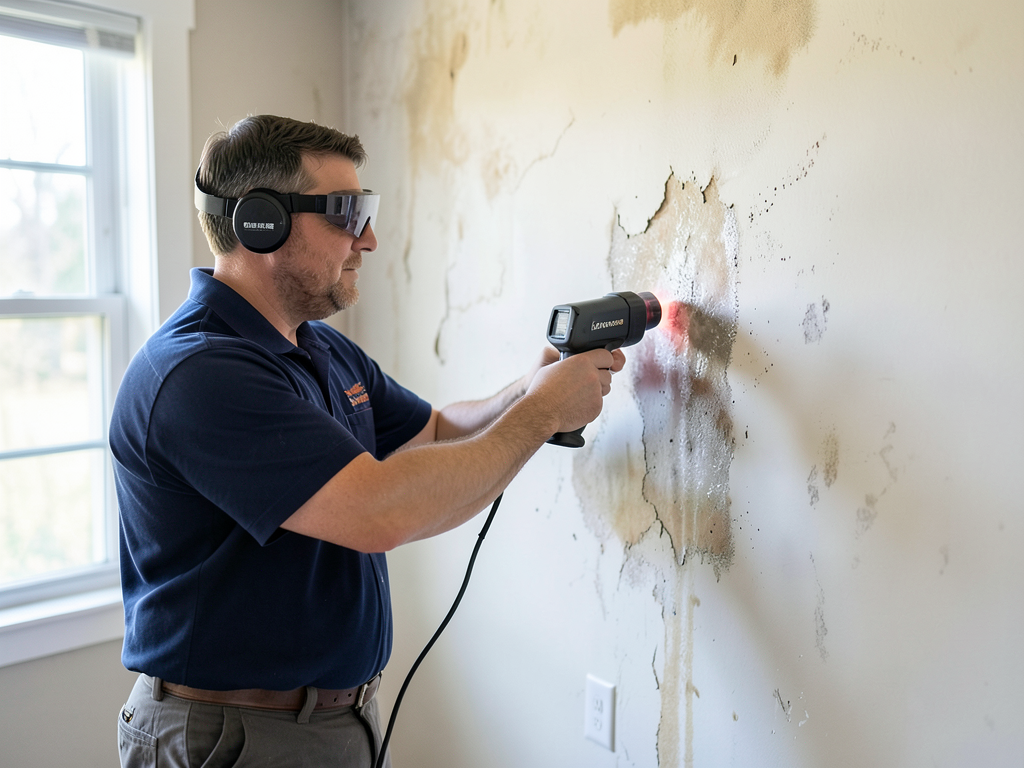
Effective odor abatement requires identifying contamination sources, not masking smells with fragrances. We use thermal imaging cameras to locate hidden moisture pockets where bacteria colonize behind walls and under flooring. Moisture meters confirm material saturation levels that indicate microbial risk.

The sanitization process starts with source removal. We extract contaminated materials that cannot be salvaged, including Category 3 saturated drywall, insulation, and carpeting. This physical removal eliminates the bulk of contaminants before chemical treatment begins.

We apply EPA-registered antimicrobial agents using electrostatic sprayers and ultra-low volume foggers. Electrostatic technology charges disinfectant particles so they wrap around surfaces and penetrate cracks, reaching pathogens in areas conventional spraying misses. The positive charge makes particles cling to negatively charged surfaces for extended contact time, which maximizes pathogen kill rates.

For odor control services, we use hydroxyl generators and ozone machines depending on contamination type and occupancy requirements. Hydroxyl technology breaks down odor molecules through advanced oxidation while allowing safe occupancy during treatment. Ozone treatment requires vacancy but provides aggressive oxidation for severe odor cases from sewage or decomposition.

We target specific odor compounds based on water source. Sewage odors contain hydrogen sulfide and ammonia requiring alkaline oxidizers. Mold odors from microbial volatile organic compounds need different chemistry. Matching treatment chemistry to contamination type ensures complete odor neutralization rather than temporary masking.

Thermal fogging applies deodorizing agents as microscopic particles that penetrate the same pathways odor molecules traveled. This ensures treatment reaches odor sources embedded in porous materials like concrete and wood framing.

What Happens During Professional Sanitization and Odor Removal

Sanitization & Odor Removal in Charlotte – Complete Disinfection and Deodorization After Water Damage
01

Contamination Assessment and Documentation

We inspect all affected areas using moisture detection equipment and document water category classification. This determines required safety protocols, disposal procedures, and appropriate antimicrobial agents. We photograph conditions for insurance documentation and identify which materials require removal versus treatment. ATP testing measures biological contamination levels on surfaces to establish baseline readings before treatment begins.
02

Antimicrobial Application and Air Treatment

After contaminated materials are removed and surfaces cleaned, we apply hospital-grade disinfectants to all affected structural components. Electrostatic sprayers ensure complete coverage of framing, subfloors, and wall cavities. We then deploy hydroxyl generators or ozone machines based on contamination severity and occupancy needs. Air scrubbers with HEPA filtration run continuously to capture airborne particles and prevent cross-contamination during the process.
03

Verification and Clearance Testing

We conduct post-treatment ATP testing to verify surface disinfection effectiveness, comparing results against initial baseline readings. Odor evaluation confirms complete neutralization rather than masking. Moisture readings verify affected areas have reached proper dry standards before reconstruction begins. You receive documentation showing contamination elimination, which insurance carriers require for claim settlement and proves the property is safe for occupancy and rebuilding.

Why Charlotte Properties Need Local Expertise for Post-Damage Sanitization

Cornerstone Water Damage Restoration Charlotte understands contamination patterns specific to Mecklenburg County water events. We know how storm runoff from the Catawba watershed carries different contaminants than sewage backups in Myers Park's older neighborhoods or supply line failures in new South End developments.

Charlotte's clay soil composition affects how contaminated water spreads through crawl spaces and basements. Clay's low permeability causes water to pool rather than drain, extending contamination exposure time. We adjust drying and treatment protocols based on your property's foundation type and soil conditions.

Local building codes require specific antimicrobial treatments before reconstruction permits are issued following Category 2 and 3 water damage. We maintain current knowledge of Mecklenburg County health department requirements and work directly with inspectors to ensure compliance. This prevents permit delays that extend your displacement time and increase carrying costs.

We respond immediately to properties throughout Charlotte, from University City to Ballantyne, because contamination spreads exponentially after the first 48 hours. Our local presence means we arrive with appropriate equipment already staged, not shipping resources from distant markets. This speed prevents secondary damage that multiplies restoration costs.

Insurance carriers operating in the Charlotte market recognize our documentation standards and treatment protocols. We provide the detailed reports adjusters need to process sanitization claims efficiently, including before and after ATP readings, antimicrobial product data sheets, and photographic evidence of treatment coverage.

Our familiarity with Charlotte's architecture matters. We understand how brick veneer construction common in established neighborhoods traps moisture differently than newer vinyl-sided homes, requiring adjusted treatment approaches to prevent mold colonization between wall cavities.

What to Expect From Professional Sanitization and Odor Removal Services

Emergency Response and Treatment Timeline

We dispatch teams 24/7 to Charlotte properties within two hours of contact because contamination risks increase exponentially with time. Initial assessment and containment setup occur immediately upon arrival. Antimicrobial application begins after affected materials are removed and surfaces are cleaned, typically within the first 24 hours. Total sanitization duration depends on contamination category and affected square footage. Most residential treatments complete within three to five days, including verification testing. Commercial projects require phased approaches to maintain partial operations during treatment.

Comprehensive Contamination Evaluation

Your property receives complete inspection using thermal imaging to locate hidden moisture and contamination. We identify water category classification based on source and determine appropriate safety protocols for our technicians and your household. ATP bioluminescence testing measures biological contamination on surfaces, providing objective data rather than visual assessment alone. We document all findings with detailed photography and moisture mapping. You receive a written scope identifying which materials require removal, which can be treated in place, and projected timelines for each phase. This evaluation includes odor source identification using technical methods, not guesswork.

Verified Contamination Elimination

Treatment effectiveness is confirmed through post-application testing, not assumptions. We conduct ATP readings after antimicrobial application to verify pathogen elimination meets safety standards. Moisture meters confirm structural drying has reached levels that prevent microbial regrowth. Odor evaluation ensures complete neutralization rather than temporary masking. You receive documentation showing pre-treatment and post-treatment contamination levels, proving the environment is safe for reconstruction and occupancy. This verification satisfies insurance requirements and health department inspections. Air quality testing is available when requested by sensitive occupants or required by claims adjusters.

Post-Treatment Monitoring and Prevention Guidance

After sanitization completes, we provide specific recommendations to prevent future contamination events based on your property's vulnerabilities. This includes drainage improvements, sump pump maintenance schedules, and early warning systems for high-risk areas. We conduct follow-up moisture readings during reconstruction to verify conditions remain stable. Our documentation includes antimicrobial product information and application records for your property file. If odors reappear during reconstruction, we return to identify the source at no additional diagnostic charge. This ensures treatment effectiveness was permanent, not temporary, and addresses any missed contamination pockets discovered when walls are opened.

Frequently Asked Questions

You Have Questions,
We Have Answers

What is the most powerful odor eliminator? +

Hydroxyl generators and ozone machines are the most powerful odor eliminators for severe contamination. Hydroxyl technology breaks down odor molecules at the molecular level without toxic residue, making it safe for occupied spaces. Ozone works faster but requires vacancy during treatment. For Charlotte homes dealing with flood damage or smoke infiltration, professional-grade enzyme cleaners also eliminate organic odors by digesting bacteria. Over-the-counter products mask smells temporarily. True elimination requires identifying the source, removing contaminated materials, treating surfaces with antimicrobial solutions, and using industrial equipment. Charlotte's humidity accelerates bacterial growth, making professional intervention critical for permanent results.

What do nursing homes use to get rid of pee smell? +

Nursing homes use enzyme-based cleaners specifically formulated to break down uric acid crystals. Products containing bacterial enzymes digest the odor source rather than mask it. Facilities also use vapor barriers on subfloors and antimicrobial treatments on porous surfaces. For severe cases, hydroxyl generators run continuously to neutralize airborne molecules. Charlotte's humid climate makes urine odors worse because moisture reactivates dried salts. Professional remediation involves removing contaminated padding, sealing concrete with vapor barriers, and treating subflooring with enzyme injections. Proper ventilation and dehumidification prevent recurrence. Surface cleaning alone never works because urine penetrates deep into materials.

How do I permanently get rid of a bad smell in my house? +

Permanently eliminating household odors requires finding and removing the source. Porous materials like carpet padding, drywall, or insulation often trap odors and need replacement. After removal, treat affected surfaces with enzyme cleaners or antimicrobial solutions. Seal subflooring or concrete with odor-blocking primers before reinstalling finishes. Charlotte homes face mold odors from high humidity, requiring dehumidification and HVAC duct cleaning. For smoke or pet odors, thermal fogging penetrates materials the same way smoke did. Ozone treatment works but requires temporary evacuation. Air purifiers and baking soda only mask problems. Professional assessment identifies hidden contamination you cannot see.

What do nurses use to block smells? +

Nurses use mentholated ointments like Vicks VapoRub under their nostrils to block strong odors during patient care. Some wear masks with essential oils or use scented chapstick. These are temporary coping strategies, not solutions for your home. For residential odor problems in Charlotte, you need source removal and professional treatment. Blocking your sense of smell does not address contamination causing health risks. Decomposition odors, sewage backups, or animal waste contain pathogens requiring sanitization. Charcoal masks or nasal plugs will not protect your family. Professional remediation removes biohazards, treats surfaces with hospital-grade disinfectants, and uses equipment to eliminate airborne contaminants permanently.

How Charlotte's Humidity and Flood Patterns Increase Sanitization Urgency

Charlotte averages 43 inches of annual rainfall with humidity levels consistently above 70 percent from May through September. This combination accelerates microbial growth after water intrusion faster than drier climates experience. When properties flood from storm events, the warm, humid environment allows bacteria colonies to establish within 24 hours. Neighborhoods near Sugar Creek and Briar Creek face repeated flooding during heavy rain events, creating contamination from stormwater carrying agricultural runoff, vehicle fluids, and biological waste from overwhelmed sewer systems. The city's position in the piedmont region means clay soil prevents rapid drainage, extending contamination exposure time compared to sandy coastal areas where water disperses quickly.

Mecklenburg County health regulations require documented antimicrobial treatment before reconstruction permits are issued following Category 2 and 3 water events. Local adjusters familiar with Charlotte's contamination risks expect comprehensive sanitization documentation including product data sheets, application methods, and verification testing results. We maintain direct relationships with county inspectors who recognize our treatment protocols meet required standards. This local knowledge prevents permit delays that extend displacement time and increase your temporary housing costs. Our understanding of Charlotte's construction methods, from historic homes in Fourth Ward to new developments in Steele Creek, ensures we address contamination risks specific to each property type.
Water Damage Restoration Services in The Charlotte Area

Cornerstone is proud to serve Charlotte and the surrounding areas, providing rapid and reliable water damage restoration services when you need them most. Our commitment extends to ensuring properties across our service region receive expert care. You can find our main office located conveniently, allowing us to quickly dispatch our teams to your location and address your water damage emergencies with efficiency and professionalism. We are always ready to assist you.

Address:
Cornerstone Water Damage Restoration Charlotte, 222 Baldwin Ave, Charlotte, NC, 28204

Additional Services We Offer

Our news updates

Latest Articles & News from The Blogs

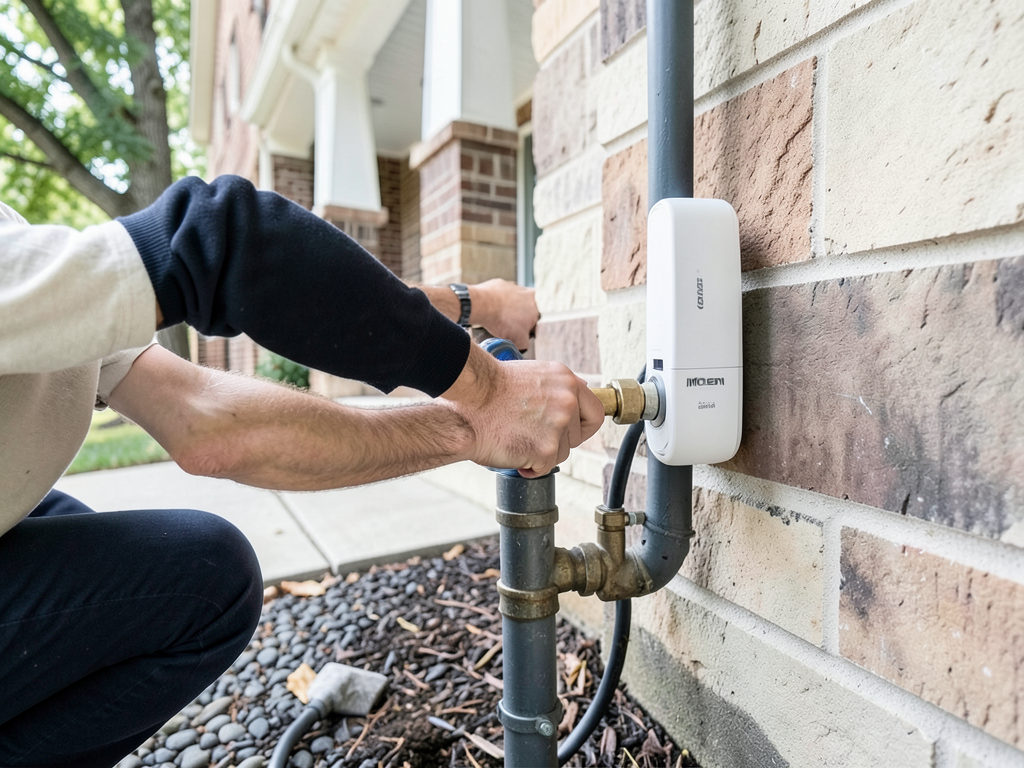
The Best Smart Leak Detectors to Prevent Water Damage in Ballantyne Water damage strikes Ballantyne homes every day from burst…

The Best Smart Leak Detectors to Prevent Water Damage in Ballantyne

The Best Smart Leak Detectors to Prevent Water Damage in Ballantyne Water damage strikes Ballantyne homes every day from burst…

Safeguarding Expensive Home Theater Gear from Water Damage in Myers Park

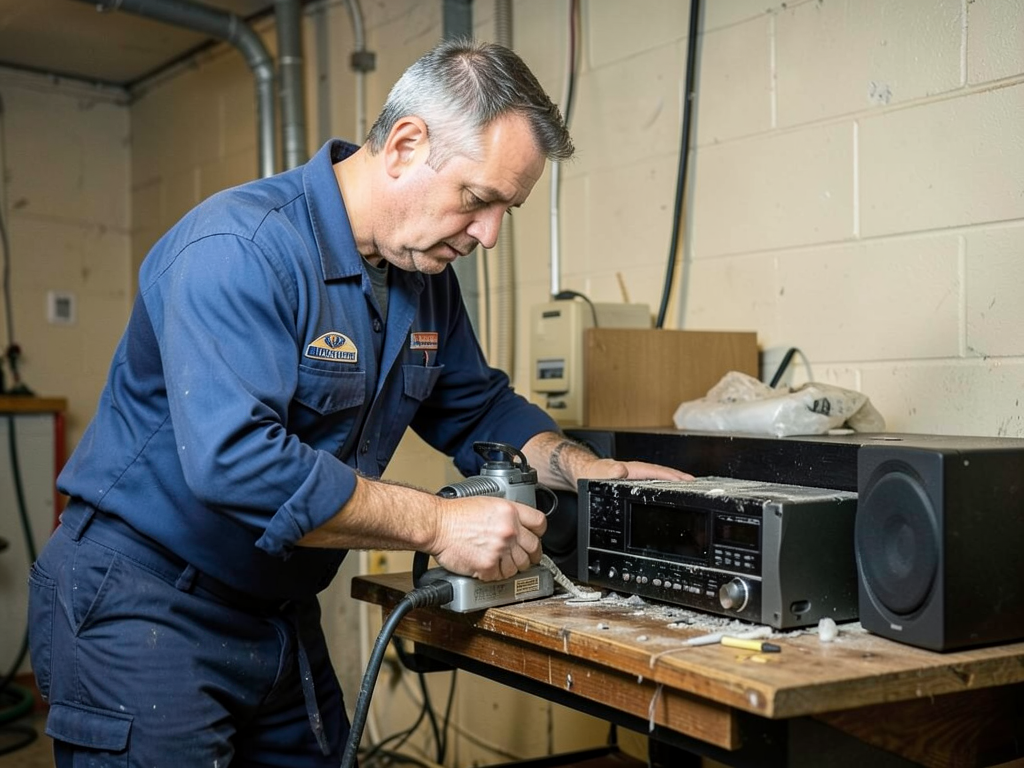
Safeguarding Expensive Home Theater Gear from Water Damage in Myers Park Myers Park’s stately homes and finished basements create the…

Common Health Symptoms That Might Point to Hidden Water Damage in Your Home

Common Health Symptoms That Might Point to Hidden Water Damage in Your Home Water damage in your Charlotte home often…

Contact Us

Contamination risks multiply every hour after water intrusion. Call (980) 342-9955 now for immediate dispatch to your Charlotte property. We provide 24/7 emergency response with comprehensive antimicrobial treatment and odor abatement that insurance carriers recognize and health inspectors approve.